Planting Quantity Guide
For many home gardens, you can calculate planting quantity from mature spacing: bed area ÷ spacing area for plants, row feet × seeds-per-foot for direct sowing, and a modest extra amount of seed for gaps, thinning, and poor germination. I see beginners run into the same problems when they guess, crowded beds, lower yields, wasted seed, and long empty stretches in the kitchen. This guide turns bed sizes, row lengths, containers, trellises, hills, and harvest goals into exact counts for seeds, starts, sets, and cloves.
Planting quantity has four separate numbers: seeds sown, plants kept, space used, and harvest expected. Most planning mistakes happen when those get blended together. Carrots are sown thick and thinned. Tomatoes are usually counted as finished plants. Onions may be counted as seed, seedlings, or sets. Garlic is counted as cloves.
A quick formula keeps the math honest. For transplants, divide usable space by mature spacing, then add a small buffer for losses before planting out. For direct-sown crops, calculate row feet or block area first, over-sow lightly where thinning is normal, then convert the final stand into an expected harvest.
How do you calculate how much to plant?
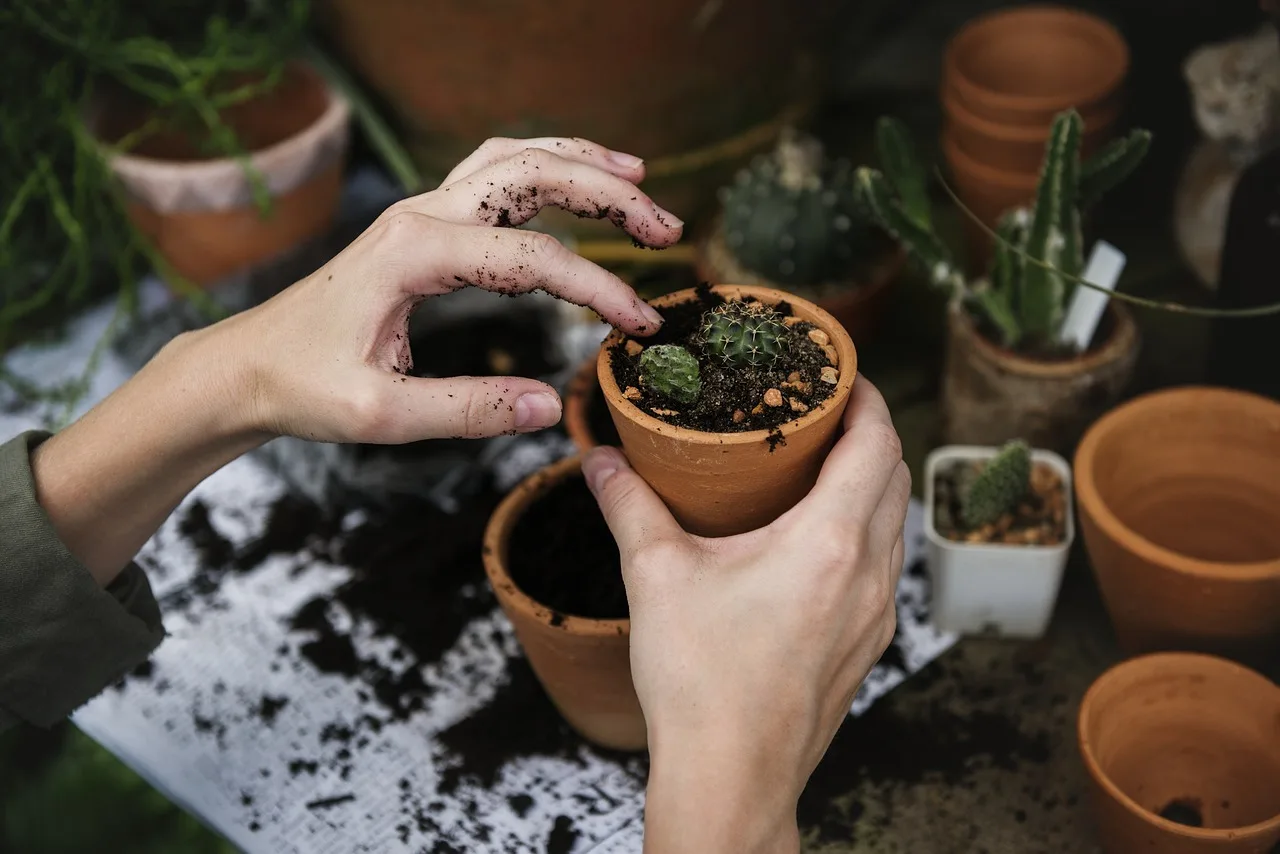


Start with the space you actually have, then match that space to the crop’s mature spacing, sowing method, and harvest goal. Count final plants first, then work backward to seed quantity, thinning losses, and replacement plants. Timing matters after the quantity math works on paper.
Start with the space: bed, row, container, trellis, or hill
Space is the limit.A 10×10-foot in-ground garden is described as manageable for beginners, while a 12×24-foot garden is presented as the largest size first-timers should consider.
Measure only usable planting area. Paths, bed edges, and wide trellis bases cut your count. In containers, count the number and size of pots, not total patio square footage. For hills and mounds, count the hills.
Apply crop spacing by growing system
Spacing changes with system. Lettuce in a square-foot grid fits differently than lettuce in rows. Cucumbers on a trellis fit differently than cucumbers sprawling on the ground. Bush beans use open bed area; pole beans trade floor space for vertical support.
I plan by the system I will actually maintain: square-foot spacing for intensive raised beds, row spacing for in-ground plots, container spacing for patio crops, trellis spacing for climbers, and hill spacing for vining plants.
Adjust for sowing method, thinning, and expected losses
Direct-sown crops usually need two counts: seed dropped and plants kept. Carrots, lettuce, beets, and onions often start crowded, then get thinned. Transplanted crops need a smaller buffer for weak seedlings, slug damage, or one cell that never sized up.
Indoor starting, direct sowing, and transplanting each change the math. A tray of peppers may need a few extra cells. A row of carrots needs extra seed because final spacing comes after thinning. A bed of onion sets usually gets planted at the final stand from the start.
Check the result against household harvest goals
- List the crops your household actually eats every week.
- Decide whether the goal is fresh use, preserving, storage, or pickling.
- Convert that goal into weekly harvest, then seasonal total.
- Match that target to the space and count.
- Cut quantity if maintenance time is already tight.
I have learned this the hard way: maintenance capacity matters before bed size does. A tightly planted 4×8 bed can outproduce a loose 10×10, but only if thinning, tying, watering, and repeat harvest happen on time.
How many plants fit in a 4×8 raised bed?
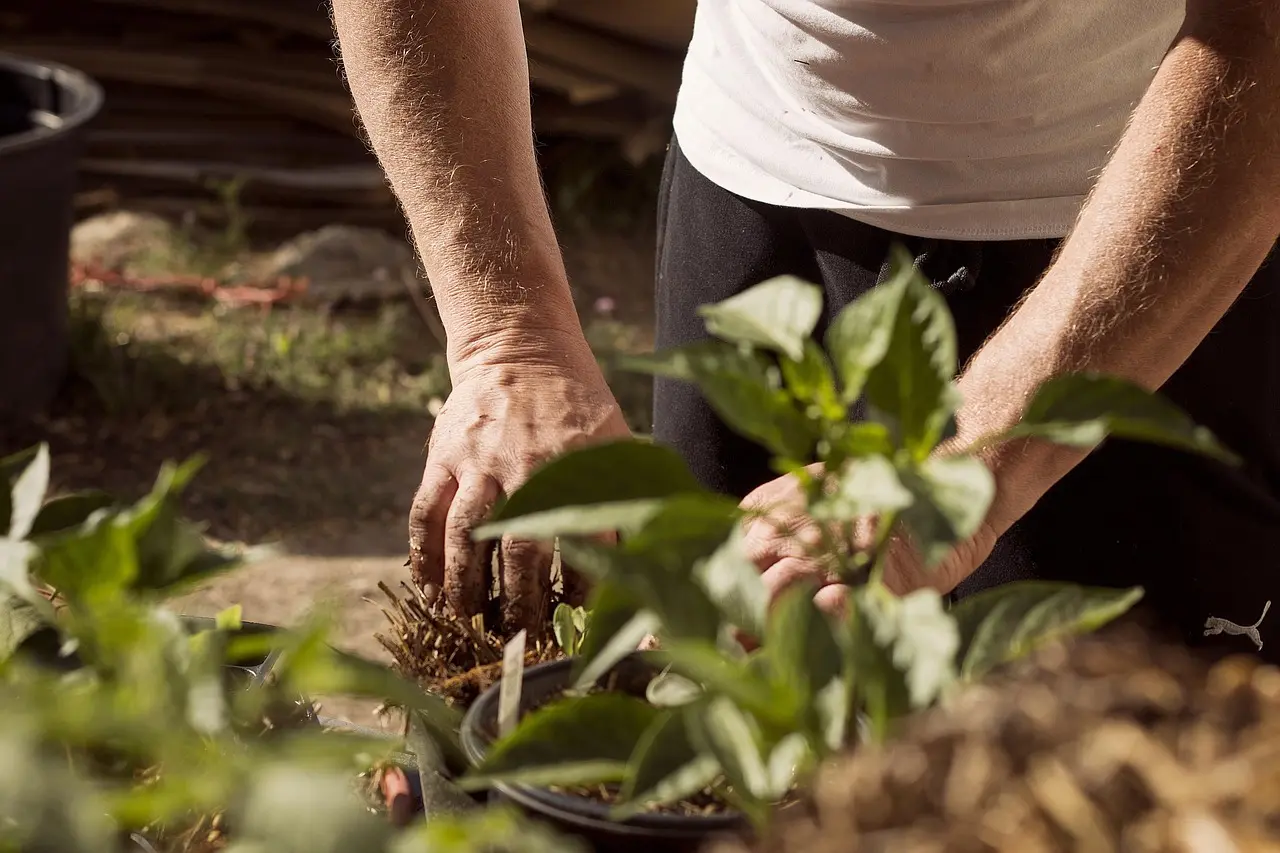
A 4×8 bed holds very different plant counts depending on crop size and training method. A practical plan is roughly 6-8 tomatoes on supports, 12-16 peppers, around 32 heads of lettuce, or several short successions of roots and beans. The bed fills fast once paths and access are respected.
4×4 and 4×8 raised beds
In a 4×4 bed, count conservatively. One or two large vining crops can take over the whole space. In a 4×8 bed, split the bed by crop behavior: tall trellised crops on the north side, medium transplants in the middle, and quick salad or root crops at the front.
A workable beginner 4×8 plan might look like this in rough home-garden terms: 4 staked tomatoes down one side, about 6 peppers in a middle block, and the remaining area in lettuce, carrots, onions, or bush beans. Another 4×8 could carry 2 trellised cucumbers, 2 zucchini only if space is generous, and the rest in quick spring crops before warm-season planting.
10×10 plots and the 12×24 upper limit
A 10×10-foot in-ground plot gives more row length, which matters for carrots, onions, beans, and garlic. I find row crops easier to organize there because roots and alliums can take full strips rather than tiny bed fragments.
A 12×24 plot looks manageable on paper, but the harvest volume, watering load, and succession timing can outrun a beginner fast. Quantity planning should cap it. If the household only needs a few fresh tomatoes, one cucumber trellis, weekly salad greens, and storage onions, a half-full larger plot is better than a packed one.
Containers, trellises, rows, and hills
Containers change count because root volume replaces bed area. Rough planning often assigns one tomato or one cucumber to a large container, one pepper to a medium container, several scallions or cut-and-come-again lettuce plants to a wide shallow pot, and herbs by harvest habit rather than by plant count alone.
Trellises increase quantity per square foot for cucumbers, pole beans, and indeterminate tomatoes. Hills reduce plant count while giving vines room. Rows usually spread crops out more than intensive raised beds, so the same crop may need more total ground.
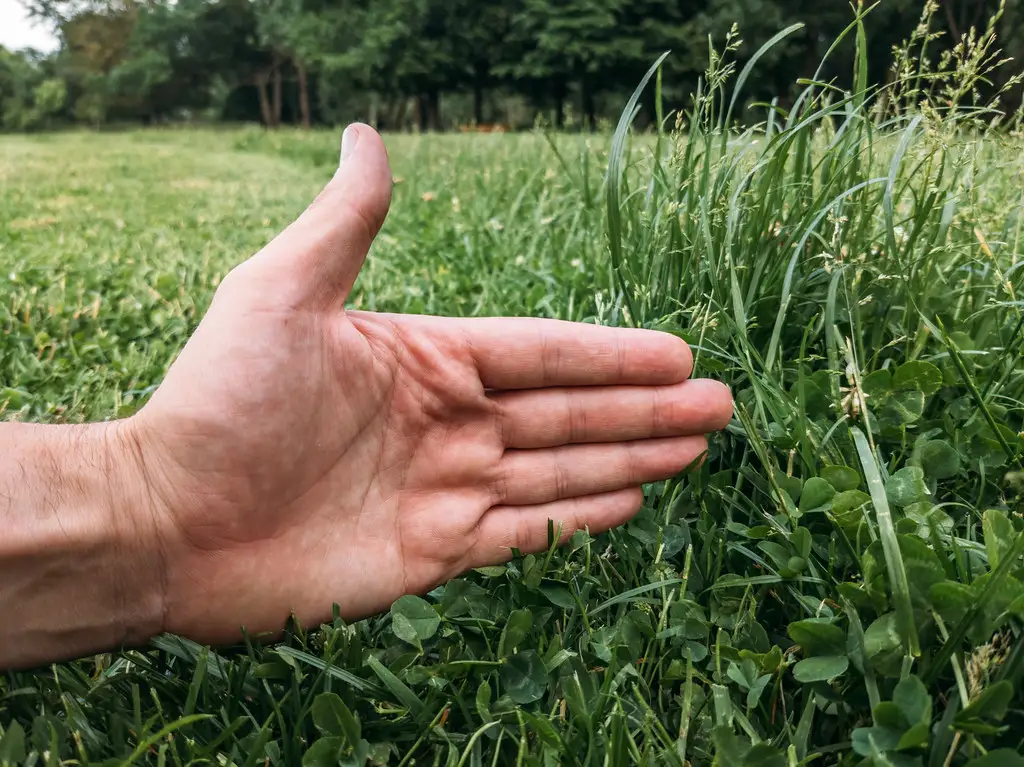
How spacing changes planting quantity
Square-foot spacing versus row spacing
Square-foot layouts compress paths and push production into the bed. Row spacing leaves walking room between lines and usually lowers total count per square foot. Neither is wrong. The mistake is copying a row spacing chart into an intensive raised bed, or squeezing square-foot counts into a broad field-style row.
For lettuce, carrots, scallions, and bush beans, the difference is large. For tomatoes and squash, the difference is smaller because the plant itself dominates the space either way.
Container spacing for compact roots and heavy feeders
Container quantity is limited by root room, water demand, and feeding rate. Heavy feeders like tomatoes, peppers, cucumbers, and squash hit the container wall fast. Compact roots like salad greens, scallions, and herbs can be grouped more tightly if harvest is frequent.
When planning containers, count by finished plants per pot, then add only a light seed buffer. Overcrowding in pots shows up faster than in open beds.
Trellis spacing for cucumbers, pole beans, and indeterminate tomatoes
Trellising changes quantity in two ways: plants can sit closer in the soil, and harvest quality often improves because fruit stays cleaner and easier to find. The count still depends on pruning and support strength.
A home-garden estimate for a short cucumber trellis is about 2-4 plants per section, while pole beans may be able to run a bit denser along the same line. Indeterminate tomatoes need more elbow room than cucumbers even when vertical.
Mound and hill spacing for squash, pumpkins, melons, and cucumbers
Hill spacing is really vine-management spacing. Count hills first, then plants per hill. For squash and melons, one crowded extra plant can turn into a season-long shading problem. In small gardens, fewer hills usually outproduce more hills because airflow and picking access stay workable.
How many seeds should you sow, and when should you thin?
Direct-sown crops usually need deliberate over-sowing, then thinning to the final stand. Transplanted crops usually need one final plant per hole, cell, or container, plus a modest backup. Thin early, replant gaps fast, and count the kept plants as the real garden quantity, not the seed packet total.
Direct-sown crops
Carrots, lettuce, onions from seed, beets, peas, and beans are quantity-planning crops, not one-seed-one-plant crops. My rule at home is to sow thick enough to survive patchy emergence, then thin hard. Poor thinning is one of the main reasons roots stay small.
For carrots, the useful count is final carrots per row foot, not the number of seeds shaken from the packet. For lettuce, decide whether the crop is baby leaf, looseleaf heads, or full heads before sowing. The sowing quantity changes with the harvest style.
Transplanted crops
Tomatoes, peppers, many herbs, and often cucumbers for an early start are easier to count as final plants. One cell should become one keeper. If a household wants 6 pepper plants in the bed, plan a few extra seedlings in reserve, not another whole tray.
This is where seed packets often mislead home gardeners. Packet sowing rates are broad and usually exceed what a home bed needs.
Indoor starts, direct sowing, and frost windows
Use frost dates to decide when to start, not how much to plant. GardeningByZone provides personalized planting dates for more than 50 vegetables, herbs, and flowers. WhenPlant uses USDA 2023 hardiness zones and NOAA frost-date normals, and says frost dates come from the nearest NOAA weather station. The Almanac calendar offers more than 100 vegetables, herbs, and fruit, includes frost-based planting dates for local areas, and includes indoor and outdoor planting dates.
USDA hardiness zones are a shortcut, not a full plan. Last spring frost and first fall frost affect how many successions fit into the season. Cool-season crops may get spring and fall runs. Warm-season crops usually get one main slot between frost windows. Farmers’ Almanac distinguishes above-ground crops from root crops, and says some dates are good for transplanting and root crops. Use that timing framework, then return to quantity math.
Crop-by-crop planting quantity rules
Tomatoes, peppers, cucumbers, and squash
Tomatoes are counted as final plants. In small raised beds, fewer well-supported plants usually beat crowded numbers. A practical estimate for a 4×8 bed is 4-8 tomatoes depending on pruning style, with lower counts for large indeterminate plants.
Peppers can sit closer than tomatoes. In a small garden, a rough planning count of 6-12 peppers is often easier to manage than pushing for every open inch. Cucumbers shift by system: 2-4 plants can fill a modest trellis, while sprawling plants need much more bed area. Squash needs the hardest cap of all. In tight spaces, 1-2 zucchini plants or one winter squash hill may be enough.
Lettuce, carrots, onions, and garlic
Lettuce should be planned by harvest style. For weekly salads, I get better results from repeated small sowings than one big patch. Full-head lettuce takes clear spacing. Cut-and-come-again leaf lettuce can be seeded denser and harvested younger.
Carrots need over-sowing and thinning. Onions from sets are easier to count because each set usually stands in for one finished onion. Garlic is simpler still: one clove is one plant. For storage onions and garlic, count kitchen use first. A family that cooks with onions several nights each week will need more row footage than the same family needs for fresh tomatoes.
Bush beans, pole beans, and peas
Bush beans are a row-foot crop. They arrive fast, then peak. Pole beans use less ground and spread harvest over a longer stretch if picking stays regular. Peas behave more like a cool-season trellis crop and should be counted by row length or trellis length, not by bed square footage alone.
For fresh use, a couple of short rows can work. For freezing or canning, the row count jumps quickly.
Herbs and high-turnover salad crops
Herbs are often overplanted. Most households need fewer rosemary, sage, oregano, and thyme plants than they think, but more parsley, basil, and cilantro successions. Quantity should reflect cutting rate. One basil plant for occasional garnish is different from weekly pesto.
Salad crops need repeat sowing more than large area. That is the fix for both gluts and gaps.
How much should you plant for your harvest goals?
Plant enough to match actual kitchen use, then fit that target into the season with succession sowing. Fresh eating needs steady weekly output. Preserving needs short heavy flushes. The right count for tomatoes, beans, onions, or lettuce changes more with intended use than with bed size alone.
Fresh eating versus preserving
A household that slices tomatoes for sandwiches needs far fewer plants than one making sauce. Pickling cucumbers require concentrated harvest windows. Storage onions and garlic are counted by months of use, not by weekly salad needs.
Before planting, write one line per crop: fresh, sauce, salsa, pickles, storage, or freezing. That single note prevents most overplanting.
Weekly salad planning
Weekly salads usually call for repeated small sowings of lettuce, carrots, cucumbers, scallions, and herbs. Instead of one large lettuce block, use several short sowings spaced across the season. That keeps quality high and avoids a pileup of mature heads in one week.
Family-use targets by crop
For a small household, a modest planting often covers fresh use: a handful of tomatoes, several peppers, one trellised cucumber section, one bean row, one onion strip, and short lettuce successions. Larger preserving goals should be isolated to one or two crops, not added to every crop at once.
This is where underplanting and overplanting both show up. One tomato plant may be too little for daily summer use. Ten may be far too much if no preserving is planned.
Succession planting and seasonal quantity
Succession planting turns one bed into several harvest windows. Cool-season crops may run before and after heat. Warm-season crops occupy the main frost-free span. The first fall frost sets the stop line for late sowings, the last spring frost sets the start line for tender crops.
Regional weather and microclimates change timing, but the quantity framework stays the same: count finished plants or final stand for each succession, then total the season.
Printable planting quantity calculator table
How to read the table
Use the table in this order: choose the crop, choose the growing system, read the final spacing, then separate seed quantity from plants kept. The yield column is a planning estimate for home gardens, meant to help compare bed space against household goals.
| Crop | Growing system | Seed/start quantity to plant | Final plant count kept | Spacing used for planning | Estimated harvest |
|---|---|---|---|---|---|
| Tomato | 4×8 bed, staked | Start roughly 5-9 seedlings | Keep roughly 4-8 plants | About 18-24 inches each | Roughly 40-120 lb per bed, depending on type and pruning |
| Pepper | 4×8 bed | Start roughly 7-14 seedlings | Keep roughly 6-12 plants | About 12-18 inches each | Roughly 30-90 peppers per bed |
| Lettuce, head | 4×8 bed | Sow roughly 40-50 seeds | Keep roughly 32 heads | About 12 inches in an intensive grid | About 32 heads per planting |
| Lettuce, leaf | 1 row foot or short block | Sow thickly, then thin | Keep a dense cut-and-come-again stand | Thin to a harvestable patch | Several cuttings from the same sowing |
| Carrot | 1 row foot | Sow generously for thinning | Keep roughly 12-16 carrots | About 1 inch after thinning | About 12-16 carrots per row foot |
| Bush bean | 1 row foot | Sow roughly 8-12 seeds | Keep roughly 6-10 plants | About 3-4 inches in row | Roughly 0.25-0.5 lb per row foot over the picking period |
| Cucumber | Trellis section | Plant roughly 3-5 seeds or starts | Keep roughly 2-4 plants | About 12-18 inches on trellis | Roughly 10-30 cucumbers per section |
| Zucchini or summer squash | Bed or hill | Plant roughly 2-3 seeds per spot | Keep 1 plant per spot, often 1-2 total in a small bed | About 2-3 feet each | Roughly 6-20 fruits per plant across the season |
| Onion sets | 1 row foot | Plant roughly 9-12 sets | Keep roughly 9-12 onions | About 1-1.5 inches for green onions, wider for bulbs | About 9-12 scallions or fewer bulb onions per row foot |
| Garlic | 4×8 bed | Plant roughly 60-90 cloves | Keep roughly 60-90 plants | About 4-6 inches each | About 60-90 bulbs |
| Basil | Medium container | Sow roughly 3-6 seeds or plant 1-2 starts | Keep 1-2 plants | Give each plant room to branch | Regular handfuls for repeated cutting |
| Pepper | Medium container | Start 2 seedlings | Keep 1 plant | One plant per pot | Roughly 5-15 peppers per container |
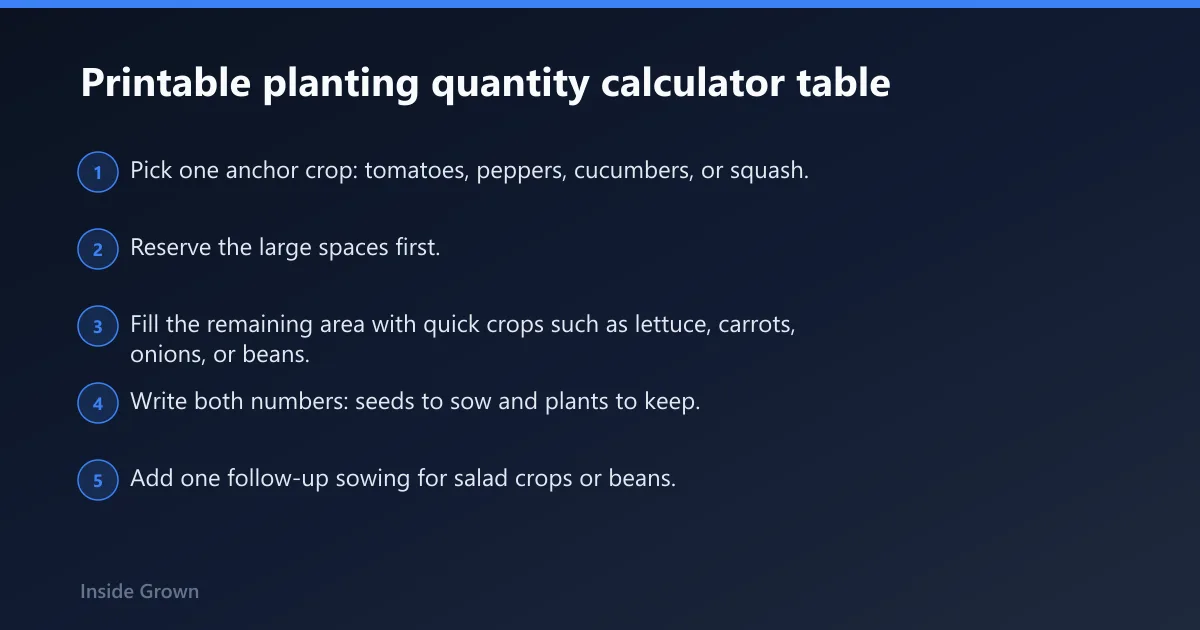
How to use the table for a 4×8 bed in under 10 minutes
- Pick one anchor crop: tomatoes, peppers, cucumbers, or squash.
- Reserve the large spaces first.
- Fill the remaining area with quick crops such as lettuce, carrots, onions, or beans.
- Write both numbers: seeds to sow and plants to keep.
- Add one follow-up sowing for salad crops or beans.
That short exercise exposes empty gaps after spring harvest, catches overcrowding before planting day, and keeps one crop from taking over the whole bed.
Common quantity mistakes that waste space
Overcrowding large crops in small beds
Too many tomatoes, peppers, or squash in a small bed cut airflow, raise disease pressure, and make picking harder. Yield per plant drops before the bed looks full on planting day.
Underplanting quick crops and leaving gaps
The opposite mistake is giving half a bed to four lettuce plants and then watching open soil bake for weeks. Salad crops, scallions, carrots, and beans usually need either denser planting or another succession.
Ignoring maintenance capacity and harvest frequency
Beans need repeat picking. Cucumbers hide fruit fast. Basil bolts if ignored. Quantity must match the gardener’s time for pruning, thinning, watering, and harvesting.
Using one spacing rule for every setup
Square-foot spacing, row spacing, trellis spacing, container spacing, and hill spacing are separate tools. Treating them as the same system creates bad counts and weak harvest planning.
Frequently asked questions
How many seeds should I sow per container?
Sow for the final number the container can actually support, then add only a small buffer. A practical home rule is one tomato, one pepper, or one cucumber per roomy pot, while lettuce and herbs can be grouped more tightly if they will be cut often.
How many tomato plants per square foot?
For full-size tomatoes, planning by single square feet usually causes crowding. In most home beds, a rough working space of several square feet per plant is more realistic, especially for indeterminate types. Trellising helps, but it does not turn tomatoes into a tight grid crop.
How many lettuce seeds per hole should you plant?
For headed lettuce, sow a small pinch and thin to one strong plant. For leaf lettuce, sow more thickly if the goal is baby leaves or cut-and-come-again harvest. The key is deciding the final harvest style before sowing, because seed count follows that choice.
How many onion sets per row should you plant?
A practical home-garden estimate is roughly 9-12 onion sets per row foot if the goal is green onions, with fewer kept for full bulb sizing. Sets are easier to count than onion seed because each planted set usually equals one final onion.
How many cucumber plants per trellis is ideal?
For a modest backyard trellis, roughly 2-4 cucumber plants is a workable planning range. Fewer plants usually mean better airflow and easier picking. More can fit on paper, but harvest quickly gets messy if vines overlap and fruit is missed.
How many carrot seeds should you sow in one spot?
Carrots are usually better planned as a thin line or band rather than one spot. Sow more seed than the final count requires, then thin to the spacing you want. The useful number is the finished stand per row foot, not the seed dropped at first.