How Many Corn Seeds Should You Plant in a Cluster?
Plant about 3 seeds per corn cluster in warm soil with fresh seed. Use about 4 seeds if the soil is cool or the seed is old, then thin to 1 to 2 strong plants. Too few seeds leave gaps, and too many waste seed and crowd the stand. This guide gives a simple seed-count rule for clusters, hills, and short backyard rows.
Corn seed count basics
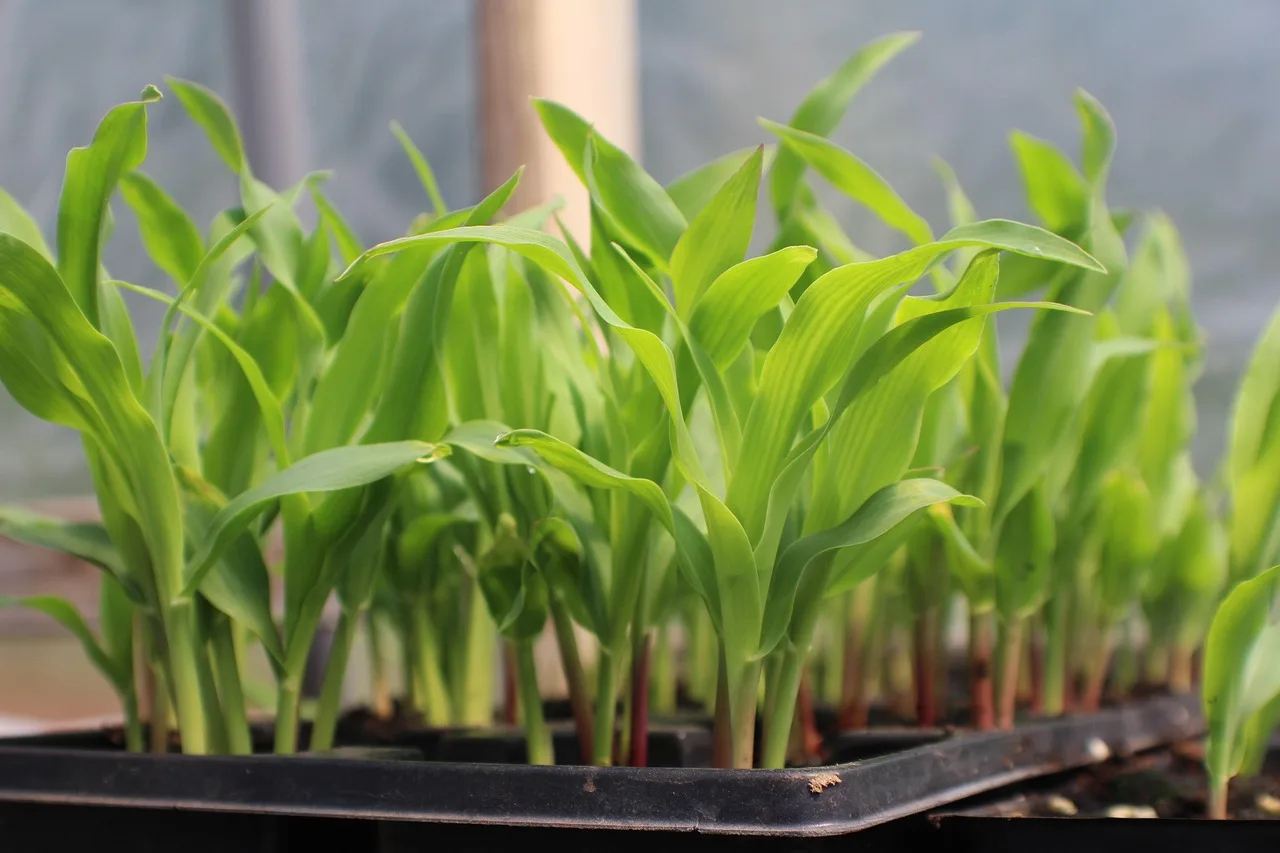

Corn seed count should match your soil temperature, seed age, and the stand you want at harvest. A fixed number looks neat on paper, but corn emergence changes fast when soil is cool, wet, crusted, or the seed packet is older.
One seed per hole for most sweet corn varieties, while the same guide allows two seeds per hole for field corn as a safety margin. It also says to thin to the strongest seedling if two seeds are planted. A calculator page goes further: warm sweet corn blocks at 1-2 seeds per hole, early cool soil at 2 seeds per hole, old packet seed at 2-3 seeds per hole, and Three Sisters hills at 4-6 seeds per hill.
Why one number does not fit every planting spot
Seed count is a risk decision. If soil is warm and seed is fresh, one seed can be enough because emergence odds are better. If the seed is older or the bed is colder, one seed per spot can leave obvious gaps where nothing comes up.
The calculator page gives a simple example: 95% live seed odds can make one seed succeed 95.0% of the time. That is good odds, but it still leaves misses. If you need a full stand in a small backyard bed, backup seeding is often cheaper than replanting whole gaps later.
Seed cost, stand risk, and thinning tradeoffs
Extra seed is not free, but replanting costs more time and space. A cluster with two or three seeds can be thinned to the best plant after emergence, which is easier than waiting for a bare spot and starting over. In small gardens, that tradeoff often favors a little extra seed in risky spots.
Cold, wet, or crusted soil cuts real emergence below packet germination. Wireworms, damping-off, and seed rot can also reduce the stand after planting. Those are the situations where more than one seed per spot is insurance rather than waste.
How many corn seeds decision table
Use this table as a quick rule for clusters, hills, and small backyard plantings. Start with the smallest count that matches your conditions, then move up one step if soil is cool, seed is old, or the bed has a history of patchy emergence.
| Planting scenario | Seeds per cluster | Final plants to keep | Thin when |
|---|---|---|---|
| Fresh warm-soil sweet corn | 1-2 | 1 | 2-3 true leaves |
| Cool-soil planting | 2 | 1 | 2-3 true leaves |
| Old seed packet | 2-3 | 1 | 2-3 true leaves |
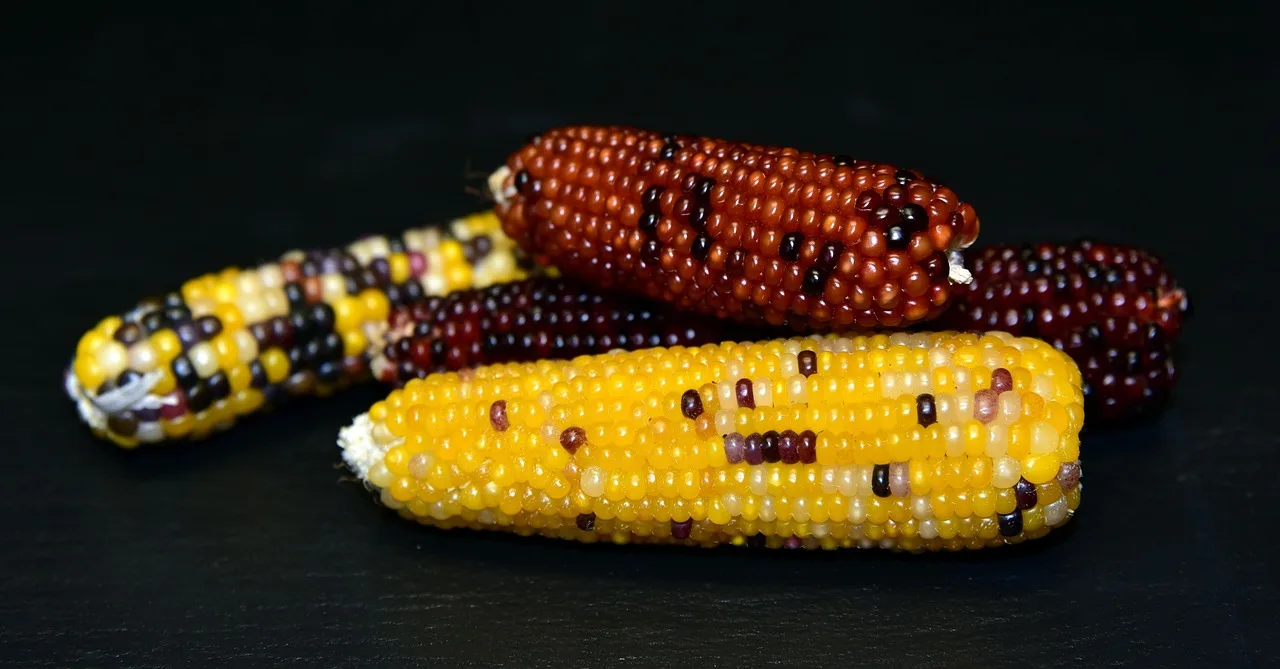
| Popcorn patch | 2 | 1 | 2-3 true leaves |
| Three Sisters hill | 4-6 | 2-3 | 2-3 true leaves |
That table is a starting point, not a law. A warm bed with fresh seed usually does fine with fewer seeds, while a bed that crusts after rain may need a heavier drop. The target final stand matters more than the number in the hole.
Should you plant one, two, or more seeds?
Plant one seed when soil is warm, seed is fresh, and you can absorb a miss or two without hurting the stand. Plant two seeds when you want backup against uneven emergence. Plant three to six only when the planting style calls for a hill, not a row.
When one seed is enough
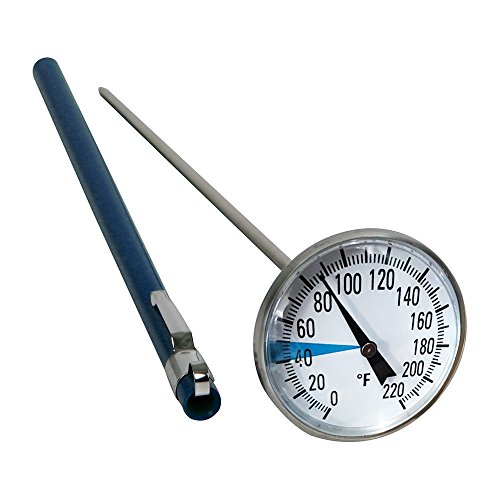
One seed per spot makes sense for most sweet corn in warm soil. The cited guide says corn soil temperature should be at least 60°F, and many growers aim higher because warmer soil improves germination and early growth. If the bed is warm and moisture is steady, one seed can fill the slot well.
That is the best fit for a neat backyard block where spacing is tight and seed quality is known. It also keeps thinning work down. Still, one seed is a gamble when the seed packet is old or the bed has crusted after rain.
When two seeds make sense
Two seeds per spot are useful when you want a safety margin. That is common with field corn, and it also helps with cool-soil planting, older seed, or spots that dry unevenly. If both seedlings emerge, you thin to the stronger one.
Picture a 4-by-6-foot bed planted in a cool spring stretch where night temperatures keep the soil near the low end of corn’s range. Two seeds per spot cut the chance of empty gaps, especially if you want a full block for pollination rather than a thin row with holes in it.
When 3-6 seeds are the better choice
Use three to six seeds only when the planting style calls for a hill or a wider station. Three Sisters hills commonly start at 4-6 seeds per hill, then are thinned to about 2-3 plants. That is a different goal from a row garden where you want one plant per spot.
A common mistake is dropping just one corn seed into a cluster and expecting a full, sturdy stand. A hill is a small mound or station that accepts several seeds, then gets thinned down. The aim is not to keep every seed; it is to end with enough vigorous plants for the space.
How many seeds fit a corn hole or hill?
For a standard planting hole, sweet corn often gets one seed and field corn often gets two seeds when a backup is needed. For a hill, especially in Three Sisters plantings, 4-6 seeds per hill is common at planting time, then the stand is reduced after emergence.
Sweet corn and field corn differences
Sweet corn is often planted one seed per hole in many guides because home gardeners usually want uniform ears and can keep the bed warm and well-watered. Field corn is more often given two seeds per hole when a safety margin is needed, with thinning later if both sprout.
That difference is practical, not absolute. The less certain the emergence, the more sense it makes to use a second seed. The more reliable the soil and seed, the easier it is to stay with one.
Three Sisters hill counts
Three Sisters hills are planted differently because the corn supports beans and squash later. The calculator page lists 4-6 seeds per hill, then the stand is thinned to 2-3 plants. That gives enough stalks for a useful support structure without packing the hill too tightly.
In that system, the hill is the unit, not the hole. Keep the strongest plants, spaced within the mound, so they have room for light and airflow.
How many plants to keep after thinning
Most single planting spots should finish with one strong plant. Hills often finish with 2-3 plants. If two seedlings come up in a single row position, keep the best one and remove the weaker one at the proper stage.
Spacing for a backyard corn block
Corn needs enough space and airflow, and it pollinates better in blocks than in a single thin row. A backyard layout usually works best with rows 30-36 inches apart and planting spots 8-12 inches apart in the row, adjusted for variety and garden size.
Row spacing that supports airflow
The cited guide recommends row spacing of 30-36 inches. That gives the plants room to stand upright, dry faster after rain, and receive enough air movement to reduce disease pressure. Tighter rows can make a bed harder to manage, especially once stalks get tall.
In-row spacing for a usable stand
The same guide recommends in-row spacing of 8-12 inches. That spacing is a common backyard range because it gives each plant room without leaving so much space that pollination suffers. If you plant in clusters, keep the clusters spaced so mature plants do not crowd each other.
Why blocks pollinate better than single rows
Corn is wind-pollinated, so a block of several short rows usually sets kernels better than one long, skinny row. Dense enough planting helps pollen move across the stand. If you only have room for a small bed, shape it as a block instead of a single line.
When should you thin corn seedlings?
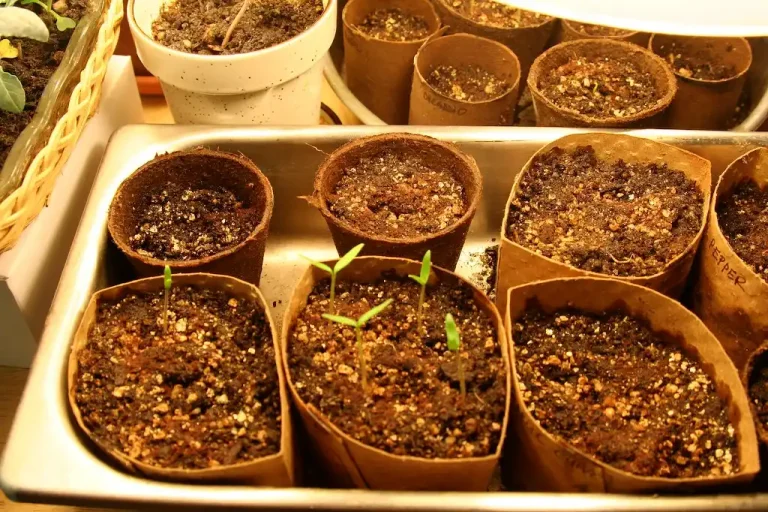
Thin corn when seedlings have about 2 to 3 true leaves. That is the stage where the strongest plant is easy to identify and the weaker one has not yet tied up too much space. If you planted more than one seed per spot, do not wait until the roots are heavily tangled.
The 2-3 true-leaf stage
True leaves are the leaves that look like corn leaves, not the first narrow seed leaves. At 2-3 true leaves, one seedling usually has a clear lead in vigor. That is the best time to thin because the winner is visible and the loser is still small.
How to cut seedlings at soil level
Do not pull the extra seedling out. Cut it at soil level with scissors or pinch it off cleanly. Pulling can disturb the roots of the plant you want to keep, especially when both seedlings share a tight root zone in the same hole.
Which plant to keep in a cluster?
Keep the tallest, stoutest, and most upright seedling if the cluster is otherwise similar. If one plant is yellow, stunted, or damaged by pests, remove that one first. The goal is a single strong plant, not just the biggest top.
Planting steps for better emergence
- Check soil temperature first. Aim for at least 60°F before planting corn.
- Prepare the bed with loose soil, compost, and even moisture. Corn likes a bed that drains but does not dry out fast.
- Plant to a steady depth and keep the spacing at 30-36 inches between rows and 8-12 inches between planting spots, or use your chosen hill spacing.
- Water after planting so the seed has contact with moist soil.
- Watch for crusting after rain or irrigation. A hard crust can slow emergence or trap seedlings.
- Thin extras at 2-3 true leaves, leaving the strongest plant or the planned hill stand.
Suppose a gardener plants sweet corn in a 3-by-5-foot bed after a cool spell and uses two seeds per spot. If the soil stays damp and a crust forms after rain, the second seed is the backup that keeps the row from going empty. That is when extra seed earns its keep.
Frequently asked questions
How many corn seeds should you plant in one hole?
For most sweet corn in warm soil, one seed per hole is enough. If the soil is cool, the seed is old, or the stand needs insurance, two seeds per hole is a safer choice. Thin to one strong plant at the 2-3 true-leaf stage.
Should you plant one, two, or three corn seeds per hill?
One seed is right for a normal row spot, not a hill. Two seeds can work when emergence is reliable and you want backup. Three seeds is more of a hill approach, but Three Sisters hills commonly use 4-6 seeds at planting and then get thinned down.
Do sweet corn and field corn need different seed counts per hole?
Yes, often they do. One seed per hole for most sweet corn varieties and two seeds per hole for field corn as a safety margin. Sweet corn is often planted more conservatively in warm soil, while field corn can justify the extra seed more often.
When should you thin corn seedlings after planting more than one seed?
Thin at 2-3 true leaves. That timing lets you see which seedling is strongest without waiting so long that roots become hard to separate. Cut the weaker seedling at soil level instead of pulling it, so you do not disturb the plant you keep.
How far apart should corn plants be in a backyard garden?
Use about 30-36 inches between rows and 8-12 inches between planting spots in the row. Those numbers support airflow and easier pollination while still keeping the stand dense enough for good kernel fill. If you plant a block, keep the spacing even across the whole bed.
What if my corn seed is old or germination is low?
Use extra seed per spot. The calculator page lists old packet seed at 2-3 seeds per hole, and that is a practical move when emergence is uncertain. Old seed, cool soil, and crusting soil all raise the odds that one seed per hole will leave a gap.