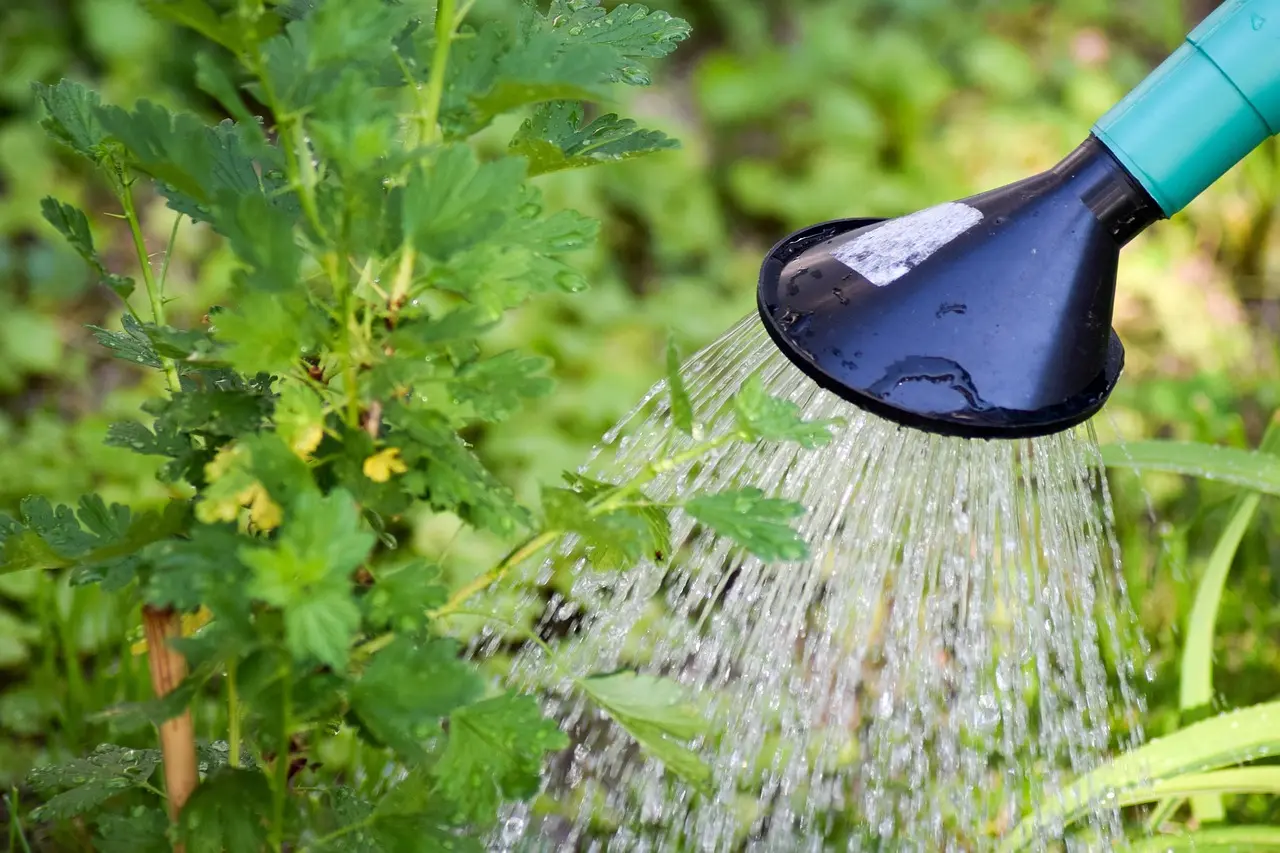
Gardening Tips for Watering Gardens in Hot, Dry Weather
Water when the top few inches of soil are dry. Water early in the day when possible, and soak the root zone until moisture reaches depth; the total amount is often around an inch or two per week, with pots and sandy soil often needing more. Skip that, and you get wilt, blossom drop, shallow roots, and wasted water under heat limits. This guide gives a heat-wave watering decision system for soil, containers, raised beds, plant type, and stress signals.
How much water does a garden need in hot, dry weather?

Start with the plant and the bed, then adjust for soil. A young transplant in a container may need water daily in heat, while an established shrub in ground may go longer between soakings if the root zone stays moist. The target is not “a little every day”; it is enough water to wet the active roots, then a pause until the soil dries again.
Set a starting point by plant type and bed type
Vegetables in raised beds dry faster than the same crop in a ground bed. Containers dry fastest of all. Sandy soil sheds water quickly and needs smaller intervals or added organic matter. Clay holds water longer, but it can seal at the surface and run off if the application is too fast.
Use root depth and soil type to adjust the amount
Established plants need water to reach deeper roots, not just dampen the top. Deep watering should saturate soil at least 10 inches down for established plants. A fast sprinkle that wets only the top inch may look helpful for an hour and still leave the plant short later in the day.
Watch for signs that the soil is dry below the surface
Use a soil moisture meter with a spike-style probe, or dig with a trowel. If the top looks dry but the soil several inches down is still cool and damp, wait. If the probe comes up dry at depth, water now. This check matters more than leaf appearance in the afternoon.
According to almanac.com — Watering in afternoon heat above 90°F may lose up to 50% to evaporation.
What time of day is best to water in summer heat?
The best time to water is between 4 AM and 9 AM. That window cuts evaporation, gives foliage time to dry, and lowers nighttime disease risk. Midday watering in hot sun wastes more water, especially when air temperatures climb above 90°F and evaporation can take up to 50% of what you apply.
Why the 4 AM to 9 AM window works best
Early watering lets moisture move into the root zone before heat and wind pull it away. The plant can use that water as the day warms. Morning watering also leaves less wet foliage sitting overnight, which helps reduce disease pressure.
When evening watering helps and when it raises risk
Evening watering can be useful when a garden is truly dry and morning irrigation was missed. The risk is wet leaves sitting through a warm, still night. If evening watering is the only option, keep it at the root zone and stop as soon as the root depth is wetted.
Why midday watering wastes more water
Midday water often lands on hot soil and foliage, then disappears before roots can use it. In afternoon heat above 90°F, losses can be severe. If watering must happen then, use a slow method at the soil surface and expect some waste. Better to hold the water for dawn when possible.
Should I water vegetables from above or at the root zone?
Water at the roots, not over the leaves. Root-zone watering keeps moisture where plants can use it, keeps foliage dry, and reduces disease risk. A long watering wand with a shutoff lever gives better control at the base of the plant, especially in beds packed with tomatoes, peppers, and squash.
Use a wand or shutoff lever for better control
A wand helps aim water under leaves and around stems without blasting soil away. A shutoff lever lets the gardener stop the flow between plants, which matters when the hose runs long and pressure is low. It is a simple way to avoid wetting the entire bed by accident.
How root-zone watering lowers disease risk
Wet foliage in heat can feed leaf spot, mildew, and other problems. Water at the soil level and the plant stays drier above ground. That matters most for dense crops, greenhouse starts, and beds that hold humidity after sunset.
When overhead watering is acceptable and when it is not
Overhead watering can be acceptable for a newly seeded bed if the surface must stay evenly moist for germination. It is a poor fit for established vegetables in hot weather, and it should not be the default for flowers, shrubs, or containers that need water deep at the base.
Are soaker hoses better than sprinklers during a heat wave?
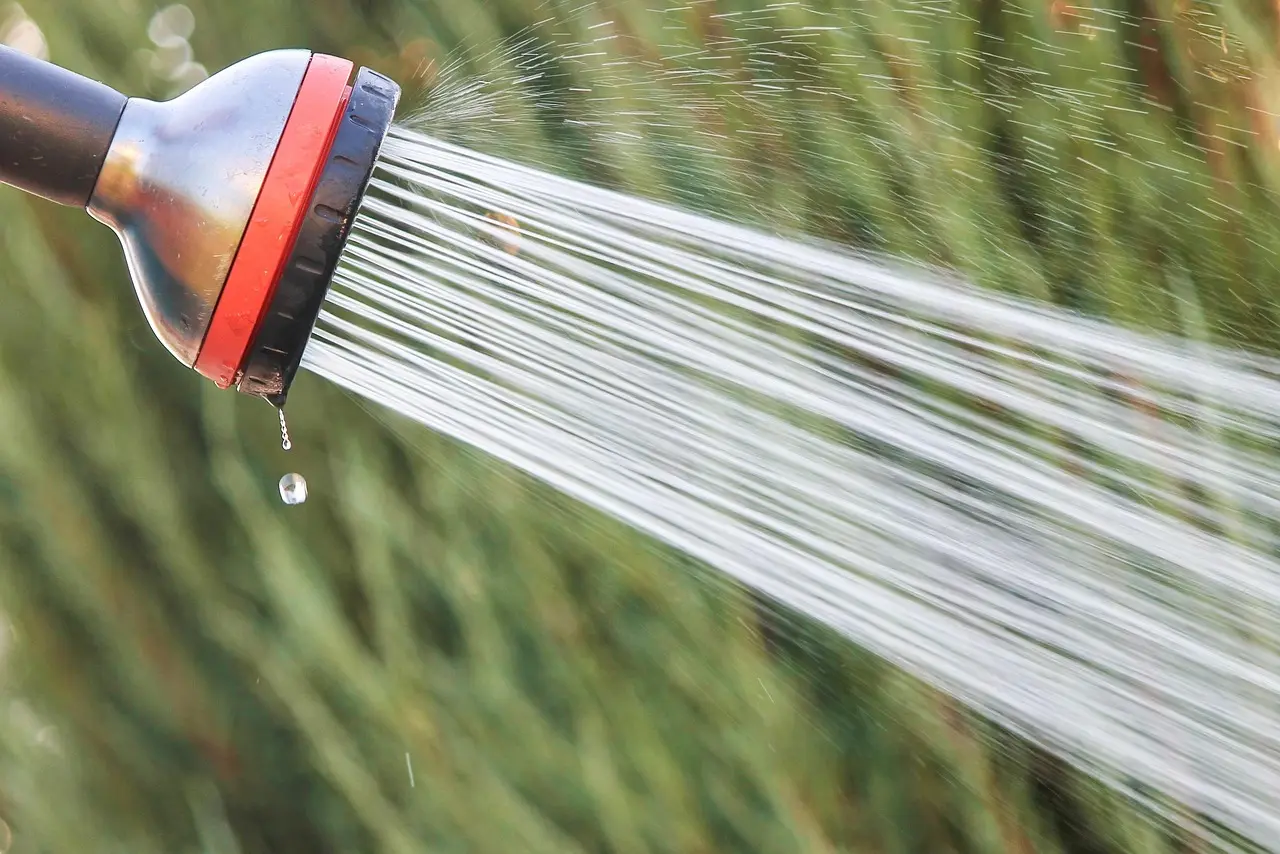
Yes, for most beds and rows. Soaker hoses deliver a slow, steady soak along the soil line, and up to 90% of water can go to plants. Sprinklers throw water into hot air and onto paths, leaves, and weeds. In a heat wave, that difference is hard to ignore.
How soaker hoses deliver a slow soak to beds and rows
Soaker hoses are porous, so water seeps out along the length instead of spraying. That makes them useful in straight rows, narrow beds, and vegetable plots where roots run close to the surface. They are a practical fit when the goal is to wet soil evenly without wetting every leaf.
Where sprinklers lose too much water
Sprinklers are easier to set out, but they lose efficiency in heat and wind. They also wet weeds, sidewalks, and foliage. In a dry spell, that is usually the wrong trade. Use them only when a temporary setup is all that is available and the bed truly needs coverage across a wide area.
When drip or soaker setups are the better fit for low pressure
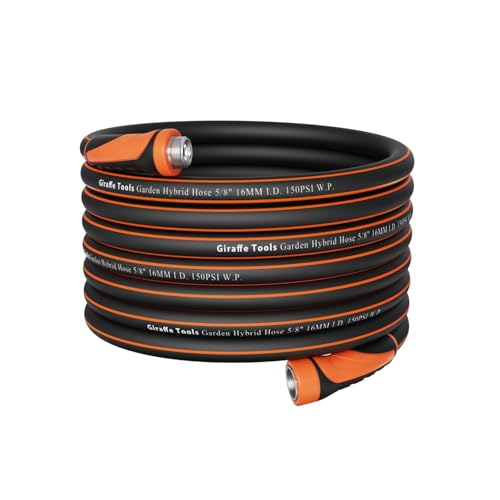
Low-pressure systems often work better with soaker hose or simple drip lines than with spray heads. If the supply is weak, start with one bed, test coverage, and verify that water reaches the intended depth. A hose timer is useful only if the output actually soaks the root zone.
How do you tell if plants need water or are just heat-stressed?
Afternoon wilt is not always thirst. Heat-stressed plants can droop even when the soil is moist, then recover by evening or the next morning. True water shortage usually shows dry soil below the surface, droop that persists overnight, and a plant that stays limp after the sun drops.
Heat wilt versus dry-soil wilt in the afternoon
In a hot afternoon, leaves may hang limp because the plant is transpirating faster than the roots can keep up. If the soil is still damp at depth, wait before watering again. If the soil is dry and the plant is still drooping by morning, that is a watering problem.
Use a trowel or spike-style moisture meter to confirm
Dig a small test hole or push in a spike-style water meter. Check the first few inches, then go deeper near the root ball. If the lower soil is dry, water deeply. If only the surface is dry, mulch and shade may be the better move for the moment.
What plants usually show stress first
Droopy leaves are a drought indicator, and squash or cucumber often wilt first. They have large leaves and high water demand. Shallow-rooted annuals, container plants, and new transplants also show stress fast. Woody shrubs usually hold on longer before they show obvious wilt.
Hot-weather watering decision table
Use this table when heat, wind, and water limits make every gallon count. It ties plant type, bed type, visible stress, and the next move into one quick check.
| Plant type | Bed type | Visible stress | Watering method | Depth check | Interval |
|---|---|---|---|---|---|
| Tomato, pepper, eggplant | Ground bed | Leaves limp by morning, soil dry at 4 inches | Root-zone watering with wand or drip | Check to 10 inches with trowel or meter | Deep soak, then wait until top 2–3 inches dry |
| Squash, cucumber, melon | Raised bed | Afternoon droop, recovered by evening | Soaker hose along row | Check 4–6 inches down, then again near root depth | More often than ground beds in heat |
| Leafy greens | Raised bed | Edges crisp, surface dry fast | Slow soak at soil level | Check 3–4 inches down | Shorter interval; keep evenly moist, not soggy |
| Herbs | Ground bed | Soft wilt, but soil still cool below surface | Hold water if soil is moist; water only if dry below top layer | Use meter or trowel | Less often than vegetables |
| Container annuals | Pot or planter | Fast wilt, container feels light | Root-zone watering until runoff starts | Check full pot depth | Daily in heat if needed |
| Young tree or shrub | Ground bed | Leaves dull, new growth droops | Deep watering around drip line | Confirm moisture to 10 inches | Infrequent but deep |
How do you keep water from evaporating so fast?
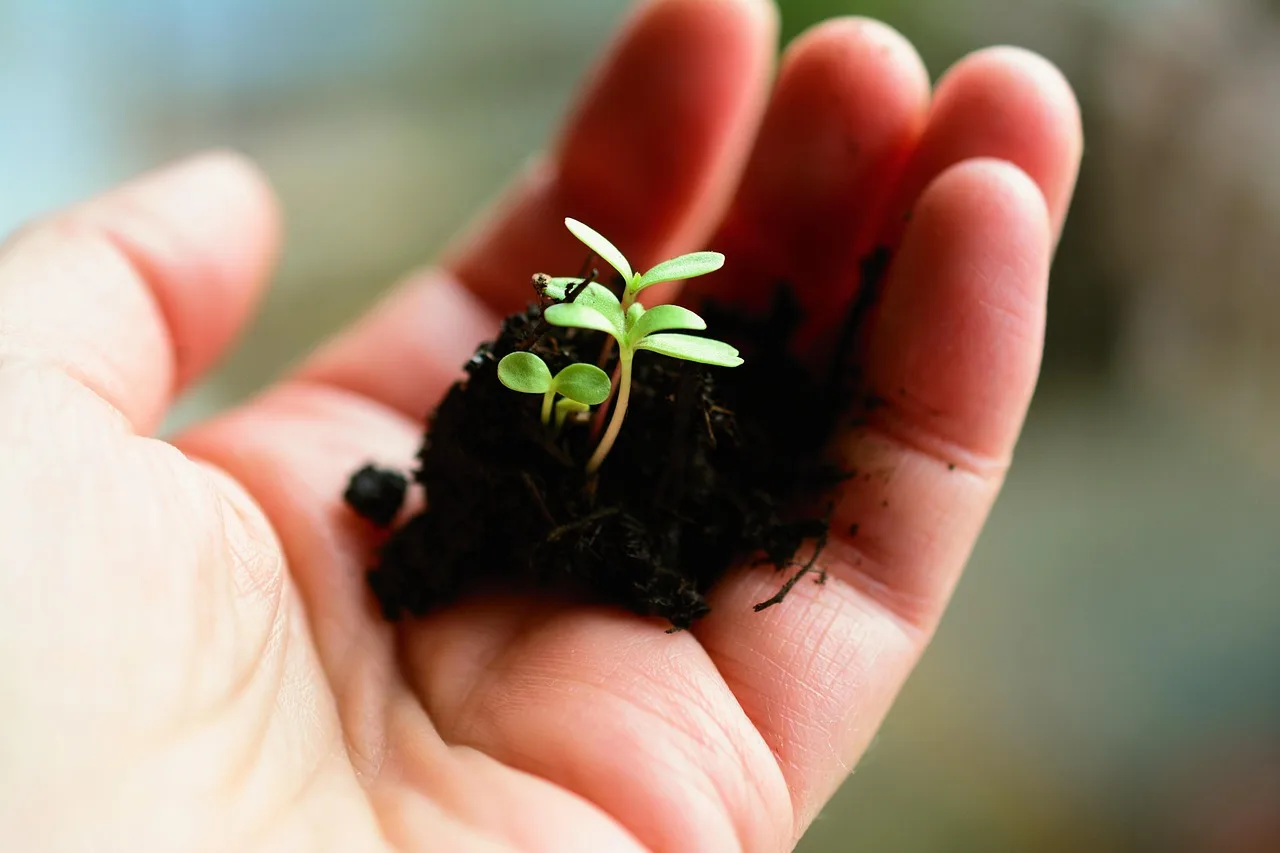
Mulch, compost, shade cloths, windbreaks, and rain barrels each cut waste in a different way. Mulch slows surface evaporation and weeds. Compost improves water-holding, especially in sandy soil. Shade cloths and windbreaks reduce water loss in hot, drying weather. Rain barrels help where allowed and when set up to feed nearby beds.
Mulch to slow evaporation and suppress weeds
A mulched bed stays cooler at the surface and loses less moisture between soakings. It also blocks weed growth, which matters because weeds steal water from the same root zone you are trying to protect. Keep mulch pulled back from stems so the crown does not stay wet.
Compost to improve water-holding, especially in sandy soil
Compost improves the soil’s ability to hold water and slows how fast it moves past the roots. That matters most in sand, where irrigation can drain through too quickly. It also helps cut runoff and leaching, so more of the water stays where the plant can use it.
Shade cloths, windbreaks, and rain barrels in the right setup
Shade cloths reduce direct sun load, and windbreaks cut drying from hot air movement. Both can help during a heat wave. Rain barrels collect unchlorinated water from roof runoff; a 1,000-square-foot roof can yield 625 gallons from one inch of rain. They are useful, but they are not a full irrigation plan.
How deep should I water vegetable beds in dry weather?
For established vegetable beds, water deeply enough to wet the root zone at least 10 inches down. Shallow watering trains roots to stay near the surface, where heat and drought hit hardest. Deep watering, then waiting until the soil dries near the top, is the safer pattern.
How to verify water reached the intended depth
After irrigation, wait a bit, then probe the bed with a trowel or moisture meter. If the lower layer is still dry, keep watering. If the soil is wet at depth but not soggy, stop. That check is the difference between a useful soak and a cosmetic one.
What to do in sandy soil
Sandy soil often needs smaller, more frequent deep soaks because it drains quickly. Compost helps, but the schedule still has to respect the soil’s speed. A fast surface application is usually wasted here; a slower method gives the water time to move down instead of away.
What happens if I water too much in hot weather?
Overwatering in heat can be just as harmful as drought. Roots need oxygen as well as water, and soggy soil can push air out of the root zone. That leads to root rot, weak growth, and shallow rooting, where plants become more dependent on frequent watering and less able to handle heat.
Root rot and shallow rooting are the main failure cases
Root rot often shows up after repeated soaking without dry-down time. The plant may look tired, but the issue is not thirst. Shallow rooting happens when water is always near the surface. The plant never learns to send roots deeper, so it becomes fragile in the next hot spell.
Frequently asked questions
How often should I water my garden in hot, dry weather?
Water when the top 2–3 inches of soil are dry, not on a fixed calendar alone. In heat, that may mean daily for containers and every few days for in-ground beds. The right interval depends on plant type, soil texture, wind, and whether mulch is in place.
What time of day is best to water plants in summer heat?
The best time is between 4 AM and 9 AM. That timing lowers evaporation and gives plants time to dry off before nightfall. If morning is impossible, water at the root zone later in the day, but expect more loss and greater disease risk on wet foliage.
Should I water vegetables from above or at the root zone?
Watering at the root zone is generally better for most vegetable beds. It keeps leaves dry, cuts disease risk, and sends water where roots can take it up. Overhead watering is mainly useful for seed starting or a temporary emergency, not as the main method during a heat wave.
Are soaker hoses better than sprinklers during a heat wave?
Usually yes. Soaker hoses send water slowly along the soil line, and up to 90% of water can go to plants. Sprinklers lose more to evaporation and wet areas that do not need water. For beds and rows, soaker hoses are usually the better tool.
How deep should I water vegetable beds in dry weather?
For established plants, aim to wet the soil at least 10 inches down. That reaches the active root zone and discourages shallow rooting. Use a trowel or moisture meter after watering to check the depth, because surface dampness alone can be misleading.
How can I tell if my plants need water or are just stressed by heat?
Check the soil, not only the leaves. If plants droop in the afternoon but recover by evening and the soil is moist below the surface, it is probably heat stress. If droop persists and the soil is dry at depth, water deeply and recheck the next morning.