4 Best Irrigation Methods for Sandy Soil Gardens (2026): we compared
Use drip irrigation or micro-sprinklers on short, frequent cycles, with a modest amount of water each time, repeated before the root zone dries. In sandy soil, sloppy watering pushes moisture and nutrients below roots fast, so plants stress and water goes to waste. I use this guide to sort system choice, layout, emitter spacing, and timing for sandy beds.
This guide is part of our Irrigation systems for home gardens series.
What is the best irrigation method for sandy soil?
Drip irrigation is the best default for most sandy soil gardens because it sends water slowly to the root zone instead of soaking the whole surface. Sandy soil drains fast and holds little water, so the job is to apply smaller amounts more often, not long soak cycles that carry moisture past the roots.
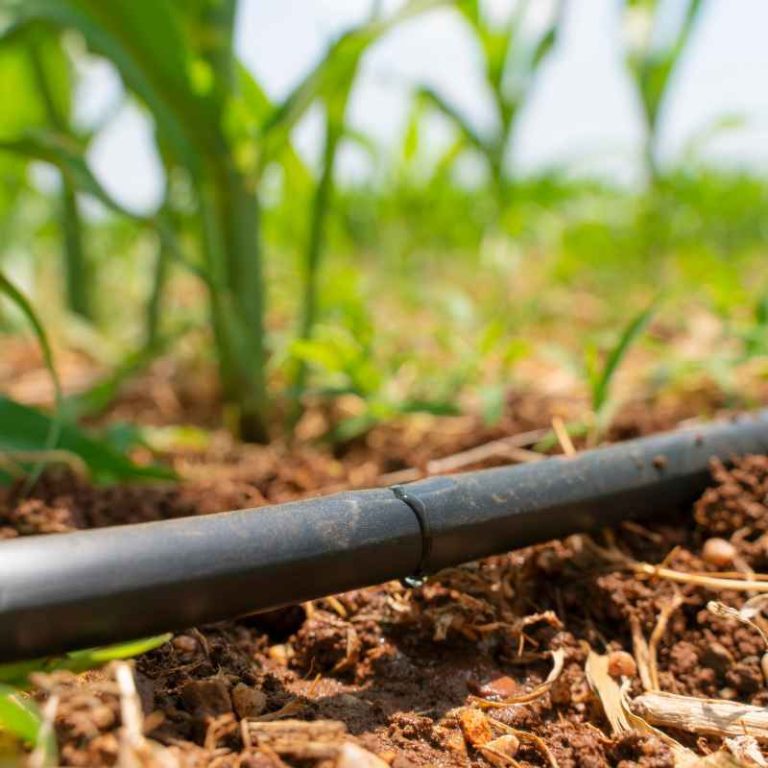
Drip irrigation works through valves, pipes, tubing, and emitters, and that slow delivery is why it beats sprinklers in sand. It can use water better than surface or sprinkler irrigation because the water reaches the roots before it moves down out of reach. Drip was invented in Israel in the 1960s, and the same logic still fits dry, fast-draining beds. (en.wikipedia.org)
When another method can beat drip
Micro-sprinklers can fit mixed plantings, broad root zones, or new beds that need wider coverage than a few emitters can give. Soaker hose can also work in long, straight beds when simplicity matters more than precision, but it is less exact in very sandy soil.
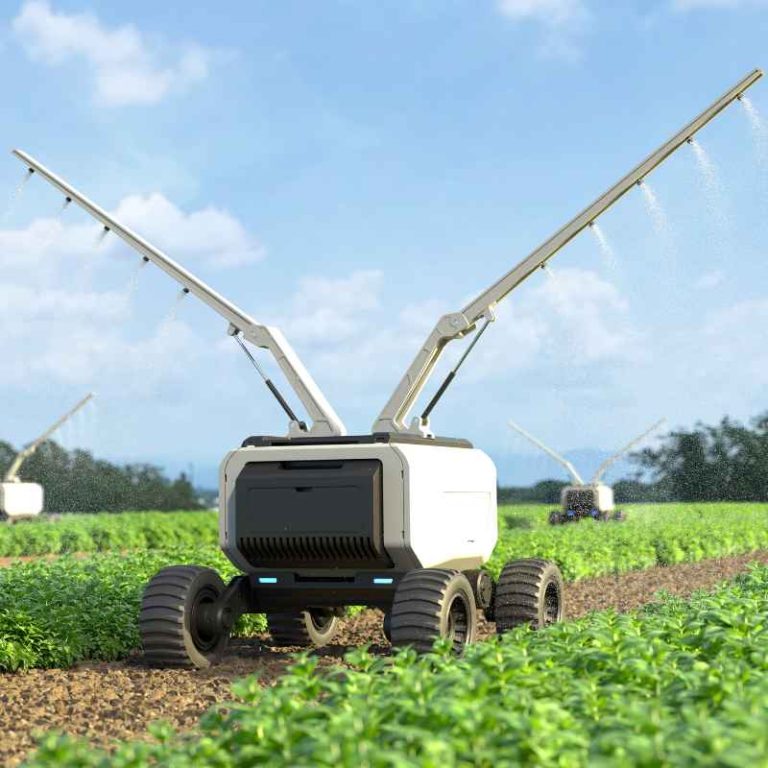
Sprinklers are usually the weakest option for sandy beds because they wet more area than the roots need and lose more water to evaporation and drift. They can still work for temporary coverage or turf, but they are rarely my first pick for vegetable rows, shrubs, or perennials in coarse sand.
According to Drip irrigation — Drip irrigation was invented in Israel in the 1960s. (source)
Quick comparison
| Product | Badge | Best for | Price | ||
|---|---|---|---|---|---|
 | Solar Drip Irrigation System, 490 Timer Modes, 50FTbeday | Our pick | 50FT solar drip kit for 15 potted plants | $44.99 Price as of 2 Oct 2026 | View |
 | Rocky Mountain Goods Soaker Hose – Heavy duty rubber –Rocky Mountain Goods | Budget pick | 50-foot heavy duty rubber soaker hose | $27.95 Price as of 2 Oct 2026 | View |
 | Rachio 3 Smart Sprinkler In-Ground WiFi IrrigationRachio | Upgrade pick | Rachio 3 8-zone WiFi smart irrigation controller | $195.00 Price as of 2 Oct 2026 | View |
 | Pawfly 100 ft 1/4 Drip Irrigation Tubing, 1/4" EmitterPawfly | Also great | 100 ft 1/4" pre-punched emitter drip tubing | $9.79 Price as of 2 Oct 2026 | View |
 | Wireless Soil Moisture Meter for Plants,4 SensorsVodeson | Pair with it | 12-zone wireless soil moisture meter with 4 sensors | $69.99 Price as of 2 Oct 2026 | View |
This guide favors methods that place water in the root zone and repeat short cycles before the bed dries out. The right choice changes with bed shape, plant spacing, and how fast your sand drains.
A narrow vegetable row needs a different layout than a broad shrub bed. That is where emitter spacing, tubing run length, and cycle timing matter more than the label on the irrigation kit.
How we chose
The comparison below focuses on water placement in the root zone, fit for fast-draining soil, ease of layout and maintenance, clogging and pressure requirements, and usefulness for vegetables, perennials, and shrubs. Those criteria matter more in sand than in heavier soils.
We also weighed how each method handles uneven wetting, because coarse sand can leave dry pockets even when the surface looks damp. A system that is easy to install but poor at uniform coverage is a bad trade in these beds.
Drip irrigation: best for most sandy beds
- Pre-punched emitters eliminate need to punch holes
- Includes 12 essential components for complete drip kit
- Weather-resistant polyethylene tubing withstands UV and heat
Drip is the best pick for most sandy beds because it delivers water directly to plant roots and limits evaporation. It suits vegetables, perennials, and shrubs when spacing matches the root zone, and it fits gardens where water moves down too quickly for broad surface soaking.
What stands out here is control. In sandy soil, that matters more than flow volume. A well-laid drip line lets you water more often with less per cycle, which helps keep moisture available without pushing it below the root zone.
The drawback is that drip only works well when the source setup is right. It needs pressure regulation and a filter, and emitters can clog if sediment or mineral load is high. If the bed is laid out badly, the system can still leave dry bands between emitters.
Why slow, targeted delivery works in sand
Sandy soil drains in under an hour in many beds, so a fast application often disappears before roots can use it. Slow delivery cuts leaching and keeps the wetting pattern centered where roots are active. That is the main advantage of drip in coarse soil.
In practice, short cycles repeated through the week usually beat one long irrigation event. Long cycles can look thorough and still fail, because water drops below the active root zone before the surface has time to hold it.
Emitter spacing and layout starting points
In sandy beds, drip emitter spacing usually starts around 12–18 inches, then moves closer when plant spacing is tight or root zones overlap. Row crops, young shrubs, and dense perennial plantings often need tighter spacing than a widely planted ornamental bed.
For vegetables, it is often better to run tubing parallel to the row and place emitters close enough that the wetted bulbs meet. For shrubs, place emitters near the drip line of the canopy, not right at the stem. For perennials, match spacing to mature spread, not the size at planting.
Pressure regulator and filter requirements
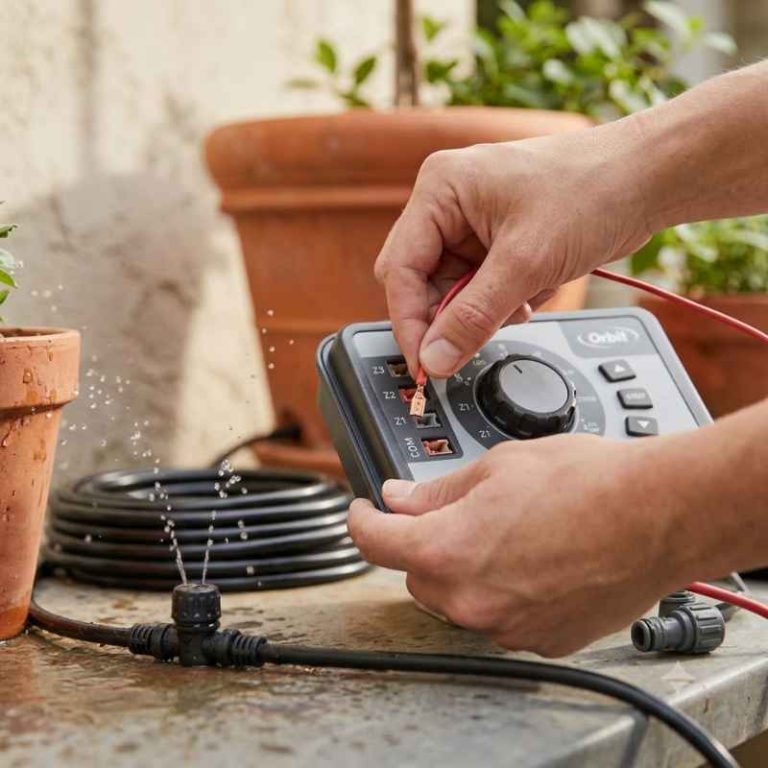
Drip irrigation should include a pressure regulator and a water filter at the source. The regulator keeps flow stable and prevents overpressurizing tubing and emitters, while the filter protects the line from sediment and debris, which matters even more with well water or hard water.
Without those pieces, clogging and uneven flow become common failure points. In sandy gardens, that gets confusing fast because the bed may look dry from one clogged emitter and oversaturated from another. Stable inlet pressure and clean water make diagnosis much easier.
Common mistakes that dry out the bed anyway
The biggest mistake is spacing emitters too far apart for the crop. The second is running one long cycle and assuming the bed is “done” because the top inch is damp. In sand, that often means the water has already moved below the feeder roots.
Another mistake is skipping mulch. Bare sand loses water quickly at the surface, and the top layer can dry into a crust while lower layers stay patchy. Drip under mulch performs better because the mulch slows evaporation and buffers soil temperature swings.
Soaker hose: best for long, simple bed runs
- Reduces water usage up to 70% vs sprinkling
- Heavy duty recycled rubber built to last seasons
- Quick attach reinforced fittings for easy extension
Soaker hose works best for long, straight beds where a simple layout matters more than pinpoint placement. It can reduce water use versus sprinkling and is easy to extend in a run, which makes it useful for flower borders and uncomplicated vegetable strips.
The drawback is precision. In very sandy soil, water can move unevenly around a soaker line, and if the run is too long or the cycle too long, part of the bed will be saturated while another part stays dry. It is less exact than drip emitters.
Soaker hose also depends heavily on soil absorption rate. In coarse sand, that can mean overrun lines waste water fast. Shorter cycles and smaller zones help, but the method still gives up control compared with a true drip layout.
Where soaker hose works well
Use soaker hose for long beds with similar plants and fairly even spacing. It is handy when the goal is to get water down without assembling a more detailed emitter grid. It also fits gardeners who want fewer parts and a faster setup.
It is a reasonable choice for seasonal plantings or temporary beds, especially when the bed is broad but not highly variable. If the soil is only moderately sandy and mulch is in place, the hose can perform acceptably with careful timing.
How to avoid overrunning the line
Start with short cycles and check whether the wetting front reaches the root zone without spreading past it. If water is moving through to the subsoil quickly, the line is running too long for that soil. In sandy beds, the safe move is usually shorter cycles, not longer ones.
Keep the run length conservative. Very long soaker lines can lose uniformity along the length, especially if water pressure or slope changes. If one end looks wet and the other end does not, the layout is asking the line to do too much.
Micro-sprinklers: best for mixed plantings that need broader coverage
- Automatic weather skips for rain, wind, and freeze
- Control and monitor zones from anywhere via app
- Flexible scheduling with adaptive weather intelligence
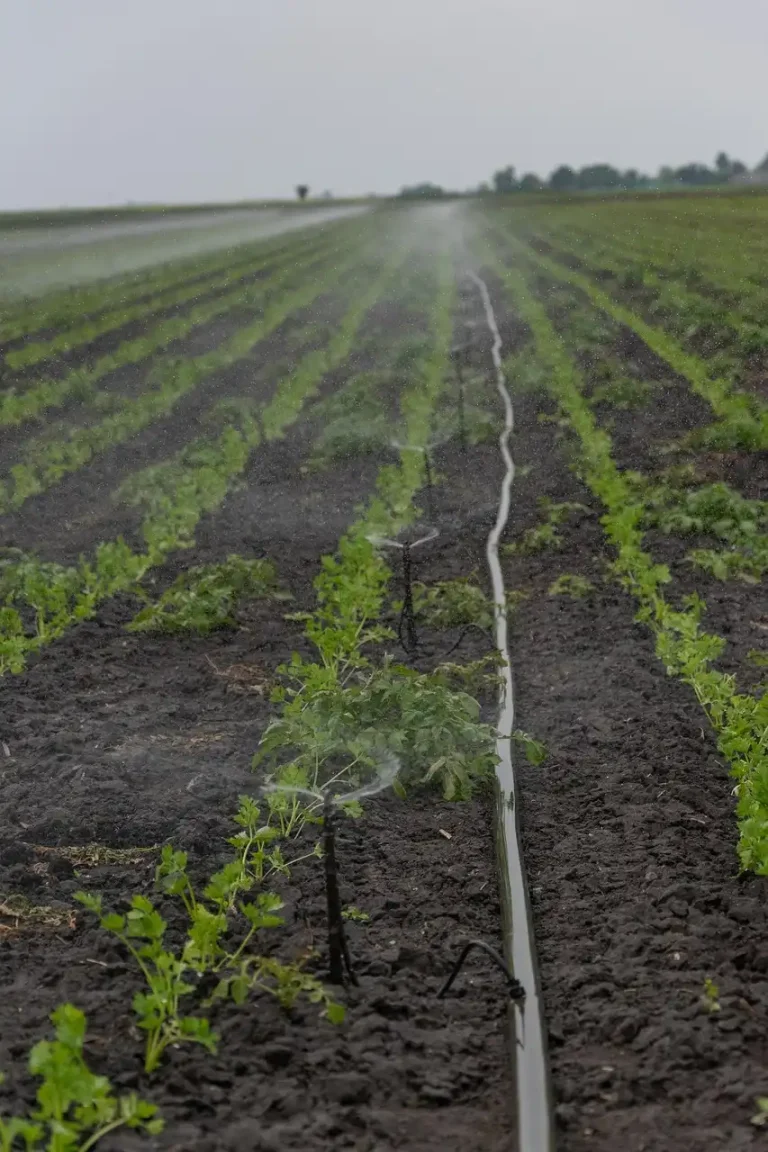
Micro-sprinklers make sense when a bed has mixed plant sizes, scattered root zones, or newly planted areas that need broader coverage than point-source drip. They are useful where you need a wider wetted pattern and do not want to place many emitters around each plant.
The drawback is that they wet more surface area, so evaporation is higher than with drip. In sandy soil, that means cycles should stay short and targeted. If the spray pattern is too broad or the run is too long, water can disappear before roots get much benefit.
Compared with drip, micro-sprinklers can cover more of the bed but may be less water-efficient. Compared with soaker hose, they are easier to aim and often easier to balance across mixed plantings. The tradeoff is greater exposure to wind and evaporation.
Why short cycles matter in sand
Short cycles can help keep water from moving too far down between applications. Sandy soil rarely benefits from a single long soak because the pore spaces are large and drainage is fast. Frequent, smaller doses usually produce a better root-zone pattern and less waste.
That is especially true in warm weather. A broad spray pattern can dry at the surface before the lower profile finishes soaking in. If the top looks wet but the plant still wilts by afternoon, the irrigation window is too shallow or too infrequent.
What does the sandy-soil irrigation decision table say?
The table below turns the system choice into a field checklist. It maps bed type, plant type, emitter spacing, cycle length, and failure signs so you can spot whether the bed needs tighter spacing, shorter cycles, or a different method entirely.
Use it as a starting point, then verify the pattern with a simple hole-and-soak test. Sandy beds often look fine on the surface while the root zone stays partly dry or the water drops below the roots.
| Bed type | Plant type | Starting spacing | Cycle length | Failure signs to watch for |
|---|---|---|---|---|
| Narrow vegetable row | Lettuce, beans, peppers | 12 inches, closer if plants touch | Short cycles, repeated often | Top dries fast, plants wilt midday, water appears below roots |
| Raised bed with mixed crops | Herbs, salad crops, compact roots | 12–18 inches | Short cycles, not one long soak | Dry gaps between emitters, uneven plant size, runoff at edges |
| Shrub border | Young shrubs, foundation plants | Closer near the drip line of each plant | Moderate cycles, repeated more often | Leaf wilt despite damp surface, water pooling at one spot |
| Perennial bed | Clumps with expanding root zones | 12–18 inches, adjusted for spread | Short cycles with closer monitoring | Dry pockets under mulch, patchy growth, leaching below roots |
| Newly planted sandy bed | Starts, transplants, container-adjacent beds | Tighter spacing than mature beds | Frequent small cycles | Surface looks damp but the root ball dries quickly |
Simple on-site test for coverage and infiltration
- Dig a test hole about 12 inches deep and 6 inches wide in a representative spot.
- Water the bed with the intended system and watch how fast moisture spreads.
- Check whether the wetted zone reaches the active roots without dropping well below them.
- Look under mulch for dry patches that are hiding a weak emitter pattern.
- If the surface stays dry but the root zone is wet enough, keep the timing; if water passes below roots, shorten the cycle.
Which irrigation method should you buy?
For vegetables in sandy soil, buy drip irrigation first. For perennials and shrubs, drip still wins unless the bed is broad and mixed, in which case micro-sprinklers can help. For newly planted beds, choose the system that gives the tightest control over short, repeated watering cycles.
If budget is tight or the bed is temporary, a soaker hose can be a practical stopgap for straight runs. For container-adjacent sandy beds and small patio plantings, a compact solar drip kit can be useful because it keeps water near the potting root zone without constant manual watering.
Best pick for vegetables
Drip irrigation is the strongest choice for vegetable beds because vegetables respond poorly to swings between dry pockets and deep leaching. Tighter emitter spacing helps keep the root zone even, especially for rows with frequent harvests and shallow feeder roots.
Best pick for perennials and shrubs
Drip also works best for most perennials and shrubs, but the layout should match mature spread. Place emitters near the active root area and plan for wider spacing only when plants are established and roots have filled the bed.
Best pick for newly planted beds
New plantings benefit from frequent small doses because the root ball dries quickly in sandy soil. Drip or micro-sprinklers can work here, but the smaller the root system, the more important it is to keep the wetting pattern close and consistent.
Best pick for low-budget or temporary setups
A soaker hose can be the low-cost temporary answer when the bed is straight and the plants are similar. It is simpler to deploy than a full drip grid, but it needs close attention in sand because overwatering can move past the intended root depth fast.
How often should you water a sandy soil garden?
Sandy soil usually needs water more often than heavier soil because it drains quickly and stores less moisture. A practical starting point is daily or every other day for some beds, then adjust based on plant size, weather, and how quickly the root zone dries between cycles.
Frequency matters more than large volume in this soil type. Short, repeated irrigations keep plants from cycling between stress and oversaturation, while one long soak often sends water below the active roots. The right interval depends on the bed, but the pattern should stay frequent.
Should sandy soil be watered deeply or frequently?
Sandy soil should usually be watered frequently with smaller amounts rather than with long deep soaks. The reason is simple: deep cycles can move water below the roots before the soil has time to hold it, while frequent small cycles keep moisture available where plants can use it.
That does not mean “shallow” watering. The goal is to wet the active root zone without flooding past it. If plants look stressed soon after watering, the cycle is probably too short or too widely spaced, not necessarily too small in total volume.
How do you keep sandy soil from drying out too fast?
Mulch and organic matter are the two best supports for slowing moisture loss in sandy beds. Mulch reduces evaporation and helps stabilize soil temperature, while compost or other organic matter improves water-holding capacity over time. Neither fix works instantly, but both make irrigation more forgiving.
Apply compost in 2–3 inch layers or incorporate it seasonally, then repeat as the bed matures. The change is gradual, not immediate. Sandy soil benefits from repeated additions over multiple seasons because structure builds slowly.
Using mulch with drip lines
Drip lines can sit below mulch or on top of it, but coverage is usually better when the mulch is in place over the wetted zone. Mulch also helps hide dry surface crusting that can fool gardeners into watering too late or too long.
Watch for dry pockets under mulch. Coarse sand can stay dry in bands even when the top layer seems moist. A finger test below the mulch tells more than the color of the surface.
Can soaker hoses work in sandy soil gardens?
Soaker hoses can work in sandy soil gardens, but they are best in long, simple runs where the soil is not extremely coarse and the plants have similar needs. They are less precise than drip emitters, so they are easier to overrun in very sandy beds.
If the hose is used, keep cycles short and check the root zone often. In sand, a soaker line can wet the surface while failing to maintain moisture where roots actually feed. That makes it a practical backup, not the top solution.
Do I need a pressure regulator and filter for drip irrigation?
Yes, a pressure regulator and a water filter are part of a reliable drip setup. The regulator protects tubing and emitters from overpressure, and the filter keeps sediment and debris from clogging the line. They are especially important with well water or mineral-heavy supply.
Install both at the source spigot or supply point before the drip lines. Skipping them often leads to uneven flow, clogged emitters, and confusing wet-dry patches in the bed. In sandy soil, those problems are easier to mistake for bad timing.
How much water does a sandy soil garden need?
A sandy soil garden usually needs smaller applications repeated more often, not a single large watering. A practical starting range is about 0.25 to 0.5 inch per watering, then adjust for heat, plant size, and how fast the soil dries after the cycle ends.
That range is only useful if the water stays in the root zone. If it disappears below the roots, the amount is too high for that cycle or the irrigation run is too long. If plants still wilt and the top dries immediately, the interval is too long or the spacing is too wide.
What irrigation system works best for vegetables in sandy soil?
Drip irrigation is the best irrigation system for vegetables in sandy soil because it places water where shallow feeder roots can reach it and makes it easier to repeat short cycles. Vegetables dislike wide swings in moisture, and drip is the cleanest way to reduce that swing.
For row vegetables, use tighter emitter spacing and keep lines close to the crop line. For wider beds with mixed vegetables, a drip grid can work better than a single hose run because it reduces dry gaps and keeps each section more uniform.
Frequently asked questions
What is the best irrigation method for sandy soil?
Drip irrigation is the best default for most sandy soil gardens because it sends water directly to the root zone and limits evaporation. It is more efficient than sprinklers in fast-draining soil, and it is easier to match to vegetables, shrubs, and perennials when the bed layout is planned well.
How often should you water a sandy soil garden?
Sandy soil often needs daily or every-other-day watering during warm, dry periods, especially for vegetables and new plantings. The right interval depends on plant size and weather, but smaller, more frequent cycles usually work better than long watering sessions that push moisture below the roots.
Is drip irrigation better than sprinklers for sandy soil?
Yes. Drip is usually better because it places water in the root zone instead of wetting a larger surface area. Sprinklers lose more water to evaporation and drift, and in sandy beds they can also leave the soil too wet at the top while the root zone still dries out.
How far apart should drip emitters be in sandy soil?
A good starting point is 12–18 inches apart in sandy beds, then closer for row crops or compact root systems. The spacing should match plant spacing and root spread. If the bed has larger plants or uneven root zones, tighter spacing usually gives better coverage and fewer dry gaps.
Do I need a pressure regulator and filter for drip irrigation?
Yes. A pressure regulator keeps flow stable and protects tubing and emitters from overpressure, while a filter helps prevent clogging from sediment and debris. They should be installed at the source before the drip lines, especially if the water supply has minerals, grit, or well-water sediment.
Can soaker hoses work in sandy soil gardens?
They can, but only as a simpler option for long, straight beds with similar plants. Soaker hoses are less precise than drip emitters, so in very sandy soil they can waste water or leave uneven wetting if the line runs too long or the cycle runs too long.