Best Irrigation Systems for Raised Beds (2026): we compared
For raised beds with uneven water pressure, the best irrigation system is pressure-compensating drip on separate zones, set to about 25 psi with a filter; if bed-to-bed pressure varies more than 10 psi, split the system. Bad pressure control leaves some beds dry and others flooded, wasting water and causing uneven growth. This guide shows how to match emitters, regulators, tubing, and zoning to the pressure problem.
This guide is part of our Irrigation systems for home gardens series.
Quick comparison
| Product | Badge | Best for | Price | ||
|---|---|---|---|---|---|
 | 6 Pcs Drip Irrigation Kit with 25 PSI Garden Hose PressureNiuohoy | Our pick | with 25 PSI Garden Hose Pressure Regulator | $13.99 Price as of 29 Sep 2026 | View |
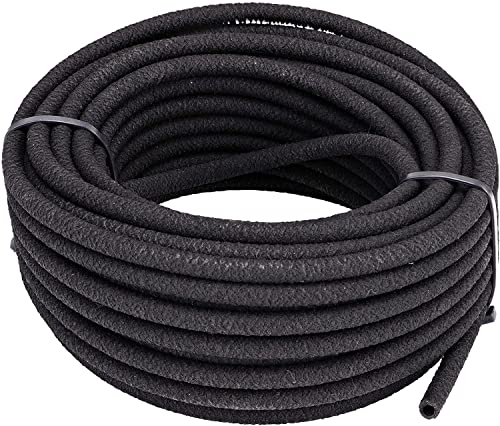 | Raindrip 015005T 1/4-Inch by 50-Foot Soaker Hose Tubing forRaindrip | Budget pick | 50 ft · 1/4 in. soaker tubing | $11.41 Price as of 29 Sep 2026 | View |
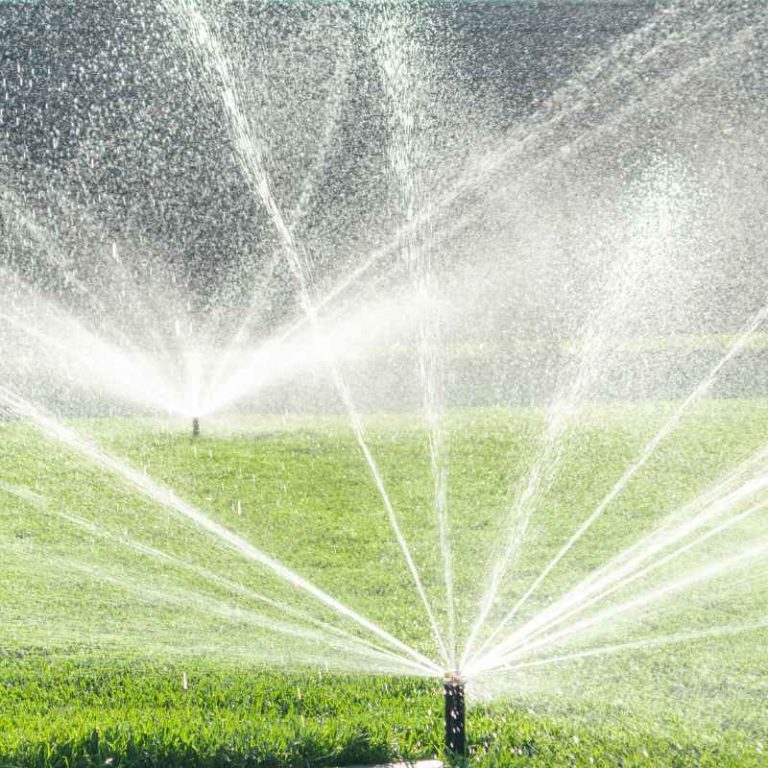
 | Gilmour Adjustable Rectangular Lawn Sprinkler, WaterGILMOUR | Pair with it | $12.99 Price as of 29 Sep 2026 | View | |
 | Rain Bird ILD2010PKXS Drip Emitter, 2 GPH, 10-PackRain Bird | Also great | 2 GPH · 10‑pack drip emitters | $6.27 Price as of 29 Sep 2026 | View |
For mixed-pressure raised beds, pressure-compensating drip line with a low-pressure regulator and a suitable filter is often a practical default. It handles long runs and distance changes better than soaker hose or drip tape.
Use the cheaper options only when the beds are short, temporary, and close to the source. Once the last bed starts running dry, zoning matters more than the emitters.
How we chose
The main filter was pressure behavior in real use, not just bed size. Static pressure, dynamic pressure, and friction loss change the answer fast.
Bed length and distance from the source mattered too. A 6-foot bed near a hose bib is a different problem from four beds stretched across a side yard.
We also looked at how easily each setup balances across several beds, how well it fights clogging, and whether the parts can scale into a better system later.
Pressure-compensating drip line kit: best for uneven runs
- Stable & consistent water flow via preset 25 PSI regulators
- Durable high‑strength POM construction for long‑term use
- Tool‑free hand‑tightened install on standard 3/4" hose
This is the best overall choice for raised beds with mixed pressure. I like it most when the source is a hose bib or municipal line and the beds sit at different distances. Based on the spec sheet and owner feedback, the preset 25 PSI regulator and steady output make it the most forgiving option when the first bed tends to run strong and the last bed runs weak.
Pressure-compensating emitters hold output steadier as pressure shifts, which matters on long runs, slight slopes, and multi-bed layouts. For raised beds, this is the setup most likely to keep each row close to the same moisture level without constant tinkering.
The drawback is cost and setup discipline. If the line is kinked, undersized, or fed from too many beds at once, even pressure-compensating parts cannot fix a bad layout.
Why pressure-compensating emitters hold output steady
Pressure-compensating emitters are built to reduce flow swings as inlet pressure changes. That makes them a better match for uneven supply than standard drip points, especially when the source pressure dips as other fixtures turn on.
Fixed-flow options like 1 GPH and 2 GPH are easier to predict than porous hose or random seepage lines. They also make troubleshooting simpler because a dry bed is easier to trace back to pressure loss, not mystery output.
Where 0.5-1.0 gph emitter spacing fits best
Emitter spacing around 0.5 to 1.0 GPH per emitter suits most vegetable beds with moderate soil and regular crop spacing. It is a good fit when you want even wetting without flooding the root zone.
That range works best when the line is short to medium length and the bed is not starving for pressure. It is less forgiving if you try to stretch one run across too many beds.
Why this setup beats porous hose for consistency
Porous hose and similar seep-based products vary more with pressure, aging, and clogging. Their output often changes along the length of the line, so the first section wets harder than the far end.
Drip line with consistent emitters is easier to size and repeat. That matters when the source is uneven and the goal is equal coverage from bed to bed.
Parts stack: filter, regulator, mainline, branches
The order matters. Put the filter upstream of the emitters, then the pressure regulator, then the mainline, then the branches that feed each bed. For drip systems, a mid-range filter and a low-pressure regulator are a common starting point.
A 1/2-inch mainline cuts friction loss better than narrow feed hose, and 1/4-inch branches work well for short distribution into each bed. If the run gets long, keep the mainline larger as long as practical before stepping down.
Drip tape kit: best for short temporary beds
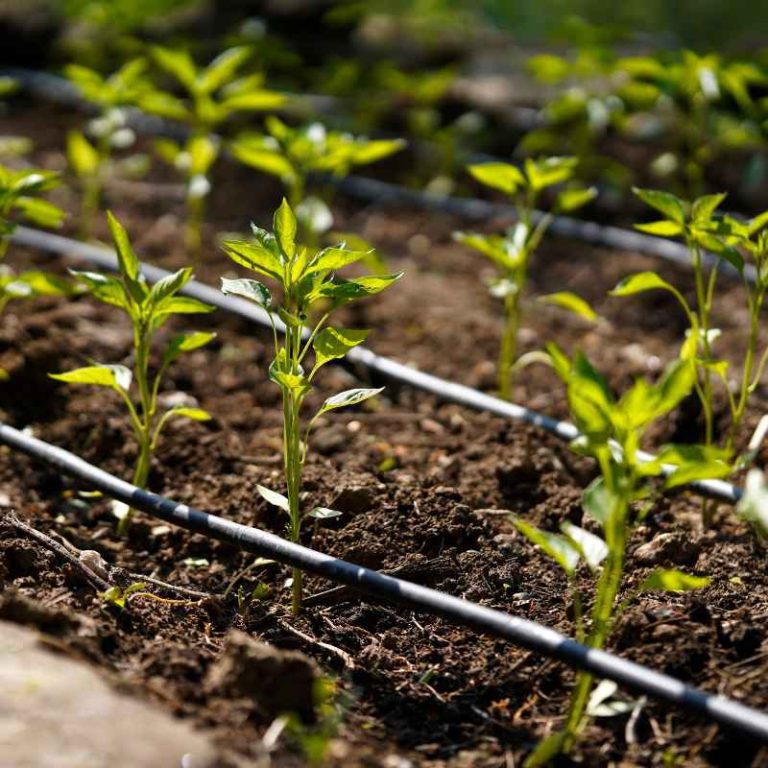
Drip tape is a good answer for short, temporary vegetable beds where the layout stays simple and the pressure stays fairly calm. It is cheap to deploy and easy to replace, but it is more sensitive to pressure swings than drip line.
It is a practical choice when all beds are close to the source and the run lengths are short. If one bed sits much farther away, drip tape can start to show uneven output faster than pressure-compensating drip line.
Where drip tape works well
Drip tape makes sense for seasonal beds, short rows, and setups that get torn down often. It performs best when each run is similar in length and the system stays on flat ground.
It can also work in small gardens fed from a hose bib, but only if the pressure is tamed and the line count stays modest. Long, branching layouts are where it starts to break down.
Why thin-wall tape is more sensitive to pressure swings
Thin-wall tape responds quickly to changes in pressure. That can be useful in a controlled setup, but it becomes a problem when the source is variable or the line is long.
Once pressure falls, the far end often gets less water first. If the system is feeding several raised beds, the last bed can run dry while the first still looks fine.
When it stops being worth the hassle
Drip tape stops being the right choice when the beds are far apart, the source pressure changes during the day, or you need long-term durability. At that point, the time spent adjusting often costs more than the cheaper parts save.
It is also a poor fit for mixed zone lengths unless each zone is very carefully matched. A short bed and a long bed should not be forced onto the same tape layout if equal coverage matters.
How to keep runs short and even
Keep each tape run as short as possible and make the bed lengths similar within a zone. Use a manifold if the garden has several beds, and do not rely on one long line to feed everything evenly.
A pressure gauge helps here. If dynamic pressure drops hard when the system turns on, the tape will show it quickly.
Soaker hose setup: best for lowest upfront cost
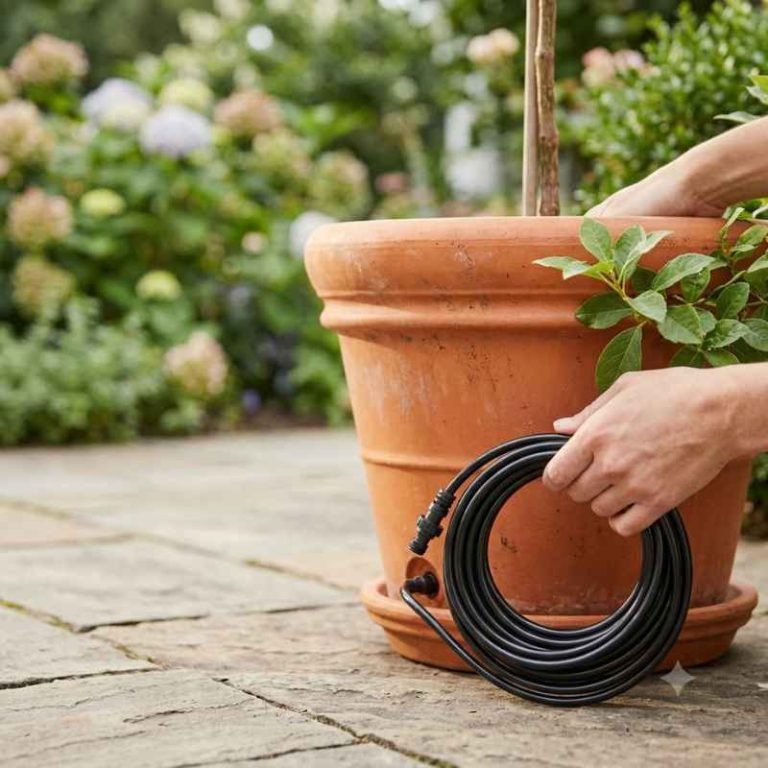
Soaker hose can work for short raised beds with mild pressure variation, especially when the budget is tight and exact output is less important. It is simple, but it is also the least precise option here.
Because output depends on hose condition, pressure, and clogging, it is usually the first system to drift out of balance as beds get farther from the source. That makes it a backup, not the best answer for uneven pressure.
Why it can work on short beds with mild pressure variation
On a short bed with small pressure shifts, a soaker hose can wet the root zone well enough. For herbs, leafy crops, and compact beds, that may be all the garden needs.
It is easier to install than a full drip layout, and the parts are often cheap. That makes it attractive for a quick setup near a hose bib.
Where output becomes uneven
Output often gets uneven on longer runs and on beds far from the source. The first section may seep hard while the far end barely moves water.
That unevenness gets worse when pressure changes under load. If a sink or washing machine comes on, the soaker hose usually shows it before a pressure-compensating drip system does.
What to expect from clogging and wear
Soaker hose tends to clog, harden, and age unevenly. It also becomes less predictable as mineral buildup or soil intrusion accumulates.
For raised beds, that means more inspection and more replacement. It is not the best long-term answer when pressure consistency matters.
When to skip it for raised beds
Skip soaker hose when you need equal output across multiple beds, when the source pressure changes during the day, or when the last bed already runs dry on other systems. It is the wrong tool for a pressure problem that needs control.
Use it only when simplicity and low upfront cost matter more than precision.
Raised-bed pressure decision table
| Source type | Pressure behavior | Bed length / zone size | Recommended hardware stack |
|---|---|---|---|
| Hose bib | Often decent static pressure, but dynamic pressure drops when other fixtures run | Short to medium beds; 2-4 beds per zone if distances are similar | Backflow-safe hookup, 150-200 mesh filter, 25-30 psi regulator, 1/2-inch mainline, 1/4-inch branches, pressure-compensating drip line |
| Rain barrel | Low pressure, gravity-fed, highly sensitive to elevation and line length | Very short beds near the barrel; usually 1-2 small beds per zone | Large-diameter supply, minimal fittings, short drip runs, low-flow emitters; avoid long branches and long tape runs |
| Well water | Can swing during pump cycles; pressure may rise and fall under load | Medium zones with careful balancing; separate longer beds from shorter ones | Pressure gauge, filter, regulator matched to system limits, manifold or zone valve, 1/2-inch mainline, pressure-compensating drip line |
| Municipal supply | Usually stable at rest, but can dip under household demand | Multiple beds if split into zones; avoid very long single runs | Pressure gauge before and after regulator, filter, 25-30 psi regulator, manifold or zone valve, 1/2-inch mainline, 1/4-inch branches |
Which one should you buy
If your beds are close to the source, a short drip tape layout can be enough, but only if the run lengths are similar and the pressure stays steady. If you want the simplest fix for mixed pressure, the pressure-compensating drip line kit is the better buy.
If the last bed runs dry, do not keep adding emitters to the first bed. Split the line into zones or shorten the runs.
If pressure changes when other fixtures turn on, put a pressure gauge on the system before and after the regulator. That tells you whether the issue is supply pressure, regulator sizing, or friction loss in the line.
If you need to split many beds into zones, a manifold or zone valve is usually the right fix. That is better than forcing every bed onto one line and hoping the far end catches up.
If you want the simplest fix for mixed pressure and different bed lengths, use pressure-compensating drip line, a 150-200 mesh filter, a 25-30 psi regulator, and a larger mainline. That combination gives you the best chance of even coverage without constant adjustment.
How do I zone a raised-bed irrigation system when pressure is uneven?
Zone by bed length, distance from the source, and expected pressure drop, not just by garden shape. Keep beds with similar run length on the same zone, and separate the far beds from the near beds when the pressure loss becomes visible.
A manifold or zone valve is the cleanest way to split the system. It reduces the load on any one line and helps each zone operate inside the pressure range its parts can handle.
When a manifold beats one long line
Use a manifold when one source is trying to feed several raised beds at different distances. It helps isolate the weak section so the first bed does not steal pressure from the last one.
It also makes maintenance easier. If one zone clogs or leaks, the rest can still run while you fix it.
Do I need a pressure regulator for a raised-bed drip system?
Yes, if you are using drip line, drip tape, or emitters from a hose bib, municipal line, or pump-fed source. A 25-30 psi regulator is the usual starting point for drip systems, and it belongs before the emitters or drip line, not after them.
The regulator protects the parts and keeps output from swinging as much. Without it, even a good layout can turn the first bed into a flood and the last bed into a trickle.
Static pressure versus dynamic pressure
Static pressure is what the gauge reads when the system is off. Dynamic pressure is what you get when water is actually moving, and that is the number that matters for the beds.
A system can look fine at rest and fail under load. That is why a gauge before the regulator and another after it are both useful.
How do I keep drip emitters working when pressure varies from bed to bed?
Use pressure-compensating emitters, keep the filter upstream of the emitters, and avoid overloading a single line with too many beds. If the pressure varies a lot, split the system into separate zones instead of trying to force one run to do everything.
Equal spacing helps too. A tidy layout with similar run lengths is easier to keep balanced than a tangled line with many sharp turns and mixed bed distances.
Checklist for the “first bed wet, last bed dry” failure
- Check the pressure gauge with the system off and again while it is running.
- Verify the regulator is installed before the drip line and set in the 25-30 psi range.
- Inspect the filter for clogging and confirm it is 150-200 mesh.
- Look for kinks, crushed tubing, tight bends, and long runs of narrow line.
- Compare the number of emitters on the first bed with the last bed.
- Split the beds into zones if the far bed still runs weak after the basics are fixed.
Can I run raised-bed irrigation from a hose bib and still get even coverage?
Yes, a hose bib can run even raised-bed irrigation if the pressure is measured, regulated, and split into reasonable zones. A hose bib is often a solid source, but pressure loss over long runs will still cause uneven output if the garden is stretched too far.
The biggest mistake is trying to feed too many beds from one outlet with small tubing. Use a 1/2-inch mainline, keep the branches short, and separate the far beds if the last one is weak.
How to test if the beds get equal water
Run the system for a set time, then check soil moisture at the first and last bed at the same depth. The goal is not a perfect reading; it is to see whether the far bed is clearly lagging behind the near bed.
If the first bed is soggy and the last is dry, the issue is usually pressure loss, not watering time alone.
What tubing size is best for multiple raised beds with different distances?
For multiple raised beds with different distances, a 1/2-inch mainline is usually the better choice because it reduces friction loss better than small supply tubing. Then use 1/4-inch branches to feed individual beds or short sections inside each bed.
The larger mainline keeps pressure more consistent before the water splits. That matters more as bed count and total run length increase.
Why line size affects pressure consistency
Small tubing creates more friction loss over distance. That loss shows up as weaker flow at the far end, especially when several beds are on the same run.
Keeping the mainline larger for longer gives the system a better chance to stay even. Step down to smaller tubing only where the run to the bed is short.
How do I fix dry spots caused by pressure drops in long irrigation runs?
Fix dry spots by reducing the length of each zone, using pressure-compensating emitters, and checking the line for friction loss, blockage, or kinks. If the dry spots keep showing up in the far beds, the system is too long for one zone.
The correct fix is often a manifold or extra zone, not more watering time. If the first bed is already taking the available pressure, adding runtime just makes the imbalance bigger.
Maintenance that keeps the system balanced
Flush the lines on a regular schedule, clean the filter, and inspect emitters for blockage. Pressure problems often look like clogging, and clogging often looks like pressure loss.
Mulch helps hold moisture in the bed, but it does not fix pressure imbalance. Timers can automate watering, yet they cannot correct a bad hydraulic layout.
Frequently asked questions
What irrigation system works best for raised beds with low or uneven water pressure?
Pressure-compensating drip line on separate zones is usually the best choice. It stays more even when supply pressure changes, and it handles long runs and mixed bed distances better than soaker hose or drip tape.
Should I use drip tape, drip line, or soaker hose for raised beds?
Use drip line for most raised beds, especially when pressure varies. Use drip tape only for short, temporary beds with similar run lengths. Choose soaker hose only when the budget is tight and precision matters less than getting water to the bed at all.
How do I keep drip emitters working when pressure varies from bed to bed?
Use pressure-compensating emitters, keep a 150-200 mesh filter upstream, and avoid overloading one line with too many beds. If one bed is much farther away, split it into its own zone so the pressure drop does not starve the others.
Can I run raised-bed irrigation from a hose bib and still get even coverage?
Yes, if you use a pressure regulator, a filter, and a layout that limits friction loss. A hose bib can feed even coverage, but only when the system is zoned well and the mainline is large enough to keep pressure from collapsing at the far end.
What is the easiest way to test if my raised beds are getting equal water?
Check a pressure gauge before and after the regulator, then compare soil moisture in the first and last bed after a normal run. If the near bed is wet and the far bed is still dry, the issue is usually pressure loss, not watering time.
How do I fix dry spots caused by pressure drops in long irrigation runs?
Shorten the zone, use a larger mainline, and move to pressure-compensating emitters or drip line. If the pressure gap is still large, split the beds into separate zones with a manifold or zone valve instead of trying to force one long run to do the job.