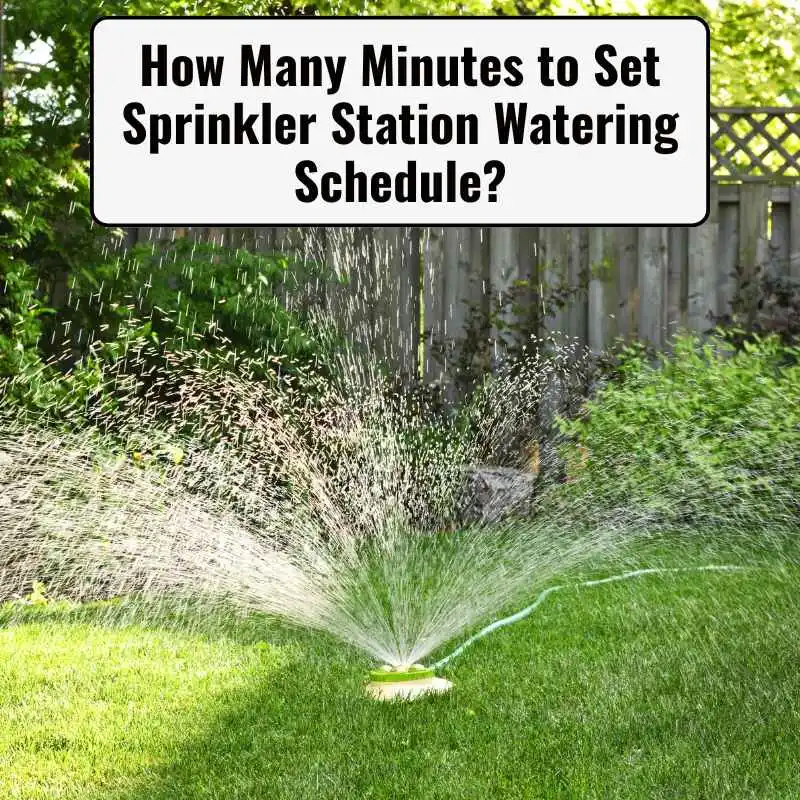
How Many Minutes to Set Sprinkler Station Watering Schedule?
Every homeowner wants a healthy lawn and thriving garden, but finding the right watering schedule can feel confusing. If you set your sprinkler stations for too many minutes, you waste water and risk plant disease. Too few minutes, and your grass turns brown or plants wilt. So, how many minutes should you set your sprinkler station for? The answer depends on your climate, soil, plants, sprinkler type, and other factors. This guide walks you through everything you need to know—step by step.
You’ll learn how to calculate the ideal watering time for your sprinkler stations, see real examples, compare different sprinkler types, and avoid common mistakes. Whether you’re a beginner or just want to improve your schedule, you’ll find practical advice and expert insights.
By the end, you’ll know exactly how long to run each station, saving water and growing healthier plants.
Understanding Sprinkler Station Basics
Before you decide how many minutes to set your sprinkler station, it’s important to understand what a station is and how it works. In most automatic sprinkler systems, a station (sometimes called a “zone”) controls one section of your yard. Each station usually has its own set of sprinklers or drip emitters, often grouped by plant type or location.
For example, one station might water your front lawn, while another targets flower beds or shrubs. When your controller starts a station, it opens a valve and runs water through the pipes to that area. You can set different watering times for each station, which is important because different plants and soil types need different amounts of water.
Common Types Of Sprinkler Heads
The type of sprinkler head in each station affects how long you need to run it:
- Rotary (rotor) heads: Spray water in a rotating stream. Used for large areas like lawns.
- Fixed spray heads: Spray water in a set pattern (quarter-circle, half-circle, etc.). Good for smaller areas.
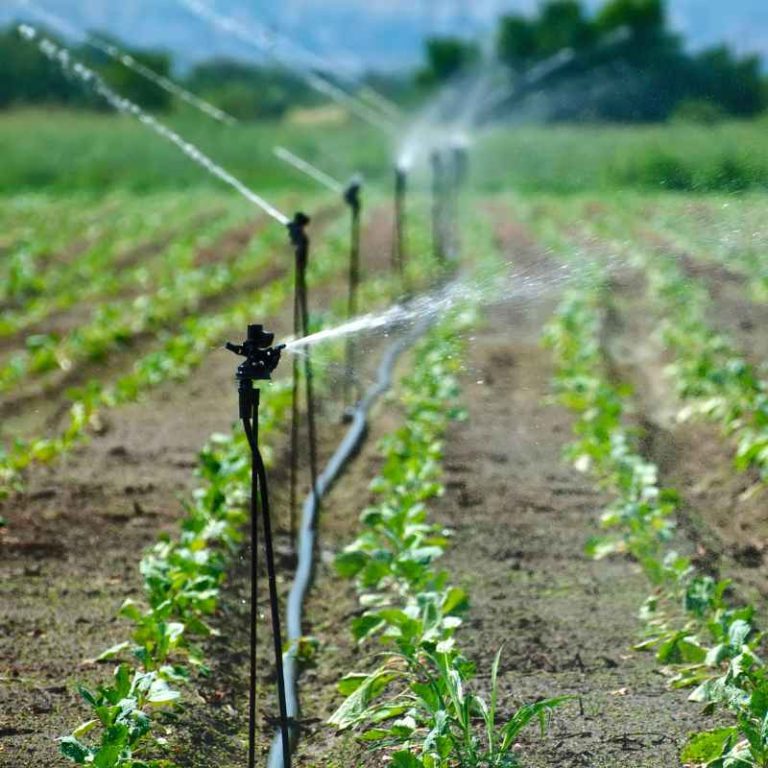
- Drip emitters: Deliver water directly to roots. Best for gardens, trees, and shrubs.
Each type applies water at a different rate. Knowing your sprinkler head type helps you set the right time.

Why Watering Time Matters
Setting the right watering time for each station is more than just convenience. It affects plant health, water bills, and even your local environment.
- Too little time: Roots stay shallow, plants dry out, grass turns yellow.
- Too much time: Water runs off, wastes money, encourages weeds and disease.
Proper watering helps roots grow deep, making plants stronger. It also reduces water waste, which is important as droughts and water restrictions become more common in many areas.
Factors That Influence Watering Time
Several key factors affect how many minutes to set for your sprinkler stations:
1. Soil Type
Soil holds and absorbs water differently. Here’s how:
- Clay soil: Holds water longer, but absorbs slowly. Water in short cycles to prevent runoff.
- Sandy soil: Drains quickly, needs more frequent watering.
- Loamy soil: Holds water well, absorbs at a moderate rate.
2. Plant Type
Different plants need different amounts of water:
- Grass lawns: Usually need more water than flower beds or shrubs.
- Native plants: Often need less water and tolerate dry conditions.
- Vegetables and annual flowers: Usually need more frequent watering.
3. Climate And Weather
Hot, dry climates require longer watering times. Cooler, humid areas need less. Rainfall also affects scheduling—skip watering after heavy rain.
4. Sprinkler Head Output
Each sprinkler head applies water at a specific rate, called “precipitation rate. ” Knowing this rate helps you calculate the right minutes for each station.
5. Slope And Sun Exposure
Areas on slopes lose water faster due to runoff, so shorter, repeated cycles are better. Sunny spots dry out faster and may need more water.
How To Calculate Watering Time For Sprinkler Stations
To set the ideal minutes for each station, you need to know two things:
- How much water your plants need (in inches or millimeters)
- How much water your sprinklers apply per minute
Here’s a step-by-step method to calculate:
Step 1: Find Your Sprinkler’s Precipitation Rate
Most sprinkler manufacturers list the precipitation rate in their manuals or online. If you don’t know, you can measure it yourself:
- Place several small containers (like tuna cans) in the area covered by your sprinkler.
- Run the sprinkler for 15 minutes.
- Measure the average depth of water in the cans (in inches or millimeters).
Suppose you measure an average of 0. 25 inches in 15 minutes. That’s a precipitation rate of 1 inch per hour.
Step 2: Know Your Plant’s Water Needs
Most lawns need about 1 inch of water per week. Flower beds and shrubs may need less—often 0.5–0.75 inches per week. If you’re watering vegetables or annuals, check specific needs, but 1 inch per week is a good average.
Step 3: Divide Weekly Needs By Number Of Waterings
It’s better to water deeply but less often. In most climates, watering 2–3 times per week is ideal. Divide the weekly need by the number of waterings.
For lawns: 1 inch per week, split into 2 waterings = 0.5 inches per session.
Step 4: Calculate Minutes Needed
Use this formula:
Minutes Needed = (Water Needed per Session) / (Sprinkler’s Precipitation Rate per Minute)
If your sprinkler applies 0. 25 inches in 15 minutes, that’s 0. 0167 inches per minute.
If you need 0.5 inches per session:
0.5 / 0.0167 = About 30 Minutes
So, set your station for 30 minutes per watering session.
Real Example
Let’s say your rotary heads cover the lawn and your cans show 0. 20 inches in 15 minutes.
- Precipitation rate: 0.0133 inches per minute
- Water needed: 0.5 inches per session
- 5 / 0.0133 = about 38 minutes
You’d set your station for 38 minutes.
Typical Watering Times For Common Sprinkler Types
Here’s a quick comparison for average lawns and gardens:
| Sprinkler Type | Typical Minutes per Session | Area Covered |
|---|---|---|
| Rotary (rotor) heads | 30–45 | Large lawns |
| Fixed spray heads | 10–20 | Small lawns, beds |
| Drip emitters | 30–60 | Gardens, trees |
These numbers are starting points. Always check your own precipitation rate.
Watering Schedule By Season
Plants need different amounts of water throughout the year. Here’s a general guide:
- Spring: Increase watering as temperatures rise.
- Summer: Highest water needs—stick to full recommended times.
- Fall: Reduce watering as temperatures drop.
- Winter: In most climates, stop or reduce watering. Lawns and gardens go dormant.
If your climate has year-round heat or drought, you may need to keep watering longer.
Adjusting For Soil, Slope, And Sun
Clay Soil
Water slowly to avoid runoff. Try “cycle and soak”: run your station for half the time, wait 30–60 minutes, then finish. For example, if you need 30 minutes, run 15 minutes, pause, then run 15 more.
Sandy Soil
Water drains fast. You may need shorter, more frequent sessions. For lawns, split the weekly inch into 3–4 waterings.
Slopes
Water runs downhill quickly. Short, repeated cycles are best.
Sunny Vs. Shaded Areas
Sunny spots dry out faster. Add 10–20% more time than shaded areas.
How To Use Smart Controllers And Sensors
Modern sprinkler systems often have smart controllers or soil moisture sensors. These tools adjust watering automatically based on weather, soil moisture, or plant needs.
- Smart controllers use weather data to reduce or increase watering time.
- Soil moisture sensors measure water in the ground, stopping watering when soil is moist.
Using these tools can save water and prevent overwatering. If you use them, check their settings and adjust your manual schedule as needed.
Comparing Watering Efficiency: Sprinkler Vs. Drip
Drip irrigation is often more efficient than sprinklers for gardens, shrubs, and trees.
| Method | Water Use Efficiency (%) | Typical Minutes per Session |
|---|---|---|
| Sprinkler | 60–75 | 20–45 |
| Drip | 90–95 | 30–60 |
Drip systems deliver water directly to roots, reducing evaporation and runoff. If you switch flower beds or shrubs to drip, you may need longer sessions but less frequent watering.
Watering Schedule Mistakes To Avoid
Many beginners make common mistakes when setting their sprinkler station times. Here are some to watch out for:
- Guessing without measuring: Always check your precipitation rate.
- Watering too often: Frequent shallow watering causes weak roots.
- Ignoring rainfall: Adjust your schedule after rain.
- Same time for all stations: Different areas need different times.
- Watering at midday: Water evaporates quickly; early morning is best.
- Overwatering: Leads to disease, runoff, and wasted money.
- Neglecting slope or soil: These change how water is absorbed.
If you avoid these mistakes, your plants will be healthier and you’ll save water.
Step-by-step Guide For Setting Your Sprinkler Station Times
Here’s how to set your schedule for each station:
- Identify each station: Note which areas each station covers.
- Measure precipitation rate: Use cans or check manufacturer info.
- Check plant and soil type: Lawns, beds, shrubs, and their soil.
- Calculate water needs: Use the formulas above.
- Adjust for sun, slope, and season: Modify times as needed.
- Set controller: Enter minutes for each station.
- Monitor and adjust: Check plant health and soil; change times if needed.
Example: If your lawn station needs 0.5 inches per session, your sprinkler applies 0.015 inches per minute, and you want to water twice a week:
0.5 / 0.015 = 33 Minutes Per Session
Set your lawn station for 33 minutes, twice per week.
Watering Schedule Examples For Different Yards
To help you visualize, here are sample schedules for different yard types:
Small Lawn (fixed Spray Heads, Loam Soil)
- Watering need: 1 inch/week
- Precipitation rate: 0.25 inch/15 min (0.0167 inch/min)
- Sessions: 2/week
- 5 / 0.0167 = 30 minutes per session
Set station for 30 minutes, twice a week.
Vegetable Garden (drip Emitters, Sandy Soil)
- Watering need: 1 inch/week
- Precipitation rate: 0.1 inch/30 min (0.0033 inch/min)
- Sessions: 3/week
- 33 / 0.0033 = 100 minutes per session
Set station for 100 minutes, three times a week.
Flower Bed (fixed Spray, Clay Soil)
- Watering need: 0.75 inch/week
- Precipitation rate: 0.2 inch/20 min (0.01 inch/min)
- Sessions: 2/week
- 375 / 0.01 = 37.5 minutes per session
Set station for 38 minutes (rounded), twice a week.
Adjusting Your Schedule For Water Restrictions
Many cities have water restrictions, especially in summer or drought. If you’re limited to certain days or hours:
- Water early morning or late evening to reduce evaporation.
- Focus on deep watering—fewer sessions, longer time.
- Prioritize important areas (lawns, vegetables) over ornamental beds.
Some cities require “odd/even” day schedules based on your address. Always check local rules.
Testing And Fine-tuning Your Schedule
Even after you set your times, monitor your yard:
- Check soil moisture: Dig a small hole and feel soil at root level.
- Look for dry spots or runoff: Adjust times if needed.
- Watch plant health: Wilting or yellowing means you need to adjust.
Fine-tuning is normal. Weather changes, and plants grow, so revisit your schedule every season.
Advanced Tips: Watering For Deep Roots
Deep watering encourages roots to grow downward, making plants more drought-resistant. Here’s how:
- Water less often but for longer periods.
- Let the top inch of soil dry between sessions.
- Avoid frequent, shallow watering.
If your lawn or garden seems weak, try adjusting to fewer, deeper waterings.
Using Technology To Improve Watering
Many modern controllers can link to weather stations or your smartphone. Some even use real-time weather data to adjust watering minutes. If you’re interested in advanced tools, check brands like Rachio or Rain Bird.
A good example of research and technology is found at EPA WaterSense, which offers tips and tools for efficient watering.
Watering Schedule Comparison: Cool Vs. Warm Climates
Here’s a summary table comparing watering needs in different climates:
| Climate | Recommended Sessions/Week | Minutes per Session (Lawn) |
|---|---|---|
| Cool (Pacific NW, NE) | 1–2 | 20–30 |
| Warm (Southwest, Southeast) | 2–3 | 30–45 |
| Desert (Arizona, Nevada) | 3–4 | 40–60 |
If you live in a desert area, you’ll need longer and more frequent sessions. In cooler climates, you can use shorter times.
Two Insights Beginners Often Miss
- Cycle and soak is better than one long session: If your soil doesn’t absorb water quickly, splitting watering into two sessions with a rest in between prevents runoff and helps water soak in.
- Different stations need different times: Many people set all stations for the same minutes, but flower beds, lawns, and shrubs need their own schedules for best results.
Practical Ways To Save Water
If you want to cut your water bill and help the environment:
- Mulch garden beds to keep soil moist.
- Adjust sprinkler heads to avoid spraying sidewalks or driveways.
- Fix leaks or broken heads quickly.
- Use rain sensors to skip watering after rain.
- Water early morning (before 8 a.m.) to reduce evaporation.

Frequently Asked Questions
How Do I Know If My Lawn Is Getting Enough Water?
Look for deep green color and strong growth. Dig down 6 inches; soil should be moist but not soggy. If grass turns yellow or wilts, increase watering time. If you see puddles or runoff, reduce time or split into shorter cycles.
Should I Water Every Day?
No. Watering every day encourages shallow roots and weak plants. Most lawns and gardens do best with deep watering 2–3 times a week. Only water daily during extreme heat or for new sod and seedlings.
What Is The Best Time Of Day To Run My Sprinkler Stations?
Early morning is best (before 8 a.m.). Watering at midday wastes water due to evaporation. Evening watering can cause disease because leaves stay wet overnight.
Do I Need To Adjust Watering Times During Rainy Weeks?
Yes. Skip watering after heavy rain, or reduce minutes. Some smart controllers do this automatically. Use a rain sensor or check soil moisture before watering.
Can I Use The Same Watering Time For All Stations?
No. Different areas need different times. Lawns, flower beds, shrubs, and gardens have different water needs and sprinkler types. Always measure and adjust each station separately.
Setting the right sprinkler station watering schedule is not just about numbers—it’s about understanding your yard, climate, and plants. By measuring, calculating, and adjusting your watering times, you’ll save water, grow healthier plants, and enjoy a beautiful landscape year-round. Remember, there is no one-size-fits-all answer.
Use the steps and tips in this guide, fine-tune your schedule, and your yard will thank you.