Do Vegetable Gardens Need To Be Watered Every Day? Truth
Vegetable gardens typically do not need watering every single day. Watering frequency depends on many factors like soil type, weather, plant stage, and mulch use. Aim for deep watering when the top inch or two of soil feels dry, rather than shallow daily watering.
Understanding Plant Thirst: What Your Veggies Tell You
Plants need water to live and grow. Water helps them do important jobs. It carries food from the soil to their leaves.
It helps leaves make energy from sunlight. Water also keeps plants standing up tall and strong. When plants don’t get enough water, they can droop.
This is a clear sign they are thirsty. But sometimes, plants can get too much water. That causes its own set of problems too.
Knowing when and how much to water is key. It’s not a one-size-fits-all answer. Many things change how often your garden needs a drink.
Think about the plants themselves. Young seedlings need water often. But older, established plants can go longer between drinks.
The weather plays a huge role. Hot, sunny days mean plants use more water. Cool, cloudy days mean they use less.
The type of soil in your garden matters a lot. Some soils hold water well. Others drain quickly.
This affects how long moisture stays in the ground. Even the way you plant your garden can make a difference. Plants crowded too close might need more water.
They compete with each other. Mulch can help keep soil moist. It’s like a blanket for the soil.
So, instead of a strict daily schedule, it’s better to learn to read your plants and your soil. This guide will help you understand the signs. It will show you the best ways to water.
You’ll learn to give your vegetables just what they need. You’ll help them give you the best harvest possible.
Why the “Every Day” Myth Persists
So why do so many people think you need to water vegetable gardens every day? It’s easy to see why the idea takes hold. When you see plants wilting on a hot afternoon, your first thought is usually, “They need water!” And often, they do.
A quick spray of water might perk them right up.
This quick fix can make you think daily watering is the answer. It seems like you’re being a good plant parent. You’re always there for them.
But this habit can actually do more harm than good. It’s like giving a child candy all day. It might seem nice, but it’s not healthy in the long run.
Shallow, daily watering encourages roots to stay near the surface. They don’t grow down deep.
Deep roots are what strong plants need. They can find water even when the topsoil is dry. They anchor the plant better.
They help the plant handle stress from heat or lack of rain. When you water only the top layer every day, the roots become lazy. They don’t need to search for water.
Another reason for the daily watering idea is confusion about plant needs. Different vegetables have different thirst levels. A leafy green like lettuce might seem to need water more often than a tough squash plant.
Some gardeners just generalize. They apply one rule to all their plants. This isn’t ideal for a thriving garden.
Finally, sometimes people get advice from older gardening books or well-meaning but misinformed friends. Old habits die hard. And sometimes, these old habits aren’t based on the best modern understanding of plant science and soil health.
It’s important to look at what science tells us and what experienced gardeners have learned works best now.
Common Watering Mistakes to Avoid
- Watering at the wrong time: Watering in the heat of the day can cause water to evaporate quickly. It can also scorch leaves.
- Shallow watering: Watering only the surface encourages shallow roots. This makes plants weaker.
- Overwatering: Too much water can drown roots. It can lead to rot and fungal diseases.
- Inconsistent watering: Letting plants go very dry then flooding them can stress them.
- Ignoring plant signals: Not watching your plants for signs of thirst or too much water.
The Science of Soil Moisture: Where the Real Magic Happens
Understanding your soil is like understanding your garden’s pantry. Some soils are like sponges. They soak up water and hold it for a long time.
These are clay soils. They can be great for holding moisture. But they can also get waterlogged if you water too much.
They don’t let air get to the roots easily.
Other soils are like sieves. They let water drain through very quickly. These are sandy soils.
They are great for drainage. But they dry out fast. You might need to water them more often than clay soils.
But you still don’t want to water them every single day.
Loam soil is often considered the best. It’s a mix of sand, silt, and clay. It holds moisture well but also drains properly.
It lets air reach the plant roots. No matter your soil type, the goal is to keep it moist but not soggy.
How deep does the water need to go? For most vegetables, you want the water to reach down about 6 to 8 inches. This is where the main roots of most plants grow.
If you only water the top inch, your plant’s roots won’t grow deep. They’ll stay shallow. Then, when the top layer dries out, the whole plant suffers quickly.
To check soil moisture, you can use your finger. Stick it about two inches into the soil. If it feels dry at that depth, it’s probably time to water.
If it feels moist, wait a bit longer. You can also use a soil moisture meter. These tools give you a more exact reading.
They are helpful if you’re unsure.
The amount of water also matters. You don’t want to just sprinkle the top. You want to water deeply.
This means letting the water soak in slowly. It allows the moisture to reach those deeper roots. We’ll talk more about how to do this later.
When to Water: Best Times for Your Garden
The time of day you water your garden can be just as important as how much you water. Most experts agree that the best time to water your vegetable garden is in the early morning. This gives your plants plenty of time to absorb the water before the heat of the day sets in.
It also allows the leaves to dry off before nightfall.
Why is this so important? Watering in the morning means less water is lost to evaporation. The sun isn’t as intense then.
So, more of the water you apply actually gets into the soil and to the roots. Plants can then use this water to stay hydrated and strong throughout the hot day.
Drying off before night is also crucial. When leaves stay wet overnight, it can create a perfect environment for fungal diseases. Many common garden problems, like powdery mildew or blight, thrive in damp, cool conditions.
So, watering in the morning helps prevent these issues.
What about other times? Evening watering is the second-best option. It’s better than midday watering.
But it still carries the risk of leaves staying wet for too long. If you must water in the evening, try to do it earlier rather than later. Aim to give plants a few hours of daylight to dry off.
Midday watering is generally the least recommended. The sun is hottest then. Much of the water will evaporate before it even reaches the soil.
Plus, water droplets on leaves can act like tiny magnifying glasses. They can focus sunlight and scorch the leaves. This is called leaf burn.
It looks like brown or white spots on the leaves.
So, make it a habit to water early. Set an alarm if you need to. It might seem like a small detail, but it makes a big difference to your plants’ health and your garden’s success.
Think of it as giving them a refreshing drink to start their day.
Watering Schedule Myth vs. Reality
Myth: You need to water your vegetable garden every day.
Reality: Daily watering is usually too much. It can lead to root rot and shallow root systems. Check soil moisture instead.
Myth: If plants droop, they just need water right now.
Reality: Drooping can mean thirst, but it can also mean overwatering, heat stress, or disease. Always check soil moisture first.
Myth: Watering from above is always fine.
Reality: Watering leaves can promote disease. Watering the base of the plant is better for most vegetables.
Factors That Change Watering Needs
We’ve talked about the basics of watering. But your garden is a living, changing thing. Several factors will change how often your vegetables need a drink.
Being aware of these will help you adjust your watering approach. You’ll become a much better gardener.
Weather is a big one. On hot, dry, windy days, plants lose water much faster. They transpire more. This is like sweating for plants.
You might need to water more often during a heatwave. When it’s cool and humid, plants use less water. Rain is, of course, nature’s way of watering.
If you get a good soaking rain, you might not need to water for a few days afterward.
The type of vegetable matters. Leafy greens like spinach and lettuce have a lot of surface area. They tend to dry out faster. They often need more consistent moisture.
Root vegetables like carrots and potatoes need water to form good roots. But they don’t like sitting in soggy soil either. Fruiting plants like tomatoes and peppers need consistent water, especially when they are setting fruit.
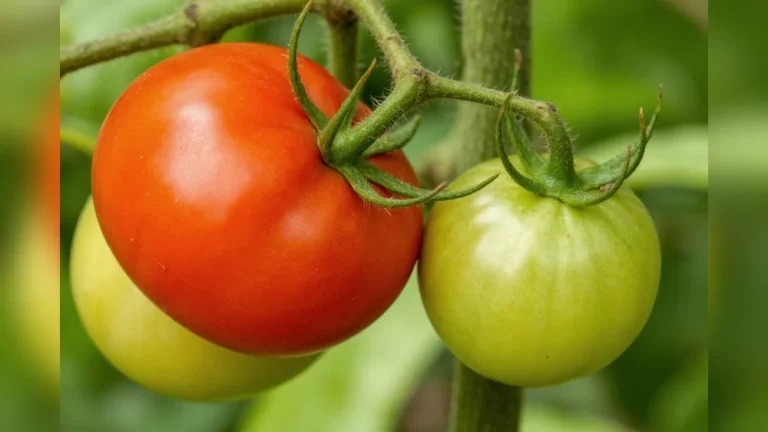
Drought stress can cause blossom end rot in tomatoes.
Plant age and stage. Seedlings are very vulnerable. Their root systems are small. They need frequent, light watering to get established.
Once plants grow bigger and develop a stronger root system, they can go longer between waterings. Fruiting plants need consistent moisture from flowering through harvest. If they dry out too much, they might drop flowers or produce misshapen fruit.
Mulch is a game-changer. A layer of organic mulch, like straw, wood chips, or compost, around your plants is incredibly helpful. It acts like a blanket. It keeps the soil cooler.
It stops weeds from growing, which compete for water. Most importantly, mulch greatly reduces water evaporation from the soil surface. Gardens with good mulch often need watering half as much as those without.
Soil type, as we discussed, is crucial. Clay soil holds water longer. Sandy soil drains quickly. You’ll need to water clay soil less often but deeply.
You’ll water sandy soil more often but maybe in shorter bursts to avoid runoff. Loam is a happy medium. Improving your soil with compost will help it hold moisture better, no matter the base type.
Sunlight and exposure also play a part. A garden in full, hot sun will dry out faster than one that gets some afternoon shade. Plants near walls or fences might get extra heat.
Those in windy spots will dry out faster too.
By paying attention to these different factors, you can fine-tune your watering. You move from a rigid schedule to a responsive system. This is how you give your plants exactly what they need, when they need it.
It stops the guessing game.
How to Water Effectively: Techniques for Success
Now that we know why and when to water, let’s talk about how to do it effectively. The goal is to get water down to the root zone without wasting it or causing problems. So, ditch the daily sprinkle and embrace these methods.
Deep watering is your mantra. This means applying enough water at one time for it to soak deep into the soil. Aim for that 6-8 inch depth.
How much water is that? It varies by soil type. For many garden soils, it might take about an inch of water.
If you’re using a hose with a sprinkler, you can measure this. Place a few empty tuna cans around the area. Water until the cans have about an inch of water.
This tells you how long your sprinkler needs to run.
Watering at the base of the plant is essential. This is often called “base watering” or “at the crown.” You want the water to go directly to the soil around the plant’s stem. This is where the roots are.
It keeps the leaves dry. This is super important for preventing diseases. How can you do this?
The simplest way is with a soaker hose. These are porous hoses that weep water slowly along their length. You lay them out between your rows of plants.
They deliver water directly to the soil. They are very efficient. You just turn them on for a set amount of time.
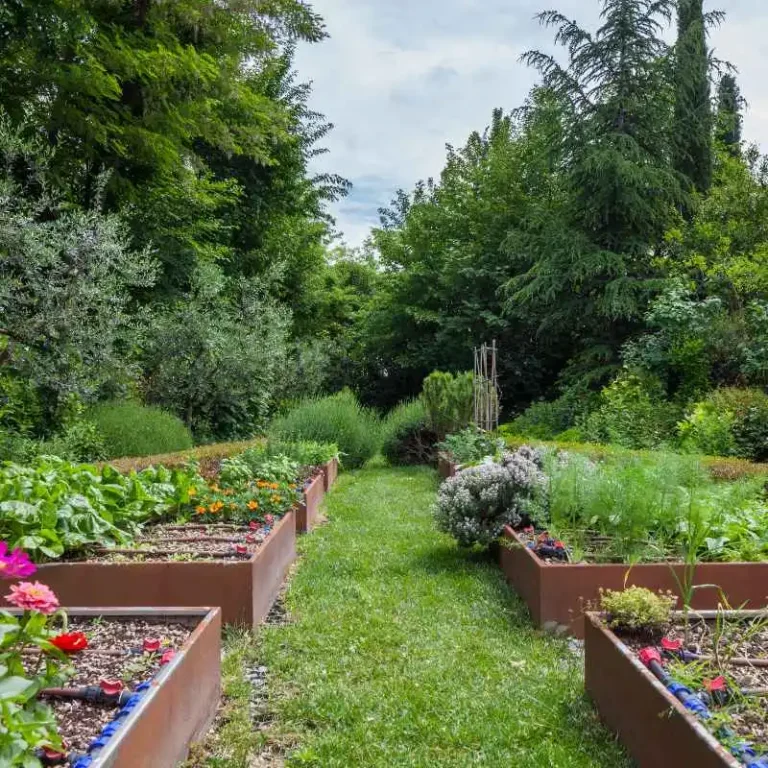
Another great method is using a drip irrigation system. This is a network of small tubes with emitters. Each emitter delivers water slowly and precisely to the base of each plant.
It’s the most efficient method. It saves water and ensures consistent moisture. It can seem like a bigger setup, but many systems are easy to install.
They can be automated with a timer.
If you’re using a regular garden hose, use a watering wand with a gentle flow setting. Or, you can simply place the end of the hose on the soil near the base of the plant. Let the water run slowly.
Move the hose around to cover the root zone. It takes a bit more effort. But it’s much better than a harsh spray that can blast away soil and damage delicate plants.
Avoid overhead sprinklers for vegetable gardens if possible. They water the leaves. They can spread diseases.
They also lose a lot of water to evaporation. If you must use one, run it early in the morning. And make sure it covers the entire garden evenly.
Check your watering. After you water, give it a few hours. Then, dig down a few inches with your trowel or finger. Is the soil moist down there?
If it’s dry, you didn’t water long enough. If it’s a muddy mess, you watered too much or too long, or your soil doesn’t drain well. Adjust for next time.
Quick Guide to Watering Tools
- Soaker Hoses: Lay them between plants. Water slowly seeps into the soil. Good for rows.
- Drip Irrigation: Tubes with emitters deliver water right to the roots. Very efficient.
- Watering Wand: Attaches to a hose. Allows gentle, targeted watering at the plant base.
- Standard Hose (slow flow): Can be used directly at the plant base. Requires more attention.
- Rain Barrel: Collects rainwater. Sustainable way to water.
Dealing with Common Watering Problems
Even with the best intentions, watering issues can pop up. Let’s look at some common problems and how to solve them. This is where real gardening experience comes in handy.
Problem: Plants are wilting.
First, don’t panic and grab the hose for a daily shower! Check the soil moisture. Stick your finger in about 2 inches deep.
If it’s dry, the plant is thirsty. Water deeply at the base. If the soil is moist, wilting might be caused by overwatering.
Roots need oxygen. When soil is too wet, roots can’t breathe. They can start to rot.
This makes the plant unable to take up water. Signs of overwatering include yellowing leaves, especially at the bottom, and a generally sad, droopy look even when the soil is wet.
Wilting can also be caused by heat stress. On very hot days, plants can lose water faster than their roots can absorb it, even if the soil is moist. Try watering deeply in the early morning.
Provide some temporary shade during the hottest part of the day if possible. Using mulch helps a lot with heat stress.
Sometimes, wilting can be a sign of disease. Fungal infections or root damage can prevent water uptake. If wilting is sudden, affects only one part of the plant, or happens despite proper watering, investigate further for signs of pests or disease.
Problem: Leaves are yellowing.
Yellowing leaves can mean many things. If the lower leaves turn yellow and fall off, it’s often a sign of nitrogen deficiency. This is a nutrient problem, not usually a direct watering issue, though stressed plants might not absorb nutrients well.
If the whole plant looks pale and the soil is constantly wet, you’re likely overwatering.
Problem: Water runs off the soil surface.
This happens with compacted soil or when watering too fast. The water can’t soak in. It just streams away.
To fix this, water more slowly. If your soil is compacted, improve it by adding compost. You can also try creating small berms or channels in the soil to slow down water flow.
Problem: Fungal diseases appearing.
This is often linked to watering habits. Watering leaves, especially in the evening, creates damp conditions. Ensure you water at the base of the plant.
Water in the morning. Improve air circulation by spacing plants properly. Remove any diseased leaves or plants immediately.
Problem: Fruit is cracking or has blossom end rot.
Cracking fruit, especially tomatoes and melons, is often caused by sudden changes in watering. Plants grow normally, then a heavy rain or watering causes a rapid influx of water. The fruit grows too fast and cracks.
Consistent watering helps prevent this. Blossom end rot (a dark, sunken spot on the bottom of the fruit) is often caused by a lack of calcium. But it’s usually brought on by inconsistent watering.
When plants are stressed by dry conditions, they can’t absorb calcium properly. So, steady moisture is key.
Learning to observe your plants and soil is a continuous process. It’s about adapting your care based on what you see and feel. This is how you build trust with your garden.
Watering Checklist for Healthy Veggies
- Check soil moisture 2 inches down.
- Water deeply when soil feels dry.
- Water at the base of the plant.
- Water in the early morning.
- Use mulch to retain moisture.
- Adjust for weather: more water when hot/dry.
- Observe plants for signs of thirst or stress.
What This Means for Your Garden’s Success
Understanding how to water your vegetable garden properly is more than just keeping plants alive. It’s about helping them thrive. When you get watering right, several good things happen.
Healthier Plants: Your vegetables will be stronger and more resilient. They’ll have deep root systems. This makes them better able to handle dry spells or unexpected heat.
They will be less prone to diseases and pests.
Better Yields: Happy, well-watered plants produce more. You’ll see more flowers, more fruit, and bigger vegetables. Consistency is key for many fruiting plants.
If they don’t get enough water at the right times, they might not produce well.
Fewer Problems: When you water correctly, you avoid many common gardening headaches. You’ll deal with less root rot, fewer fungal diseases, and less wilting. This saves you time and worry.
Water Conservation: By watering deeply and less often, and by using methods like drip irrigation and mulch, you use water more wisely. This is good for your wallet and for the environment. You don’t waste water on evaporation or runoff.
Saving Time: It might seem like watering every day would be easier. But once you learn to check the soil and water deeply only when needed, you’ll find yourself spending less time watering overall. It’s a shift from frequent, short tasks to less frequent, more effective ones.
The key takeaway is that a garden doesn’t need watering every single day. It needs smart watering. It needs watering based on observation.
It needs watering that focuses on the roots and soil health.
When to Worry and When to Relax
It’s normal for plants to droop a little during the hottest part of a very hot day. This is often just temporary heat stress. If they perk up once the sun goes down or in the cooler evening, don’t worry too much.
It’s their way of conserving energy.
You should start to worry if plants are wilting consistently, even in the morning or evening. If the soil is already moist when you check it, and the plants are still wilting, that’s a red flag. It could mean overwatering, root problems, or a disease.
Also, watch for leaves that are yellowing excessively, developing spots, or showing signs of rot.
If your plants look healthy, are growing well, and producing food, you are likely doing a good job with watering. Don’t get too caught up in rigid schedules. Learn to trust your own judgment and the signals your garden is giving you.
It’s a dance between you and nature.
Quick Tips for Better Watering
Here are some easy tips to remember for watering your vegetable garden:
- Mulch, mulch, mulch! It’s your best friend for water retention.
- Install a rain gauge. Know how much natural water you’re getting.
- Group plants with similar watering needs together.
- Water containers daily. Potted plants dry out much faster than in-ground plants.
- Fix leaks in hoses and fittings.
- Consider a soil moisture meter. It takes the guesswork out.
- Amend your soil with compost. Good soil structure improves water management.
Frequently Asked Questions About Watering Vegetables
Do I need to water my vegetable garden every day in summer?
No, most vegetable gardens do not need watering every single day in summer. Watering frequency depends on heat, soil type, plant stage, and mulch. Check the soil moisture instead.
Water deeply when the top 1-2 inches of soil are dry.
How do I know if I’m watering too much or too little?
If your plants are wilting and the soil is dry, you’re likely watering too little. If your plants are wilting, leaves are yellowing from the bottom, or the soil stays soggy, you might be watering too much. Proper drainage and checking soil moisture are key.
Should I water my vegetables from overhead or at the base?
Watering at the base of the plant is generally best. This delivers water directly to the roots and keeps the leaves dry, which helps prevent fungal diseases. Soaker hoses and drip irrigation are excellent for this.
When is the best time of day to water my garden?
The best time to water is in the early morning. This allows plants to absorb water before the heat of the day and lets leaves dry off before night. Evening is a second-best option, but morning is ideal for plant health and disease prevention.
How much water do vegetable plants actually need?
Most vegetable plants need the soil to be moist about 6 to 8 inches deep. This means applying enough water at one time for it to soak down to that level. A good rule of thumb is about 1 inch of water per week, applied in one or two deep waterings, but this varies greatly with conditions.
Does mulch help with watering my garden?
Yes, mulch is incredibly helpful! It conserves soil moisture by reducing evaporation, keeps soil temperatures more consistent, and suppresses weeds that compete for water. A good layer of mulch can often cut your watering needs in half.
Conclusion
So, to answer the big question: Do vegetable gardens need to be watered every day? The clear answer is no. While some young seedlings or potted plants might need daily attention, most established garden vegetables do not. Learning to observe your soil and your plants, and watering deeply and thoughtfully only when needed, is the real secret to a thriving, productive vegetable garden.
Happy growing!