Is Hardwood Mulch Safe for Vegetable Gardens? Facts
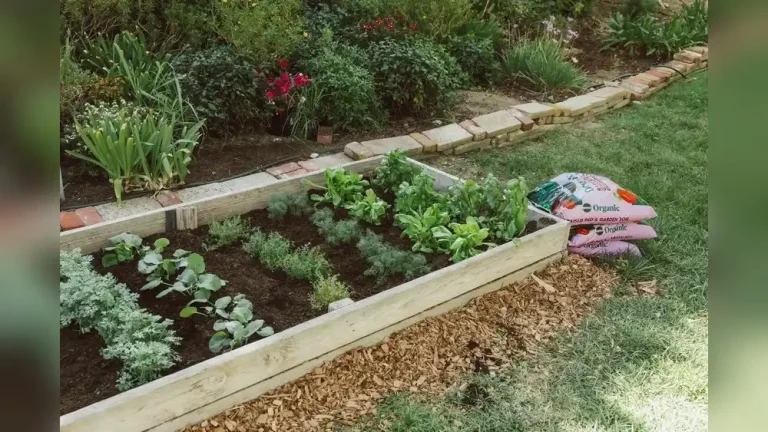
Hardwood mulch is safe for vegetable gardens when you choose the right type, age it properly, and apply it with care. In fact, this simple organic material can protect your soil, cut down on weeds, and keep moisture right where your plants need it most. This post covers the benefits, the real risks, and the best way to use hardwood mulch around your vegetables so you get every reward without the common problems.
Simply put, yes, hardwood mulch is safe for vegetable gardens as long as it is aged, applied 2-3 inches thick, and kept away from plant stems. Fresh chips can tie up nitrogen, and black walnut mulch can harm crops. Use aged hardwood mulch and you get fewer weeds, steadier soil moisture, and healthier soil season after season.
Key Takeaways
- Hardwood mulch is safe for vegetables when aged and applied correctly in a 2-3 inch layer.
- It suppresses weeds, retains soil moisture, and moderates soil temperature through summer heat and cold snaps.
- As it decomposes, hardwood mulch improves soil structure and feeds beneficial organisms like earthworms.
- Avoid fresh wood chips and allelopathic species like black walnut to prevent nitrogen tie-up and plant damage.
- Keep mulch several inches away from stems and crowns to prevent rot, pests, and fungal disease.
What Is Hardwood Mulch Made Of?
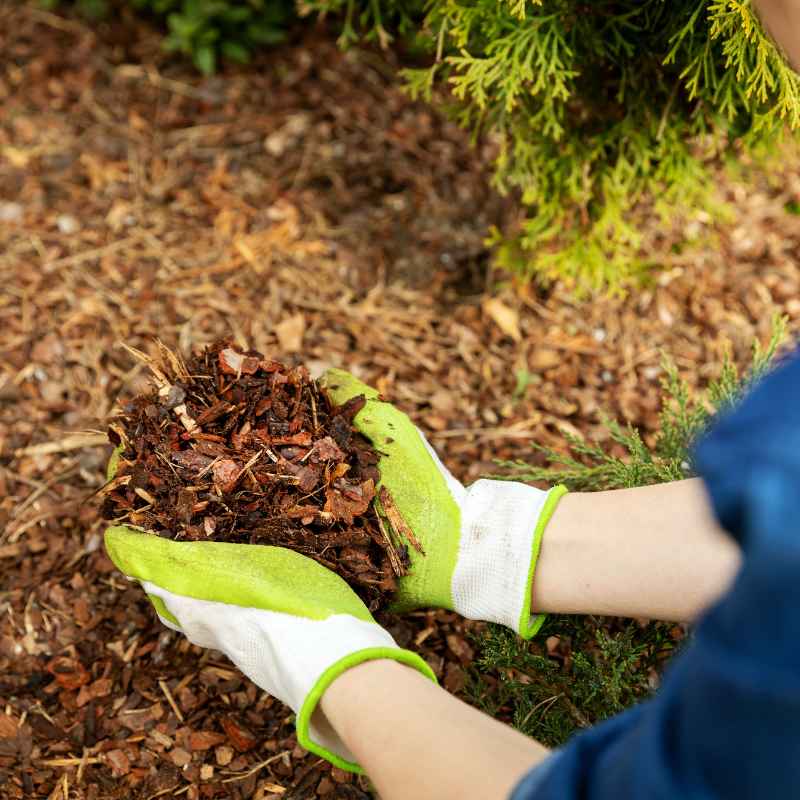
Hardwood mulch is ground or shredded bark and wood from deciduous trees. The most common sources are oak, maple, hickory, beech, and mixed hardwoods collected from landscaping and timber operations. These trees shed their leaves each year, which influences how their wood breaks down in your soil.
It differs from softwood mulches such as pine bark or pine needles, which come from conifers. Softwoods decompose more slowly and have a slightly different effect on soil chemistry. Knowing this difference matters because decomposition behavior affects nitrogen availability and microbial activity in your garden beds.
Here are the most common hardwood mulch options you will find at garden centers:
- Oak – slow to break down, long-lasting, excellent for permanent beds and paths.
- Maple – moderate decomposition rate, adds organic matter to the soil faster than oak.
- Hickory – dense and durable, ideal for high-traffic pathways between beds.
- Mixed hardwood – the most common store-bought option, offering balanced performance and cost.
- Shredded bark – lasts longer than wood chips and is less likely to blow away in wind.
- Arborist wood chips – a budget-friendly option that includes bark, wood, and leaves from a variety of trees.
Wondering how hardwood compares to softwood? This quick table lays out the key differences:
| Characteristic | Hardwood Mulch | Softwood Mulch |
|---|---|---|
| Source trees | Deciduous (oak, maple, hickory) | Conifers (pine, fir, spruce) |
| Decomposition rate | Moderate to slow | Very slow |
| Nitrogen tie-up risk | Moderate when fresh, low when aged | Higher with fresh sawdust |
| pH effect on soil | Minimal | Slight acidity at the surface |
| Best use | Vegetable beds, mixed borders | Acid-loving plants, ornamental beds |
For most vegetable gardens, aged mixed hardwood mulch offers the best balance of longevity, cost, and soil-building potential.
Why Hardwood Mulch Works Well for Vegetable Gardens
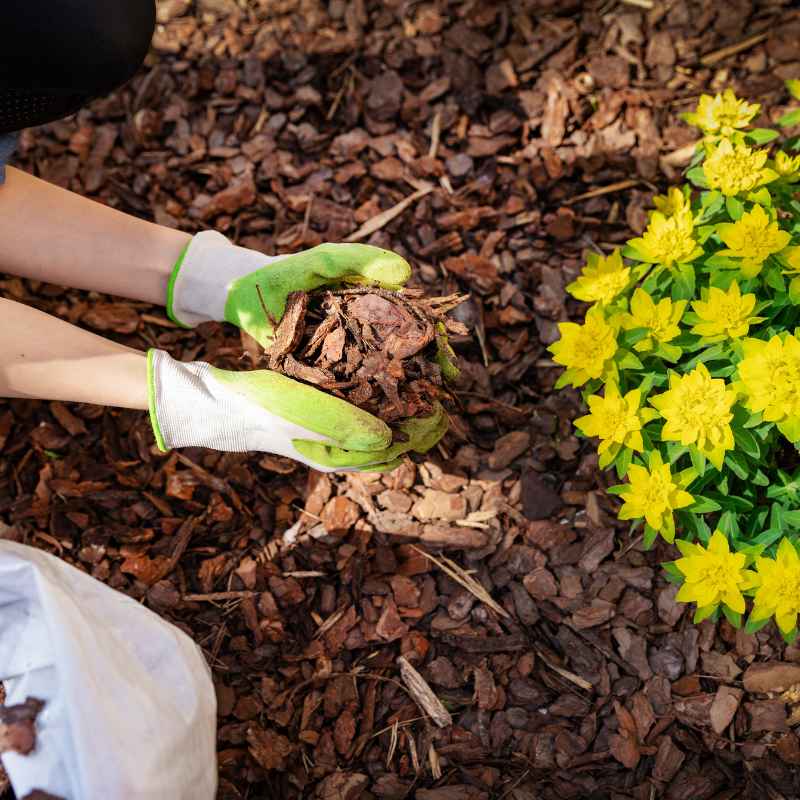
Hardwood mulch earns its keep in the vegetable garden through four main actions: it blocks weeds, holds moisture, stabilizes soil temperature, and slowly feeds the soil. These benefits add up to healthier plants and much less time spent on maintenance.
Weed suppression alone is a game changer. A proper layer stops sunlight from reaching weed seeds, which prevents germination at the source. You will spend far fewer hours hunched over rows pulling pigweed and crabgrass.
Here is what a 2-3 inch layer of hardwood mulch does for your garden:
- Blocks sunlight so weed seeds can not germinate, cutting weeding time dramatically.
- Slows evaporation and keeps root zones evenly moist between waterings.
- Insulates the soil, keeping roots cooler in summer and warmer in early spring.
- Prevents soil compaction and erosion from heavy rain and wind.
- Adds organic matter steadily as it breaks down, feeding earthworms and beneficial microbes.
- Reduces splash-back of soil onto leaves, lowering the risk of soil-borne diseases like early blight.
According to the USDA, organic mulches can reduce soil moisture evaporation by up to 70%. That single benefit can slash your watering schedule during the hottest weeks of summer. Research from Oregon State University Extension also shows that mulched soils stay noticeably cooler in summer and warmer in winter compared to bare soil, which protects sensitive root systems.
Tip: Use coarse shredded hardwood rather than fine sawdust. Coarse textures let water and air pass through easily, while fine material can form a crust that blocks moisture.
The result is a more forgiving garden. Plants face less stress during dry spells, and you avoid the feast-or-famine watering cycle that causes blossom end rot in tomatoes and bitter flavors in leafy greens.
How Does Hardwood Mulch Affect Soil Over Time?
Hardwood mulch does not just sit on top of the soil. It slowly breaks down, and that process changes your soil chemistry as it goes. The key factor is the carbon-to-nitrogen ratio of the wood.
Fresh wood is carbon-heavy, so the microbes that decompose it draw nitrogen from the surrounding soil to do the work.
This means fresh hardwood mulch can temporarily tie up nitrogen near the soil surface. The good news? Research from Washington State University shows this is immobilization, not permanent removal.
Once the decomposition slows down, that nitrogen becomes available again to your plants.
Here is what happens on a typical timeline after you apply hardwood mulch:
| Timeframe | What Happens | Net Soil Effect |
|---|---|---|
| First 30 days | Microbes begin breaking down fresh chips | Possible temporary nitrogen tie-up |
| 6 months to 1 year | Chips darken and soften, fungal activity peaks | Organic matter builds, nitrogen is released back |
| 2 to 3 years | Mulch layer thins noticeably | Improved soil structure and water retention |
| 3+ years | Most particles fully decomposed | Rich, dark soil with high microbial activity |
You will also notice more earthworms under an established mulch layer. The Rodale Institute reports that organic mulches reliably boost earthworm populations, and those worms create tunnels that improve aeration and drainage. Over several seasons, the mulch pulls double duty as both a protective cover and a slow-release soil amendment.
Important: Test your soil every 2-3 years. If a soil test shows low nitrogen, add compost or an organic fertilizer and the temporary nitrogen tie-up becomes a non-issue.
The takeaway is simple. Hardwood mulch is a long-term investment in your soil, not a quick fix. The benefits compound each year as organic matter accumulates and microbial life multiplies beneath the surface.
What Are the Risks of Using Hardwood Mulch in a Vegetable Garden?
No mulch is perfect, and hardwood mulch comes with a few legitimate risks. The first is nitrogen tie-up, which we covered above. Freshly chipped wood with a high carbon-to-nitrogen ratio can starve young seedlings of nitrogen during their most critical growth phase.
The second risk is allelopathy. Some trees release natural chemicals that suppress the growth of nearby plants. Black walnut is the classic example.
Its roots, leaves, and wood chips contain juglone, a compound that can damage or kill tomatoes, peppers, eggplants, and other sensitive crops.
Warning: Never use mulch from black walnut, tree-of-heaven (Ailanthus), or freshly chipped material from diseased trees. These can introduce juglone or pathogens directly into your vegetable beds.
Beyond those two big issues, a few smaller problems can arise. Mulch piled against stems traps moisture and invites rot. A thick layer in a rainy climate can keep soil too wet for crops like garlic and onions.
And very fine hardwood dust can form a crust that sheds water instead of absorbing it.
Here is a practical checklist to manage every one of these risks:
- Age fresh chips for 3-6 months before spreading them on beds.
- Add a 1-inch layer of finished compost underneath if you must use fresh material.
- Keep mulch 3-4 inches away from stems, trunks, and crowns.
- Choose coarse textures that let water and air pass through easily.
- Avoid deep mulch in low spots where water already pools.
- Use a thinner 1-2 inch layer in humid climates and a thicker 3 inch layer in dry climates.
- Confirm the source of your mulch if you buy in bulk from a landscape supplier.
One more concern you will hear about is soil acidity. Garden folklore says wood mulch turns soil acidic over time. Research shows the effect is negligible in most vegetable garden soils, especially when the mulch sits on the surface rather than being tilled in.
A yearly soil test will set the record straight for your specific garden.
How to Apply Hardwood Mulch Safely in Vegetable Gardens
Applying hardwood mulch correctly is just as important as choosing it. The timing matters more than most gardeners realize. If you mulch too early in spring, you trap cold soil and delay warming, which slows seed germination and stunts young plants.
Follow this step-by-step process for the best results:
- Wait until the soil warms to at least 65°F, usually late spring in most regions.
- Water the bed deeply the day before you plan to mulch.
- Spread a 1-inch layer of finished compost over the soil surface for a nutrient boost.
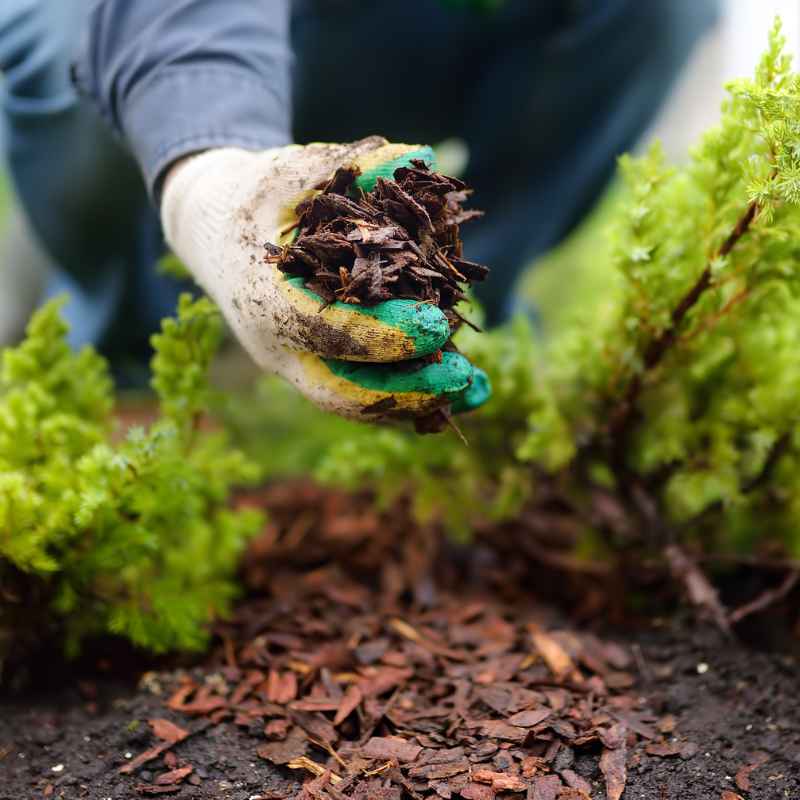
- Apply 2-3 inches (5-8 cm) of aged hardwood mulch evenly across the bed.
- Pull the mulch back so it sits 3-4 inches away from stems and crowns.
- Water the mulch lightly to settle it and prevent wind from blowing it away.
- Refresh the layer in late spring or early fall by raking the old layer back and adding new material.
Important: In hot, humid regions, keep the layer at 2 inches max. A thick, wet mulch blanket in humid weather raises the risk of fungal stem rot and slug damage.
Even experienced gardeners make mistakes with mulch. Here are the most common ones to avoid:
- Piling mulch like a volcano against plant stems and tree trunks.
- Using fresh, unseasoned wood chips straight from the chipper.
- Applying mulch before the soil has warmed up in spring.
- Tilling hardwood mulch deep into the soil where it can cause nitrogen problems.
- Ignoring the mulch layer until it forms a water-repelling crust.
- Adding a fresh 3-inch layer every year on top of the old one until the bed turns into a mound.
If you follow this routine, your mulch layer stays healthy, your soil stays balanced, and your vegetables get the protection they need without any downsides.
Hardwood Mulch vs. Other Mulch Options
Hardwood mulch is not your only choice, and the best option depends on your goals. Straw, grass clippings, compost, and landscape fabric each bring something different to the table. Here is how they stack up side by side:
Hardwood mulch wins for overall balance, but it is not always the best fit. Straw is cheaper and works beautifully for overwintering beds. Compost feeds the soil faster than anything else.
Landscape fabric suits heat-loving crops like melons and peppers in short-season climates, though it does nothing to build soil organic matter.
Tip: Use compost as a base layer, then top it with 1-2 inches of hardwood mulch. You get the soil-feeding power of compost plus the weed suppression and moisture retention of mulch.
Many organic gardeners end up using a hybrid system. Compost goes on the beds in spring, and hardwood mulch is added over it for the summer. In fall, a layer of straw protects the soil through winter.
This combination delivers the best of all worlds without the weaknesses of any single material.
Frequently Asked Questions
Will hardwood mulch steal nitrogen from my tomato plants?
Fresh hardwood mulch can temporarily tie up nitrogen near the soil surface, but aged mulch has a much lower risk. If you use fresh chips, add compost underneath or side-dress with an organic nitrogen fertilizer. Tomatoes are heavy feeders, so keep an eye on leaf color and adjust if the lower leaves turn yellow.
How thick should hardwood mulch be in a vegetable garden?
Aim for 2-3 inches in most climates. Use the thicker end of that range in hot, dry regions and the thinner end in cool, humid ones. Depths beyond 4 inches can trap too much moisture, harbor slugs, and restrict air exchange in the root zone.
Can I use fresh wood chips as mulch in a vegetable garden?
You can, but it is not ideal. Fresh chips have a high carbon-to-nitrogen ratio that can temporarily tie up soil nitrogen, and some fresh wood contains natural compounds that slow plant growth. Age the chips for 3-6 months first, or add a nitrogen-rich fertilizer and compost to compensate.
Should I mix hardwood mulch into the soil before planting?
No. Keep hardwood mulch on the surface where it belongs. Tilling it deep into the soil spikes the decomposition rate and magnifies nitrogen tie-up while depriving the surface of its weed-blocking and moisture-retaining benefits.
Let it break down in place and let the worms do the incorporation work.
Does hardwood mulch make the soil too acidic for vegetables?
Research shows the acidifying effect of hardwood mulch on garden soil is minimal, especially compared to softwood options like pine needles. Most vegetables prefer a slightly acidic to neutral pH between 6.0 and 7.0. A simple soil test every couple of years will tell you if adjustments are needed.
Final Thoughts
Hardwood mulch is safe for vegetable gardens when you treat it with respect. Age it before use, apply 2-3 inches after the soil warms, keep it away from stems, and steer clear of allelopathic species like black walnut. Done right, it saves water, blocks weeds, moderates soil temperature, and builds healthier soil year after year.
Your vegetables will reward you with stronger growth and bigger harvests.