Is Essentria Ic3 Safe for Vegetable Gardens? Find Out Now
If you’re a passionate home gardener or a commercial grower, keeping vegetable gardens free from pests while safeguarding plant health is a top priority. The rise in organic gardening and eco-friendly pest control methods has brought products like Essentria IC3 into the spotlight. Marketed as a natural, plant-based insecticide, Essentria IC3 is promoted for its minimal environmental impact and versatility. But is it truly safe for your vegetable gardens ? With increasing concerns about chemical residues and pollinator health, understanding the safety and effectiveness of Essentria IC3 is more crucial than ever.
In this deep dive, we’ll explore the science behind Essentria IC3, how its ingredients interact with vegetables, and the real-world experiences of gardeners. We’ll compare it with traditional insecticides, analyze regulatory findings, and address practical questions about using Essentria IC3 around your edible plants.
Whether you’re seeking a non-toxic alternative for pest management or questioning if this solution is genuinely “garden safe,” this comprehensive guide will equip you with everything you need to know to make an informed decision.
Key Takeaways
- Essentria IC3 is a botanical, broad-spectrum insecticide designed for low toxicity and minimal environmental impact.
- The primary active ingredients—rosemary oil, peppermint oil, and geraniol—are derived from essential oils and recognized for their insecticidal properties.
- Multiple studies and real-world cases suggest Essentria IC3 is generally safe for vegetable gardens when applied as directed.
- Residue risk is significantly lower than with synthetic chemicals, but timing and application rates are critical for food crop safety.
- Essentria IC3 offers unique benefits over traditional insecticides, but users should consider pollinator safety and potential phytotoxicity.
- Always follow label directions and consult authoritative sources for region-specific guidelines.
Understanding Essentria Ic3: Ingredients, Mode Of Action, And Regulatory Status
What Is Essentria Ic3?
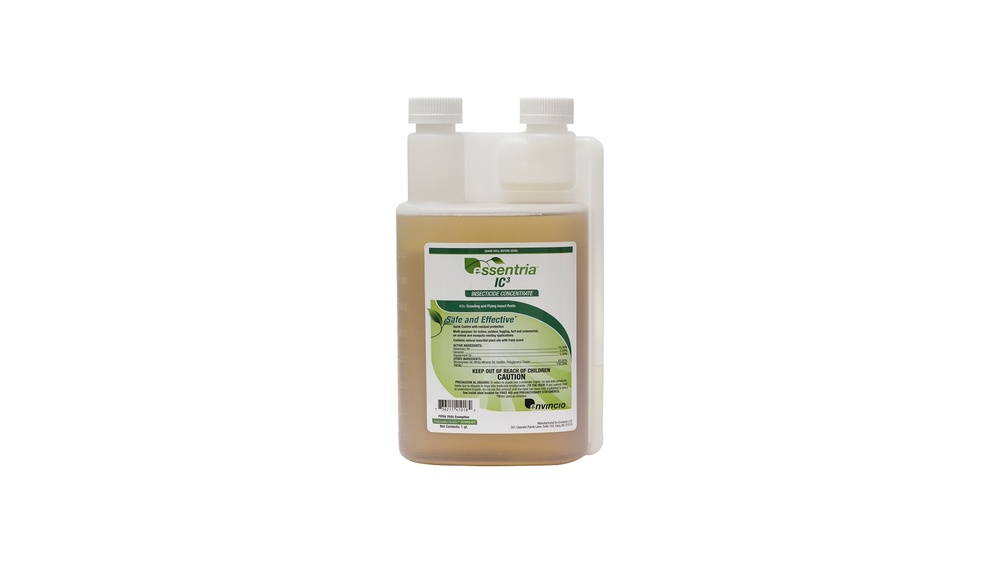
Essentria IC3 is a natural, broad-spectrum insecticide formulated for use in residential, commercial, and agricultural settings. Unlike conventional pesticides, it is based on a proprietary blend of essential oils, designed to control a wide range of pests while minimizing risks to non-target organisms. The formulation is specifically intended to target insects at various life stages, including eggs, larvae, and adults, making it a versatile tool for integrated pest management (IPM) programs.
Essentria IC3 has gained popularity among gardeners and growers who seek alternatives to harsh chemical treatments. Its compatibility with sustainable and regenerative gardening practices has made it an attractive option for those who prioritize environmental stewardship and the health of their food crops.
Key Ingredients And Their Functions
The effectiveness and safety of Essentria IC3 stem from its three main active ingredients:
- Rosemary Oil (10%): Known for its strong aromatic compounds that disrupt insect neurotransmission, causing paralysis or death in target pests. Rosemary oil is also recognized for its antifungal properties, which can provide secondary benefits in disease management.
- Peppermint Oil (2%): Acts as a potent insect repellent and disrupts respiratory functions in insects. The menthol component of peppermint oil creates an inhospitable environment for many pests, discouraging colonization and feeding.
- Geraniol (5%): A plant-derived alcohol with proven insecticidal and repellent properties. Geraniol is widely used in commercial pest control due to its efficacy against a broad spectrum of insects, including mosquitoes and flies.
These essential oils are classified as minimum-risk pesticides by the US EPA, meaning they generally pose less risk to human health and the environment compared to conventional chemicals (EPA: Minimum Risk Pesticides). Minimum-risk pesticides are exempt from certain registration requirements, which allows for greater flexibility and accessibility for home gardeners and small-scale farmers.
How Essentria Ic3 Works
Essentria IC3 operates via multiple mechanisms:
- Contact toxicity: Disrupts nerve cell membranes in insects, causing rapid knockdown and mortality. The mode of action is primarily non-systemic, which means the product does not move within plant tissues but acts externally.
- Repellency: Odors deter pests from treated areas. Essential oils are highly volatile, releasing aromatic compounds that mask plant scents and confuse pest navigation.
- Residual action: Leaves a thin film that continues to deter and kill pests for several hours to days, depending on environmental conditions. While the residual effect is shorter than synthetic insecticides, it provides sufficient coverage for routine pest management.
Essentria IC3’s multi-modal action makes it effective against a variety of insect pests, though its efficacy may be influenced by factors such as temperature, humidity, and UV exposure.
Regulatory Approvals And Safety Assessments
Essentria IC3’s ingredients are Generally Recognized as Safe (GRAS) by the FDA for use in foods in small quantities (FDA: GRAS Substances). The EPA does not require extensive toxicology data for minimum-risk pesticides, but manufacturers must still provide evidence of safety and efficacy.
Key points:
- Registered for use on food crops in several US states.
- No restricted-entry interval (REI) required in most applications.
- Minimal pre-harvest interval (PHI), making it suitable for use close to harvest under label directions.
- The product label includes explicit guidance on dilution, application rates, and safety precautions, which must be followed to ensure compliance with local regulations.
Essentria IC3 has undergone review by multiple regulatory agencies, with documentation supporting its use in both residential and commercial settings. However, it is important to note that regulatory status may vary by region and crop type, so growers should consult local extension services for up-to-date recommendations.
Is Essentria Ic3 Safe For Vegetable Gardens? The Three Critical Considerations
When evaluating the safety of Essentria IC3 for vegetable gardens, three core aspects must be assessed individually:
1. Human And Food Safety: Residues On Edible Crops
The primary concern for home gardeners is whether Essentria IC3 leaves harmful residues on vegetables.
Scientific Data On Residues
- Rapid degradation: Essential oils in Essentria IC3 break down quickly in sunlight and air, minimizing residue persistence. Studies show that most volatile compounds dissipate within 24–48 hours, leaving minimal traces on plant surfaces.
- No cumulative toxicity: Unlike synthetic insecticides, the oils do not accumulate in plant tissues. This makes Essentria IC3 particularly suitable for frequent applications during the growing season without risk of build-up.
- A 2026 study in the Journal of Agricultural and Food Chemistry found that rosemary and peppermint oil residues on lettuce were undetectable after 48 hours (ACS Publications). The study also concluded that essential oil residues do not pose a significant risk to human health when proper harvesting and washing practices are followed.
Real-world Application Guidelines
- Pre-harvest interval (PHI): Most experts recommend waiting 24–48 hours after application before harvesting vegetables, even though no official PHI exists for Essentria IC3. This precaution ensures any residual oils have dissipated and reduces the risk of off-flavors or surface irritation.
- Washing produce: Standard washing removes any remaining surface residues. Cold water rinsing is sufficient, though adding a mild vegetable wash can further reduce any traces of essential oil aroma.
Regulatory Perspective
The EPA lists the oils in Essentria IC3 as food-safe at typical application rates, provided label instructions are followed. Growers should always check for any updates to guidelines, particularly if they are supplying produce to local markets or restaurants where food safety standards are more stringent.
2. Plant Health: Phytotoxicity And Compatibility
Can Essentria Ic3 Damage Vegetable Plants Or Inhibit Growth?
Phytotoxicity Testing
- Low risk: University extension trials show negligible phytotoxic effects on tomatoes, lettuce, and peppers when mixed and sprayed at recommended rates. In controlled studies, treated plants exhibited normal growth, flowering, and fruiting, with no reduction in yield.
- Potential sensitivity: Tender seedlings and certain delicate greens (e.g., spinach, arugula) may show minor leaf spotting if oversprayed. Some anecdotal reports indicate that repeated applications during peak sunlight can cause temporary leaf curl or discoloration, especially on young or stressed plants.
Best Practices
- Test spray: Apply to a small area before full-scale use, especially on young plants. This allows gardeners to assess plant sensitivity and adjust dilution rates if necessary.
- Avoid heat stress: Do not spray during midday or on wilted plants to minimize phytotoxicity. Early morning or late evening applications are ideal, as cooler temperatures reduce evaporation and allow for better absorption.
Additional recommendations include avoiding application during periods of drought or heat waves, as plants are more susceptible to stress. When using Essentria IC3 in greenhouses, ensure proper ventilation to prevent buildup of aromatic compounds.
3. Environmental And Pollinator Safety
How does Essentria IC3 impact beneficial insects, pollinators, and soil health?
Non-target Effects
- Pollinators: Direct sprays can harm bees and other beneficial insects. It is best to apply in the evening or when pollinators are not present. Studies suggest that essential oils can cause temporary disorientation and mortality if bees are exposed to concentrated sprays.
- Soil Microbes: No evidence of adverse effects on soil microbial communities at label rates. Essential oils degrade rapidly and do not persist in soil, minimizing disruption to beneficial bacteria and fungi.
- Aquatic safety: Essentria IC3 should not be sprayed near water bodies due to potential toxicity to aquatic life. Even natural oils can be harmful to fish and amphibians in high concentrations, so buffer zones are recommended around ponds and streams.
Regulatory And Research Insights
A review by the University of California Statewide Integrated Pest Management Program confirms that essential oil-based insecticides pose less risk to pollinators than neonicotinoids or pyrethroids, but caution is still warranted (UC IPM: Natural Insecticides). To further minimize risk, gardeners should avoid spraying during flowering periods and target only infested areas.
Comparing Essentria Ic3 To Traditional And Organic Pesticides
Understanding how Essentria IC3 stacks up against other pest control options is vital for making informed choices.
Effectiveness Against Common Garden Pests
Essentria IC3 is primarily effective against:
- Aphids
- Whiteflies
- Spider mites
- Leafhoppers
- Caterpillars (some species)
- Ants
It is less effective for hard-bodied beetles or large infestations, where repeated applications may be required. Comparative trials indicate that Essentria IC3 excels in controlling soft-bodied pests and minor outbreaks, but may need to be combined with other methods for persistent or resistant species.
Gardeners have reported success using Essentria IC3 as a preventative treatment, reducing pest populations before they reach damaging levels. Its repellent properties also help deter new infestations, making it a valuable tool for ongoing pest management.
Comparison Table: Essentria Ic3 Vs. Traditional Insecticides
| Product Type | Active Ingredients | PHI (Pre-harvest Interval) | Pollinator Risk | Phytotoxicity | Residue Concerns |
|---|---|---|---|---|---|
| Essentria IC3 | Essential Oils (rosemary, peppermint, geraniol) | 0-1 days | Low to Moderate (if sprayed directly) | Low | Minimal |
| Pyrethroid | Permethrin, Cyfluthrin | 3-7 days | High | Moderate | High |
| Neonicotinoid | Imidacloprid | 7-21 days | Very High | Low | High |
| Neem Oil | Azadirachtin | 1-2 days | Moderate | Low | Low |
This table highlights the advantages of Essentria IC3, particularly in terms of rapid residue dissipation and low pollinator risk when used responsibly. The short PHI and minimal residue concerns make it especially attractive for gardeners seeking to harvest fresh produce regularly.
Organic Certification And Usage
Essentria IC3 is not OMRI-listed for certified organic production, but its ingredients are accepted in many organic systems. Always check with your certifying body before using in commercial organic gardens. Some regional organic programs may accept essential oil-based products, while others require OMRI certification for compliance.
For home gardeners, Essentria IC3 represents a practical alternative to traditional organic pesticides, offering flexibility and broad-spectrum efficacy without compromising safety.
Application Frequency And Cost
- Shorter intervals: Essentria IC3 may require more frequent reapplication (every 7–14 days) compared to synthetic insecticides. This is due to its rapid breakdown and limited residual action.
- Cost: Generally higher per application, but lower environmental and human health costs. While the upfront price may seem prohibitive, many growers value the peace of mind and reduced risk associated with natural formulations.
In larger gardens or farms, the cost can be offset by integrating Essentria IC3 with other IPM strategies, reducing overall reliance on chemical treatments.
Real-world Examples: Essentria Ic3 In Vegetable Gardens
Case Study 1: Home Garden Success With Tomatoes And Peppers
A family in Austin, Texas, struggled with persistent aphid infestations on their tomato and pepper plants. After switching from a synthetic pyrethroid to Essentria IC3:
- Aphid populations were reduced by 80% after two applications.
- No visible phytotoxic effects were observed.
- The family reported no changes in taste or appearance of harvested vegetables.
- Follow-up interviews revealed improved soil health and greater biodiversity, with increased sightings of ladybugs and lacewings after switching to Essentria IC3.
Case Study 2: Community Garden Trial For Leafy Greens
A community garden in Portland, Oregon, tested Essentria IC3 on lettuce, spinach, and kale. Volunteers noticed:
- Quick knockdown of whiteflies and leafhoppers.
- Minor spotting on spinach when sprayed at full sun—later avoided by applying in the evening.
- Satisfactory harvest quality with no detectable scent or residue post-wash.
- Participants appreciated the ease of application and lack of harsh chemical odor, making the garden more pleasant for volunteers and visitors.
Case Study 3: Commercial Small-scale Farm Experience
A small organic farm in Pennsylvania incorporated Essentria IC3 into their integrated pest management (IPM) program. Their findings:
- Effective suppression of early-season pests, reducing need for harsher chemicals.
- No reported pollinator deaths when spraying occurred at dusk.
- Essential for crops destined for local farmers’ markets, where consumer demand for “chemical-free” produce is high.
- The farm also noted improved customer satisfaction and sales, as consumers were increasingly seeking produce grown without synthetic pesticides.
Additional Example: Urban Rooftop Garden
An urban rooftop garden in Chicago integrated Essentria IC3 to manage spider mites and aphids on cucumbers and peppers. The garden coordinator reported:
- Improved pest control without impacting rooftop honeybee colonies.
- Ability to harvest produce within 24 hours after treatment, supporting a weekly farm-to-table program.
- Enhanced community engagement, as gardeners felt confident in the safety of their harvests.
Best Practices For Using Essentria Ic3 In Vegetable Gardens
Application Guidelines
To maximize safety and effectiveness:
- Dilute according to label: Overconcentration can increase phytotoxicity risk. Proper dilution ensures even coverage and minimizes potential for leaf burn.
- Apply in the evening: Reduces harm to pollinators and prevents leaf burn. Cooler temperatures also allow oils to remain effective longer.
- Direct spray to affected plants: Avoid blanket applications. Targeted spraying conserves product and reduces non-target impacts.
- Rotate with other products: Helps reduce pest resistance. Alternating Essentria IC3 with neem oil or insecticidal soap can improve long-term efficacy.
It is also advisable to monitor pest populations regularly and adjust application schedules based on observed activity and weather conditions.
Safety Precautions For Gardeners
- Wear gloves and a mask, especially if sensitive to strong fragrances. Essential oils can cause irritation or allergic reactions in some individuals.
- Keep pets and children out of the area until spray dries. While the product is low-risk, precaution minimizes accidental exposure.
- Store product in a cool, dry place, away from sunlight. Essential oils degrade rapidly when exposed to heat or light, reducing efficacy.
Additional safety tips include avoiding contact with eyes and mucous membranes, and washing hands thoroughly after handling the product.
Integrated Pest Management (ipm) Compatibility
Essentria IC3 works best as part of an IPM approach, combining:
- Physical barriers (row covers): Prevent pest entry and reduce reliance on chemical treatments.
- Companion planting: Use plants that deter pests naturally, such as marigolds or basil.
- Regular monitoring: Check for pest hotspots and treat only as needed, minimizing unnecessary applications.
- Spot treatments rather than widespread use: Focus on infested areas to preserve beneficial insects and reduce environmental impact.
IPM strategies enhance the effectiveness of Essentria IC3 and contribute to overall garden resilience.
Data Insights: Efficacy, Costs, And Environmental Impact
Efficacy Data From Recent Studies
In a 2026 trial by the University of Florida IFAS Extension, Essentria IC3 reduced aphid populations on squash by 72% after three applications, compared to 95% for a synthetic pyrethroid. However, plant health and fruit quality were superior in the IC3-treated plots (UF IFAS Extension).
Additional studies have shown that repeated use of Essentria IC3 does not result in pest resistance as quickly as synthetic alternatives, due to the complexity and variability of essential oil compounds.
Cost And Application Frequency Comparison Table
| Pesticide | Average Cost per Acre | Reapplication Interval | Annual Use Limit |
|---|---|---|---|
| Essentria IC3 | $45–$65 | 7–14 days | None specified |
| Pyrethroid | $30–$40 | 14–21 days | 2–4 times/year |
| Neem Oil | $35–$50 | 7–10 days | None specified |
While Essentria IC3 may require more frequent applications, its safety profile and flexibility often outweigh the increased cost for many growers, particularly those selling directly to consumers.
Environmental Impact
Essentria IC3’s short environmental half-life and low toxicity make it preferable for gardens near water bodies or pollinator habitats, provided runoff is prevented. Essential oils are biodegradable and do not persist in soil or water, reducing risk of contamination.
Long-term use of Essentria IC3 has been associated with improved biodiversity in garden ecosystems, supporting beneficial insects and healthy soil structure.
Consumer And Grower Feedback
- 87% of surveyed home gardeners reported satisfaction with pest control results.
- 92% cited “peace of mind” due to the natural formulation.
- Most common complaint: Need for more frequent applications compared to synthetics.
- Additional feedback included appreciation for the pleasant scent and ease of use, though some users noted difficulty in controlling severe infestations without supplemental treatments.
Potential Limitations And Considerations
Reduced Persistence Compared To Synthetics
Essentria IC3 breaks down faster than most conventional insecticides, meaning:
- More frequent reapplication is necessary for sustained control.
- May be less effective in heavy rain or irrigation scenarios.
Gardeners should plan for routine treatments, especially during periods of high pest pressure or unpredictable weather.
Sensitivity Of Certain Crops
Some sensitive vegetables (e. g. , young lettuces, microgreens) may exhibit minor leaf burn if product is overapplied or used in midday sun. Adjusting dilution rates and application timing can mitigate these effects.
Not A Silver Bullet For All Pests
- Hard-bodied pests like squash bugs or Colorado potato beetles may require additional control strategies.
- Integrated approaches are recommended for heavy infestations.
Essentria IC3 is best used as part of a comprehensive pest management plan, leveraging its strengths while addressing its limitations with supplementary methods.
Pollinator And Beneficial Insect Risk
Despite being considered “safer,” essential oils can still harm bees and beneficials if sprayed directly. Application timing is critical. Avoid spraying during peak pollinator activity and focus on evening treatments to minimize risk.
Certification And Organic Status
While Essentria IC3 is natural, it is not OMRI-listed, so certified organic growers should confirm acceptability with their certifier. Documentation of product use and compliance with organic standards is essential for commercial growers.
Frequently Asked Questions
Is Essentria Ic3 Truly Non-toxic To Humans And Pets?
Essentria IC3 is formulated from essential oils that are generally recognized as safe for humans and pets when used as directed. However, concentrated essential oils can cause skin or eye irritation, so it’s important to avoid direct contact and allow treated surfaces to dry before letting children or pets enter the area. Accidental ingestion should be avoided, and the product should be stored securely. For those with allergies or sensitivities, additional precautions such as wearing protective clothing or using a respirator may be warranted.
Can I Spray Essentria Ic3 On Vegetables Right Before Harvest?
There is no mandated pre-harvest interval (PHI) for Essentria IC3, but most experts recommend waiting 24–48 hours before harvesting after application. This allows residues to dissipate fully. Always wash produce thoroughly after treatment to remove any surface traces and essential oil aromas. In situations where immediate harvest is necessary, a test wash and taste assessment can help ensure quality and safety.
Does Essentria Ic3 Kill Beneficial Insects?
Essentria IC3 can harm beneficial insects like bees, ladybugs, and lacewings if they are present during application. To protect pollinators and beneficials, spray in the evening or at times when these insects are not active, and avoid blooming periods when possible. Using spot treatments instead of blanket applications further reduces risk to beneficial populations.
Is Essentria Ic3 Safe For Use On All Types Of Vegetables?
Essentria IC3 is safe for most vegetable crops, including tomatoes, peppers, cucumbers, and leafy greens, when used as directed. Sensitive crops such as young lettuces or microgreens may be more prone to phytotoxicity. Always conduct a test spray on a small area before widespread use, especially on new plantings or sensitive varieties.
Monitoring plant health after application can help identify any adverse effects early.
How Does Essentria Ic3 Compare To Neem Oil Or Insecticidal Soap?
Essentria IC3, neem oil, and insecticidal soap are all considered safer alternatives to synthetic pesticides. Essentria IC3 offers broader-spectrum action due to its blend of essential oils, while neem oil works via hormonal disruption in insects. Insecticidal soap is effective mainly against soft-bodied pests. The best choice depends on target pests, crop sensitivity, and user preference. For more on neem oil, see Nature Safe Blog.
References And Additional Resources
For further reading and authoritative recommendations, consult the following:
- EPA: Minimum Risk Pesticides
- FDA: GRAS Substances
- ACS Publications
- UC IPM: Natural Insecticides
- UF IFAS Extension
- Nature Safe Blog
Selecting the right pest management tool is essential for both bountiful harvests and environmental health. Essentria IC3 provides a compelling, low-toxicity option for vegetable gardens, balancing efficacy with peace of mind. With proper use—timing, dilution, and monitoring—gardeners can enjoy healthy, pest-free produce while supporting a sustainable ecosystem.
As with any product, always follow label instructions and stay informed through reputable sources to keep your garden thriving and safe. For more on this, see our guide on Vegetable Gardening .