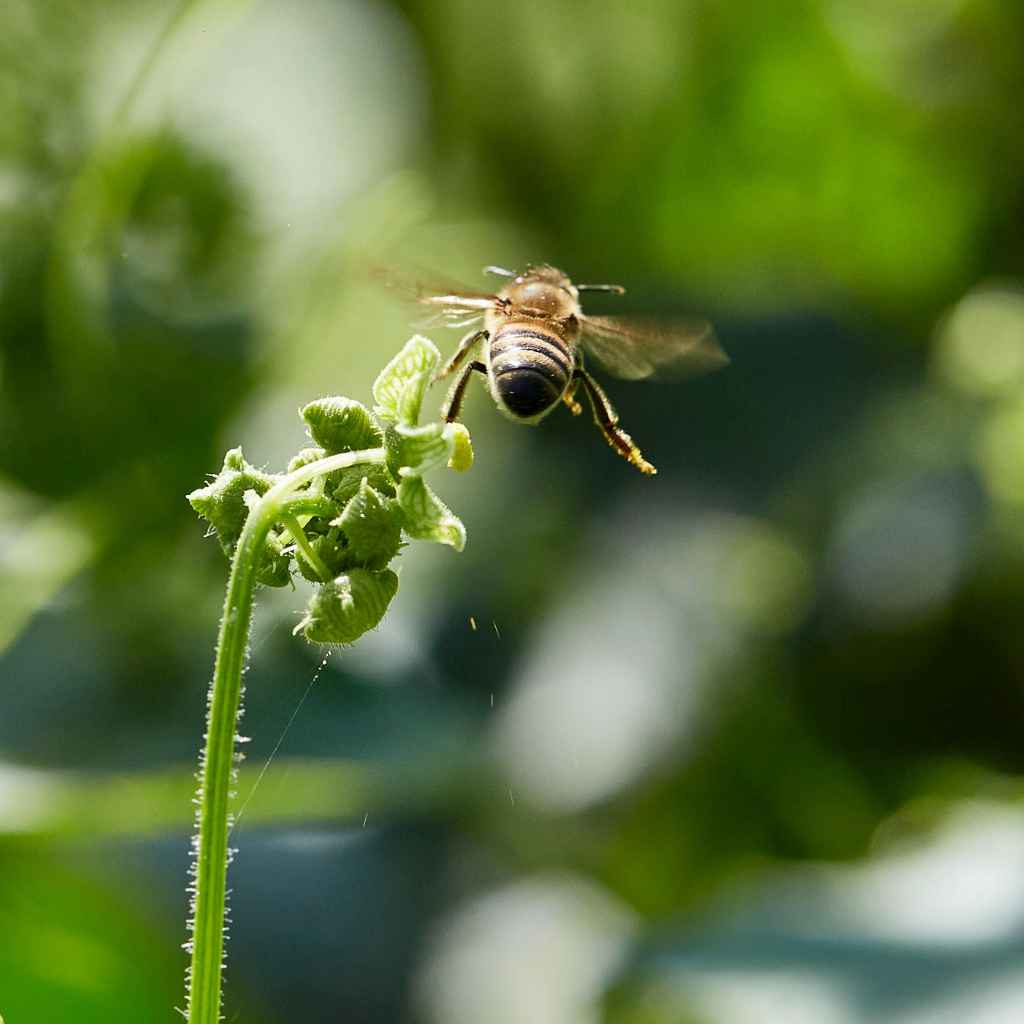
What Kind Of Flying Insect Attacks Vegetable Gardens?
This article helps you identify common flying insects that damage vegetable gardens. You’ll learn what they look like, the signs they leave behind, and how they harm your plants, so you can take steps to protect your harvest.
Understanding Flying Garden Pests
Many small flying insects love vegetable gardens. They are drawn to the tasty leaves, stems, and fruits. Some are tiny, while others are a bit bigger.
Knowing their look helps you spot them. It also helps you see the damage they do.
These insects often come in waves. One day your plants look fine. The next, you see tiny holes or chewed edges.
Sometimes, you might see sticky residue or wilting. These are clues that a flying pest is on the job.
The kind of insect matters a lot. Different pests like different plants. Some eat leaves.
Others suck sap. Some chew on fruits. The damage they cause can tell you who the culprit is.
This guide will help you match the pest to its signature move.

My Garden Nightmare: The Case of the Tiny Flyers
I remember one summer vividly. I had planted a whole row of zucchini. They were growing so well!
I was dreaming of zucchini bread and grilled zucchini. Then, one morning, I went out to water. I saw tiny, almost invisible dots on the undersides of the leaves.
They were moving!
At first, I thought it was just dust. But as I looked closer, I saw little green and black specks. They were sucking the life out of my zucchini leaves.
The leaves started to curl and turn yellow. It felt like a silent invasion. I felt a pang of panic.
All my zucchini dreams seemed to be turning sour. I spent hours online, trying to figure out what these tiny terrors were.
Common Flying Insects in Your Veggie Patch
Let’s dive into who these flying garden attackers might be. We’ll look at their common traits and the signs they leave behind. This will help you become a garden detective.
Aphids: The Sap-Sucking Swarmers
Aphids are probably the most common garden pest. They are tiny insects, often no bigger than a pinhead. They come in many colors.
Greens, blacks, yellows, and even pinks are common. You’ll usually find them in clusters.
They love to hang out on new growth. This means the tips of stems and the undersides of young leaves. Aphids use their sharp mouthparts to pierce plant tissues.
Then, they suck out the plant’s sugary sap. This sap is their food.
Signs of Aphids:
- Yellowing or distorted leaves.
- Curled or stunted new growth.
- Sticky residue on leaves and stems. This is called honeydew.
- Black sooty mold growing on the honeydew.
- Seeing clusters of tiny insects, often green or black.
- Sometimes, you might see tiny, winged aphids flying around.
Aphids can reproduce very quickly. A small problem can become a huge infestation in just days. They also spread plant diseases.
Aphid Quick Facts
What they eat: Plant sap, especially from new growth.
Where they hide: Undersides of leaves, stem tips.
Key sign: Sticky honeydew, distorted leaves.
Reproduce: Very quickly, often without males.
Whiteflies: The Tiny White Cloud
Whiteflies are another common nuisance. They are small, white, moth-like insects. They are about the size of a gnat.
When you disturb a plant with whiteflies, they swarm up in a white cloud.
Like aphids, whiteflies feed on plant sap. They gather on the undersides of leaves. They also leave behind that sticky honeydew.
This can lead to the same sooty mold problem as aphids.
Signs of Whiteflies:
- Yellowing leaves.
- Weakened plant growth.
- A sudden white cloud of tiny insects when a plant is disturbed.
- Sticky honeydew on leaves.
- Black sooty mold.
Whiteflies are often found on tomatoes, peppers, beans, and cucumbers. They thrive in warm weather.
Fungus Gnats: The Soil Dwellers That Fly
Fungus gnats are small, dark flies. They are often seen hovering around the soil surface of houseplants or in damp garden areas. The adult flies are mostly a nuisance.
They don’t usually harm mature plants directly.
However, their larvae live in the soil. These tiny, worm-like larvae feed on organic matter. They can also chew on plant roots.
This is especially problematic for seedlings and young plants. They can weaken them or even kill them.
Signs of Fungus Gnats:
- Small, dark flies hovering near the soil.
- Seedlings or young plants that are wilting or stunted.
- Damp soil that stays wet for a long time.
- Tiny, translucent larvae found in the soil.
Fungus gnats prefer moist conditions. Overwatering is a common cause of fungus gnat problems.
Fungus Gnat Larvae vs. Adults
Adults: Annoying flyers, mostly harmless to plants.
Larvae: Live in soil, feed on roots and organic matter, can damage seedlings.
Problem trigger: Overwatering, constantly wet soil.
Thrips: The Tiny Scarring Pests
Thrips are very small, slender insects. They are hard to see without a magnifying glass. They come in various colors, often yellow, brown, or black.
They have unique fringed wings.
Thrips scrape the surface of plant cells. Then, they suck out the plant juices. This feeding causes tiny silvery or white streaks on leaves and petals.
It can also cause distorted growth and brown spots.
Signs of Thrips:
- Tiny silvery or white patches on leaves.
- Stippling or speckled damage.
- Distorted flowers or fruits.
- Small black dots, which are their droppings.
- Leaves may curl or drop.
Thrips can infest many vegetables, including tomatoes, peppers, cucumbers, and beans. They can also spread viruses.
Leafminers: The Tunnel Makers
Leafminers are not a single type of insect. It’s a group of pests whose larvae tunnel within plant leaves. The adults are often small flies or sawflies.
They lay their eggs on the leaf surface.
When the larvae hatch, they start eating their way through the leaf tissue. This creates winding, discolored tunnels or “mines.” These mines are the tell-tale sign of leafminers.
Signs of Leafminers:
- Irregular, winding tunnels on leaves.
- The tunnels are often pale green or white.
- Leaves may turn yellow and drop prematurely.
- Small black dots inside the tunnels (larvae or droppings).
Leafminer damage is common on spinach, lettuce, beets, beans, and tomatoes. While it looks bad, it rarely kills the plant. However, it can weaken it.
Leafminer Damage: What You See
The Tunnels: Winding trails within the leaf.
Color: Often pale green or white paths.
Cause: Larvae eating the leaf’s insides.
Affected plants: Spinach, lettuce, beans, tomatoes, and more.
Flea Beetles: The Tiny Jumpers
Flea beetles are small, shiny beetles. They are usually black or dark blue. They are called flea beetles because they can jump like fleas when disturbed.
They are about the size of a large aphid.
These beetles chew small, round holes in leaves. It looks like someone used a tiny hole punch. They are particularly fond of young seedlings.
Eggplant, tomatoes, peppers, potatoes, and cole crops (like broccoli and cabbage) are favorites.
Signs of Flea Beetles:
- Numerous small, round holes in leaves.
- The damage looks like buckshot.
- Young plants can be severely damaged or killed quickly.
- Seeing tiny, jumping black beetles on leaves.
Flea beetles are most active in warm, dry weather. They can be a major problem early in the growing season.
Squash Bugs and Squash Vine Borers: Specific Vegetable Threats
While not always flying in the adult stage, these pests are major garden destroyers. Adults might fly to find new plants.
Squash Bugs: These are shield-shaped, dark gray or brown bugs. They feed on squash and pumpkin plants. They suck the juice from leaves and stems.
This causes wilting and yellowing.
- Signs: Yellow spots on leaves that turn brown and dry. Wilting plants, especially in hot weather. Small, bronze-colored eggs in clusters on leaf undersides.
Squash Vine Borers: These are clear-winged moths that look like wasps. They lay eggs at the base of squash plants. The hatching larvae bore into the main stem.
They then tunnel upwards, destroying the plant’s vascular system.
- Signs: Sudden wilting of the entire plant, even when watered. Sawdust-like frass (insect droppings) near the base of the stem. A large hole at the base of the stem.
Know Your Squash Pests
Squash Bugs: Adult bugs feed on leaves and stems. Cause wilting and yellowing.
Squash Vine Borers: Moth lays eggs; larvae bore into the stem. Cause sudden plant death.
Key difference: Bugs are visible on the outside. Borers work from the inside.
Cabbage Worms (Adult Moth/Butterfly): The Delicate Flyers
While the worms themselves are the main problem, their adult stage is a flying insect. These are small white or brown moths or butterflies. They are often seen fluttering around cole crops like cabbage, broccoli, cauliflower, and kale.
These adult insects lay tiny eggs on the leaves. The hatching caterpillars are what do the damage. They chew large holes in the leaves.
They can strip plants bare quickly.
Signs of Cabbage Worms:
- Large, irregular holes in leaves.
- Greenish caterpillar bodies crawling on the leaves.
- Clusters of tiny white or yellow eggs on leaf undersides.
- The presence of small white or brown moths/butterflies fluttering around plants.
These are very common and can quickly decimate brassica crops.
Real-World Context: Why Pests Appear
Several factors make your vegetable garden an attractive buffet for flying insects. Understanding these can help you prevent problems before they start.
Environmental Triggers
Weather: Many flying insects thrive in specific weather conditions. Warm, dry spells can encourage pests like flea beetles and spider mites (which can sometimes appear as tiny flying dots). Rainy periods can sometimes increase fungus gnat populations due to moist soil.
Season: Different pests are active at different times of the year. Spring is often when seedlings are vulnerable to flea beetles. Summer can bring heat-loving pests like squash bugs.
Location: Gardens near wooded areas or fields might see more variety of insects. Proximity to other gardens or even weeds can also be a factor.
Gardening Habits
Overwatering: This is a big one! Constantly wet soil is a magnet for fungus gnats and can weaken plant roots, making them more susceptible to other pests.
Plant Spacing: When plants are too crowded, airflow is reduced. This creates a more humid microclimate that pests love. It also makes it easier for them to spread from plant to plant.
Crop Rotation: Planting the same crops in the same spot year after year can build up pest populations. Certain pests have life cycles tied to specific host plants. Rotating crops helps break this cycle.
Sanitation: Leaving dead plant debris in the garden over winter can harbor pests and diseases. Cleaning up thoroughly in the fall is important.
Plant Choices and Design
Vulnerable Plants: Some plants are just more attractive to certain pests. For instance, brassicas (broccoli, cabbage) are prime targets for cabbage worms. Cucurbits (squash, cucumbers) are magnets for squash bugs.
Weak Plants: Plants that are stressed from poor soil, lack of sun, or inconsistent watering are weaker. They are more easily attacked and damaged by pests.
Weeds: Weeds can often serve as alternate hosts for garden pests. Keeping your garden bed weed-free can reduce pest populations.
What This Means For Your Garden
Seeing flying insects or their damage can feel overwhelming. But understanding who they are helps a lot. Not every tiny bug is a major threat.
Some are even beneficial predators.
When is it Normal?
It is completely normal to see a few beneficial insects like ladybugs or lacewings. These are flying bugs that eat pests like aphids. A few aphids on a leaf are also normal.
Plants can handle a small population without much harm.
A few tiny holes from flea beetles on a large, healthy plant might not be a big deal. You might also see adult moths flying around that are not harmful to your vegetables. The key is scale and the type of damage.
When to Worry
You should worry when you see:
- Large numbers of the same pest.
- Damage that is spreading quickly.
- Young seedlings being destroyed.
- Plants showing signs of severe stress like wilting, yellowing, or stunted growth.
- Specific pests known to cause major damage, like squash vine borers.
If you see the sticky honeydew from aphids or whiteflies, it’s a sign of a growing problem. That’s when it’s time to act.
Simple Checks You Can Do
Inspect Regularly: Spend a few minutes each day or every other day looking at your plants. Check the undersides of leaves, new growth, and stems.
Look for Eggs: Many pests lay eggs in clusters. Finding these can help you catch a problem early. They are often on the undersides of leaves.
Observe Damage: What kind of damage are you seeing? Is it holes? Silvery streaks?
Tunnels? This helps identify the pest.
Shake It Out: Gently shake a plant. If tiny insects fly up in a cloud, it’s likely whiteflies or aphids.
Feel the Soil: Is it constantly soggy? This points to potential fungus gnat issues.
Your Garden’s Health Check
Daily: Quick visual scan of plants.
Weekly: Deeper inspection of leaves and stems.
Watch for: Pest clusters, eggs, specific damage patterns.
Listen to your plants: Stressed plants tell a story.
Quick Tips for Managing Flying Pests
Once you’ve identified a flying pest, you might want to take action. Here are some common, gentle ways to manage them.
Encourage Beneficial Insects
Ladybugs, lacewings, and hoverflies are natural predators of aphids and other small pests. Planting flowers like dill, fennel, and yarrow can attract them. Avoid using broad-spectrum pesticides that kill these helpful insects too.
Water Wisely
Avoid overwatering. Let the soil surface dry out a bit between waterings. This helps deter fungus gnats and keeps plants healthier.
Water in the morning so leaves can dry.
Physical Removal
For a small infestation of aphids or whiteflies, a strong spray of water from your hose can knock them off. You can also simply wipe them off with your fingers or a soft cloth.
Row Covers
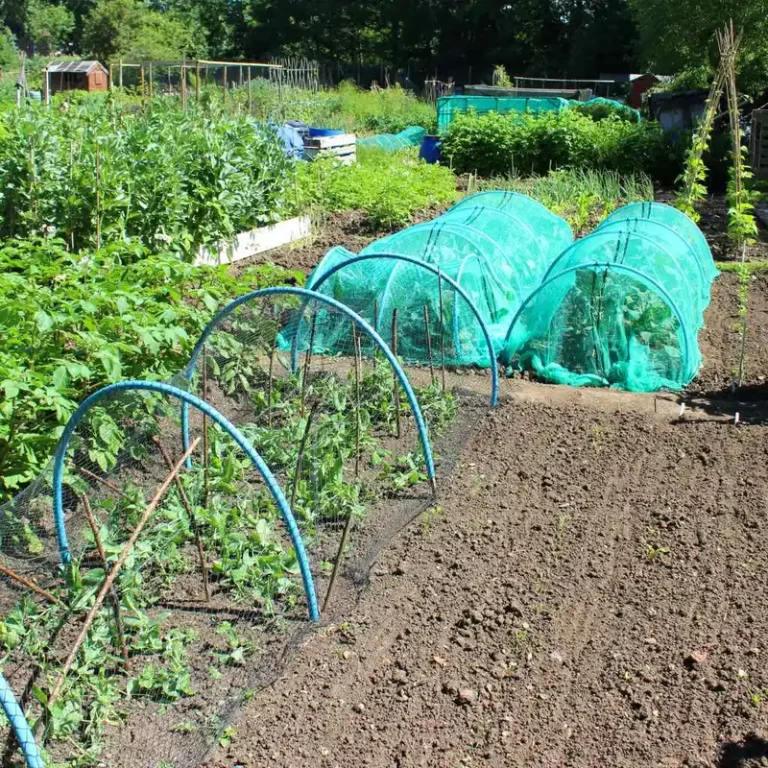
For vulnerable seedlings, especially cole crops and cucumbers, lightweight row covers can act as a physical barrier. They keep flying insects from reaching the plants to lay eggs.
Traps
Yellow sticky traps can help monitor and catch flying insects like fungus gnats and whiteflies. Place them near your plants.
Companion Planting
Some plants are thought to repel certain pests. For example, marigolds are often planted near vegetables to deter nematodes and other insects.

Frequently Asked Questions About Flying Garden Pests
What is the most common flying insect that attacks vegetable gardens?
The most common flying insect that attacks vegetable gardens is the aphid. These tiny sap-suckers come in many colors and often gather in large numbers on new growth.
How can I tell if I have whiteflies or aphids?
Whiteflies are tiny, white, moth-like insects that fly up in a cloud when disturbed. Aphids are usually green, black, or other colors and tend to stay in clusters on stems and leaf undersides, often causing sticky honeydew.
Why are there tiny black flies around my vegetable plants’ soil?
These are likely fungus gnats. The adult flies are mostly harmless, but their larvae live in the soil and can eat plant roots, especially in seedlings or when the soil stays too wet.
My plant leaves have tiny, winding tunnels. What is this?
This damage is caused by leafminers. The larvae of certain flies or sawflies tunnel through the plant’s leaves, creating these visible trails. It can weaken the plant but usually doesn’t kill it.
I see lots of small, round holes in my young plant leaves. What’s eating them?
This is characteristic damage from flea beetles. These small, jumping beetles chew many tiny holes in leaves, and they can quickly defoliate or kill young seedlings.
What flying insect causes plants to suddenly wilt without warning?
For squash plants, a sudden wilt is often a sign of squash vine borers. The adult moth lays eggs, and the larvae bore into the stem, blocking the flow of water and nutrients.
Putting It All Together: Your Garden’s Defenders
Knowing which flying insect is visiting your vegetable garden is the first step. It’s like being a detective for your plants. Each pest leaves different clues.
By observing the damage and the insects themselves, you can identify your unwanted guests. Then you can choose the best way to manage them. Protecting your garden means a healthier, tastier harvest for you!