Is Malabar Spinach Safe In Maryland Vegetable Gardens?
Malabar spinach is generally safe and can be grown successfully in Maryland vegetable gardens. It thrives in warm weather when traditional spinach bolts. While not a true spinach, it offers a similar leafy green that tolerates heat and humidity well, making it a reliable choice for summer harvests in Maryland. Ensure good drainage and support for its vining growth.

Unknown
Malabar Red Spinach Seeds (20 Seed Pack)
- Heirloom, Organic, Non GMO, Vegetable, Fruit, Herb, Flower Garden Seeds
- Seeds are perfect for Planting in Gardens and Greenhouses.
- Direct sowing is recommended or you can start growing indoors 4 weeks before last frost in individual Seed trays or pots.
As an Amazon Associate I earn from qualifying purchases.
For a related vegetable-garden decision, Is Pressure Treated Wood Safe For Vegetable Gardens? adds another practical check before you choose materials or treatments.
For a related vegetable-garden decision, Is Roundup Safe to Use Around Vegetable Gardens? The adds another practical check before you choose materials or treatments.
For a related vegetable-garden decision, Is Cutter Backyard Spray Safe For Vegetable Gardens? Here adds another practical check before you choose materials or treatments.

Understanding Malabar Spinach
Malabar spinach, also known as vine spinach or Ceylon spinach, is a fascinating plant. It comes from tropical regions. This means it loves warmth and sunshine. Unlike regular spinach, which prefers cool weather, Malabar spinach actually grows better when temperatures rise. This makes it a wonderful option for those hot Maryland summers when other leafy greens might struggle.
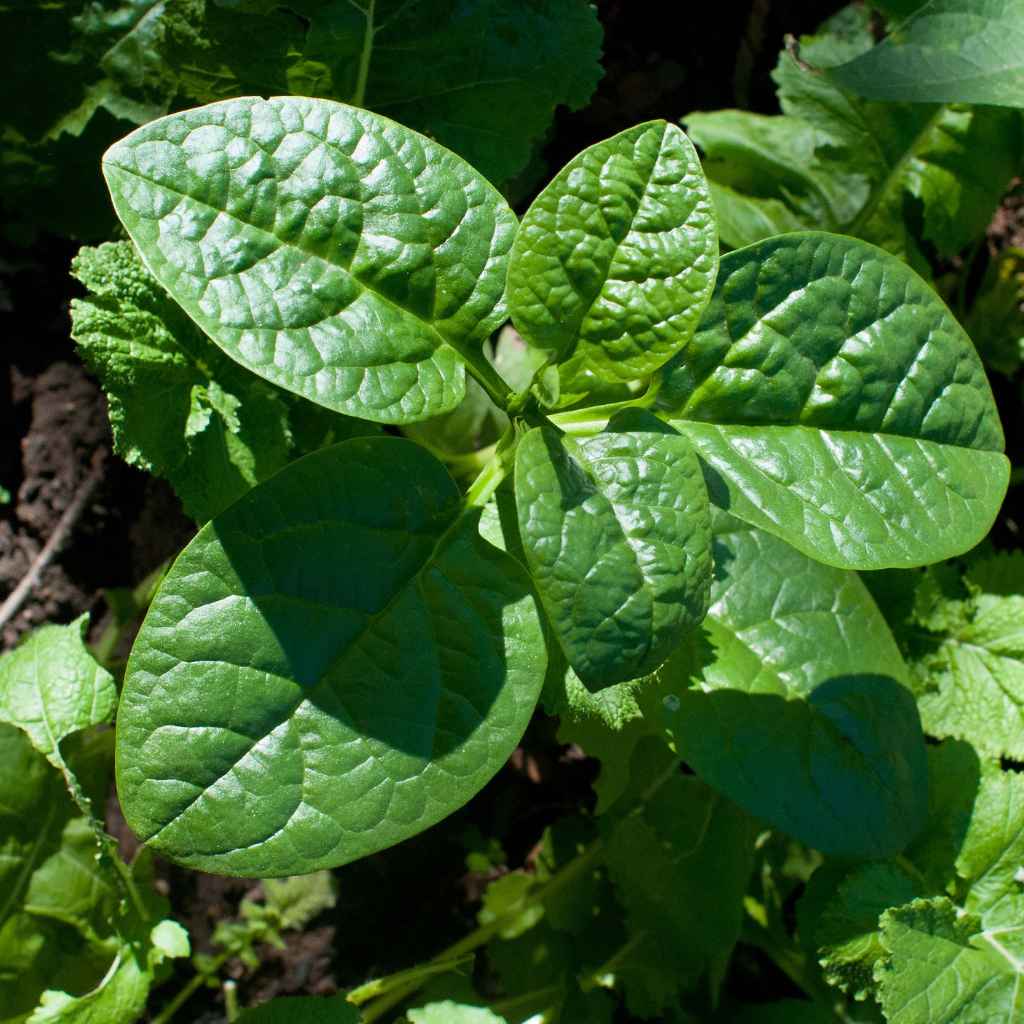
Its scientific name is Basella alba. It’s not related to true spinach at all. It’s in a different plant family. But it looks and tastes much like spinach. The leaves are thick and slightly shiny. The stems can be green or red, depending on the variety. It grows as a vine. This means it needs something to climb on. It can get quite long!
In Maryland, summers can get very hot and humid. This is exactly the kind of weather Malabar spinach enjoys. Many gardeners find their regular spinach plants wilt and go to seed quickly when it gets hot. This is called “bolting.” Malabar spinach does not bolt. It keeps producing leaves all through the summer and even into the fall.

My Own Malabar Spinach Adventure
I remember my first summer trying to grow spinach in my Maryland garden. It was a disaster. I planted the seeds early. They sprouted beautifully. Then, the June heat hit. Within a week, my little spinach plants were all yellow and floppy. They were sending up flower stalks. I was so disappointed. I love fresh spinach for salads and cooking.
A gardening friend told me about Malabar spinach. She said, “Try this. It’s like spinach but loves the heat.” I was skeptical. How could a “spinach” like hot weather? I found some seeds online. I planted them in late spring, after the last frost. I gave them a trellis to climb. Soon, I had these fast-growing vines. They looked different, but the leaves were perfect for picking.
That summer, while my neighbors’ spinach plots were bare, I was harvesting Malabar spinach every week. It filled the gaps perfectly. The leaves were slightly different from true spinach. They had a bit more texture and a mild, pleasant flavor. I used it in salads, sautéed it, and even added it to pasta dishes. It was a game-changer for my summer garden. I learned that sometimes, a plant that isn’t exactly what you expect can be even better.
Malabar Spinach vs. True Spinach
Key Differences:
- Plant Family: Malabar spinach is in the Basellaceae family. True spinach is in the Amaranthaceae family.
- Heat Tolerance: Malabar spinach loves heat. True spinach prefers cool weather and bolts quickly in heat.
- Growth Habit: Malabar spinach is a vine. True spinach is an upright, bushy plant.
- Leaf Texture: Malabar spinach leaves are thicker and slightly succulent. True spinach leaves are thinner.
- Flavor: Both have a mild, green flavor. Malabar spinach can be slightly earthier to some.
Growing Malabar Spinach in Maryland
So, how does this heat-loving vine do in Maryland? Very well, generally. The U.S. Department of Agriculture (USDA) hardiness zones for Maryland range mostly from 7a to 8b. Malabar spinach is an annual in most of these zones. It won’t survive a harsh frost. But it will grow vigorously during the warm months.
Planting time is crucial. You should wait until all danger of frost has passed. In Maryland, this is typically late April or May. The soil temperature should be warm. Malabar spinach seeds can germinate in soil that is 70°F (21°C) or warmer. If you plant too early, the seeds might rot, or the young plants could be killed by a late cold snap.
One of the most important things for Malabar spinach is giving it something to climb. It’s a vining plant and can grow 5 to 10 feet long. A trellis, a fence, or even sturdy poles can work. This keeps the plant off the ground. It also makes harvesting much easier. Without support, the vines will sprawl along the ground. This can lead to more disease issues and make it hard to pick the leaves.
Soil is another key factor. Malabar spinach likes well-drained soil. If your garden soil holds too much water, the roots can rot. Adding compost or other organic matter can help improve drainage and add nutrients. The plant isn’t overly fussy about soil pH, but it prefers slightly acidic to neutral soil.
Sunlight is also important. Malabar spinach loves full sun. It needs at least 6 to 8 hours of direct sunlight each day to grow its best. In the hottest part of a Maryland summer, a little afternoon shade might be helpful. But overall, it thrives in bright, sunny conditions. This is why it’s such a great summer crop when other greens might burn.
Planting Tips for Success
When to Plant: After the last frost, when soil is warm.
Support: Provide a trellis, fence, or stakes for climbing.
Soil: Well-drained soil is a must. Amend with compost.
Sun: Full sun (6-8 hours daily) is ideal.
Watering: Keep soil consistently moist, but not waterlogged.
Potential Issues and Considerations
While Malabar spinach is generally robust, there are a few things to watch out for. The main concern for any gardener is pests and diseases. Luckily, Malabar spinach is relatively resistant to many common garden pests. You might occasionally see aphids or spider mites, especially if the plant is stressed.
If you do spot pests, healthy plants are your best defense. Making sure the plant has good air circulation helps. This is why providing support for the vines is so important. It keeps leaves from getting too crowded and damp. For mild infestations, a strong spray of water can dislodge pests. If it’s more serious, insecticidal soap or neem oil can be used. Always follow product instructions carefully.
Disease is less common, especially if you follow good watering practices. Overwatering or poorly drained soil can lead to root rot. Fungal leaf spots can also occur in very humid conditions with poor air flow. The best prevention is to water the base of the plant, not the leaves. And again, ensure that soil drains well.
One thing people sometimes wonder about is the berry-like fruit it produces. After the plant flowers, small, dark, berry-like fruits form. These are edible and are sometimes used as a natural food coloring. They are not poisonous, but they are not the main reason people grow Malabar spinach. The focus is on the delicious leaves.
For Maryland gardeners, the biggest “issue” is really understanding its growth habit. It’s a vine, not a bush. It needs vertical space. If you try to grow it like regular spinach, you’ll be disappointed. But once you provide the right support, it becomes a prolific producer. It will keep giving you harvests throughout the entire hot season.
Common Pests & Diseases
| Problem | Signs | Solution |
|---|---|---|
| Aphids | Tiny green or black insects on new growth. Yellowing leaves. | Water spray, insecticidal soap. |
| Spider Mites | Tiny webs, speckled or yellowed leaves. | Neem oil, increase humidity if possible. |
| Root Rot | Wilting even when watered, yellowing leaves, mushy roots. | Improve drainage, avoid overwatering. |
Harvesting and Using Malabar Spinach
Harvesting Malabar spinach is straightforward and rewarding. You can start picking leaves once the plant has established itself and is actively growing, usually a few weeks after planting. The best way to harvest is to snip off the top few inches of the vines or pluck individual leaves from the stem.
Regular harvesting actually encourages the plant to produce more leaves. It’s like pruning. This is why it’s often called a “cut-and-come-again” vegetable. You can harvest lightly throughout the season, taking only what you need for a meal. This allows the plant to keep producing. For a bigger harvest, you can cut back entire vines.
When you pick the leaves, you’ll notice they are a bit thicker and more robust than true spinach. They hold up well to cooking. You can use them in many of the same ways you would use regular spinach. Sautéing is a great option. Just cook them briefly until they wilt. They are also delicious in stir-fries, soups, and stews.
For salads, you might prefer to use the younger, more tender leaves. These have a milder flavor and softer texture. You can also chop them finely. Some people find the thicker leaves are best cooked rather than eaten raw. Experiment to find what you like best. The flavor is mild and slightly peppery, adding a nice green note to dishes.
One great thing about Malabar spinach in Maryland is that it will continue producing as long as the weather stays warm. Even when other leafy greens have long since finished for the season, Malabar spinach will often keep going until the first hard frost. This extends your harvest window significantly, which is a huge win for any gardener.
Creative Ways to Use Malabar Spinach
Summer Salads: Use younger leaves, mixed with other greens.
Sautéed Side Dish: Quickly cook with garlic and olive oil.
Stir-fries: Add towards the end of cooking to wilt.
Soups and Stews: Stir in for added nutrition and color.
Smoothies: A small amount can add nutrients without overpowering flavor.
Is It Normal for Malabar Spinach to Climb?
Yes, it is absolutely normal for Malabar spinach to climb. This is one of its defining characteristics and why it’s called a “vine spinach.” If you see your Malabar spinach sending out long, tendril-like shoots that reach for support, that’s a sign of healthy growth. This is how it naturally grows and spreads in its native tropical environment.
This climbing behavior is not something to worry about. Instead, it’s something to plan for. As mentioned before, providing a trellis, cage, or other structure is essential for successful cultivation. Without it, the plant will sprawl on the ground. This makes it harder to harvest, can lead to more pest and disease problems, and doesn’t let the plant grow as vigorously.
When Malabar spinach climbs, it puts its energy into producing a lot of leafy material. This is exactly what gardeners want. The longer the vines grow, the more leaves you can harvest. The stems themselves are also edible, though most people focus on the leaves. The stems can be a bit tougher and more fibrous.
Think of it this way: when a plant is a vine, its natural instinct is to seek out vertical support to reach sunlight more effectively. This is a survival strategy. For us gardeners, it means we need to provide that support. In Maryland, with its warm summers, this climbing vine can become quite a productive edible plant if given the right conditions.
When to Be Concerned (and When Not To!)
Most of the time, Malabar spinach in a Maryland garden is a picture of health. Its love for heat and humidity means it often thrives when other greens are suffering. So, when should you actually be concerned? Usually, it’s when the plant looks stressed or shows signs of disease or significant pest infestation.
If your Malabar spinach is wilting dramatically during the day, even when the soil is moist, this can be a sign of root problems or extreme heat stress. However, if it perks up in the evening, it might just be experiencing normal daytime heat. Check the soil moisture and the plant’s roots if you can. Ensure good drainage to prevent root rot.
Yellowing leaves can be a sign of nutrient deficiency, but more often it’s related to watering issues or pests like aphids. Look closely at the undersides of the leaves and the new growth for any small insects. If the yellowing is widespread and there are no visible pests or disease, consider if your soil might be lacking something. However, for a summer crop, a little bit of yellowing due to heat might just be its way of coping.
Don’t be concerned if the plant is growing vigorously and producing lots of leaves. Don’t worry if it’s climbing your trellis or fence. This is exactly what it’s supposed to do! The small berry-like fruits that form after flowering are also normal and not a cause for alarm. They are simply part of the plant’s life cycle.
The biggest indicator that Malabar spinach is happy in your Maryland garden is consistent leaf production through the hot, humid months. If you’re harvesting regularly and the plant looks lush and green, you’re doing great! It’s a testament to its ability to thrive in conditions that would stress many other vegetables.
Quick Tips for a Bountiful Harvest
To ensure your Malabar spinach thrives and gives you plenty to eat all summer long in Maryland, here are a few simple tips. These are easy to remember and make a big difference.
- Provide Ample Support: This is key. Set up your trellis or stakes before you plant, or as soon as the seedlings are a few inches tall. Guide the young vines onto the support early.
- Water Consistently: Malabar spinach likes moist soil. Check the soil moisture regularly, especially during hot, dry spells. Water deeply at the base of the plant.
- Feed It Well: While not a heavy feeder, adding compost to the soil at planting time gives it a good start. A light feeding with a balanced organic fertilizer halfway through the season can boost production.
- Harvest Regularly: Don’t let the vines get overgrown. Snip off leaves and tender stem tips every week or two. This keeps the plant productive and prevents it from getting woody.
- Watch for Pests: Even though it’s resistant, keep an eye out for aphids or spider mites. Early detection makes them easy to manage.
- Succession Planting (Optional): If you have the space, you could plant a second round a few weeks after the first to ensure a continuous supply.

Frequently Asked Questions
Can I grow Malabar spinach in pots in Maryland?
Yes, you can! Malabar spinach grows very well in containers. Choose a large pot, at least 10-12 inches deep and wide. Make sure it has drainage holes. You’ll need to provide a trellis or support within the pot for it to climb. Container plants may need watering more often, especially in hot Maryland weather.
What happens to Malabar spinach in the winter in Maryland?
Malabar spinach is an annual plant in Maryland’s climate. It cannot survive freezing temperatures. When the first hard frost arrives, the plant will die back. You can try to harvest any remaining leaves before this happens. The seeds, however, can be saved for the following spring. In tropical climates, it can be a perennial.
Does Malabar spinach taste like real spinach?
It has a similar mild, green flavor. Many people find it a good substitute for true spinach, especially in summer. The leaves are a bit thicker and more succulent than true spinach. Some say it has a slightly earthier or more robust flavor. It works well in cooked dishes and can be used raw in salads if the leaves are young and tender.
Can Malabar spinach grow in shade?
Malabar spinach prefers full sun for best growth and production. It needs at least 6 to 8 hours of direct sunlight per day. While it might grow in partial shade, the vines may become leggy and produce fewer leaves. In the peak of a hot Maryland summer, a little bit of afternoon shade might prevent leaf scorching, but it still needs plenty of light.
What are the red-stemmed varieties of Malabar spinach?
There are different varieties of Malabar spinach. Some have green stems and leaves, while others have vibrant red stems and sometimes reddish tinges on the leaves. These red varieties are just as safe and edible as the green ones. They add a lovely visual appeal to the garden and can be used interchangeably in cooking.
Is it safe to eat the berries from Malabar spinach?
Yes, the small, dark, berry-like fruits that form on Malabar spinach after flowering are edible. They are not a significant food source and are usually not the primary reason for growing the plant. They can be used for their natural coloring properties. They are not poisonous and can be eaten if you wish.
Final Thoughts on Growing Malabar Spinach
So, to answer your question directly: yes, Malabar spinach is safe and often a wonderful addition to Maryland vegetable gardens. It’s a plant that truly shines when other greens are wilting. Embrace its vining nature, give it something to climb, and you’ll be rewarded with a steady supply of nutritious leaves all summer long. Happy gardening!
Related pick: Check today's price on Amazon