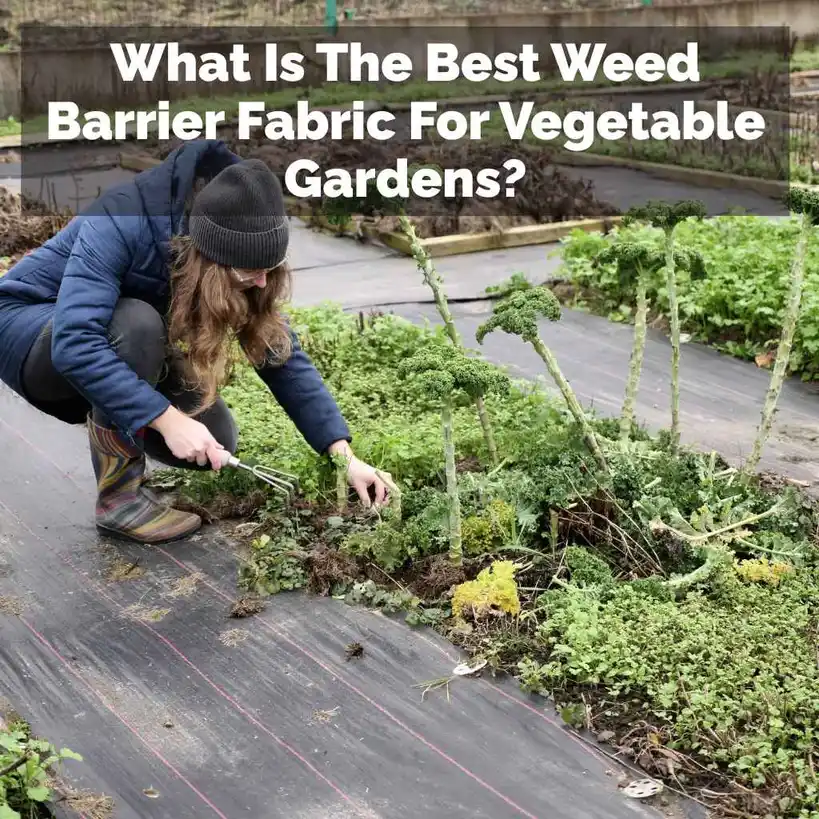
What Is The Best Weed Barrier Fabric For Vegetable Gardens?
Finding the best weed barrier fabric for your vegetable garden means choosing a material that stops weeds but still lets your plants breathe and grow. Look for permeable, durable options that fit your gardening style. This guide explores the top choices to help you win the weed war.

LAVEVE
LAVEVE Heavy Duty Weed Barrier Landscape Fabric…
- Professional Grade Weed Barrier: LAVEVE weed barrier fabric is made of woven polypropylene material. Its high-density and permeabl…
- Highly Permeable and Breathable: Weed control mat that resist UV rays and withstand sun exposure feature a cross-weave and permeab…
- Easy to Cut and Install: Weed blocker fabric has clear green guide lines that help align planting. You can cut it freely with hous…
As an Amazon Associate I earn from qualifying purchases.

Understanding Weed Barrier Fabric for Veggie Patches
Weed barrier fabric, sometimes called landscape fabric or weed cloth, is a special material. Its main job is to block weeds from growing up from the soil. Think of it as a tough, protective blanket for your garden beds.
It stops sunlight from reaching weed seeds in the ground. Without light, most weed seeds can’t sprout. This means less work for you trying to pull them out later.
For vegetable gardens, this is super important. We want our tomato plants, carrots, and beans to get all the good stuff from the soil, not the weeds.
There are different kinds of weed barriers. Some are made of woven plastic. Others are non-woven and feel more like felt.
The best ones for vegetable gardens need to let water and air pass through. This is vital so your plant roots don’t get waterlogged or suffocate. If the fabric doesn’t let water through, rain or your watering can will just run off.
This can leave your plants thirsty. It also stops helpful soil microbes from doing their job. So, choosing the right type is key.
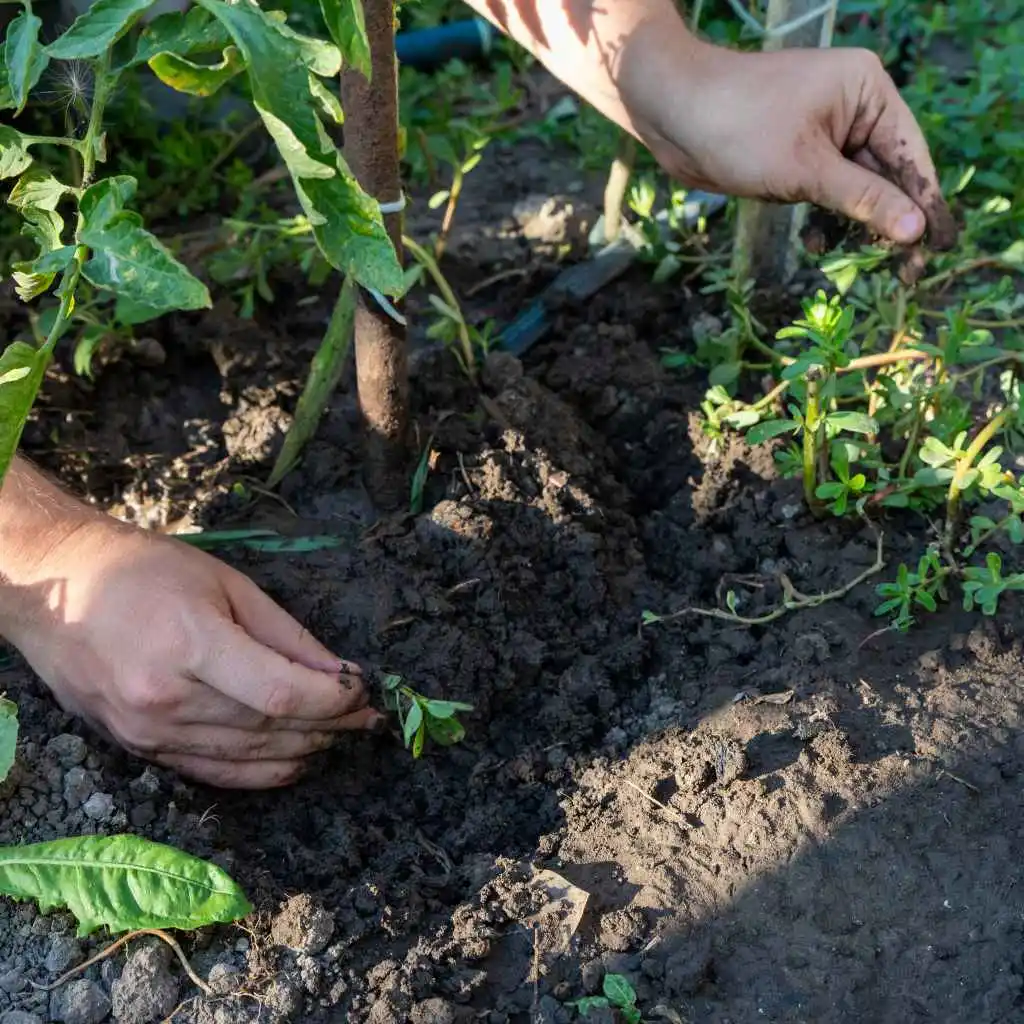
My Own Weed Barrier Wake-Up Call
I remember my first season trying to grow a proper vegetable garden. I had visions of plump tomatoes and crisp lettuce. I spent hours tilling the soil, planting my seedlings, and feeling so proud.
Then, almost overnight, the weeds attacked. They were everywhere! Little green sprouts pushing through the soil like they owned the place.
I felt a wave of panic. I spent my evenings hunched over, pulling tiny, annoying weeds. My hands were dirty, my back hurt, and I felt like I was losing the battle before it even began.
I was so tired of it. One particularly bad evening, after an hour of weeding, I sat back and wondered, “There has to be a better way.” That’s when I started looking into weed barriers. I learned that the wrong kind could actually hurt my garden.
It was a real learning moment about gardening smart, not just hard.
Weed Barrier Basics for Gardeners
What it is: A layer that stops weed seeds from growing.
Why it works: Blocks sunlight needed for sprouting.
Key feature for veggies: Must let water and air pass through.
Types: Woven and non-woven plastic fabrics.
The Main Types of Weed Barrier Fabric
When you start looking, you’ll see a few main kinds of weed barrier fabric. Each has its own strengths. Knowing these will help you pick the best one for your vegetable patch.
We’ll focus on options that are safe and effective for growing food.
Woven Landscape Fabric
Woven fabric looks like a strong, tightly woven mat. It’s often made from polypropylene or polyester. Think of a very sturdy basket weave.
These fabrics are quite strong and can last a long time. They are usually good at letting water and air through because of the gaps in the weave. This makes them a popular choice.
The weave pattern creates small holes. These holes allow water to soak into the soil. They also let air circulate.
This is great for plant roots. It helps prevent rot. Woven fabrics are often used for long-term landscaping projects.
For a vegetable garden, they can be a good choice if you plan to keep the beds weed-free for a while. Make sure to choose a good quality one. Some cheaper woven fabrics might stretch or tear easily.
Woven Fabric: A Quick Look
Appearance: Like a strong, woven mat.
Material: Polypropylene or polyester.
Pros: Durable, good water/air flow, long-lasting.
Cons: Can be punctured by sharp objects, might degrade in UV light over many years if not covered.
Non-Woven Landscape Fabric
Non-woven fabric is different. It feels more like felt or a thick paper. It’s made by bonding fibers together, not weaving them.
This can make it very strong in all directions. Some non-woven fabrics are very good at blocking weeds. They have tiny pores that prevent seeds from getting through.
However, the key thing for vegetable gardens is permeability. Some non-woven fabrics are designed to be less permeable. They might block water and air more than woven types.
This is great for decorative areas where you don’t want anything to grow. But for veggies, you need to be careful. Look for non-woven fabrics that are specifically labeled as permeable or for garden use.
They often have a higher “permeability rating.”
Non-Woven Fabric: Key Points
Appearance: Feels like felt or thick paper.
Material: Bonded fibers.
Pros: Very strong, can be highly weed-resistant.
Cons: Some types can block water and air, check permeability carefully for gardens. Can be more expensive.
Geotextile Fabrics
Geotextile fabrics are a higher-grade type of material. They are often used in heavy-duty construction projects. Think roads and retaining walls.
These fabrics are incredibly strong and durable. They are designed to separate soil layers and prevent erosion. Many geotextiles are excellent at allowing water and air to pass through.
They are also very resistant to UV rays and chemicals.
For a vegetable garden, a geotextile fabric would be a very robust choice. It would likely last for many years. However, they can be more expensive.
You also need to make sure it’s rated for permeability and soil contact. They are often a bit thicker too. This might mean your soil level is slightly higher in the beds.
But if you want a truly long-lasting, effective barrier, these are worth considering. They offer excellent soil stabilization too.
Geotextile Fabric: Heavy Duty Option
What it is: High-strength fabric used in construction.
Pros: Extremely durable, excellent permeability, long lifespan, good for soil stabilization.
Cons: Can be expensive, might be overkill for some home gardens.
Weed Barrier Fabric and Your Vegetable Garden: The Big Question
So, can you use weed barrier fabric in a vegetable garden? The answer is generally yes, but with important conditions. The biggest condition is that it MUST be permeable.
This means water and air can get through it. If it’s not permeable, it will harm your plants. It will create a barrier that water can’t cross.
This leads to root rot and unhappy plants.
Weed barriers are not usually recommended for direct planting through. That is, you don’t typically cut a hole and plant a seed right there. Most gardeners use them as a base layer.
They put the fabric down first. Then they add a layer of mulch or compost on top. This mulch layer protects the fabric from UV light.
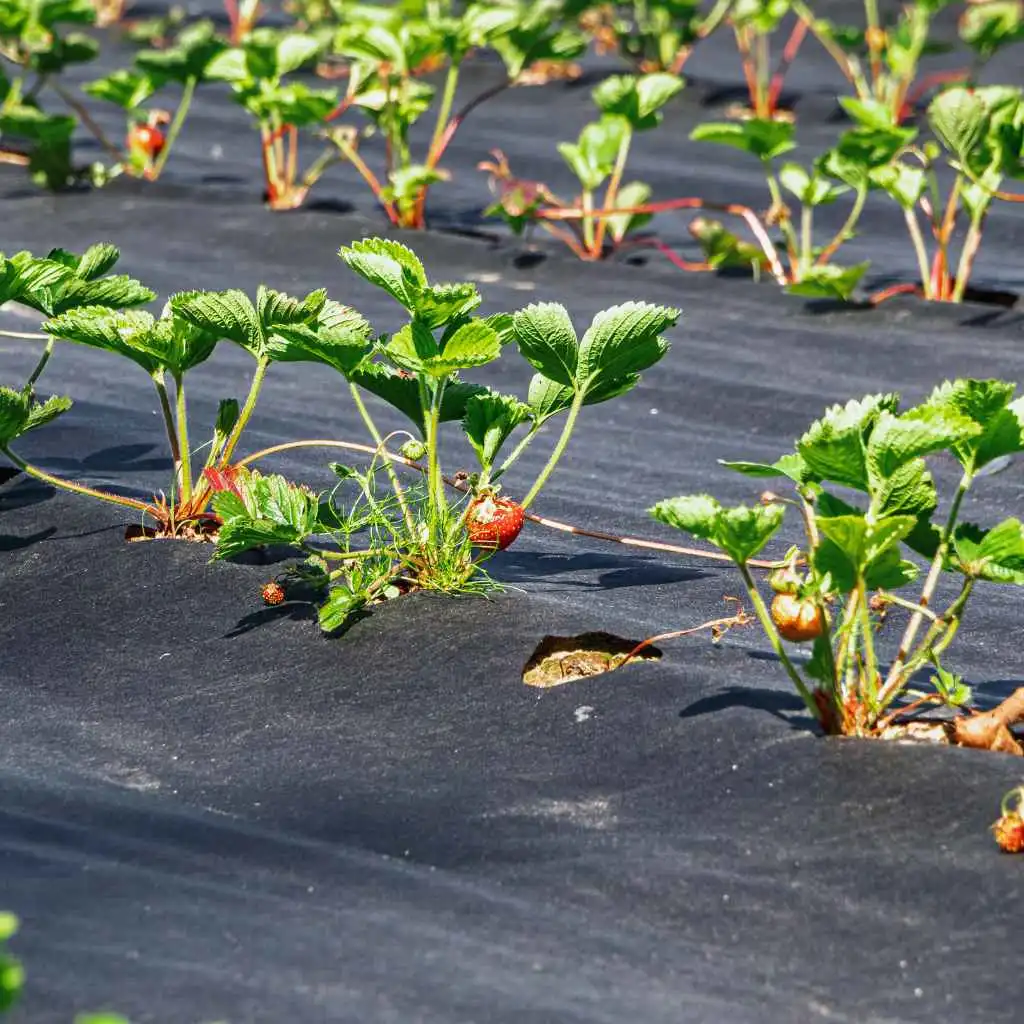
It also makes the garden look nicer. You then plant your vegetable seedlings through slits or holes cut into the fabric. Or, you might place raised beds directly on top of the fabric.
For growing vegetables, the goal is to have healthy soil. Healthy soil needs air and water. It also needs beneficial microbes.
A fabric that blocks these things will hinder your garden’s success. So, the “best” fabric is one that blocks weeds effectively while still allowing life to thrive beneath it. Permeability is the keyword here.
How to Choose the Right Weed Barrier Fabric
Now that you know the types, how do you pick the best one for your veggie patch? It comes down to a few factors. Think about what you need most.
What are your priorities for your garden?
Permeability is Paramount
This is the most critical factor for vegetable gardens. You need a fabric that allows water to drain. You also need air to reach the soil.
Look for descriptions that mention “high permeability” or “water-permeable.” Sometimes, fabrics have a specific rating for how much water can pass through per square foot per minute. Higher numbers are better.
If you’re unsure, a good quality woven fabric is often a safe bet. The weave naturally creates spaces for water and air. Avoid non-woven fabrics that feel very dense or plastic-like.
They are more likely to hold water back. Always check product descriptions carefully. If it doesn’t clearly state it’s permeable, assume it might not be ideal for a vegetable garden.
Durability and Strength
Vegetable gardens get a lot of traffic. You’re in and out, tending to plants, harvesting. You might also be using tools.
You need a fabric that can stand up to this. A fabric that tears easily will fail quickly. It will let weeds through the holes.
Woven fabrics are generally quite strong. Geotextiles are even stronger. The weight of the fabric can also be an indicator.
Heavier fabrics (measured in ounces per square yard or grams per square meter) are usually more durable. Think about how long you want the barrier to last. For a season, a lighter fabric might be okay.
For many years, you’ll want something more robust.
UV Resistance
Many weed barrier fabrics are made of plastic. Plastic can break down over time when exposed to sunlight (UV rays). This can make the fabric brittle and cause it to tear or disintegrate.
This is why covering your fabric with mulch or soil is so important.
Some fabrics are treated to be more UV resistant. This is a good feature to look for, especially if the fabric will be exposed to sun for long periods. However, even UV-resistant fabrics will last longer if they are covered.
Your mulch layer is doing double duty: hiding the fabric and protecting it.
Ease of Installation
How easy is the fabric to cut and lay down? Woven fabrics are usually easier to cut than some non-woven types. You’ll need scissors or a utility knife.
You’ll also need stakes or rocks to hold it in place while you add your mulch or soil. Consider the size of your garden and how much fabric you’ll need. A very heavy fabric might be hard to maneuver by yourself.
You will need to cut holes or slits for your plants. A good quality fabric will resist fraying when cut. This makes the installation process smoother and the finished look cleaner.
Safety for Food Crops
This is a big one for vegetable gardens. You want to make sure the fabric is safe to use around food that you’ll eat. Most standard landscape fabrics made from polypropylene or polyester are considered safe.
They don’t leach harmful chemicals into the soil. Always check the product’s specifications. Look for terms like “food safe” or “garden safe.” Reputable manufacturers will provide this information.
Avoid fabrics that are designed for industrial uses and might contain additives or chemicals not suitable for growing food. If you’re buying from a garden supply store, it’s usually a safe bet. Be more cautious if buying from a general hardware store or online without clear product details.
Quick Checklist for Choosing Fabric
- Permeable? Yes, absolutely crucial.
- Durable? Will it last and not tear easily?
- UV Resistant? A good bonus feature.
- Easy to Cut? For planting holes.
- Food Safe? No harmful chemicals.
Real-World Scenarios: Where Weed Barriers Shine (and Where to Be Careful)
Think about how you use your garden beds. This will help you decide if a weed barrier is right for you and which type works best. Different situations call for different approaches.
In Raised Garden Beds
Raised beds are a very popular place to use weed barrier fabric. You can lay the fabric down first on the ground where you plan to put the bed. Then, you assemble your raised bed on top of it.
This stops weeds from growing up from underneath into your nice, contained soil. This is a fantastic use for a durable, permeable fabric.
You can also line the bottom of a raised bed with fabric if you’re worried about burrowing pests or deep-rooted weeds from below. Just make sure the fabric is laid flat and doesn’t create pockets where water can pool. The key is that the fabric must still allow water to drain out of the bottom of the bed.
For New Garden Plots
If you’re starting a new garden bed in an area that’s currently full of grass or weeds, landscape fabric can be a lifesaver. You can lay it down over the area you want to convert into a garden. You might need to kill off the existing grass first.
Then, you can cover the fabric with a thick layer of compost or topsoil. Over time, the grass and weeds underneath will die. They will decompose, adding organic matter to your soil.
This is called “sheet mulching” or “lasagna gardening” when done with layers.
The fabric acts as a barrier while this decomposition happens. It prevents the old grass from regrowing and bothering your new vegetables. It’s a great way to build healthy soil without heavy tilling.
This method is especially effective with a good quality woven fabric.
Around Established Perennial Vegetables
Some vegetables, like asparagus or rhubarb, come back year after year. Keeping the area around them weed-free is important. You can carefully lay down weed barrier fabric around these plants.
You’ll need to cut it to fit around the base of the plant stems. Then, cover the fabric with mulch.
Be careful when doing this. You don’t want to smother the plant’s base. Ensure there’s good airflow.
Also, make sure you can still access the plants for harvesting. For these situations, a fabric that’s easy to cut and manage is important.
Scenario: Raised Bed Weed Control
Situation: Starting a new raised garden bed.
Action: Lay permeable fabric on the ground. Assemble bed on top.
Benefit: Stops weeds from growing up into the bed.
Best Fabric: Durable, permeable woven fabric.
What This Means for Your Vegetable Harvest
Using the right weed barrier fabric can have a big impact on your vegetable garden. It’s not just about fewer weeds. It’s about giving your vegetables the best possible chance to grow strong and healthy.
Less competition for water and nutrients means bigger yields. It also means less stress for you as a gardener.
When It’s Normal and Helpful
Using permeable weed barrier fabric is perfectly normal and helpful in vegetable gardens when:
- You want to suppress weeds in pathways between garden beds.
- You are creating a new garden bed in a weedy area and want to smother existing growth while building soil.
- You are setting up raised beds and want to prevent weeds from growing up from the ground.
- You want to reduce the amount of weeding you have to do during the growing season.
In these cases, the fabric acts as a helpful tool. It allows you to focus your energy on growing and harvesting your food.
When to Be Cautious or Avoid It
There are times when weed barrier fabric might not be the best choice, or you need to be extra careful:
- Directly Sowing Seeds: If you plan to sow seeds directly into the ground within the fabric area, it can be very difficult. The fabric can prevent seeds from germinating or make it hard for seedlings to push through.
- Poor Drainage Areas: If your garden soil already has terrible drainage, adding a fabric that isn’t highly permeable can make the problem worse. Water might just sit on top.
- Compacted Soil: If your soil is very compacted, a weed barrier might hinder the natural aeration and soil improvement processes that happen over time.
- Specific Plant Needs: Some plants prefer to spread via runners or self-seed easily. A weed barrier might prevent this natural propagation.
Always consider the specific needs of the vegetables you are growing and the conditions of your garden soil.
Quick Tips for Using Weed Barrier Fabric Effectively
Once you have your fabric, using it correctly is important. Here are some simple tips to make sure it works for you, not against you.
Lay it Flat
Make sure the fabric is laid down smoothly. Wrinkles or folds can create pockets. Water can collect in these pockets, leading to rot.
It can also allow weeds to find a foothold in the sunken areas.
Secure it Well
Use garden stakes, landscape staples, or heavy rocks to hold the fabric in place. This is especially important before you add your mulch or soil. You don’t want the wind to blow it away.
Cover it Up
Always cover your weed barrier fabric with a layer of mulch. This can be wood chips, straw, shredded bark, or compost. This protects the fabric from UV light, making it last much longer.
It also looks much better than bare fabric.
Cut Holes Carefully
When you need to plant, cut small slits or holes just big enough for your plants. Avoid making huge openings, as this gives weeds a direct path. Use a sharp knife or scissors.
Try to make clean cuts that won’t fray too much.
Consider Overlapping
If you need to use multiple pieces of fabric, overlap the edges by at least 6 inches. This prevents weeds from growing up through the seam. You can secure the overlap with stakes or rocks.
Remove it When Needed
Weed barriers are not always permanent. If you plan to change your garden layout or need to deeply amend the soil, you might need to remove the fabric. Removing it can sometimes be tricky if it’s been buried for a long time.
Installation Best Practices
- Smooth surface: Lay fabric flat, no wrinkles.
- Secure firmly: Use stakes or rocks.
- Mulch over top: Protects from sun, looks good.
- Clean cuts: For plants, minimize gaps.
- Overlap edges: At least 6 inches for seams.
Frequent Questions About Weed Barrier Fabric in Gardens
Is landscape fabric bad for vegetable gardens?
Landscape fabric is not inherently bad for vegetable gardens. However, it’s crucial to use a permeable fabric. This means it must allow water and air to pass through.
Non-permeable fabrics can suffocate plant roots, lead to waterlogging, and prevent beneficial soil microbes from thriving. Always check product descriptions for permeability.
What is the best type of weed barrier for a vegetable garden?
Generally, a high-quality woven landscape fabric is a good choice for vegetable gardens. It’s typically durable and offers good permeability. Geotextile fabrics are also excellent if you need heavy-duty, long-lasting protection.
The most important feature is permeability – it must let water and air through.
Can I plant directly through weed barrier fabric?
Planting seeds directly through most weed barrier fabrics is difficult and not recommended. The fabric can block seeds from germinating or make it hard for tiny seedlings to push through the soil. It is best to cut holes or slits for established seedlings or to remove the fabric in areas where you are direct sowing.
How long does weed barrier fabric last in a garden?
The lifespan of weed barrier fabric varies. A good quality fabric, especially when covered with mulch, can last anywhere from 5 to 10 years or even longer. Fabrics exposed to direct sunlight will degrade much faster, often within 1-3 years.
Durability depends on the material, thickness, and UV exposure.
What should I put on top of weed barrier fabric in my vegetable garden?
For vegetable gardens, it is highly recommended to cover weed barrier fabric with a layer of organic mulch. Options include wood chips, straw, shredded bark, or compost. This protects the fabric from UV rays, helps retain soil moisture, moderates soil temperature, and adds nutrients as it decomposes.
It also gives your garden a finished look.
Will weed barrier fabric stop all weeds in my vegetable garden?
No weed barrier fabric will stop 100% of all weeds, especially over a very long period. Some persistent weeds with strong root systems might eventually find a way through small gaps or around edges. Also, weed seeds can blow in and land on top of the mulch layer, where they can still germinate.
However, it dramatically reduces the number of weeds, making garden maintenance much easier.
Conclusion
Finding the right weed barrier fabric for your vegetable garden is about making smart choices. It’s choosing a material that works with nature, not against it. Prioritize permeability above all else.
This ensures your plants get the water and air they need to thrive. With the right fabric, properly installed and covered, you can significantly reduce weed problems. This lets you focus on the joy of growing and harvesting delicious food.
Happy gardening!
Related pick: Check today's price on Amazon