Is Galvanized Steel With Zinc Finish Safe For Vegetable Gardens?
Galvanized steel with a zinc finish is generally considered safe for vegetable gardens. The zinc coating primarily protects the steel from rust. While small amounts of zinc can leach into the soil over time, these levels are typically not harmful to plants or humans.
When safety around edible beds matters, Are Galvanized Screws Safe For Vegetable Gardens? Answered adds another practical check before using materials or treatments near vegetables.
However, understanding the type of galvanization and proper usage can further ensure safety.
What is Galvanized Steel?
Galvanized steel is simply steel that has been coated with a protective layer of zinc. This coating is applied through a process called galvanization. It’s a common way to prevent rust and corrosion on steel products.
Think of it like a shield for the metal. This shield helps the steel last much longer, especially when it’s exposed to moisture and the outdoors.
The most common method is hot-dip galvanizing. The steel is dipped into a bath of molten zinc. This creates a strong bond between the steel and the zinc.
The zinc then acts as a barrier. It stops water and air from reaching the steel. It also provides a sacrificial layer.
If the coating gets scratched, the zinc will corrode first, protecting the steel underneath.
Other methods exist, like electro-galvanizing. This uses an electric current to deposit the zinc. It often results in a thinner coating.
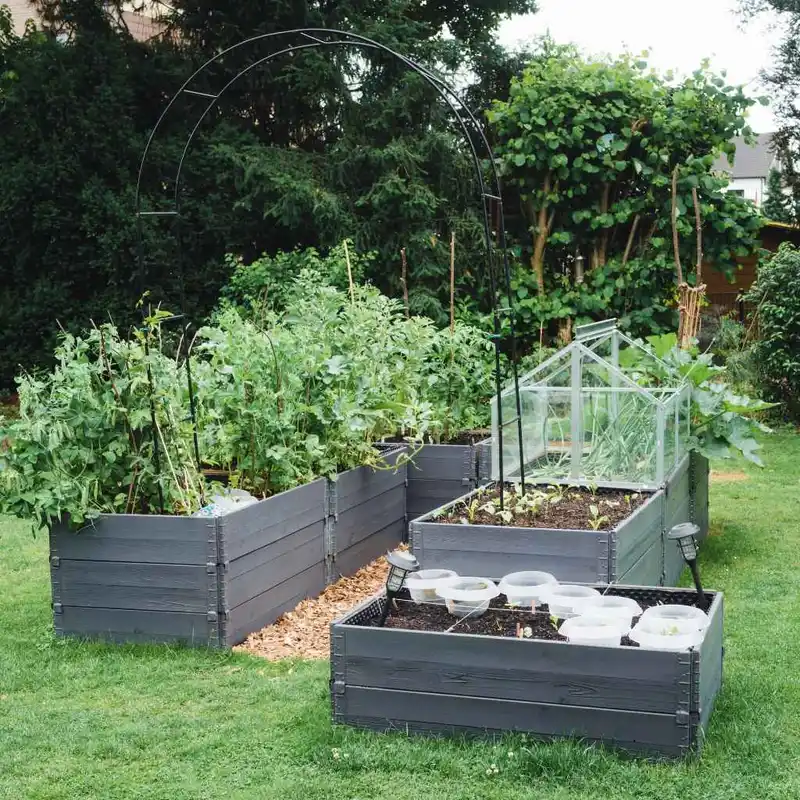
For garden beds, hot-dip galvanized steel is usually the preferred choice. It offers a thicker, more durable coating that stands up better to garden conditions. This durability is a big reason why it’s so popular for raised beds and other outdoor structures.
How Zinc Works in Galvanization
Zinc is a metal that plays a crucial role in protecting steel. Its primary job is to act as a barrier. It physically covers the steel surface.
This physical barrier stops corrosive elements like water and oxygen from reaching the steel. Without this barrier, steel would quickly start to rust. Rusting weakens the metal and shortens its lifespan.
Beyond just being a shield, zinc offers something called “sacrificial protection.” This is really clever. If the zinc coating gets scratched or damaged, exposing the steel underneath, the zinc will corrode instead of the steel. The zinc is more reactive than iron (the main component of steel).
So, it sacrifices itself to protect the steel. It’s like the zinc is taking the hit for the steel.
This sacrificial property is key to why galvanized items last so long. Even if there are small nicks or scrapes on the surface, the zinc nearby will still protect the exposed steel. This makes galvanized steel a reliable choice for things that will be in contact with soil and moisture for many years.
It’s a smart engineering solution for durability.
The Core Question: Is the Zinc Safe for My Vegetables?
This is where the real concern often lies for gardeners. We’re growing food, and we want it to be as pure and healthy as possible. The idea of metal leaching into the soil and then into our vegetables can be unsettling.
Let’s break down how zinc behaves in a garden setting and what research tells us.
Zinc is actually an essential micronutrient for plants. They need it to grow. Too little zinc can stunt plant growth.
However, like many nutrients, too much can also be harmful. The question is whether the amount of zinc that might transfer from a galvanized bed is enough to cause problems. The good news is that most studies suggest it’s not a significant issue for typical garden use.
When galvanized steel is new, there can be a slightly higher rate of zinc leaching. This is often due to manufacturing residues or a more reactive surface. However, this rate quickly slows down as the coating weathers.
Rain, soil, and exposure to the air help to stabilize the zinc layer. Over time, the leaching becomes very minimal. The soil itself also has a natural capacity to bind zinc, limiting its availability to plants.
My Own Scare with a New Garden Bed
I remember setting up my first big raised garden bed a few years back. I’d splurged on thick, pre-fabricated galvanized steel panels. They looked amazing, strong and ready for anything.
I assembled them, filled them with good soil, and planted my tomatoes and peppers with huge excitement.
About a month in, I was out weeding one evening. The sun was just starting to set, casting long shadows. I noticed a slight, almost chalky residue along the bottom edge of the steel where it met the soil.
My mind immediately went to the worst-case scenario. Was this zinc dust? Was it all washing into my beloved vegetables?
I pictured my carrots absorbing it, my lettuce getting contaminated. Panic started to set in. I spent a sleepless night Googling “zinc leaching from garden beds” and similar frantic terms.
I even considered dismantling the whole thing. It felt like a huge mistake, potentially ruining my harvest before it even started.
The next morning, I calmed down a bit. I looked closer. The residue was minimal, and it seemed to be more on the surface.
I remembered reading that new metal can sometimes shed a bit. I decided to wait and observe. I also reached out to a gardening forum, and several experienced folks reassured me.
They said it was normal for new beds, and that the amount was negligible. They advised me to keep an eye on my plants and to consider rinsing the bed down a few times. That was a huge relief.
My plants grew beautifully that year. It taught me that sometimes our worries can be bigger than the actual problem, especially when we’re dealing with food.
This experience really solidified for me the importance of understanding the materials we use. It’s not just about aesthetics or durability; it’s about safety and peace of mind. It also showed me the value of seeking advice from others who have been there before.
Understanding Different Types of Galvanization
Not all galvanized steel is created equal. The way the zinc coating is applied can affect its longevity and its potential for interaction with the soil. Knowing the type of galvanization used can give you more confidence in its safety.
Hot-Dip Galvanizing: This is the most common and robust method for garden beds. Steel is submerged in molten zinc. This creates a thick, durable coating.
It’s excellent for preventing rust. This thick coating also means that zinc is less likely to be released quickly. The strong metallurgical bond is key here.
It’s built to last through many seasons.
Electro-Galvanizing (Electroplating): This method uses an electric current to deposit a thin layer of zinc onto the steel. It’s often used for lighter gauge steel or for items where a very smooth finish is needed. The zinc layer is much thinner than with hot-dipping.
This means it can wear away faster. For garden beds that will be in constant contact with moist soil, this might not be the best long-term choice. A thinner coating could potentially release zinc more readily over time, though still usually within safe limits.
Pre-Galvanized Steel: This steel is galvanized before it’s formed into its final shape. It’s often used in construction. It might be welded or bent after galvanizing, which can sometimes expose raw steel at seams.
For DIY garden beds, if you buy pre-galvanized sheets, ensure they are suitable for outdoor use and that seams are well-protected. The thickness of the zinc layer can vary.
When you’re buying raised garden beds, look for information about how they were galvanized. Manufacturers often highlight “hot-dip galvanized” as a sign of quality and durability. This is usually a good indicator that the product is built to last and designed for outdoor conditions.
It also suggests a more stable zinc coating.
Zinc in the Soil: What Happens?
Zinc Availability: Soil naturally contains zinc. Plants need it to grow. Soil microbes also play a role in zinc cycles.
Leaching Rate: New galvanized surfaces might release a bit more zinc initially. This rate drops significantly as the surface ages and oxidizes.
Soil Binding: Soil particles, especially clay and organic matter, tend to bind (adsorb) zinc. This makes it less available for plants to absorb.
Plant Uptake: Plants take up zinc, but they usually only absorb what they need. Excessive zinc in the soil is rare from galvanized beds alone. It takes very high concentrations to cause toxicity.
Potential Concerns and When to Be Cautious
While generally safe, there are a few specific situations where you might want to exercise more caution or opt for an alternative. These are usually related to very old, damaged materials or specific soil conditions.
Very Old or Damaged Beds: If your galvanized bed is extremely old, perhaps decades old, and showing significant signs of wear, corrosion, or flaking, the zinc coating might be compromised. In such cases, the rate of zinc transfer could be higher. You might see rust spots or areas where the zinc is clearly gone.
Acidic Soil Conditions: Zinc solubility and leaching can increase in very acidic soils (low pH). Most garden soils have a pH that is not overly acidic. However, if you have naturally very acidic soil, or if you’ve been adding a lot of acidic amendments without checking your pH, it’s worth being aware of.
Very acidic conditions could potentially mobilize more zinc than usual.
Unusual Soil Contamination: In rare cases, if the soil itself is already contaminated with heavy metals, adding galvanized steel might add a small amount of zinc to an already complex mix. This is not a common issue for most home gardens.
Galvalume vs. Galvanized: Sometimes people confuse galvanized steel with Galvalume. Galvalume is a coating of aluminum and zinc.
While also protective, its behavior in soil can be slightly different. For most raised garden beds, you’ll be looking at standard galvanization.
For the vast majority of home gardeners, these concerns are minimal. It’s more about being aware of the material’s condition and your soil’s properties. If you’re using relatively new, standard galvanized steel beds in typical garden soil, the risk is very low.
Myth vs. Reality: Zinc in Your Veggies
Myth: All zinc from galvanized beds ends up in my food.
Reality: Soil binds zinc. Plants only absorb what they need. Leaching is minimal over time.
Myth: A little bit of zinc is always bad.
Reality: Zinc is an essential nutrient for plants and humans. It’s the quantity that matters.
Myth: New galvanized beds are toxic.
Reality: New beds might have slight initial shedding, but it stabilizes quickly. Safety levels are maintained.
Real-World Context: How Gardens Actually Behave
Think about all the things that are made of galvanized steel. You see galvanized buckets, watering cans, tool handles, and structural elements everywhere. These items are constantly interacting with the environment and, sometimes, with things we eat or touch.
For decades, people have been using galvanized containers and structures without widespread issues.
In agricultural settings, galvanized fencing is common. This fencing is in direct contact with soil and weather for years. While not typically used for direct food contact in the same way a raised bed is, it shows the material’s resilience and general non-reactivity in outdoor environments.
Consider the life cycle of zinc. It’s a naturally occurring element. It’s present in dust, in rainwater, and in the soil already.
The added zinc from a galvanized bed is a relatively small contribution compared to the total amount of zinc already present or naturally cycling in the environment. The U.S. Environmental Protection Agency (EPA) has set standards for zinc in drinking water, which gives us an idea of safe levels, though garden soil is a different context.
The key factor is the stability of the zinc coating. When properly applied and maintained, it remains a stable layer. It’s not like a powdery substance that just flakes off easily.
It’s metallurgically bonded to the steel. This bond is designed to withstand outdoor conditions, including constant exposure to moisture and soil contact.
Many gardeners choose galvanized steel for its cost-effectiveness and longevity. Cheaper alternatives like untreated wood can rot quickly. More expensive options like stainless steel can be prohibitive.
Galvanized steel hits a sweet spot for many. The decision often comes down to balancing cost, durability, and perceived risk. For most, the perceived risk is very low based on scientific understanding.
Quick Scan: Galvanized Steel Safety Factors
- Coating Thickness: Thicker coatings (hot-dip) offer longer protection.
- Age: New steel sheds less over time. Old, damaged steel needs more review.
- Soil pH: Very acidic soils can increase zinc solubility.
- Plant Needs: Plants require zinc; they absorb it as a nutrient.
- Binding Capacity: Soil naturally holds onto zinc, making it less available.
What This Means for Your Vegetable Garden
So, what’s the takeaway for your garden plans? How can you use galvanized steel with confidence?
When it’s likely perfectly fine:
Using new or relatively new hot-dip galvanized steel raised beds. These beds are in average garden soil (not extremely acidic or contaminated). You are growing common vegetables like tomatoes, peppers, lettuce, beans, etc.
You want a durable, long-lasting garden structure.
When to consider alternatives or take extra steps:
Your galvanized beds are very old, visibly rusted, or flaking. You have confirmed extremely acidic soil (pH below 5.5) and are concerned. You are growing specialized crops known to be exceptionally sensitive to micronutrient levels (though this is rare for zinc toxicity from beds).
You are growing root vegetables like carrots or potatoes where direct contact with the bed material is prolonged. (Though even here, risks are low). * You prefer to have absolute zero potential for any metal contact, opting for untreated wood, stone, or plastic beds instead.
For most people, the benefits of using galvanized steel—durability, cost, and ease of assembly—far outweigh the minimal risks. It provides a stable, long-lasting structure for your plants to thrive in.
Simple Checks for Your Garden Bed
Visual Inspection: Look for major rust spots, peeling paint (if any), or large areas where the zinc coating is clearly missing.
Feel Test: Run a gloved hand along the inside edge. Does it feel chalky or powdery? New beds might have a slight film that washes off.
Older beds might have a rougher texture if corroded.
Soil pH: If you’re unsure about your soil, a simple pH test kit can tell you if it’s unusually acidic.
Tips for Using Galvanized Steel Safely
If you decide galvanized steel is the right choice for your garden, there are a few simple steps you can take to ensure everything is as safe as possible. These are good practices for any new garden material.
1. Rinse New Beds: Before adding soil, give your new galvanized beds a good rinse with plain water. This helps to wash away any manufacturing residues or loose particles.
Use a hose and let the water drain out. This is a common recommendation for many new garden materials.
2. Allow Weathering: Let the beds sit for a week or two before planting, if possible. Exposure to rain and air helps the zinc surface stabilize.
It creates a more consistent protective layer.
3. Consider a Liner (Optional): For absolute peace of mind, some gardeners choose to line the inside of their galvanized beds with a food-grade plastic sheeting or landscape fabric. Make sure the liner is permeable to water, or install drainage holes.
This creates a physical barrier between the metal and the soil. However, many experts say this is not necessary for safety with standard galvanized beds.
4. Monitor Your Soil: Periodically, especially if you have concerns about your soil or the age of your beds, consider a soil test. While most standard tests don’t measure zinc leaching specifically from beds, they can indicate overall soil health and nutrient levels.
5. Proper Disposal: When it’s time to
These tips are not about fixing a problem, but rather about enhancing your confidence and ensuring you’re following best practices for a healthy garden. Most of these are simple maintenance steps that many gardeners already do.
Frequently Asked Questions
Is it safe to use galvanized metal buckets for growing vegetables?
Yes, it is generally safe to use galvanized metal buckets for growing vegetables. Like raised beds, the zinc coating protects the steel. While some zinc can leach, the amounts are typically not harmful.
For extra caution, you can rinse the bucket well before use or line it, though this is often unnecessary for most garden uses.
What kind of zinc finish is best for garden beds?
The best type of zinc finish for garden beds is typically hot-dip galvanization. This process creates a thick, durable coating that offers superior protection against rust and corrosion. It also provides a more stable zinc layer that leaches less over time compared to thinner coatings.
Look for products that specify “hot-dip galvanized.”
Can zinc from galvanized garden beds harm my plants?
It is very unlikely that zinc from standard galvanized garden beds will harm your plants. Zinc is an essential micronutrient for plant growth. While excessive amounts can be toxic, the amount of zinc that leaches from a properly maintained galvanized bed into the soil is usually well below harmful levels.
Soil also naturally binds zinc, making it less available to plants.
How long do galvanized steel garden beds last?
Galvanized steel garden beds are known for their longevity. With proper care and in typical conditions, they can last anywhere from 15 to 30 years, or even longer. The zinc coating protects the steel from rust, which is the primary cause of failure for untreated metal.
Factors like climate and soil acidity can influence their lifespan.
Should I worry about galvanized fencing near my vegetable garden?
No, you generally do not need to worry about galvanized fencing near your vegetable garden. The zinc coating on fencing is designed for long-term outdoor exposure. Any zinc that might transfer to the soil from fencing is typically minimal and well within safe limits for plant growth and consumption.
It’s a very common and safe practice.
Is there a risk of zinc poisoning from vegetables grown in galvanized beds?
The risk of zinc poisoning from vegetables grown in standard galvanized garden beds is extremely low, practically negligible. Zinc is an essential nutrient for both plants and humans. The amounts that might transfer from a galvanized bed are far below levels that would cause toxicity.
Your body naturally regulates zinc intake.
Final Thoughts on Garden Bed Materials
Choosing materials for your garden is an exciting part of the process. You want something that works well, looks good, and, most importantly, is safe for growing the food you’ll enjoy. Galvanized steel offers a fantastic combination of durability and affordability for raised garden beds.
The extensive use of galvanized materials in outdoor and even food-related applications, coupled with scientific understanding of zinc’s behavior, points to its general safety for vegetable gardening. While it’s always good to be informed and aware of material conditions, you can likely build your dream garden bed with confidence using galvanized steel.