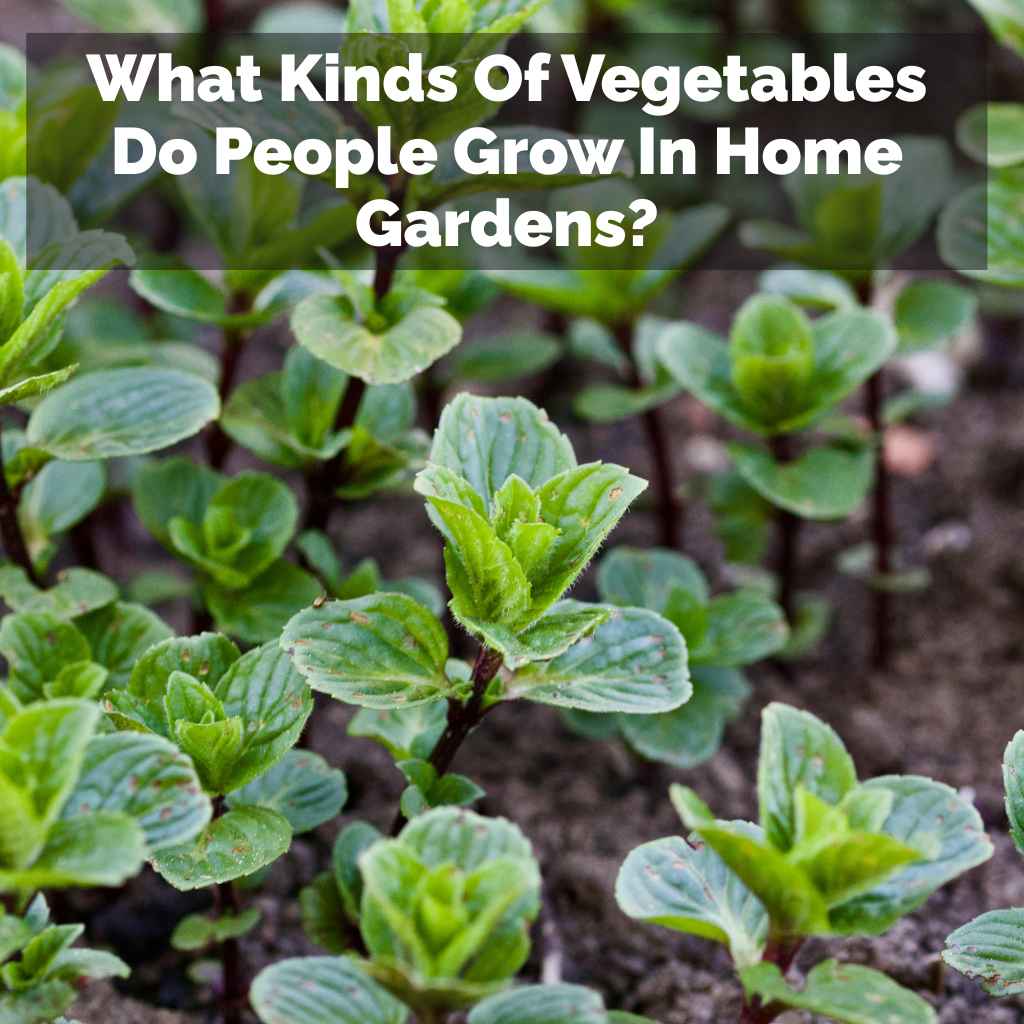
What Kinds Of Vegetables Do People Grow In Home Gardens?
Home gardens typically feature popular, easy-to-grow vegetables like tomatoes, peppers, leafy greens, root vegetables, and herbs. The choice often depends on climate, available space, and personal taste, with many gardeners prioritizing fresh, flavorful produce they enjoy eating.

As an Amazon Associate I earn from qualifying purchases.
For the broader gardening context, Exotic Vegetables And Fruits You Can Grow In California Gardens gives readers a useful next step on the same topic.
When you walk into a garden center or browse online seed catalogs, the sheer variety can be dizzying. But most home gardeners tend to circle back to a core group of reliable producers. These are plants that offer a good return for the effort involved.
They are also usually plants that taste significantly better when they are super fresh, right from the plant to your plate.
Think about the vegetables you see most often at grocery stores or on restaurant menus. Many of these are prime candidates for home growing. They include things like tomatoes, which are a staple for a reason.
They can be grown in pots, in the ground, or even hanging baskets. Then there are leafy greens, like lettuce and spinach. These grow fast and can be harvested multiple times.
Root vegetables, such as carrots and radishes, are also popular. They don’t take up a lot of space above ground.
Herbs are another huge part of home gardening. Things like basil, mint, parsley, and chives are easy to grow. They add so much flavor to cooking.
Many people also grow beans and peas. These are fun to watch grow and produce a lot. The question of “what vegetables” is really about finding what works for you and your specific patch of land, no matter how small.
My First Garden: A Tale of Too Much Enthusiasm
I remember my very first garden attempt. It was a small patch behind our rented house. I was brimming with a gardener’s optimism, convinced I’d be swimming in fresh produce.
I bought seeds for everything. Tomatoes, bell peppers, zucchini, cucumbers, broccoli, carrots, radishes, lettuce, spinach, peas, beans, corn… you name it, I probably bought seeds for it. I planted them all with the same hopeful abandon.
The reality hit hard. The zucchini plants took over the entire garden. They produced massive fruits that I couldn’t possibly eat.
My corn was spindly and produced only a few ears. The broccoli seemed to attract every aphid in the neighborhood. I remember one evening, after a long day at work, going out to water and seeing what looked like a jungle.
I felt a wave of overwhelm, mixed with a good dose of annoyance. My dream of fresh, homegrown food felt like a distant, impossible goal. I learned quickly that you can’t just plant everything.
You need to be smarter about it.
Popular Home Garden Choices Explained
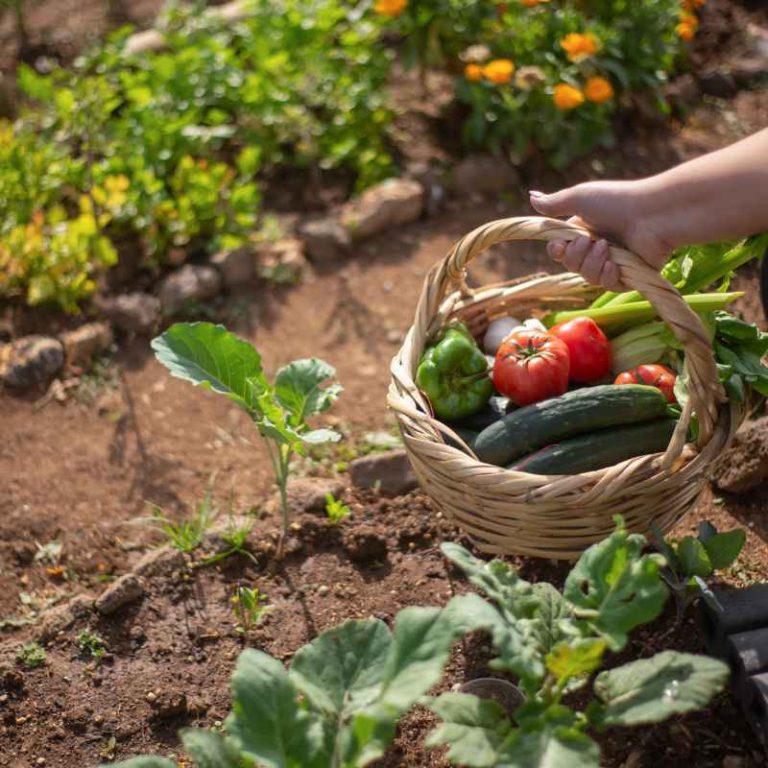
Tomatoes: The undisputed king of home gardens. People grow them for their amazing fresh taste. Lots of types exist, from small cherry tomatoes to big slicing ones.
They need sun and support, like stakes or cages.
Leafy Greens: Lettuce, spinach, kale, and arugula are quick growers. They are great for salads and can often be harvested multiple times. They prefer cooler weather.
Peppers: Bell peppers and hot peppers are common. They love warm weather and plenty of sun. They don’t take up a huge amount of space.
Root Vegetables: Carrots, radishes, beets, and potatoes are grown for their edible roots. They grow mostly underground. You need decent soil depth for good roots.
Beans & Peas: These plants fix nitrogen in the soil, which is good for other plants. Bush beans are easy. Pole beans need something to climb.
They produce pods you eat or shelled peas.

Understanding What Grows Well Where
The biggest factor in what vegetables people grow successfully is their local climate. If you live somewhere with very hot summers, you might focus on heat-loving plants like okra or sweet potatoes. If you’re in a cooler region, you’ll have an easier time with crops like peas, broccoli, and potatoes.
Many gardeners look up their “growing zone” to understand what plants will thrive in their area. This is a simple number that tells you about the average last frost date in spring and the first frost date in fall.
Soil type also matters. Some vegetables, like carrots, need loose, sandy soil to form good roots. Others, like potatoes, can tolerate heavier clay soils.
Most gardeners find that improving their soil with compost and other organic matter makes a huge difference. This helps with drainage and provides nutrients.
Space is another big one. If you only have a small balcony, you’ll be looking at container-friendly vegetables. Think small pepper varieties, bush beans, herbs, and compact tomato plants.
If you have a large yard, you might decide to grow corn, squash, or melons. Many people start small and expand as they gain confidence.
Container Gardening Stars
Label: Cherry Tomatoes
Note: Look for “determinate” or “bush” varieties. They stay smaller and produce fruit over a shorter period.
Label: Bush Beans
Note: These grow into compact plants that don’t need support and are great for pots.
Label: Leaf Lettuce
Note: You can harvest the outer leaves, and the plant keeps growing. Plant small amounts every few weeks for a continuous supply.
Label: Radishes
Note: These are super fast. You can often harvest them in less than a month. Perfect for small spaces.
Label: Herbs
Note: Basil, mint, chives, and parsley are robust and do very well in pots.
Easy Wins for New Gardeners
For anyone just starting out, picking vegetables that are known for being forgiving is key. These plants tend to bounce back from small mistakes. They also produce reliably without needing tons of specialized care.
This helps build confidence and makes gardening feel less like a chore and more like a joy.
Radishes are fantastic. They grow incredibly fast. You can plant seeds one week and pull up crunchy radishes the next.
They don’t need much space. Lettuce and other salad greens are also great. You can sow seeds directly into the ground or into pots.
Cutting the leaves often encourages more growth. This is called “cut and come again” harvesting.
Bush beans are another excellent choice. Unlike pole beans, they don’t need a trellis. They grow into small, self-supporting plants that yield a good amount of beans.
Zucchini, while it can be prolific (as I learned!), is generally easy to grow. You just need to give it space and make sure it gets sun. And of course, herbs like mint, basil, and chives are almost impossible to kill.
They are perfect for beginners.
People also find success with certain types of tomatoes. Cherry tomatoes, especially the determinate or bush types, are very beginner-friendly. They produce loads of small, sweet fruits.
They don’t get as massive as some other varieties. It’s all about choosing the right type of plant for the right conditions and your skill level.
The Allure of Homegrown Flavor
Why do so many people bother growing their own vegetables when they can just buy them at the store? The number one answer is flavor. Freshly picked vegetables have a taste that store-bought produce often can’t match.
Think of a tomato picked ripe from the vine on a warm summer day. It’s juicy, sweet, and full of complex flavor. Compare that to a tomato that traveled hundreds of miles and was picked when still hard and green.
This difference in taste is especially true for certain vegetables. Tomatoes are a prime example. Sweet corn also tastes amazing when it’s cooked right after picking.
Peas are another. Those sweet pods are a revelation. Even simple things like carrots and radishes have a brighter, fresher taste when they come straight from your garden.
Beyond taste, there’s the satisfaction of knowing exactly where your food came from. You know it wasn’t sprayed with pesticides you’re worried about. You know it wasn’t handled by many different people.
This sense of control and connection to your food is a powerful motivator for many home gardeners. It’s a very grounding experience.
Taste Test: Homegrown vs. Store-Bought
Vegetable: Tomatoes
Homegrown Advantage: Unbeatable sweetness and juiciness. Picked at peak ripeness.
Store-Bought Note: Often picked early for transport. Flavor can be bland.
Vegetable: Sweet Corn
Homegrown Advantage: Sugar content drops quickly after picking. Freshest is best.
Store-Bought Note: Can lose sweetness during transport and storage.
Vegetable: Leafy Greens (Lettuce, Spinach)
Homegrown Advantage: Crispness and vibrant color. Harvested just before eating.
Store-Bought Note: Can wilt easily and lose texture.
Vegetable: Berries (Strawberries, Raspberries)
Homegrown Advantage: Intense, natural sweetness. Often much sweeter than commercially grown.
Store-Bought Note: Bred more for shelf-life and transport than peak flavor.
What Vegetables Do People Grow for Specific Needs?
Beyond just general popularity, people choose vegetables for specific reasons related to their needs and desires. Some want to grow food that is very healthy. Others want to grow things that are expensive to buy.
Some are focused on specific cuisines or dietary goals.
Nutrient-Dense Powerhouses: Many gardeners prioritize nutrient-rich vegetables. This includes dark leafy greens like kale and chard. They are packed with vitamins and minerals.
Broccoli and Brussels sprouts are also popular for their health benefits. Root vegetables like beets and carrots offer good vitamins and fiber too.
Cost-Saving Crops: Certain vegetables can be quite expensive at the grocery store, especially organic varieties. Growing your own herbs can save a lot of money, as a small bunch can cost several dollars. Tomatoes, especially heirloom varieties, can also be pricey.
Fresh berries are another item that many people choose to grow themselves to save money.
Culinary Delights: If you love to cook, you might grow vegetables specific to your favorite dishes. For Italian cooking, tomatoes (for sauce), basil, and garlic are essential. For Mexican food, peppers (jalapeños, poblanos), cilantro, and onions are key.
Many people grow specialty peppers or unique tomato varieties that aren’t usually found in stores.
Health and Wellness Goals: People with specific dietary needs often turn to home gardening. For instance, those looking for low-carb options might grow plenty of leafy greens and non-starchy vegetables like cucumbers and zucchini. Those focused on fiber might plant more beans and root vegetables.
The ability to control what goes into your food is a major draw.
The Practicalities of Home Vegetable Gardens
Let’s talk about the realities. Most home gardens aren’t sprawling farms. They are small plots, raised beds, or containers on a patio.
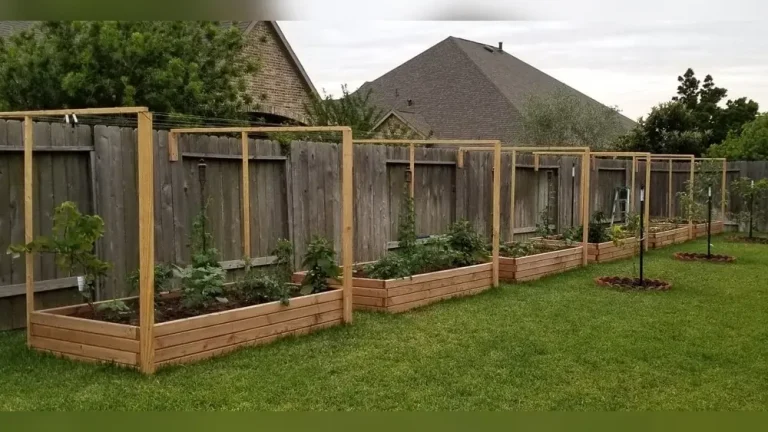
So, what people grow is often shaped by the space they have. For small spaces, vertical gardening is a big trend. This means growing plants up trellises or supports.
Think pole beans, cucumbers, and vining tomatoes. This maximizes the use of limited ground area.
Watering is another practical consideration. Some vegetables need more water than others. If you live in a dry climate, you might choose drought-tolerant plants or focus on efficient watering methods like drip irrigation.
You also have to think about sunlight. Most vegetables need at least 6-8 hours of direct sunlight per day. So, people place their gardens in the sunniest spots they have available.
Pest and disease management is also a factor. Some vegetables are more prone to problems than others. For example, cabbage worms love broccoli and cabbage.
Tomato hornworms can decimate tomato plants overnight. Gardeners often choose varieties that are known to be more disease-resistant. They also employ organic pest control methods.
This could be companion planting or using natural sprays.
Garden Layout Ideas
Scenario: Small Backyard Plot
Focus: Maximize yield in limited space.
Plants: Bush beans, compact tomatoes (determinate), leafy greens (cut-and-come-again), radishes, peppers, herbs. Consider interplanting fast-growing crops like radishes between slower ones like tomatoes.
Scenario: Balcony or Patio
Focus: Container gardening.
Plants: Cherry tomatoes (patio varieties), peppers, bush cucumbers, strawberries, herbs, lettuce. Use hanging baskets for trailing plants. Ensure good drainage in pots.
Scenario: Large Yard with Sunny Area
Focus: Variety and larger crops.
Plants: Corn, squash, melons, pole beans, larger tomato varieties, potatoes. Can dedicate sections to specific crops.
What Vegetables Do People Grow Seasonally?
The cycle of the year dictates what can be grown. Most gardeners think in terms of cool-season and warm-season crops. This is crucial for success.
Cool-Season Crops: These plants prefer temperatures between 50°F and 70°F. They can often tolerate light frost. People plant these in early spring, as soon as the ground can be worked, and again in late summer for a fall harvest.
Common examples include:
- Lettuce
- Spinach
- Kale
- Peas
- Broccoli
- Cabbage
- Carrots
- Radishes
- Beets
Warm-Season Crops: These plants need heat and lots of sun. They will be damaged or killed by frost. They are planted after the danger of frost has passed in the spring.
Examples include:
- Tomatoes
- Peppers
- Cucumbers
- Zucchini and other Squash
- Beans (most types)
- Corn
- Eggplant
- Melons
Understanding these seasonal needs helps gardeners plan their planting schedule. It ensures they are putting seeds in the ground at the right time. This maximizes the chances of a good harvest.
Many gardeners use calendars or planting guides specific to their region to keep track of when to plant what.
What This Means for Your Home Garden
When you’re deciding what to grow, it’s helpful to think about a few things. First, consider what you and your family actually like to eat. There’s no point in growing a ton of something nobody will touch.
Look at your favorite meals and see which ingredients you use most often.
Next, be realistic about your space and your climate. Don’t try to grow corn if you only have a tiny balcony. Don’t plant tomatoes in early April in a region that still has hard frosts.
Doing a little research about your local growing conditions is incredibly important. Your local agricultural extension office is a great resource for this.
Start small! It’s much better to have a small, successful garden than a large, overwhelming one. Pick a few easy-to-grow vegetables for your first year.
As you gain experience, you can expand your garden and try more challenging crops. Most experienced gardeners will tell you that the joy comes from the process, not just the harvest.
Quick Tips for Vegetable Garden Success
Here are some simple things that make a big difference for home vegetable gardens:
- Choose the Right Spot: Most vegetables need at least 6-8 hours of sun. Pick the sunniest location you have.
- Improve Your Soil: Mix in compost or well-rotted manure. This makes soil easier to work, drains better, and feeds your plants.
- Water Wisely: Water deeply and less often. Aim to water the base of the plants, not the leaves, to prevent disease.
- Mulch: Add a layer of mulch (like straw or wood chips) around plants. This keeps moisture in and weeds down.
- Start Easy: For your first garden, pick 2-3 easy vegetables like radishes, lettuce, or bush beans.
- Read Seed Packets: They have valuable information about planting depth, spacing, and days to maturity.
- Observe Your Plants: Check your garden regularly for pests or signs of trouble. Catching problems early is easier.

Frequently Asked Questions About Home Garden Vegetables
What are the easiest vegetables for beginners to grow?
Radishes, lettuce, spinach, bush beans, zucchini, peas, and herbs like basil and mint are very easy for beginners. They tend to be forgiving and produce quickly.
Can I grow vegetables in containers if I don’t have a yard?
Absolutely! Many vegetables do great in containers. Look for dwarf or bush varieties of tomatoes, peppers, cucumbers, and beans.
Leafy greens and herbs are also perfect for pots on a balcony or patio.
What vegetables need the most sunlight?
Most fruiting vegetables need the most sun, typically 6-8 hours of direct sunlight per day. This includes tomatoes, peppers, cucumbers, squash, corn, and melons.
How often should I water my vegetable garden?
This depends on weather and soil type. Generally, it’s better to water deeply a few times a week rather than a little bit every day. Check the soil moisture by sticking your finger in about an inch deep.
If it feels dry, it’s time to water.
Do I need to fertilize my vegetable garden?
Yes, most vegetables benefit from some fertilization. Adding compost to your soil is a great start. You can also use balanced organic fertilizers throughout the growing season, especially for heavy feeders like tomatoes and corn.
What are “heirloom” vegetables and why are they popular?
Heirloom vegetables are older varieties that have been passed down through generations. They are popular for their unique flavors, colors, and historical significance. They are often not as disease-resistant or as uniform as modern hybrid varieties, but their taste is often superior.
Wrapping Up Your Vegetable Garden Vision
Deciding what vegetables to grow in your home garden is an exciting journey. It’s a blend of what you love to eat, what your climate allows, and what’s practical for your space. The most important thing is to enjoy the process.
Even a small harvest from your own garden is incredibly rewarding and delicious. Happy growing!
Related pick: Check today's price on Amazon