Why Don’T You See Home Vegetable Gardens In Florida?
Many Florida residents face challenges that make home vegetable gardening seem difficult or even impossible. Factors like poor soil quality, intense heat, humidity, and a relentless parade of pests and diseases often deter aspiring gardeners, leading to fewer visible home vegetable plots compared to other regions.
For a related vegetable-garden decision, Is Roundup Safe to Use Around Vegetable Gardens? The adds another practical check before you choose materials or treatments.
For a related vegetable-garden decision, Is Cutter Backyard Spray Safe For Vegetable Gardens? Here adds another practical check before you choose materials or treatments.
For a related vegetable-garden decision, Is Home Depot Mulch Safe For Vegetable Gardens? adds another practical check before you choose materials or treatments.
The Real Reasons for Fewer Florida Vegetable Gardens
So, why aren’t more Florida backyards overflowing with fresh produce? It’s not for a lack of trying, or a lack of love for homegrown food. Instead, a unique set of environmental and practical challenges conspires against the typical home gardener.
Understanding these hurdles is the first big step to overcoming them. We’ll explore the soil, the weather, and some tiny, yet mighty, adversaries.
Think about it: Florida’s climate is famously warm. While that sounds great for growing, it brings its own set of complications. And the ground beneath our feet isn’t always the rich, dark earth gardeners dream of.
These elements combine to create a gardening landscape that requires a different approach than you might find up north.
My Own “Aha!” Moment in the Florida Sun
I remember my first summer trying to grow tomatoes in my small backyard in Orlando. I’d moved from a place with decent soil and milder summers. I bought the plants, dug holes, and planted them with so much hope.
I even sang to them (don’t tell anyone!). Within weeks, the leaves started yellowing. Then came the tiny holes.
Before I knew it, my sad little tomato plants were a buffet for every bug imaginable. I felt a real pang of disappointment. It wasn’t just about the lost vegetables; it was the feeling that I wasn’t cut out for this, that my gardening dreams were just that – dreams.
I’d see pictures of abundant gardens elsewhere and wonder, “What am I doing wrong?” It took a lot of reading, talking to local master gardeners, and frankly, a few more seasons of failed attempts, to realize it wasn’t a personal failing. It was about understanding Florida’s unique garden enemies and learning how to fight them, or better yet, avoid them altogether.
The Soil Story: Not Always Rich and Giving
One of the biggest culprits is right under our feet: the soil. Much of Florida’s native soil is sandy. This means it drains very, very quickly.
Water and nutrients don’t stick around. They just wash right through. This can starve your plants.
Sandy soil also doesn’t hold much organic matter. That organic matter is what makes soil healthy. It feeds the plants and helps them grow strong.
Furthermore, some areas in Florida have soil that is very acidic. Other areas might have soil that’s too alkaline. Most vegetables like a soil pH that’s somewhere in the middle.
If the pH is off, plants can’t get the nutrients they need, even if those nutrients are present. This is a problem that many gardeners face without even knowing it.
Understanding Florida’s Soil Types
Sandy Soil: Drains fast, dries out quickly, low in nutrients. Common in many parts of the state.
Clay Soil: Can hold more water and nutrients but may become waterlogged or too hard when dry. Less common in some areas but present.
Problematic pH: Many soils lean too acidic or too alkaline, affecting nutrient uptake. Regular soil testing is key.
Low Organic Matter: Native soils often lack the rich compost needed for healthy plant life.
Imagine trying to build a house on a foundation of pure sand. It’s hard to make things stick. That’s what gardening in sandy soil can feel like.
You add fertilizer, but it washes away. You water, and it’s gone in minutes. This makes it tough for plants to get the steady food and moisture they need to thrive.
The Heat and Humidity Factor
Florida’s heat and humidity are legendary. While we love the sunshine, it can be brutal on many common garden vegetables. Plants that might grow beautifully in cooler climates can wilt and struggle under the intense summer sun.
High humidity also creates a perfect breeding ground for fungal diseases and pests.
Many plants that thrive in spring and fall simply cannot tolerate the peak summer heat. Think about lettuce or peas. They bolt (go to seed and become bitter) very quickly when temperatures soar.
Even tomatoes, which love warmth, can have trouble setting fruit when temperatures consistently stay above the high 80s or low 90s Fahrenheit.
Seasonal Challenges for Florida Gardeners
Summer Heat: Many cool-season crops fail. Even warm-season crops struggle to produce fruit.
High Humidity: Promotes fungal diseases like powdery mildew and blight.
Short Winters: Limits the growing season for some cold-hardy vegetables.
Heavy Rains: Can lead to root rot and nutrient leaching, especially in poorly draining soils.
It’s a delicate balance. You need sun, but too much direct, scorching sun can be a killer. You need moisture, but too much dampness, especially combined with heat, invites trouble.
This constant battle with the elements means gardeners have to be much more strategic about what they plant and when.
The Pest and Disease Pressure Cooker
If the soil and weather weren’t enough, Florida is a paradise for pests and diseases. The warm, humid climate means bugs and fungi are active year-round. This is a huge difference from many other parts of the country where harsh winters kill off many pests.
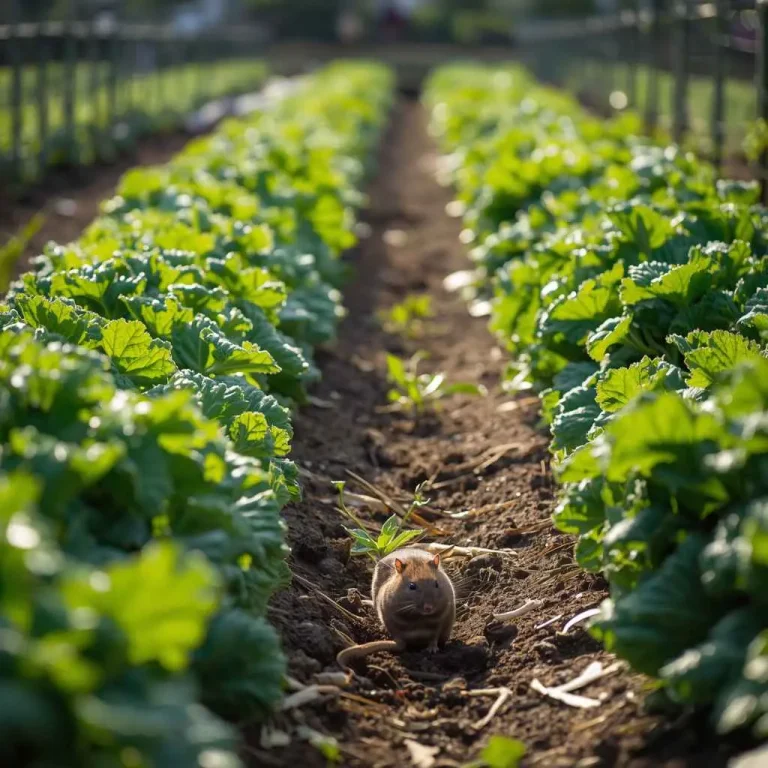
We’re talking about aphids, whiteflies, spider mites, mealybugs, caterpillars, root-knot nematodes, and a host of fungal issues. They seem to appear out of nowhere. They can decimate a garden in days.
What might be a minor nuisance in a cooler climate can be a full-blown crisis in Florida. For a new gardener, seeing their efforts destroyed by tiny invaders can be incredibly discouraging.
Common Florida Garden Foes
- Insects: Aphids, whiteflies, spider mites, stink bugs, caterpillars, grasshoppers.
- Diseases: Fungal blights, powdery mildew, root rot, wilts.
- Nuisances: Slugs, snails, and the occasional armadillo or iguana!
It feels like a constant game of whack-a-mole. You deal with one problem, and two more pop up. This relentless pressure requires vigilance and a good understanding of natural pest control methods, as well as knowing when chemical intervention might be necessary, though many prefer to avoid it.
Urban vs. Rural: Different Struggles, Same Soil
It’s important to note that the challenges can differ slightly between urban and more rural settings. In cities and suburbs, the soil is often compacted. It might be even sandier than rural areas due to construction and landscaping practices.
Urban heat islands can make temperatures even hotter. Access to open space can also be limited.
In more rural or exurban areas, space might be less of an issue. However, you might encounter different types of soil or more wildlife pressures. Whatever the setting, the fundamental issues of heat, humidity, and pests remain core concerns.
This means that the “typical” Florida gardener, regardless of location, faces a steep learning curve.
Gardening in Different Florida Environments
Urban Backyards: Limited space, compacted soil, intense heat, potential for soil contamination.
Suburban Yards: Often have better soil than urban, but still face heat, humidity, and pest issues. Lawn care practices can impact garden soil.
Rural Settings: More space, but potentially different soil types, more wildlife, and further from resources like garden centers.
Many people might look at their neighbor’s perfectly manicured lawn and think gardening is just too much work. The effort required to achieve a beautiful lawn can feel simpler than the sustained effort needed for a productive vegetable garden in Florida’s tough conditions.
The “Can’t Be Done” Myth and the Rise of Solutions
This combination of factors has, unfortunately, led to a bit of a “can’t be done” mentality for some Floridians. They try once or twice, get frustrated, and give up. They see their neighbors who have beautiful lawns and think that’s the only way to have a nice yard.
They might even say, “Oh, you just can’t grow vegetables like that here.” This isn’t true, but it’s an understandable feeling when you’re struggling.
The good news is that this is changing. More and more gardeners are discovering that with the right knowledge and techniques, a successful home vegetable garden in Florida is absolutely achievable. It just requires a different playbook than what might work elsewhere.
It’s about working with Florida’s environment, not against it.
Shifting the Mindset: From “Can’t” to “Can”
Embrace the Learning Curve: Recognize that Florida gardening is unique.
Seek Local Knowledge: Connect with master gardeners and local experts.
Start Small: Begin with a few easy-to-grow plants.
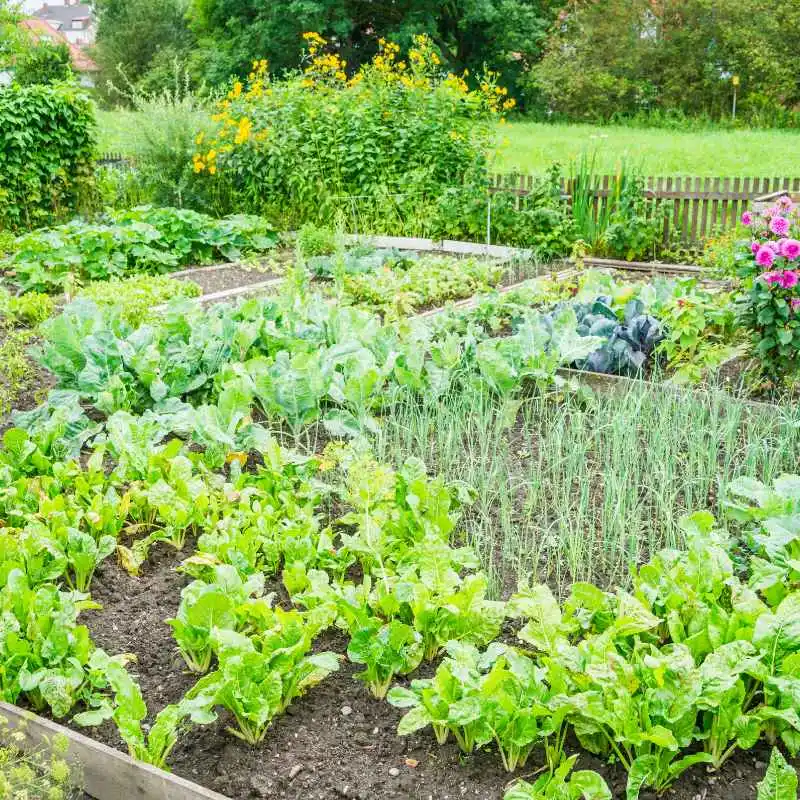
Adapt Your Methods: Use raised beds, containers, and specific soil amendments.
The desire to grow your own food is powerful. It connects you to nature, provides healthier food, and can be incredibly rewarding. The challenges in Florida don’t diminish that desire; they just mean we need smarter ways to achieve it.
What This Means for You: When is it Normal?
So, if you’re seeing fewer vegetable gardens, it’s not necessarily a reflection on your ambition or your neighbors’ lack of interest. It’s a reflection of the real, tangible challenges that Florida’s environment presents to home vegetable gardening. It’s normal to struggle.
It’s normal for certain plants to fail in summer. It’s normal for pests to be a constant battle. It’s normal for sandy soil to require significant amendment.
The key is to recognize these as normal parts of the Florida gardening experience, rather than personal failures.
When it’s normal to see fewer gardens:
- You’re in a region with very sandy soil.
- Your area experiences extremely hot and humid summers.
- Pest pressure seems overwhelming.
- You’ve tried a few times with common methods and seen poor results.
This understanding is empowering. It shifts the focus from “What’s wrong with me?” to “What’s the best way to approach this?”
Quick Fixes & Smarter Approaches
While there aren’t “magic bullets,” there are definitely smarter approaches. These aren’t necessarily instant fixes, but they are pathways to success.
1. Improve Your Soil: This is non-negotiable. You need to add organic matter.
Compost, compost, and more compost! Raised beds or containers are excellent options. They allow you to control the soil mix completely.
You can create the perfect environment for your plants from scratch, bypassing the native sandy soil issues.
2. Choose the Right Plants: Not all vegetables are created equal in Florida. Focus on varieties that are known to perform well in heat and humidity.
Some greens can tolerate heat, and certain tomato or pepper varieties are more disease-resistant. Look for heat-tolerant or heat-set varieties.
3. Time Your Planting Wisely: Florida has a unique planting calendar. Many cool-season crops like broccoli, cauliflower, and certain lettuces are best planted in the fall and winter.
Warm-season crops like tomatoes, peppers, and beans can be planted in spring and then again in early fall for a second harvest, avoiding the peak summer heat.
4. Pest and Disease Management: Be proactive. Healthy plants are more resistant.
Use row covers or netting to protect against insects. Companion planting might help deter some pests. Consider organic sprays or insecticidal soaps as a first line of defense.
Good air circulation is also crucial to prevent fungal diseases.
5. Watering Strategies: Water deeply and less often. This encourages deeper root growth.
Early morning is the best time to water. This allows the foliage to dry before nightfall, reducing disease risk. Drip irrigation or soaker hoses are very efficient and deliver water directly to the roots.
6. Embrace Shade: Some plants, like lettuce and spinach, can benefit from partial shade during the hottest part of the day, especially in spring and fall. You can use shade cloth to provide this protection.
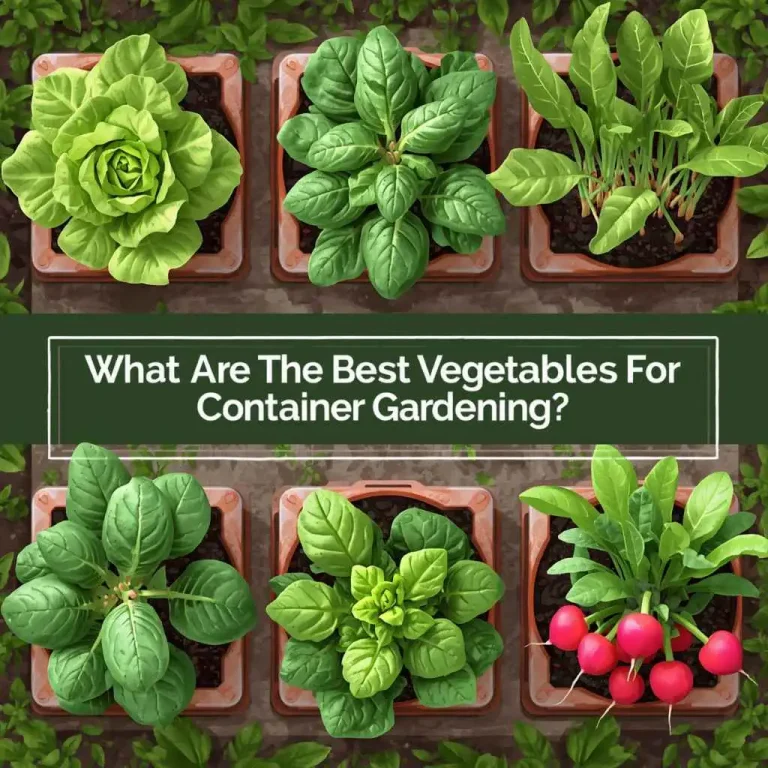
7. Container Gardening: This is a fantastic option for many Florida residents. Pots and grow bags allow you to manage the soil, watering, and location of your plants.
You can move them to catch the best light or to offer protection from harsh weather. It’s a very accessible way to start.
8. Embrace Florida-Native or Adapted Varieties: Some plants are bred or naturally suited to warmer climates. Research these options; they often require less fuss.
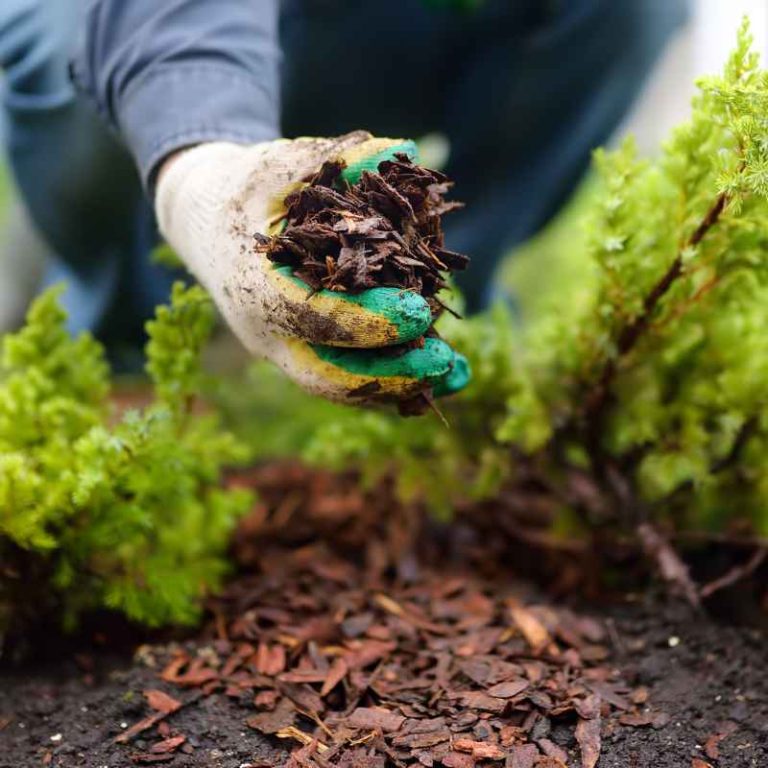
9. Mulch, Mulch, Mulch: A good layer of mulch (like pine bark or straw) helps retain soil moisture, suppresses weeds, and keeps the soil temperature more stable. This is vital in Florida’s heat.
10. Community Gardens and Allotments: If your own yard presents too many challenges, consider joining a community garden. You can learn from experienced gardeners and have access to better soil and resources.
Key Strategies for Florida Garden Success
Raised Beds/Containers: Perfect for controlling soil and drainage.
Heat-Tolerant Crops: Select varieties suited to Florida’s climate.
Strategic Planting: Follow Florida’s specific planting calendar.
Organic Amendments: Boost sandy soil with compost.
Pest Vigilance: Early detection and natural controls.
Water Wisely: Deep watering in the morning.
Shade Cloth: Protect sensitive plants from intense sun.
The journey to a successful Florida vegetable garden is less about fighting the climate and more about understanding it. It’s about learning to work with the environment, not against it. Many people might try one method that fails and then stop.
But with a bit of adaptation and the right knowledge, even a small urban space can yield delicious results.
When to Worry vs. When to Just Adjust
It’s important to distinguish between normal Florida gardening struggles and genuine problems that might require more serious intervention. Seeing a few aphids is normal. Seeing your entire plant covered in them within hours and wilting rapidly might be a sign of a more serious infestation that needs immediate attention.
Yellowing leaves can be normal, especially in summer heat, or it could be a sign of nutrient deficiency or disease. A soil test is a great way to determine if nutrient issues are the problem. Observing your plants regularly is key.
Catching problems early makes them much easier to manage.
When it’s normal to see challenges:
- Plants wilting slightly during the hottest part of a summer day, recovering in the evening.
- Occasional minor insect damage on leaves that doesn’t spread rapidly.
- Slow growth during the peak of summer heat.
- The need to add significant organic matter to your soil.
When to worry and seek solutions:
- Sudden, rapid wilting of plants that doesn’t improve.
- Widespread spotting, browning, or blackening of leaves and stems.
- Visible large populations of pests that are overwhelming the plant.
- Plants failing to grow or produce fruit despite good care and ideal timing.
- Signs of root rot (mushy roots, foul smell).
Don’t let the initial challenges discourage you. Every gardener, everywhere, faces obstacles. Florida gardeners just have a unique set of them.
The satisfaction of eating a tomato you grew yourself, even if it took a bit more effort, is absolutely worth it.

Frequently Asked Questions About Florida Gardening
Why do my vegetable plants die so quickly in Florida?
This is often due to the intense heat and humidity, which can stress plants and make them susceptible to diseases. Poor drainage in sandy soil also plays a big role, leading to root rot. Choosing heat-tolerant varieties and improving soil with lots of organic matter are key solutions.
What are the easiest vegetables to grow in Florida?
For beginners, consider bush beans, southern peas (black-eyed peas), okra, sweet potatoes, and certain varieties of peppers and cherry tomatoes. These tend to be more heat-tolerant and disease-resistant than many other common garden vegetables.
How much organic matter should I add to Florida’s sandy soil?
A lot! For raised beds, aim for at least 50% compost or other organic matter. If amending native soil, generously incorporate several inches of compost and till it in.
Continuous additions of organic matter are necessary to build healthy soil over time.
Can I grow lettuce and other greens in Florida during the summer?
Standard varieties of lettuce bolt (go to seed and become bitter) very quickly in summer heat. However, you can grow heat-tolerant “loose-leaf” lettuces or specific “summer” varieties. Providing partial shade and keeping the soil consistently moist helps.
Many gardeners find growing leafy greens easier in the fall, winter, and spring.
Are there any common pests I should really watch out for in Florida gardens?
Yes, absolutely. Keep a close eye out for aphids, whiteflies, spider mites, and various caterpillars. Root-knot nematodes can be a problem in the soil.
Fungal diseases like powdery mildew and blight are also very common due to high humidity. Early detection and action are vital.
What’s the deal with soil testing in Florida?
Soil testing is highly recommended, especially when starting out. Florida soils can be very acidic, and testing helps determine the pH and nutrient levels. You can then amend the soil with lime to raise the pH or sulfur to lower it, and add necessary nutrients.
Your local county extension office can provide soil testing kits and advice.
Conclusion: A Thriving Garden is Possible
While the visual landscape of Florida may not be dotted with as many home vegetable gardens as some other regions, it doesn’t mean success is impossible. The challenges of heat, humidity, pests, and sandy soil are real, but they are not insurmountable. By understanding these unique factors and adapting gardening practices accordingly, Floridians can absolutely cultivate productive and rewarding vegetable gardens.
It’s about informed choices, persistent effort, and embracing the distinct beauty of gardening in the Sunshine State.