Best Bug Sprays for Vegetable Gardens: Safe & Effective
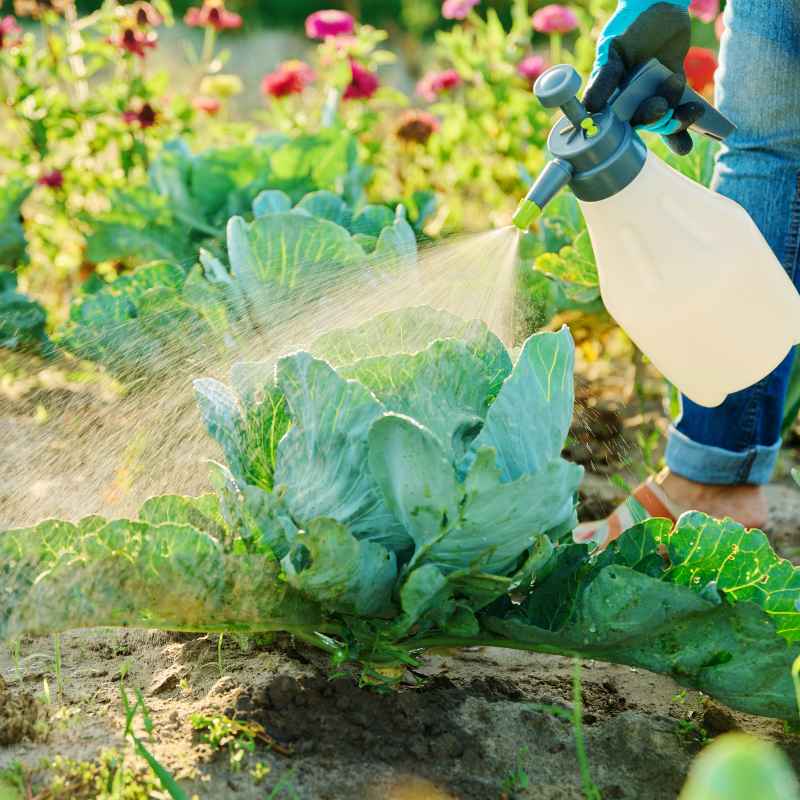
What bug spray is safe for vegetable gardens to protect your precious crops without harming beneficial insects or your health? Navigating the world of pest control for edible plants can feel overwhelming, but with the right knowledge, you can effectively manage infestations while maintaining an organic and safe garden. This guide will help you identify the safest and most effective bug sprays, understanding their ingredients, application, and when to use them to ensure a bountiful harvest.
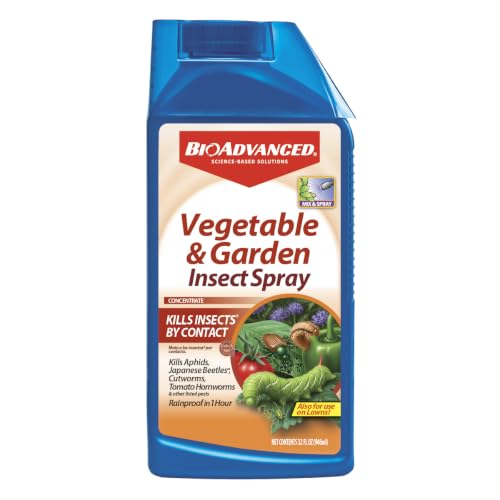
BioAdvanced
BioAdvanced Vegetable & Garden Insect Spray Concentrate…
- KILLS LISTED INSECTS ON CONTACT: Vegetable & Garden Insect Spray kills stink bugs, ants, ticks, fleas, mosquitos, flies, aphids, a…
- PROTECTS FRUIT & VEGETABLES: Keep your gardening produce protected from listed insects; For outdoor use on lawns, vegetables, and…
- RAINPROOF PROTECTION: Rainproof plant protection within one hour of applying this BioAdvanced insect killer; Covers 5,333 square f…
As an Amazon Associate I earn from qualifying purchases.
Simply put, the best bug sprays for vegetable gardens prioritize natural ingredients like neem oil, insecticidal soap, and pyrethrin, offering effective pest control while minimizing risks to pollinators, beneficial insects, and human consumption. Always read labels carefully and choose products specifically approved for use on edible plants.
Key Takeaways
- What bug spray is safe for vegetable gardens often relies on organic and natural formulations.
- Neem oil, insecticidal soaps, and pyrethrins are common effective and relatively safe options.
- Always check product labels for EPA approval for use on food crops and follow application instructions precisely.
- Protecting beneficial insects like pollinators is crucial, so target application and timing are key.
- Integrated Pest Management (IPM) strategies offer a more holistic approach to pest control.
What Bug Spray is Safe for Vegetable Gardens? Understanding Your Options
When considering what bug spray is safe for vegetable gardens, it’s crucial to understand that not all pesticides are created equal. For edible plants, the priority is to use products that are safe for consumption, won’t harm beneficial insects like bees and ladybugs, and won’t persist in the environment. The Environmental Protection Agency (EPA) provides guidelines and lists approved pesticides for organic gardening, which is a good starting point. These safe options typically fall into several categories: botanical insecticides, soaps and oils, microbial insecticides, and biochemical insecticides.
Botanical insecticides are derived from plants and often break down quickly in the environment. Neem oil, derived from the neem tree, is a prime example. It works in several ways, disrupting insect hormones, acting as an antifeedant, and even having some fungicidal properties. Insecticidal soaps are made from fatty acids that disrupt the cell membranes of soft-bodied insects, like aphids and spider mites, leading to their dehydration and death. They are effective but require direct contact with the pest. Pyrethrins, extracted from chrysanthemum flowers, are potent nerve toxins for insects but break down rapidly in sunlight, making them a relatively safer choice for vegetable gardens compared to synthetic pyrethroids.
| Type of Safe Bug Spray | How it Works | Common Pests Targeted | Considerations |
|---|---|---|---|
| Neem Oil | Hormone disruption, anti-feedant, suffocation | Aphids, whiteflies, spider mites, caterpillars, beetles | Can harm some beneficial insects if applied directly; avoid during peak bee activity. |
| Insecticidal Soap | Disrupts cell membranes, causing dehydration | Aphids, mealybugs, thrips, spider mites, whiteflies | Requires direct contact; can damage some plant foliage if applied too strongly or in heat. |
| Pyrethrins | Nerve poison; fast-acting | Mosquitoes, flies, ants, beetles, caterpillars | Can be toxic to fish; breaks down quickly in sunlight, reducing persistence. |
| Bacillus thuringiensis (Bt) | Bacteria; targets specific larvae | Caterpillars (e.g., cabbage worms, tomato hornworms) | Species-specific; harmless to non-target insects and humans. |
Choosing the right product is paramount for a safe and productive garden. Always look for labels that explicitly state “safe for vegetable gardens” or “approved for organic gardening.

Neem Oil: A Powerful Natural Insecticide for Your Veggies
Neem oil is one of the most popular and effective natural insecticides for vegetable gardens. Derived from the seeds of the neem tree (Azadirachta indica), it’s a complex compound with multiple modes of action against pests. Unlike many synthetic pesticides that kill on contact, neem oil’s efficacy lies in its ability to disrupt insect life cycles. It acts as an antifeedant, making leaves taste unpleasant to pests, and it also contains azadirachtin, a compound that interferes with insect molting and hormone regulation, preventing them from growing and reproducing.
This broad-spectrum natural pesticide is effective against a wide range of common garden pests including aphids, whiteflies, spider mites, mealybugs, thrips, leafminers, cabbage worms, and even some fungal diseases like powdery mildew. Its multifaceted action means pests are less likely to develop resistance compared to single-action pesticides. When used correctly, neem oil can significantly reduce pest populations without posing a significant threat to beneficial insects or the environment.
Tip: For best results with neem oil, apply it in the early morning or late evening when temperatures are cooler. This minimizes the risk of leaf burn and reduces direct exposure to pollinators like bees. Mix neem oil with water and a small amount of mild soap (like liquid castile soap) to help it emulsify and spread effectively on plant surfaces. Always test on a small section of the plant first.
- How Neem Oil Works:
- Disrupts insect hormones, preventing molting and reproduction.
- Acts as an antifeedant, making plants unpalatable to pests.
- Can suffocate small insects with soft bodies.
- Possesses some fungicidal properties, helping with mild plant diseases.
- Pest Spectrum:
- Aphids
- Whiteflies
- Spider Mites
- Mealybugs
- Thrips
- Leafminers
- Cabbage Worms
- Squash Bugs
- Leaf Beetles
- Application Guidelines:
- Dilute according to product instructions (typically 1-2 tablespoons per gallon of water).
- Spray all plant surfaces, including the undersides of leaves, where pests often hide.
- Reapply every 7-14 days as needed, or after heavy rain.
While generally safe, it’s important to note that some beneficial insects can also be harmed if directly sprayed. Therefore, targeted application is key. Avoid spraying during flowering periods when bees are most active.
Insecticidal Soap: A Simple Solution for Soft-Bodied Pests
Insecticidal soaps are a time-tested and environmentally friendly option for managing many common garden pests. These aren’t your household dish soaps, but rather specially formulated soaps made from potassium salts of fatty acids. When these fatty acids come into contact with the soft bodies of insects, they disrupt the insect’s cell membranes, causing rapid dehydration and death. This mode of action makes them highly effective against pests with soft exoskeletons.
The primary advantage of insecticidal soaps is their rapid breakdown in the environment. They are non-toxic to plants and animals once they dry, and they leave behind no harmful residues on your vegetables. This makes them an excellent choice for organic vegetable gardens. They are particularly effective against aphids, spider mites, whiteflies, mealybugs, and thrips. However, it’s important to remember that insecticidal soap requires direct contact with the pest to be effective.
Important: Always perform a spot test on a small part of the plant before spraying the entire plant. Some plants, especially those with fuzzy leaves or young seedlings, can be sensitive to soap sprays, leading to leaf damage or “burning.” Wait 24-48 hours after the spot test to check for any adverse reactions.
- Targeted Pests:
- Aphids
- Spider Mites
- Whiteflies
- Mealybugs
- Thrips
- Leafhoppers
- Mechanism of Action:
- Disrupts insect cell membranes.
- Causes rapid dehydration and death.
- Application Best Practices:
- Apply thoroughly to all affected plant parts, ensuring contact with pests.
- Spray during cooler parts of the day (early morning or late evening) to prevent leaf scorch.
- Do not use on extremely hot days (above 85°F or 29°C).
- Rinse plants with plain water a few hours after application if your plants are sensitive.
While effective, insecticidal soaps are less effective against pests with hard exoskeletons, such as adult beetles or squash bugs. They also don’t offer any residual protection, meaning new pests can infest the plant after the soap has dried. Therefore, repeat applications may be necessary.
Bacillus thuringiensis (Bt): A Specialized Biopesticide
Bacillus thuringiensis, or Bt, is a naturally occurring soil bacterium that is highly effective as a biopesticide against certain types of insects, particularly caterpillars. It’s a strain-specific biological control agent, meaning different strains of Bt target different insect groups. The most common strains used in gardening are Bt var. kurstaki (BtK) for caterpillars and Bt var. israelensis (Bti) for mosquito larvae. For vegetable gardens, BtK is the one to focus on for controlling common pests like cabbage worms, tomato hornworms, and armyworms.
When caterpillars ingest BtK bacteria, the bacteria produce toxic protein crystals within their gut. These crystals break down the caterpillar’s digestive system, causing them to stop feeding almost immediately and eventually starve to death. The beauty of Bt is its selectivity; it only affects larvae of certain insects that consume the bacteria. It is completely harmless to humans, pets, birds, fish, and beneficial insects such as bees and ladybugs. This makes it an excellent choice for organic gardeners concerned about the broader impact of pest control.
Warning: While Bt is highly selective, ensure you are using the correct strain for the pest you are targeting. BtK is primarily for caterpillars. If you have issues with other chewing insects or sucking insects, Bt will not be effective and you will need a different solution. Proper identification of the pest is crucial before application.
- Targeted Pests (Bt var. kurstaki):
- Cabbage Worms
- Tomato Hornworms
- Cabbage Loopers
- Armyworms
- Pepper Maggots
- Certain types of beetles (larval stage)
- How Bt Works:
- Ingested by larvae, it produces toxic protein crystals.
- Crystals disrupt the insect’s digestive system.
- Larvae stop feeding and die from starvation.
- Benefits:
- Highly selective; only affects target insect larvae.
- Safe for humans, pets, and beneficial insects.
- Environmentally friendly and breaks down naturally.
- Application:
- Apply as a spray when the first signs of caterpillars appear.
- Ensure thorough coverage of foliage where caterpillars feed.
- Reapply after rain or as directed on the product label, typically every 7-10 days.
Bt is most effective when applied proactively or at the very first signs of an infestation. Once caterpillars are large and have consumed significant amounts of foliage, they are harder to kill. Bt is also sensitive to UV light and can degrade in sunlight, so application timing can affect its efficacy.
Pyrethrins: Natural Knockdown Power
Pyrethrins are a group of six naturally occurring compounds called esters, derived from the flower heads of certain species of chrysanthemum. They are well-known for their rapid “knockdown” effect, meaning they quickly paralyze and kill insects upon contact. Pyrethrins are neurotoxins, interfering with the nervous system of insects, leading to rapid death. Because they are naturally derived and break down relatively quickly in sunlight and air, they are often considered a safer alternative to many synthetic pesticides.
Pyrethrins are effective against a wide range of flying and crawling insects, including mosquitoes, flies, ants, beetles, and even some caterpillars. In vegetable gardens, they can be used to tackle immediate pest problems. However, it’s important to note that while pyrethrins are natural, they are broad-spectrum and can be toxic to beneficial insects, including bees and ladybugs, if they come into direct contact with the spray or treated surfaces. This is why careful application and timing are crucial.
| Feature | Pyrethrins | Synthetic Pyrethroids (e.g., Permethrin) |
|---|---|---|
| Origin | Natural (Chrysanthemum flowers) | Synthetic imitation of pyrethrins |
| Degradation | Rapid (breaks down in sunlight and air) | Slower, longer residual effect |
| Toxicity to Beneficials | High (if direct contact) | Often higher and longer-lasting |
| Common Use | Fast knockdown, short residual | Longer-lasting pest control |
Products containing pyrethrins are often combined with synergists, such as piperonyl butoxide (PBO), which can enhance their effectiveness but also increase their toxicity to non-target organisms. Always look for pyrethrin products approved for vegetable gardens and follow label instructions diligently. Using them sparingly and strategically is key to minimizing their impact on the garden ecosystem.
Integrated Pest Management (IPM) for Vegetable Gardens
Beyond specific bug sprays, an Integrated Pest Management (IPM) approach offers the most sustainable and effective way to manage pests in your vegetable garden. IPM is a holistic strategy that combines various techniques, prioritizing prevention and biological controls before resorting to chemical treatments. The goal is to maintain pest populations below damaging levels while minimizing risks to human health and the environment.
IPM starts with observation and identification. Regularly inspecting your plants allows you to catch pest problems early, before they become severe. Knowing the specific pest you’re dealing with is crucial, as different pests require different control methods. Once identified, IPM suggests a hierarchy of interventions: first, cultural controls (like crop rotation and proper watering), then mechanical controls (like hand-picking or barriers), followed by biological controls (encouraging natural predators), and finally, chemical controls (using pesticides, preferably organic ones, as a last resort).
Tip: Encourage beneficial insects by planting companion plants that attract them. For example, dill, fennel, and yarrow attract ladybugs and lacewings, which are voracious predators of aphids and other small pests. Also, consider creating a “bug hotel” to provide shelter for beneficial insects.
- Key IPM Strategies:
- Prevention: Choose disease-resistant varieties, rotate crops annually, maintain healthy soil, and practice good sanitation.
- Monitoring: Regularly inspect plants for early signs of pests and diseases. Identify pests correctly.
- Mechanical & Physical Controls: Hand-picking pests, using row covers, traps, or barriers.
- Biological Controls: Introduce or encourage natural predators like ladybugs, lacewings, parasitic wasps, and predatory mites.
- Chemical Controls: Use the least toxic options first (organic sprays like neem oil or insecticidal soap) only when necessary and targeted.
- Benefits of IPM:
- Reduces reliance on chemical pesticides.
- Promotes biodiversity within the garden ecosystem.
- Leads to healthier, more resilient plants.
- Ensures safer produce for consumption.
By adopting an IPM approach, you create a balanced garden ecosystem where pests are kept in check naturally. This method requires patience and observation but ultimately leads to a more sustainable and productive garden. It acknowledges that a garden is a living system and that controlling pests is part of managing that system, not eradicating entire populations.

Frequently Asked Questions
What are the safest bug sprays for organic vegetable gardens?
The safest bug sprays for organic vegetable gardens typically include neem oil, insecticidal soaps, Bacillus thuringiensis (Bt), and pyrethrins. These are derived from natural sources and break down relatively quickly in the environment, posing minimal risk to produce and beneficial insects when used as directed.
Can I use essential oils as bug spray in my vegetable garden?
Some essential oils, like peppermint, rosemary, or clove oil, can have insect-repelling properties and may be used in diluted forms. However, they can also be potent and potentially harmful to plants and beneficial insects if not used correctly. It’s crucial to dilute them significantly and test on a small area first, as they can cause leaf burn.
How often should I spray my vegetable garden for bugs?
The frequency of spraying depends on the product used and the severity of the infestation. Organic sprays like insecticidal soap and neem oil may need to be reapplied every 7-14 days. Bt is often applied weekly when pests are active.
Always follow the specific reapplication schedule recommended on the product label.
Will organic bug sprays harm bees and other pollinators?
While generally safer than synthetic pesticides, organic sprays can still harm pollinators if applied incorrectly. Avoid spraying flowering plants when bees are actively foraging. The best practice is to spray in the early morning or late evening when pollinators are less active.
Bt is highly selective and safe for bees, but neem oil and pyrethrins can be harmful on direct contact.
What’s the difference between a broad-spectrum and a targeted bug spray?
Broad-spectrum bug sprays kill a wide variety of insects, including both pests and beneficial organisms. Targeted bug sprays are designed to affect only specific types of pests. For vegetable gardens, targeted sprays like Bt are often preferred to preserve beneficial insects.
Natural sprays like neem oil and insecticidal soap, while broader than Bt, are generally less harmful to non-target organisms than synthetic broad-spectrum pesticides.
Final Thoughts
Protecting your vegetable garden from pests is essential for a healthy harvest, and choosing the right bug spray makes all the difference. By prioritizing natural and organic options like neem oil, insecticidal soap, Bt, and pyrethrins, you can effectively manage infestations while safeguarding your produce and the garden ecosystem. Remember that careful application, correct pest identification, and an integrated approach are your best tools for a thriving and safe vegetable patch.
Related pick: Check today's price on Amazon