Vegetable Companion Planting: Companions And Competitors Guide
Companion planting is a natural gardening method that uses the relationships between plants. It helps boost growth, deter pests, and improve soil health. Understanding plant friends and foes leads to a more successful and healthier garden.
What is Vegetable Companion Planting?
Companion planting is all about giving your plants the best chance to grow. It means planting different types of vegetables, herbs, or flowers close together. The goal is to create helpful relationships between them.
Some plants can attract good bugs. Others might push away the bad bugs. Some can even give nutrients to their neighbors.
Think of it like a neighborhood. Some people help each other out. They might share tools or keep an eye on each other’s homes.
Other people might cause noise or take up all the parking. Your garden plants can work the same way. The right plant neighbors can make your whole garden healthier.
They can help plants grow bigger and stronger. They might also help fight off diseases. It’s a way to work with nature, not against it.
This practice has been around for a very long time. Many cultures have used it for centuries. It’s a tried and true method.
It’s not just about making things look pretty. It’s about creating a balanced ecosystem. This helps your garden reach its full potential.
It’s a simple but powerful gardening technique. It can make a big difference for your harvest.
My First Foray into Plant Pals
I remember my first real garden. It was a small plot behind my tiny apartment. I was so excited.
I just jammed everything in wherever there was space. Tomatoes here, cucumbers there, a few peppers sprinkled in. By mid-summer, things looked rough.
My tomato plants were covered in spots. The cucumber leaves were all chewed up. And the peppers?
Tiny and sad. I felt so defeated. I thought I just wasn’t cut out for gardening.
Then, I stumbled upon an old gardening book. It talked about companion planting. It said basil could help keep pests away from tomatoes.
It mentioned marigolds could deter nematodes. It even said planting lettuce under taller plants like tomatoes could provide shade and keep the soil cool. It felt like a secret code.
I decided to try it the next year. I planted basil all around my tomatoes. I added a row of marigolds at the edge.
I put some lettuce seeds under the tomato starts.
The difference was night and day. My tomatoes were healthier. The basil smelled amazing and seemed to deter some flies.
The marigolds did their magic. The lettuce grew surprisingly well in the dappled shade. It wasn’t a miracle cure for everything.
But my garden was so much happier and more productive. That experience taught me how much plants can influence each other. It was a game changer for my gardening confidence.
What Makes a Good Plant Neighbor?
Nutrient Sharing: Some plants, like legumes, add nitrogen to the soil. This helps leafy greens grow better.
Pest Deterrence: Strong-smelling herbs or certain flowers can confuse or repel garden pests. Think of them as natural bug spray.
Attracting Beneficials: Some plants invite helpful insects, like ladybugs or lacewings. These bugs eat the pests that harm your veggies.
Physical Support: Tall plants can provide shade or a place to climb for shorter ones. This saves space and protects delicate plants.
Soil Improvement: Deep-rooted plants can break up heavy soil. This makes it easier for other roots to grow.
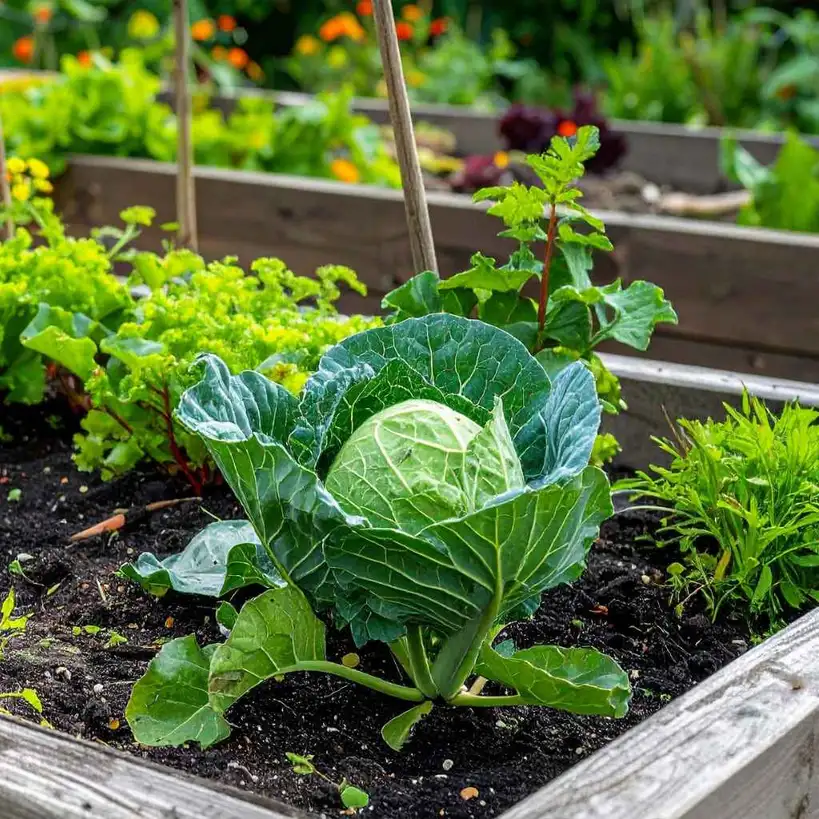
Understanding the “Why”: How Plants Help Each Other
Plants can interact in many ways. Some interactions are positive. Others are negative.
Understanding these interactions is key. It helps you make smart planting choices. We can group these helpful effects into a few main categories.
One big way plants help is by improving the soil. Legumes, like beans and peas, are famous for this. They have tiny nodules on their roots.
These nodules contain bacteria. These bacteria take nitrogen from the air. They turn it into a form plants can use.
This nitrogen then becomes available in the soil. Leafy greens, like lettuce and spinach, need lots of nitrogen. So, planting beans near your greens is a great idea.
It’s like a natural fertilizer.
Another important interaction is pest control. Many plants have strong scents. These scents can confuse or repel common garden pests.
For example, onions and garlic have a strong smell. They can deter aphids and other small insects. Mint is another powerful herb.
Its scent can ward off many pests. However, mint can also spread very aggressively. It’s often best to plant mint in a container.
This keeps it from taking over your garden bed. Some flowers also play a role. Marigolds are well-known for repelling nematodes.
These are tiny worms that can damage plant roots.
Plants can also attract beneficial insects. These are insects that help your garden. Ladybugs eat aphids.
Lacewings eat all sorts of pests. Some plants, like dill, fennel, and yarrow, attract these helpful bugs. When you plant these near your vegetables, you create a mini-ecosystem.
The beneficial insects will then help protect your crops. It’s a natural way to manage pests without chemicals.
Physical support is another benefit. Taller plants can offer shade to smaller ones. This is great for plants that don’t like the hot afternoon sun.
For instance, lettuce or spinach can grow well under taller tomato plants. The tomatoes provide shade. This keeps the soil cooler and prevents the greens from bolting (going to seed too quickly).
Some plants can also provide a structure for others to climb on. However, you need to be careful here. You don’t want to overcrowd plants.
The “Three Sisters” System
This is a classic example of companion planting. It comes from Native American traditions.
Corn: Provides a stalk for the beans to climb.
Beans: Climb the corn stalks. Their roots fix nitrogen in the soil, feeding the corn and squash.
Squash: Spreads its large leaves along the ground. This suppresses weeds and keeps the soil moist.
Together, these three plants create a mutually beneficial system. It’s a perfect picture of harmony in the garden.
Plant Friends: Great Vegetable Companions
Let’s talk about who gets along well. Knowing these pairings can make a big difference. It helps you plan your garden layout for maximum benefit.
Tomatoes love being near basil. Basil is thought to improve tomato flavor. It also repels flies and mosquitoes.
Planting carrots near lettuce is good. The lettuce shades the soil. This helps carrots grow better.
Onions and carrots are also good friends. Onions can deter carrot rust flies. Carrots can deter onion flies.
Cucumbers do well with beans and peas. These legumes add nitrogen to the soil. This benefits the cucumbers.
Planting radishes near cucumbers can be helpful. Radishes can act as a trap crop for cucumber beetles. The beetles might go for the radishes first.
Corn is a good companion for beans and squash. This is the “Three Sisters” system we talked about.
Broccoli and other brassicas (like cabbage, kale) benefit from dill and rosemary. These herbs can deter cabbage worms and moths. Potatoes like to be planted with beans.
Beans can help protect potatoes from the Colorado potato beetle. They also add nitrogen. Spinach is a good companion for many things.
It likes the shade from taller plants. It also doesn’t compete much for nutrients.
Peppers can benefit from onions and basil. These can help deter pests that bother peppers. Beets grow well with beans and onions.
Beans add nitrogen. Onions can deter beet pests.
Quick Scan: Top 5 Friendly Pairs
| Vegetable Pair | Benefit |
| Tomato & Basil | Flavor boost, pest deterrence |
| Carrot & Onion | Pest confusion (rust fly, onion fly) |
| Cucumber & Bean | Nitrogen for cucumber |
| Broccoli & Rosemary | Deters cabbage pests |
| Potato & Bean | Pest deterrence, nitrogen |
Plant Competitors: Not-So-Good Vegetable Neighbors
Just as some plants are great friends, others are fierce competitors. Planting these near each other can lead to poor growth. It can also make plants more prone to pests and diseases.
It’s important to know who to keep apart.
Tomatoes and cabbage family plants (like broccoli, cauliflower, kale) do not get along. They can stunt each other’s growth. Cabbage plants can also attract pests that bother tomatoes.
So, give them plenty of space.
Beans and onions or garlic are not good neighbors. Onions and garlic can inhibit the growth of beans. They can interfere with the nitrogen-fixing bacteria in bean roots.
So, keep your bean patch away from your allium family plants.
Potatoes and tomatoes should not be planted together. They are both in the nightshade family. They can share diseases.
For example, blight can spread easily between them. They also compete for nutrients in a similar way.
Fennel is a loner. It’s known to inhibit the growth of many other plants. It’s often best to plant fennel by itself.
It can stunt the growth of beans, tomatoes, and other common vegetables. Some gardeners even recommend keeping it far from the main garden beds.
Carrots and dill or parsley can be problematic. While dill can help other plants, it’s not a good companion for carrots. It can attract pests that harm carrots.
It also tends to stunt their growth.
Peas and onions also do not mix. Similar to beans, onions can negatively affect pea growth. Keep your peas and onions in separate areas of the garden.
Myth vs. Reality: Companion Planting
Myth: All herbs are good for all vegetables.
Reality: While many herbs are great companions, some can inhibit growth. For instance, dill can be bad for carrots, and mint can take over. Always check specific pairings.
Myth: Companion planting solves all pest problems.
Reality: It helps significantly, but it’s not a magic bullet. It’s one part of an integrated pest management strategy.
Myth: You must plant specific flowers or herbs everywhere.
Reality: Focus on the vegetable pairings first. Then, add flowers and herbs where they offer the most benefit. Don’t overcomplicate it.
Common Scenarios in Your Garden
Let’s picture some real-life garden situations. How does companion planting show up?
Scenario 1: The Overcrowded Patch. You’ve got tomatoes, peppers, and a small patch of bush beans all squeezed together. What happens? The beans might not produce well because they are competing with the larger tomato and pepper plants for light and nutrients.
Also, if you had planted basil around the tomatoes, it might have helped with any stray aphids. Without it, the aphids might find the tomatoes more easily.
Scenario 2: The Pesty Kale. Your kale plants are looking sad. Tiny green or black bugs are all over the leaves. This is likely aphids.
You might have planted them near something that attracts them. Or maybe you didn’t plant anything to deter them. Planting dill or rosemary nearby could attract ladybugs.
Ladybugs are natural predators of aphids. Or, planting marigolds around the edges might help keep away other flying pests.
Scenario 3: The Thirsty Lettuce. It’s a hot July day. Your lettuce is wilting. It’s planted in full sun.
If you had planted the lettuce under or next to taller plants like your staked tomatoes, it would get some welcome shade. This shade helps keep the soil cooler and moister. This prevents the lettuce from bolting and tasting bitter.
Scenario 4: The Root Vegetable Confusion. You’re growing carrots and parsnips. They look a bit spindly. You might have planted them too close to plants that have similar root systems or compete heavily.
Or perhaps you planted them near onions. Onions can stunt the growth of root vegetables. Planting them with radishes can be a good idea.
Radishes grow fast and break up the soil. This helps the carrots develop.
Planting Zones and Microclimates
Sunlight: Tall plants can create shade. This is good for cool-season crops in summer heat.
Wind Protection: Taller, sturdier plants can act as windbreaks for more delicate ones.
Soil Moisture: Ground cover plants like squash can help retain soil moisture.
Temperature: Plants that prefer cooler soil can grow under taller, sun-loving plants.
What This Means for Your Garden Plans
So, how do you use this information? It means planning your garden layout is really important. It’s not just about how much space each plant needs.
It’s also about who its neighbors will be.
When is it normal? It’s normal for plants to grow well when placed with their known friends. You’ll see healthy green leaves. You’ll get good fruit or vegetable production.
You might also notice fewer pests or diseases than in previous years. This is a sign your companion planting is working.
When should you worry? If you see stunted growth. If plants look weak or yellow. If pests are still a major problem despite your efforts.
If you have plants that are known competitors right next to each other. For example, planting potatoes near tomatoes, or beans near onions. These are signs that your plant neighbors might be fighting.
Simple checks to make: Look at your garden map. Are your known good pairs planted together? Are your known bad pairs separated?
Are you using herbs known for pest deterrence around vulnerable crops? Are you using plants that add nitrogen (like beans) near heavy feeders (like corn or squash)? A quick walk around your garden with this knowledge can reveal a lot.
It’s about creating a balanced environment. A garden with good neighbors is a more resilient garden. It needs less intervention.
It produces more. It’s a win-win for you and your plants.
Quick Tips for Better Planting
You don’t need to be a master gardener to use companion planting. Here are some simple tips.
1. Start Small. Pick one or two pairings you want to try. For instance, plant basil with your tomatoes.
Or plant radishes around your cucumbers. See how it works in your garden.
2. Use Herbs. Many common herbs are great companions. Basil, parsley, dill, rosemary, and thyme can all offer benefits.
They can deter pests or attract beneficial insects.
3. Add Flowers. Marigolds are famous for deterring nematodes. Nasturtiums can act as trap crops for aphids.
They can lure them away from your vegetables.
4. Rotate Crops. Don’t plant the same thing in the same spot every year. This is good general gardening advice.
It also helps break pest cycles. It prevents the soil from getting depleted of the same nutrients.
5. Observe Your Garden. Pay attention to what’s happening. Which plants look happiest?
Are there specific areas with more pests? Your garden will tell you what’s working and what’s not.
6. Consider Growth Habits. Think about height and spread. Plant tall, sturdy crops where they can support or shade smaller ones.
Avoid planting aggressive spreaders next to plants that need a lot of space.
Planting Checklist
Check for good pairings: Tomatoes with basil? Beans with corn? Carrots with onions?
Check for bad pairings: Potatoes away from tomatoes? Beans away from onions? Cabbage family away from tomatoes?
Add pest deterrents: Marigolds, basil, strong-smelling herbs?
Add beneficial attractors: Dill, fennel, yarrow?
Consider physical support: Tall plants providing shade?
Frequently Asked Questions about Vegetable Companions
Will companion planting guarantee a pest-free garden?
Companion planting is a great help. It can significantly reduce pest problems naturally. However, it’s not a perfect shield.
Pests can still appear. It works best as part of a larger gardening strategy that includes crop rotation and good soil health.
Can I plant herbs and vegetables too close together?
You need to be mindful of spacing. Even good companions need room to grow. Check the mature size of each plant.
Overcrowding can cause stress. It can make plants more susceptible to problems. Make sure there’s good air circulation.
Which flowers are best for companion planting?
Marigolds are excellent for deterring nematodes. Nasturtiums can attract aphids away from your vegetables. Sunflowers can provide support for climbing beans.
Zinnias and cosmos attract pollinators and beneficial insects.
Is it okay to plant the same type of vegetable together?
It’s generally better to avoid planting the exact same vegetable right next to itself. They will compete heavily for the same nutrients. Also, diseases that affect that type of vegetable can spread more easily.
It’s best to rotate different vegetable families.
How far apart should I keep “competitor” plants?
There isn’t a strict rule for distance. The further apart, the better. Ideally, keep them in different beds or on opposite sides of the garden.
This minimizes their negative impact on each other.
Does companion planting really improve vegetable taste?
Some gardeners and studies suggest certain pairings, like basil with tomatoes, can subtly improve flavor. The main benefits are usually pest control, disease resistance, and growth enhancement. Improved taste is a nice bonus if it happens!
Wrapping Up Your Garden’s Social Life
Understanding who belongs where in your garden makes a real difference. It’s about creating a happy, healthy neighborhood for your plants. By choosing the right companions and keeping competitors apart, you encourage natural growth and fewer problems.
Your garden will thank you for it with a bountiful harvest.