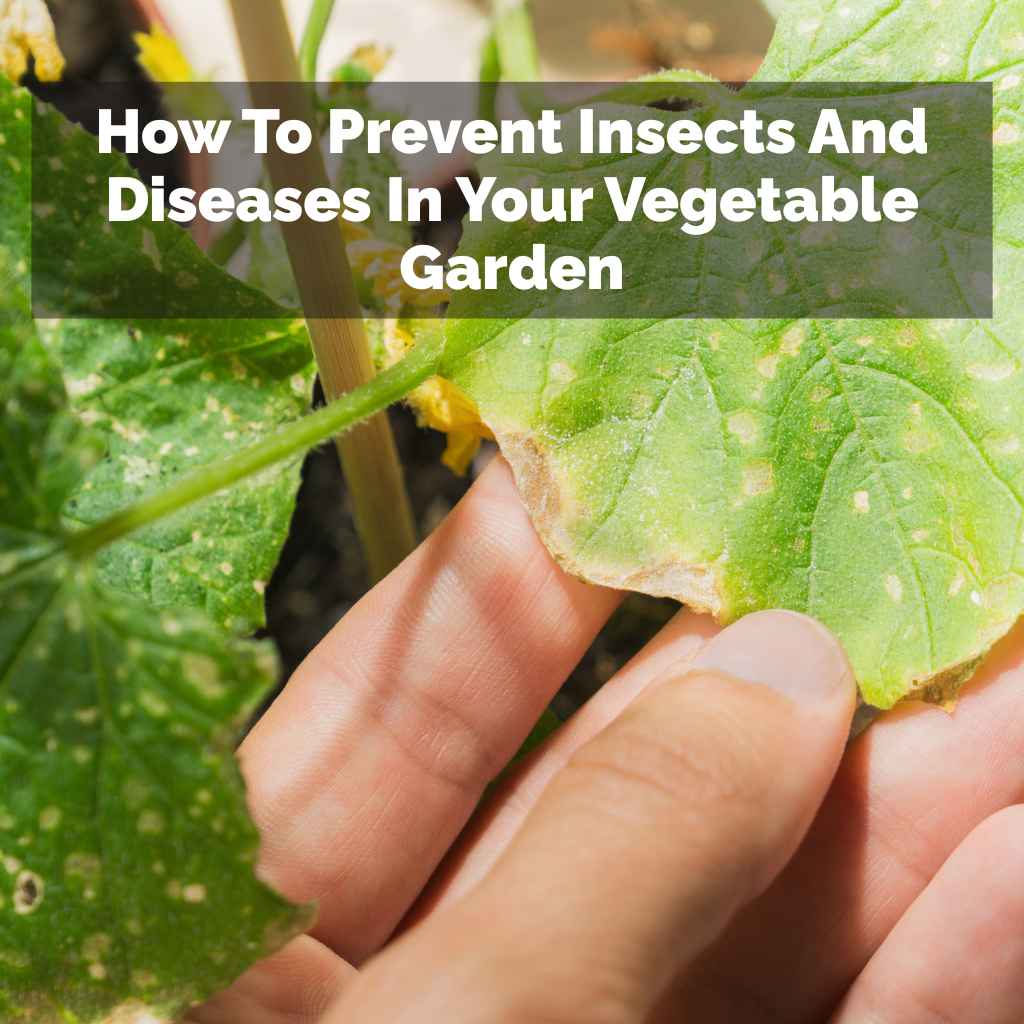

Keeping your vegetable garden free from common insects and diseases is key to a good harvest. This means using smart methods like choosing the right plants, tending to soil health, and watching plants closely. Early detection and simple, often natural, interventions can prevent big problems. Healthy plants naturally fight off many issues, so focusing on overall plant wellness is your best defense.
Understanding Common Garden Invaders
Gardens are ecosystems. That means lots of living things, including those we don’t want. Insects and diseases are part of this.
They can damage leaves, stems, roots, and fruits. This stops plants from growing well. It can even kill them.
Knowing what you’re up against helps. Many common problems have simple solutions. We often see the same few issues pop up year after year.
Learning to spot them means you can act fast. This is better than waiting until it’s too late.
What are the Usual Suspects?
Insects are a big concern. Think about aphids, tiny bugs that suck plant juices. They love new growth.
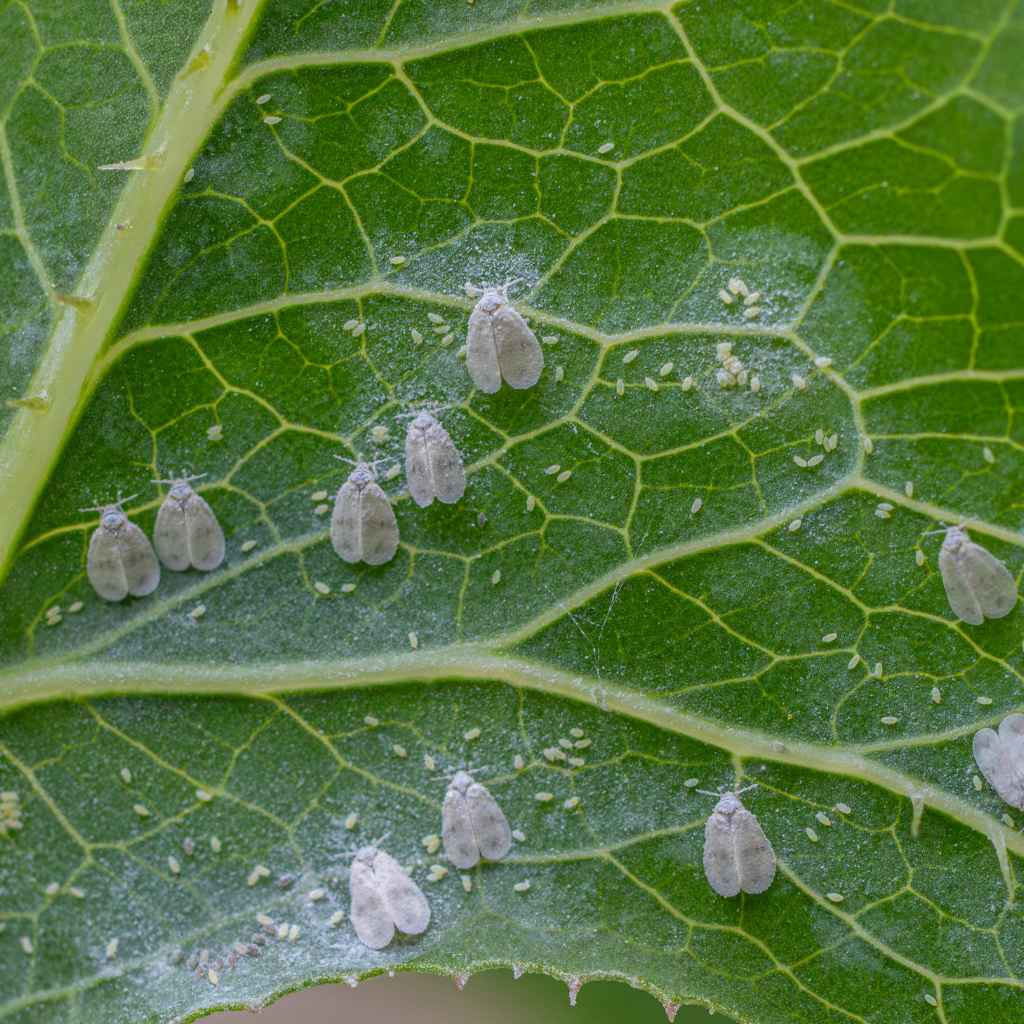
Then there are caterpillars, munching holes in leaves. Slugs and snails leave slimy trails and eat young plants. Whiteflies are small white insects that fly up when disturbed.
Diseases are also common. Fungal diseases are very frequent. Powdery mildew looks like white dust on leaves.
Blight can cause dark spots and rot. Bacterial diseases can cause wilting or leaf spots too. Sometimes, viruses cause distorted growth.
These problems aren’t picky. They can affect tomatoes, peppers, beans, lettuce, squash, and many other vegetables. The goal is not to eliminate every single bug or spore.
It’s about keeping them at a level where they don’t harm your harvest. Think of it as balance.
My Near-Disaster with Aphids
I remember one summer vividly. My bean plants were looking fantastic. They were growing tall and strong.
Then, one morning, I saw it. A tiny speck of green on a young leaf. Then another.
Within days, the undersides of my bean leaves were covered in tiny green aphids. They were everywhere!
I felt a knot of panic. I’d seen aphids before, but never this many, this fast. They were making the leaves curl.
The plant’s energy was going to feeding them. I imagined losing my whole bean crop. It felt like a huge setback.
All that work!
I almost reached for a strong chemical spray. But I remembered learning about gentler ways. I grabbed a hose and blasted them off with water.
I also squished clusters by hand. It was a bit gross, but it worked. I repeated this daily for a few days.
Slowly, the plants bounced back. It taught me that quick, consistent action makes a big difference.
Building a Strong Defense: Soil and Plant Health
The best way to fight insects and diseases is to have healthy plants. And healthy plants start with healthy soil. Think of your soil as the foundation of your garden.
If the foundation is weak, the whole house will have problems.
Good soil gives plants the nutrients they need. It also helps them get enough water. Healthy plants have stronger defenses.
They can resist pests and diseases better. They can recover faster if they do get sick.
Healthy Soil Secrets
- Add Compost: This is like superfood for your soil. It adds nutrients and helps with drainage.
- Don’t Compact: Avoid walking on your garden beds. This squeezes out air and water.
- Cover Crops: Planting things like clover in the off-season adds nutrients back.
- Test Your Soil: Knowing your pH and nutrient levels helps you fix what’s missing.
When plants are stressed, they are more likely to get sick. Stress can come from lack of water, too much water, or poor soil. It can also come from extreme weather.
So, paying attention to these basic needs is your first line of defense.
Choosing the Right Plants for Your Garden
Some plants are naturally tougher than others. Others are known to be more prone to certain problems. Picking the right varieties can save you a lot of headaches.
It’s like choosing a strong breed of dog for certain tasks.
Look for plant descriptions that mention disease resistance. Many seed companies now breed varieties that can fight off common blights or mildews. This is a huge advantage.
You’re starting with a plant that has a built-in defense.
Planting Smart Choices
- Look for “Resistant” Varieties: On seed packets, this is a key phrase.
- Match Your Climate: Plants that love your weather are less stressed.
- Know Your Space: Some plants need more room. Crowded plants can spread disease faster.
Another tip is to rotate your crops. This means not planting the same vegetable in the same spot year after year. If a disease was in the soil last year, rotating helps break its cycle.
This is a fundamental practice for long-term garden health.
Wise Watering Practices
How and when you water can make a big difference. Watering directly at the base of the plant is best. This keeps the leaves dry.
Wet leaves can invite fungal diseases like powdery mildew.
Watering in the morning is also a good idea. This gives plants time to dry off during the day. If you water at night, leaves can stay wet for hours.
This is a perfect setup for fungus to grow.
Watering Wisely
Water the Roots, Not the Leaves: Use a soaker hose or drip irrigation. This targets water where it’s needed.
Water Early in the Day: Allows plants to dry before nightfall.
Check Soil Moisture: Stick your finger about an inch into the soil. If it feels dry, it’s time to water.
Overwatering can be just as bad as underwatering. It can lead to root rot. It also makes plants weak and more open to disease.
Learning to read your plants and soil is key. They’ll tell you when they need a drink.
Natural Pest Control Methods
You don’t always need harsh chemicals to deal with pests. There are many natural ways to control them. These methods are often safer for beneficial insects, like bees and ladybugs.
One simple method is hand-picking. For larger pests like tomato hornworms or slugs, this is very effective. You just pick them off and drop them into a bucket of soapy water.
Another popular method is using insecticidal soap. You can buy this or make your own. It works by breaking down the outer shell of soft-bodied insects like aphids.
It’s important to spray it directly on the bugs.
DIY Insecticidal Soap Recipe
Ingredients:
- 1 tablespoon liquid castile soap (unscented)
- 1 quart water
Instructions: Mix well. Spray directly onto pests. Test on a small leaf first.
Avoid spraying in hot sun.
Companion planting is also a smart strategy. This means planting certain plants together that help each other. For example, planting marigolds can help deter nematodes in the soil.
Basil can help repel flies and mosquitoes. Some plants attract beneficial insects that eat pests.
Attracting Beneficial Insects
Nature often provides its own pest control. Ladybugs eat aphids. Praying mantises eat many flying insects.
Lacewings are also great predators. Encouraging these helpful creatures to visit your garden is a powerful strategy.
How do you attract them? Plant flowers that they love. Things like dill, fennel, yarrow, and cosmos are good choices.
These flowers provide nectar and pollen for them. They also offer a place to hide.
Beneficial Insect Buffet
Good Food Sources:
- Dill
- Fennel
- Coriander
- Parsley
- Sunflowers
- Cosmos
Provide Water: A shallow dish with pebbles can provide a safe water source.
It’s important to avoid using broad-spectrum pesticides. These kill both bad bugs and good bugs. By using natural methods, you protect the helpers.
This creates a more balanced garden ecosystem.
Recognizing Disease Symptoms Early
The sooner you spot a disease, the easier it is to manage. Regular checks of your plants are crucial. Spend a few minutes each day or every other day just looking closely.
What should you look for? Spots on leaves are a common sign. These can be brown, black, or yellow.
Wilting is another symptom. It could mean a root problem or a disease affecting the plant’s water transport.
Signs of Trouble
Leaf Spots: Look for unusual patterns or colors on leaves.
Wilting: Even when the soil is moist, plants may wilt.
Powdery Growth: A white, dusty coating on leaves or stems.
Stunted Growth: Plants aren’t growing as they should.
Discolored Fruits/Vegetables: Rot or unusual spots on your produce.
If you see a problem, act fast. Remove affected leaves or plants if the issue is severe. This stops it from spreading.
Dispose of diseased material away from your garden. Don’t compost it.
Dealing with Common Fungal Diseases
Fungal diseases are probably the most frequent issue for home gardeners. They thrive in damp conditions. Good airflow and dry leaves help prevent them.
Powdery mildew is very common. It looks like someone dusted the leaves with flour. It usually doesn’t kill plants but can weaken them.
It’s often found on squash, cucumbers, and tomatoes.
Fungal Disease Fixes
Powdery Mildew: Try spraying with a milk and water solution (1 part milk to 9 parts water). Neem oil or baking soda spray (1 tablespoon baking soda, 1 teaspoon liquid soap, 1 gallon water) can also work.
Blight: Often requires removing affected plants. Crop rotation is key for prevention.
Good Airflow: Space plants correctly so air can move through them.
Blight is another serious fungal issue. It can affect tomatoes and potatoes. It causes dark, greasy spots and can kill plants quickly.
If you see blight, it’s often best to remove the plant immediately to prevent it from spreading to others.
Preventing Bacterial Problems
Bacterial diseases are less common than fungal ones but can be serious. They often enter plants through wounds. They can also spread through water.
Some bacterial diseases cause leaf spots or blights. Others cause wilting. For example, bacterial wilt makes plants droop suddenly.
Battling Bacteria
Sanitize Tools: Clean your pruners and other tools between plants.
Avoid Overhead Watering: Water at the base of the plant.
Choose Resistant Varieties: Some plants are bred to resist bacterial issues.
Remove Infected Plants: If a plant is severely infected, remove it to prevent spread.
Prevention is the best strategy for bacterial diseases. Keeping plants healthy and strong helps them resist infection. Proper watering and tool sanitation are your best defenses here.
My Experience with a Tomato Blight Scare
Last year, my beloved tomato plants started showing signs of trouble. Tiny brown spots appeared on the lower leaves. Then they began to spread upward.
I recognized it as blight. My heart sank. I’d lost tomatoes to blight before, and it was devastating.
The plants looked sickly. The spots were growing. I worried about the fruit getting infected.
It was early in the season, too. I knew I had to act fast. I immediately started removing any leaves that showed the spots.
I wore gloves to avoid spreading it further.
I also made sure to water only at the soil line. I didn’t want to splash any spores around. I sprayed them with a copper-based fungicide.
This is a more natural option that helps control fungal and bacterial diseases. It wasn’t a magic fix. Some leaves still got sick.
But by being vigilant and using these methods, I managed to save most of my plants. The harvest was decent. It was a stressful time, but it reinforced how important early detection and quick action are.
And how much plant rotation can help prevent it from coming back too strong.
Crop Rotation: A Smart Garden Practice
You might have heard about crop rotation. It’s a simple idea with big benefits for preventing soil-borne diseases and pests.
The idea is to not plant the same type of vegetable in the same spot every year. Many pests and diseases live in the soil. If you keep planting the same thing, they have a continuous food source.
They build up in the soil.
Crop Rotation Basics
Group Similar Plants: Tomatoes, peppers, and eggplants are in the same family (nightshades). Don’t plant them after each other.
Follow a Plan: Divide your garden into sections. Rotate families through these sections over 3-4 years.
Add Organic Matter: Each year, add compost to help replenish the soil.
For example, if you have a problem with a certain type of nematode that affects tomatoes, planting tomatoes in that spot again next year means those nematodes will likely thrive. But if you plant beans there, it breaks the cycle.
Companion Planting for Pest Defense
Companion planting is a really cool way to use nature’s help. It’s about planting different crops together that benefit each other.
Some plants can actually repel pests. Others can attract beneficial insects. Some might even improve the soil for their neighbors.
Companion Planting Pairs
Tomatoes & Basil: Basil may repel tomato hornworms and flies.
Carrots & Rosemary: Rosemary can help deter the carrot rust fly.
Cucumbers & Dill: Dill attracts beneficial insects that prey on cucumber pests.
Beans & Corn: Beans fix nitrogen in the soil, which corn can use.
It’s not always a guaranteed fix, but it’s a great strategy to try. It makes your garden more diverse and resilient. A diverse garden is a healthier garden.
It’s less likely to be wiped out by a single pest or disease.
When to Worry and When to Relax
It’s important to remember that a garden is a living thing. There will always be some signs of life, including pests and minor issues. Not every bug or spot is a catastrophe.
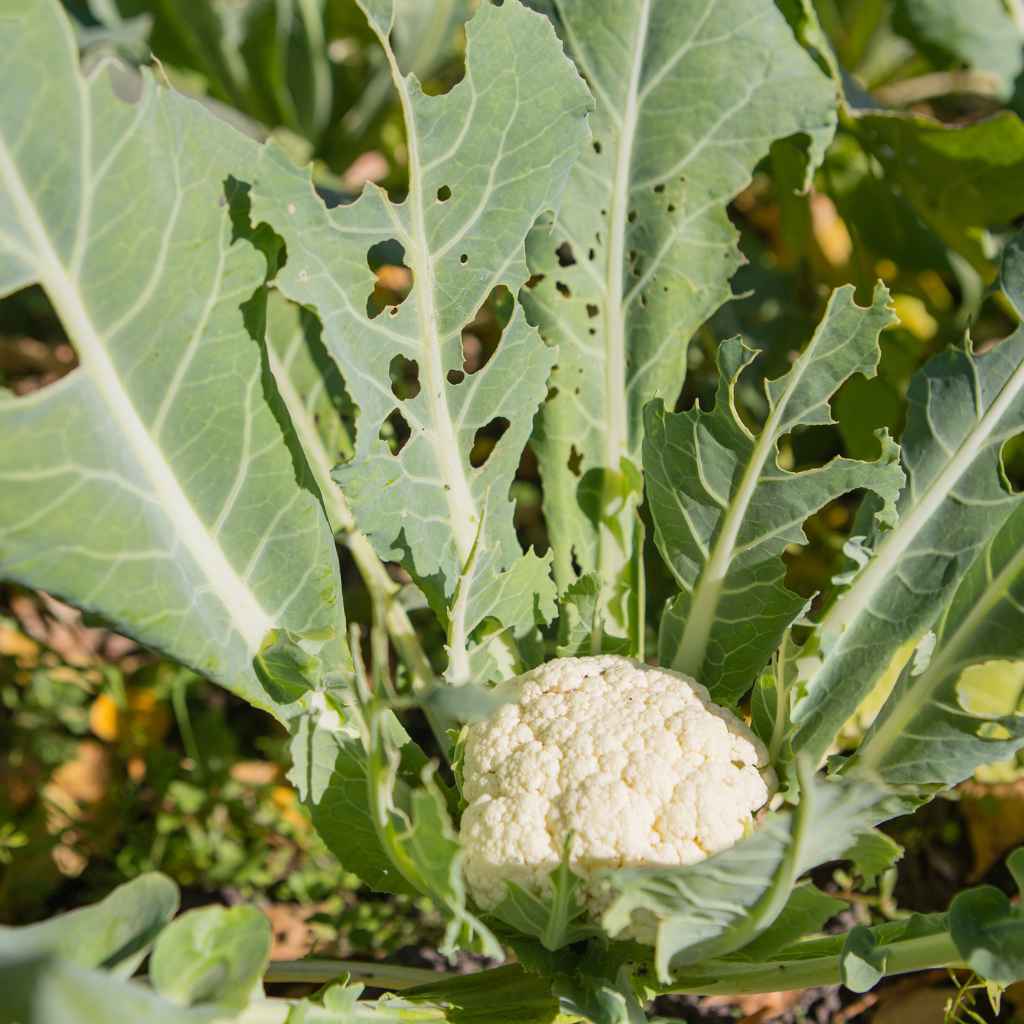
A few holes in a leaf usually aren’t a big deal. A single aphid on a plant is not a sign of doom. Your plants are strong and can handle a little bit of damage.
The key is to watch for signs of widespread problems.
Normal Garden Life vs. Problem Signs
Normal: A few chewed leaves. Occasional solitary bugs. Mild wilting on a very hot day.
Concerning: Large infestations of insects. Widespread leaf spots or wilting. Stunted growth across many plants.
Visible mold or fungus.
If you see a problem spreading rapidly, or if your plants look really distressed, that’s when you need to step in. Don’t panic. Assess the situation and choose the most appropriate, least toxic method first.
Simple Checks You Can Do
Regularly inspecting your plants is the best way to catch problems early. It doesn’t take much time.
Walk through your garden. Look at the tops and undersides of leaves. Check the stems.
Look at the soil around the base of plants.
Quick Garden Check-Up
Leaf Inspection: Check for spots, holes, discoloration, or tiny bugs.
Stem and Base Check: Look for any signs of damage or disease near the soil line.
Overall Plant Health: Are plants standing tall? Do they look vibrant?
If you find something unusual, try to identify it. There are many great online resources and local garden extension offices that can help. Knowing what the problem is helps you fix it correctly.
When to Seek Professional Help or Stronger Solutions
Sometimes, despite your best efforts, problems can get out of hand. If you’re seeing widespread damage and natural methods aren’t working, it might be time for stronger solutions.
Consider using organic-approved pesticides if necessary. Products with ingredients like neem oil, pyrethrins, or Bacillus thuringiensis (Bt) are often good choices. Always follow label directions carefully.
When to Consider Stronger Actions
Severe Infestation: When pests are overwhelming plants.
Rapid Spread: If a disease is moving quickly through your garden.
Failure of Natural Methods: If your usual approaches aren’t working.
If you’re really unsure about a problem, reach out to your local agricultural extension office. They have experts who can help diagnose issues and suggest the best course of action for your specific region and plants.
Frequently Asked Questions About Garden Pests and Diseases
How often should I check my vegetable garden for pests?
It’s best to check your garden at least a few times a week. Daily checks are even better, especially during peak growing season. This allows you to catch problems early when they are easiest to manage.
Can I eat vegetables that have minor insect damage?
Yes, generally you can. If there are small holes or minor nibbles on the leaves or fruit, it’s usually safe to eat. Just wash the produce thoroughly before consuming it.
It’s when damage is extensive or signs of disease are present that you should be concerned.
What is the difference between a pest and a disease?
Pests are living creatures, typically insects or animals, that harm plants. Diseases are caused by pathogens like fungi, bacteria, or viruses. Both can damage plants, but they require different approaches to management.
How do I get rid of slugs and snails in my garden?
You can handpick them at dawn or dusk, or use barriers like copper tape. Beer traps can also work, where slugs and snails are lured into a shallow dish of beer and drown. Letting your garden dry out slightly can also discourage them.
Is it okay to compost plants that had diseases?
It’s generally not recommended to compost plants that had serious fungal or bacterial diseases. The heat in a compost pile might not always be enough to kill the pathogens. It’s safer to dispose of diseased plant material in the trash or by burning it, away from your garden.
What are some signs that my plant is stressed?
Stressed plants often show signs like wilting, yellowing leaves, stunted growth, or becoming more susceptible to pests and diseases. Stress can be caused by lack of water, too much water, poor soil, extreme temperatures, or overcrowding.
Growing a Resilient Garden
Creating a garden that can naturally fend off common pests and diseases is a journey. It’s about building a healthy ecosystem from the ground up. Focus on great soil, smart plant choices, and good watering habits.
Embrace natural methods whenever possible. Encourage beneficial insects. And remember, a little bit of imperfection is normal.
Your goal is a healthy, productive garden. One that gives you plenty of delicious vegetables.