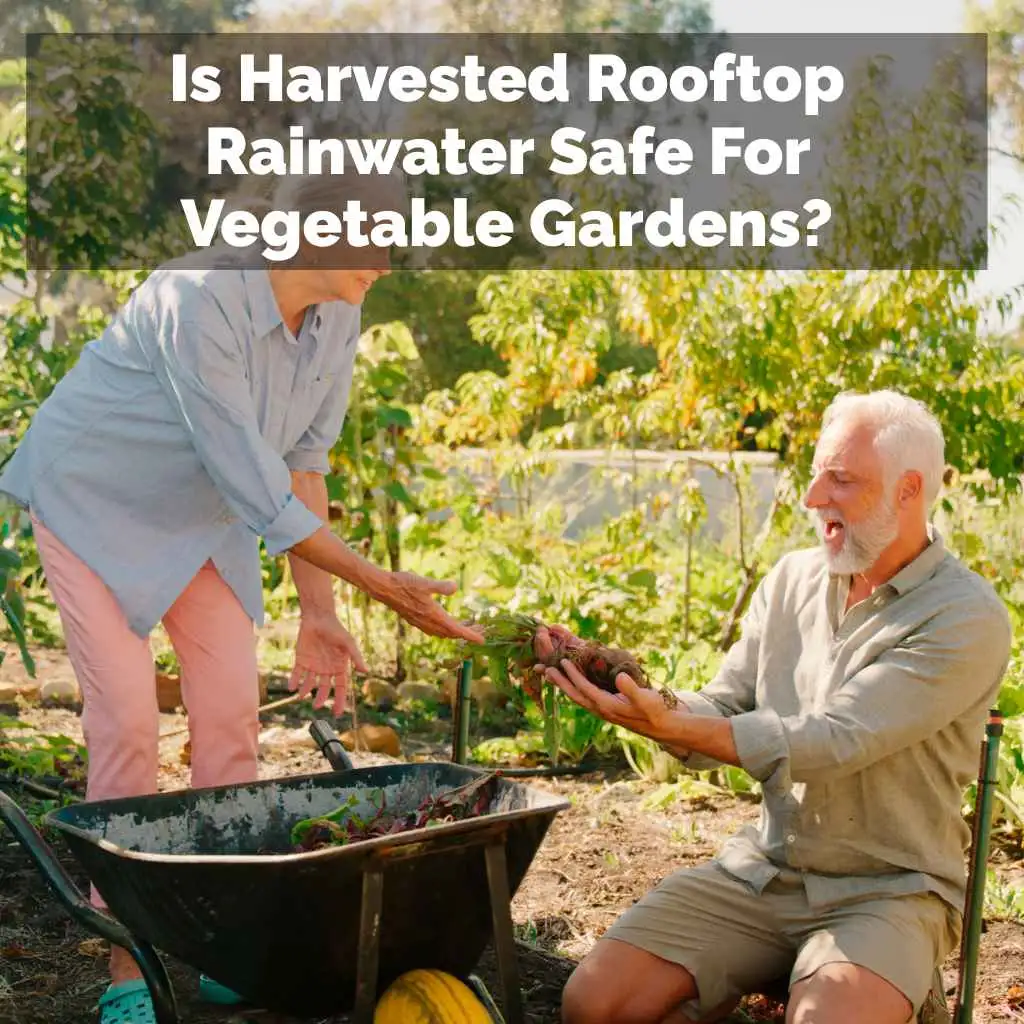
Is Harvested Rooftop Rainwater Safe For Vegetable Gardens?
Harvested rooftop rainwater is generally safe for vegetable gardens, but potential contaminants from roofing materials and air pollution can pose risks. Careful collection and filtration are key to ensuring it’s safe for edible plants, though sources like cisterns should be regularly tested.
Understanding Rooftop Rainwater Quality
Rain itself starts out pretty clean. It falls through the sky and picks things up. As it hits your roof, it can collect more.
Things like dust, pollen, and bird droppings can land on your roof. Then, when it rains again, these wash off. This water then flows into your gutters and collection system.
The materials your roof is made of play a big role. Older roofs might have materials that can leach harmful stuff. Asphalt shingles, for example, can have granules wash off.
Some treated wood shakes might also have chemicals. Metal roofs are often cleaner, but they can still pick up airborne particles. Even the type of paint or coating on your roof matters.
Air pollution is another factor. If you live near a busy road or industrial area, your rainwater can pick up more pollutants. These can include heavy metals or other chemicals from the air.
This is why the safety of harvested rainwater isn’t a simple yes or no answer. It depends a lot on your specific environment and roof.
Potential Contaminants and Health Risks
The main worry is what might be in the water when you use it on food. Some contaminants are not harmful to plants but could be to us. Things like bird droppings can carry bacteria.
While cooking might kill some, others can survive. This is especially true for raw vegetables eaten fresh from the garden.
Heavy metals are a bigger concern. Lead, zinc, and copper can come from roofing materials or flashing. These can build up in the soil over time.
They can also be absorbed by plants. Eating vegetables with high levels of heavy metals is not good for your health. It can lead to serious long-term problems.
Pesticides and other chemicals from the air can also get into the water. If you or your neighbors use pesticides, they can drift onto your roof. These can end up in your rainwater.
This is another reason why water quality testing is important. It helps you know what you’re dealing with.
Microplastics are also a growing concern. They are in the air and can land on your roof. While research is ongoing, we don’t fully know their impact on food grown with them.
It’s another unknown that adds to the caution needed.

How Different Roofing Materials Affect Water
Let’s look closer at common roof types. Asphalt shingles are very popular. They can shed small granules.
These granules can contain various chemicals and minerals. Over time, these can wash into your water. Some studies have found small amounts of zinc and lead from these.
It’s not usually a lot, but it adds up.
Metal roofs, like steel or aluminum, are often considered better. They are less likely to shed material. However, they can still collect airborne particles.
If the metal is galvanized, it might have zinc coatings. This zinc can wash into the water. Copper flashing can also add copper to the runoff.
Concrete tiles and clay tiles are also used. They tend to be more inert. This means they don’t break down or leach much.
However, they can still collect dust and debris. Lichen and moss growing on tiles can also add organic matter to the water.
Wood shakes can be a concern if treated with preservatives. These chemicals are designed to protect the wood. But they can wash off into the rainwater.
It’s best to avoid treated wood for roofs that collect water for garden use.
Roof Material Impact at a Glance
Asphalt Shingles: Can release granules, zinc, and lead. Moderate risk.
Metal Roofs: Generally good, but galvanized coatings add zinc. Low to moderate risk.
Clay/Concrete Tiles: Inert, but collect debris. Low risk.
Wood Shakes: Risk depends on treatment. Avoid treated wood.
Harvesting Systems and Their Role
How you collect the water matters just as much as the roof. Your gutters and downspouts are the first line of defense. They need to be clean and in good repair.
Leaves and debris in gutters can rot. This can add organic matter and bacteria to your water. Many people use gutter guards to help.
Then comes the storage. This is often a tank or cistern. The material of the tank is important.
Food-grade plastic tanks are generally safe. Avoid tanks that previously held chemicals. Older metal tanks could rust and contaminate the water.
The way the water enters and leaves the tank also matters. You want to prevent debris from entering. A screen on the inlet is a good idea.
You also want to keep sediment from settling at the bottom. A first-flush diverter is a device that diverts the initial, dirtiest water away.
The water needs to be kept cool and covered. This helps prevent algae growth. Algae can make the water smell bad and use up oxygen.
It can also harbor bacteria. Keeping the tank dark also helps. Sunlight can promote growth.
First-Flush Diverters: A Smart Addition
A first-flush diverter is a simple but effective tool. When it starts raining, the first water to hit your roof is the dirtiest. It washes off dust, pollen, and whatever else has settled.
This water can be higher in contaminants.
A first-flush diverter captures this initial flow. It’s usually a pipe that fills up first. Once it’s full, a float valve closes it off.
Then, the cleaner water is directed to your main storage tank. This greatly improves the quality of the water you store.
Cleaning these diverters is also important. They need to be emptied periodically. Otherwise, the trapped dirt can become a problem itself.
It’s a small step that makes a big difference in overall water purity.
First-Flush Diverter Explained
What it does: Diverts the first, dirtiest rain runoff away from your main storage.
How it works: A chamber fills with initial water. A valve then seals it, sending cleaner water to the tank.
Why it’s good: Reduces contaminants like dust, leaves, and bird droppings in your stored water.
Maintenance: Needs regular emptying to remove trapped debris.
Filtration: Making Water Safer
Even with a first-flush diverter, some filtration is a good idea. For garden use, you don’t need hospital-grade filters. But a few stages can remove most common issues.
A simple mesh filter can catch larger particles like leaves or insect parts.
A sediment filter can remove smaller particles. These are often made of spun polypropylene. They come in different micron ratings.
A 50-micron filter is a good start. Then you might move to a finer one, like 5 microns. This catches silt and fine dust.
Activated carbon filters are excellent for removing chemicals and odors. They can help with things like pesticides or airborne pollutants that might have dissolved in the water. These filters are like sponges for bad tastes and smells.
They can also remove some color from the water.
For vegetable gardens, a combination is best. Start with a coarse filter. Follow with a sediment filter.
If you are very concerned about chemicals, add a carbon filter. These filters need regular replacement. Check the manufacturer’s recommendations for how often.
Testing Your Harvested Water
This is perhaps the most important step if you’re serious about safety. You can’t see all contaminants. A water test is the only way to know for sure what’s in your harvested rainwater.
Several types of tests are available.
You can get basic water testing kits online or from hardware stores. These can check for things like pH, hardness, and common bacteria. For more thorough testing, look for a certified water testing lab.
They can check for a wider range of contaminants.
You might want to test for heavy metals like lead, copper, and zinc. Testing for bacteria like E. coli is also wise.
If you live in an industrial area, testing for specific pollutants might be necessary.
How often should you test? Once a year is a good starting point. If you change your roofing material or add new systems, test again.
If you notice any unusual smells or colors, test immediately. This proactive approach gives you peace of mind.
Water Testing Options
DIY Kits: Good for basic checks (pH, hardness). Easy to use at home.
Mail-in Kits: Send samples to a lab. More detailed results.
Certified Labs: Professional testing for specific contaminants. Most accurate.
What to test for: pH, bacteria (E. coli), heavy metals (lead, copper, zinc), nitrates.
When is it Okay to Use Rooftop Rainwater?
There are times when using harvested rainwater is generally considered safe. If you have a newer roof made of inert materials like tile or metal (without zinc coatings). If you live in a rural area with clean air.
If you use a good collection system with a first-flush diverter.
And if you filter the water before using it on your vegetables. If you test your water regularly and it comes back clean. In these cases, the risk is significantly lower.
Many gardeners have been doing this for years without issues.
Consider the types of vegetables you grow. Leafy greens that are eaten raw are higher risk. Root vegetables that grow in the soil where water drains might also be a concern.
Tomatoes or peppers that get water on their fruit might be less of a risk, as they are typically cooked or washed well.
The key is a layered approach. Good collection, good storage, good filtration, and good testing. If all these are in place, the likelihood of harm is greatly reduced.
When Should You Be Cautious or Avoid It?
You should be very cautious if your roof is old or made of materials you’re unsure about. Especially if it’s asphalt shingles or treated wood. If you live in an urban or industrial area with air pollution.
If your collection system is basic, with no first-flush diverter or filters.
If you have never tested your water. Or if previous tests showed high levels of contaminants. These are situations where using the water on vegetables could be risky.
It’s better to be safe than sorry when it comes to the food you eat.
Some people choose to use harvested rainwater only for non-edible plants. Or for watering during times when plants are less likely to absorb surface contaminants. For instance, watering the soil directly rather than the leaves.
However, the best practice for edible gardens is to ensure the water is as clean as possible.
My Experience with Rainwater Harvesting
I remember setting up my first rainwater collection system a few years back. I was so excited about being more sustainable. My roof is metal, and it’s only about 10 years old.
I installed a simple first-flush diverter and a basic sediment filter. I was pretty confident it was all good.
I started watering my tomato plants. They seemed to love it! But then I read an article about lead in rainwater from older roofs.
I started to get a little worried. My roof wasn’t ancient, but I didn’t know exactly what kind of coating it had.
That’s when I decided to get my water tested. I ordered a mail-in kit. The results came back pretty quickly.
They showed some zinc, but it was well within safe limits. There were no harmful bacteria. It was a huge relief.
But it also taught me a valuable lesson: never assume.
Now, I test my water every year. I also upgraded my filter to include activated carbon. It was a small investment in peace of mind.
Knowing my veggies are growing with clean water is worth it. I saw one of my neighbor’s systems once. It was just a barrel under a downspout, with leaves piled in it.
That looked like a different story altogether.
Protecting Your Vegetable Garden
The goal is healthy vegetables and a healthy you. How can you make sure your rainwater efforts support that? First, always know your roof type and age.
If you’re unsure, consider a professional inspection or stick to safer materials for collection.
Install a reliable first-flush diverter. Make sure it’s properly sized for your roof. Clean it regularly.
Invest in a good filtration system. A multi-stage filter is a great choice. Change the filter cartridges as recommended.
This is crucial maintenance.
Regularly test your water. Test for the most common and concerning contaminants. Keep records of your test results.
This helps you track any changes over time. If you see an issue, address it quickly.
Educate yourself about your local environment. Are there farms nearby? Industrial sites?
This can help you understand potential airborne pollutants. It’s all part of building a safe and sustainable gardening practice.
Key Steps for Safe Garden Watering
1. Roof Assessment: Know your material and age.
2. System Setup: Install first-flush diverter and clean gutters.
3. Storage Care: Use food-grade tanks, keep covered and clean.
4. Filtration: Use sediment and/or carbon filters; replace regularly.
5. Regular Testing: Test water annually for contaminants.
Alternative Water Sources
If you’re still unsure about rooftop rainwater, or if your tests show problems, don’t worry. There are other ways to water your garden. Municipal tap water is generally safe, though some people prefer not to use chlorinated water.
You can let it sit out for 24 hours to let chlorine dissipate.
Well water is another option, but it should also be tested. Well water can sometimes have high mineral content or bacteria, depending on your location. Pond or stream water is usually not recommended for vegetable gardens due to high risk of contamination.
Composting toilets can generate treated water that is safe for irrigation. However, regulations vary by location, so check local rules. Greywater systems, which reuse water from sinks, showers, and washing machines, can also be an option.
But these require careful setup to ensure they are safe and do not contain harmful soaps or chemicals.
The most important thing is to ensure the water you use is clean and free from harmful pathogens and toxins. Whether it’s harvested rain, well water, or tap water, testing and proper handling are key.
My Neighbor’s Garden Story
My neighbor, Sarah, has always been a super gardener. Her tomatoes are legendary. For years, she only used city water.
Then, she heard about rainwater harvesting. She got excited and bought a big plastic barrel. She just put it under her downspout.
She didn’t do any filtering.
Her plants looked great that first year. She told everyone how much better rainwater was. But then, I noticed her zucchini plants started looking a bit yellow.
And her lettuce seemed to be wilting even when I know she watered it. She just thought it was a bad season.
The next year, it got worse. Her beans had strange spots. She was frustrated.
I finally asked her about her water system. When she described it, I gently suggested she might want to check her water. She was resistant at first, thinking I was just being fussy.
But I offered to help her test it. We collected some water from her barrel. It had leaves, some dirt, and a bit of a slimy feel.
The test results came back pretty high in bacteria. It turned out the roof wasn’t the main problem, but the dirty barrel and lack of filtration.
She was shocked. She realized her “free” water was actually hurting her plants. We worked together to set up a better system for her.
A first-flush diverter, a sediment filter, and a cleaner tank. She also started testing it. Her garden bounced back amazingly.
It showed me how vital the proper system is.
What This Means for Your Vegetable Garden
If you’re already harvesting rainwater, take a moment to review your system. Are you using it on edible plants? If so, how clean is it?
A quick check of your gutters, storage tank, and any filters can tell you a lot. Make sure your filters are clean and replaced as needed.
If you’ve never tested your water, consider it. It’s the only way to know if you’re introducing problems to your garden. Especially if you’re growing leafy greens or vegetables that are eaten raw.
The data from testing is more powerful than any guess.
For new gardeners thinking about rainwater, start with a plan. Don’t just put out a barrel. Think about your roof, your collection, your storage, and how you’ll filter.
Prioritize safety for your family and the health of your plants. It’s a journey, and taking these steps makes it a much safer one.
Simple Checks and When to Worry
Here are a few easy things to check. Is your stored rainwater clear? Does it have a strange odor?
If you see visible debris or slime, that’s a red flag. If your plants are consistently struggling without another clear reason, water quality might be a culprit.
You should worry if your roof is old and made of questionable materials. Especially asphalt shingles or treated wood. You should worry if you live in an area with known industrial pollution.
If your water tests show high levels of bacteria, heavy metals, or other concerning chemicals.
Also, consider your children or pets. If they might accidentally drink from garden water sources, extreme caution is necessary. The general advice is to err on the side of caution.
If there’s doubt, use a known safe water source or improve your rainwater system significantly.
Quick Tips for Safer Rainwater Use
1. Clean Gutters: Regularly remove leaves and debris.
2. First Flush: Install and maintain a first-flush diverter.
3. Filter Wisely: Use sediment and possibly carbon filters.
4. Tank Health: Keep storage tanks covered, clean, and opaque.
5. Test Often: Annual water testing is a must for edible gardens.
6. Plant Type: Be more cautious with leafy greens and raw veggies.
7. Direct Watering: Aim water at the base of plants, not the leaves, if possible.
Frequently Asked Questions about Rooftop Rainwater
Is rainwater acidic enough to harm my vegetable plants?
Pure rainwater is slightly acidic, usually around pH 5.6. However, as it picks up pollutants from the air and your roof, the pH can change. Most healthy garden soils can handle slightly acidic water.
If your soil pH is already low, you might want to test your water’s pH and adjust your soil accordingly. Many plants prefer a pH between 6.0 and 7.0. Using a pH test kit for both your soil and water is a good idea.
Can algae in my rainwater tank be harmful to my plants?
Algae itself is not typically harmful to plants. However, a large amount of algae can reduce the oxygen in the water. It can also clog filters and pipes.
More importantly, algae can sometimes harbor bacteria. Keeping your storage tank covered and dark will help prevent algae growth. If you have significant algae, it’s a good sign your water might not be as clean as it could be.
What if my roof is very old? Should I still collect rainwater?
If your roof is very old, especially if it’s asphalt shingles or treated wood, it’s wise to be cautious. Older materials can break down and leach more contaminants. You might collect the rainwater and use it for non-edible plants or ornamental gardens.
If you are set on using it for vegetables, extensive testing and advanced filtration would be crucial. Consider a roof inspection or replacement if possible.
Do I need to filter rainwater for watering ornamental flowers?
For ornamental flowers and non-edible plants, the risks are much lower. You might not need as rigorous filtration as for vegetable gardens. However, very dirty water with lots of debris can still clog sprinklers or make leaves look unsightly.
A basic mesh filter to catch large particles is often enough for non-edible plants. It also helps keep your watering equipment clear.
How much rainwater can I expect from my roof?
The amount of rainwater you can collect depends on your roof size and local rainfall. A general rule is that one inch of rain on 1,000 square feet of roof can yield about 600 gallons of water. Your collection efficiency will be reduced by factors like evaporation, leaks, and your first-flush diverter.
You can calculate your potential based on your roof area and average annual rainfall in your region.
Is it illegal to collect rainwater in my state?
Laws about rainwater harvesting vary by state and even by local municipality. In many parts of the U.S., collecting rainwater is legal and encouraged. However, some areas historically had restrictions, often related to water rights.
It’s always a good idea to check your local regulations. Most states now have laws that support or allow rainwater harvesting for personal use, especially for gardening.
Conclusion: Nurturing Your Garden with Care
Using harvested rooftop rainwater for your vegetable garden is a wonderful goal. It connects you more deeply with nature’s cycles. By understanding the potential risks and taking sensible steps like proper collection, filtration, and testing, you can enjoy the benefits.
Grow your vegetables with confidence, knowing you’re providing them with the best possible water.