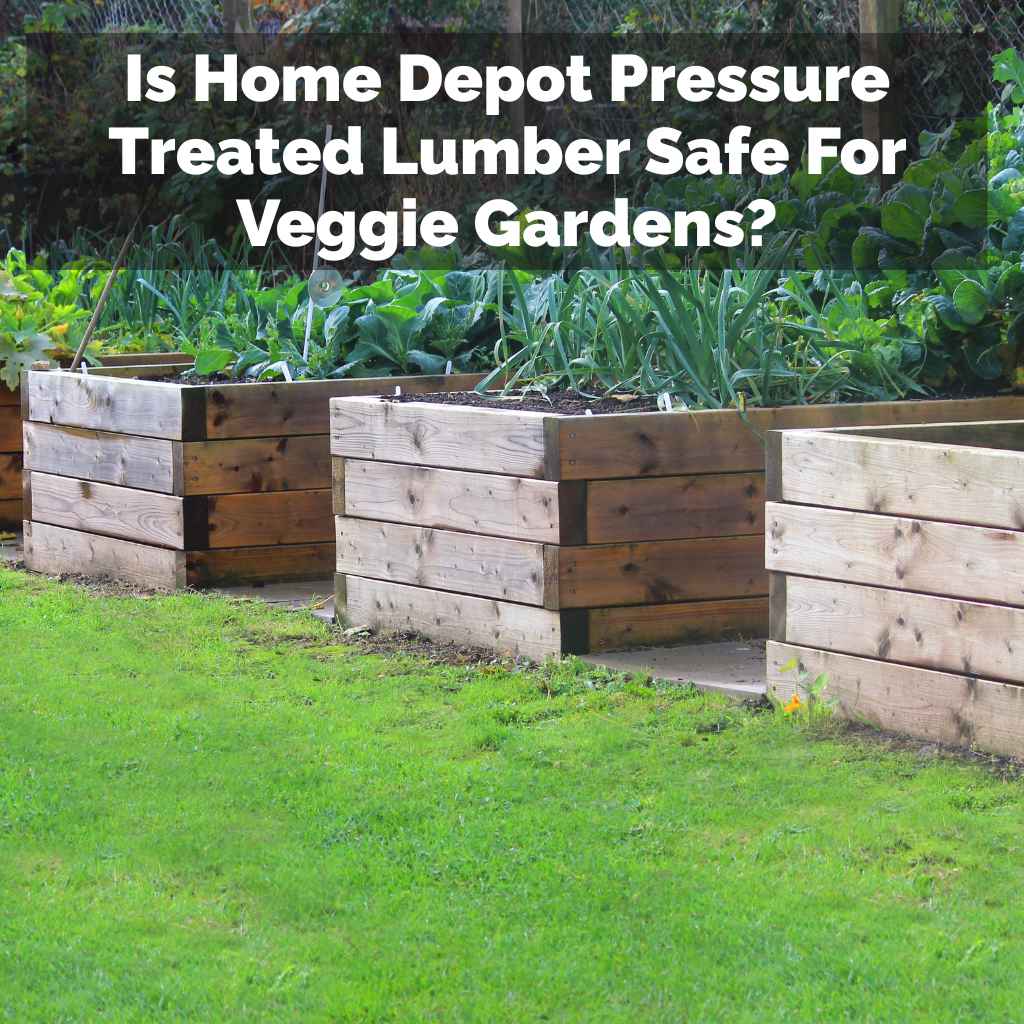

The current standard for pressure treated lumber, ACQ (Alkaline Copper Quaternary), is generally considered safe for vegetable gardens. Older treatments, like CCA (Chromated Copper Arsenate), are not recommended. While ACQ is safer, some gardeners still prefer to use untreated wood or alternatives to minimize any potential risk, especially if growing directly in contact with the wood.
Understanding Pressure Treated Lumber
So, what exactly is pressure treated lumber? Think of it as wood that’s been put through a special process. This process helps it last much longer.
It keeps bugs and rot away. This is great for decks or fences that sit outside in the rain and sun. The wood is put into a big tank.
Then, a chemical solution is forced deep into the wood fibers. This makes the wood tough and durable.
The chemicals used are important. For a long time, the common treatment was called CCA. This stood for Chromated Copper Arsenate.
CCA contained arsenic. Arsenic is a poison. Because of this, CCA treated wood is no longer used for most things around the home.
Especially not where kids play or where food might grow. The good news is that treatments have changed.
Now, most pressure treated lumber you buy at stores like Home Depot uses a different kind of chemical. It’s called ACQ. This stands for Alkaline Copper Quaternary.
ACQ uses copper to fight rot and bugs. It also has other chemicals like quaternary ammonium compounds. These also help protect the wood.
The big question is whether these ACQ chemicals can leach into your soil. And if they can, can they get into the vegetables you grow? This is where the gardener’s concern comes from.
We all want to eat healthy food. We don’t want anything harmful in it.
My Own Garden Bed Dilemma
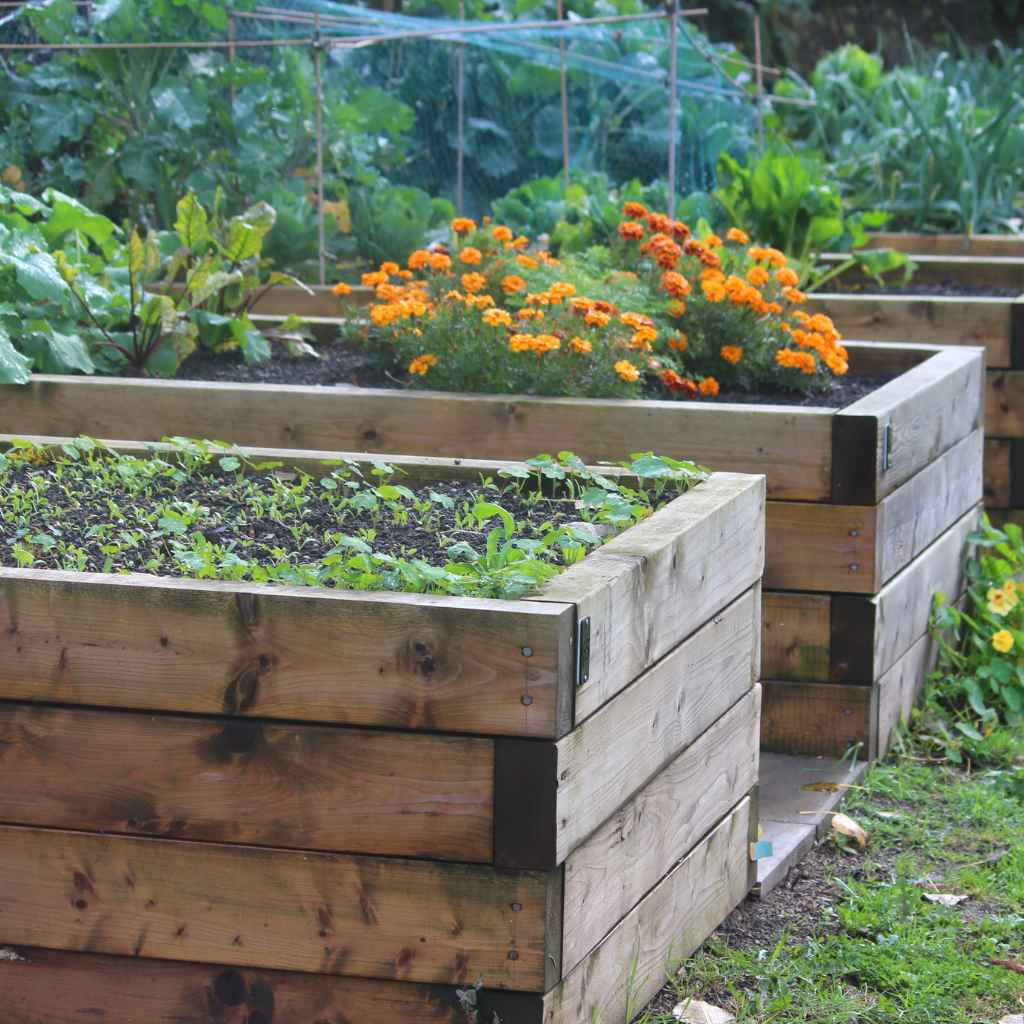
I remember building my first raised garden beds. I was so excited to get started. I wanted them to look nice and last for years.
I went to Home Depot. I saw all the lumber options. The pressure treated wood looked like the best choice.
It felt strong and sturdy. I started calculating how much I needed. Then I saw the warning labels.
My heart sank a little. It talked about not using the wood for food contact surfaces. It made me pause.
I thought about my kids eating the tomatoes and carrots I planned to grow. Was it really safe? I spent hours online.
I read so many different opinions. Some people said it was fine. Others warned against it strongly.
I ended up going with untreated cedar for my first beds. It smelled so good! But it was also much more expensive.
And I knew it wouldn’t last as long as pressure treated wood. I always wondered if I had made the right choice. Or if I had missed out on a perfectly good, more affordable option.
This is a common path many gardeners take.
ACQ vs. Older Treatments: What’s Different?
Let’s dive a bit deeper into ACQ. It replaced CCA for a good reason. The copper in ACQ is a natural element.
It’s something we actually need in our bodies in small amounts. The chemicals in ACQ are designed to bind tightly to the wood fibers. This means they are less likely to “leach” or come out into the soil over time.
Studies have been done on this. Many research institutions and government bodies have looked into it. They study how much of these chemicals might move from the wood to the soil.
And then, how much could potentially get into plants. The consensus from many experts is that the amount is very, very small.
For example, the University of Minnesota Extension has stated that ACQ-treated wood is considered safe for garden use. They mention that the chemicals are not readily absorbed by plants. The copper is also a nutrient for plants.
In very small amounts, it’s even beneficial. Of course, “very small amounts” is the key phrase here.
The risk with CCA was the arsenic. Arsenic is a known toxin. It can build up in the body.
Even small amounts over time can cause problems. That’s why CCA is out. ACQ doesn’t have arsenic.
It uses copper and other less concerning chemicals.
Understanding Wood Treatment Levels
Surface Treatment: This is like a coat of paint. Chemicals stay on the outside. They wash off easily.
This is not how pressure treatment works.
Full Penetration: This is what pressure treatment does. Chemicals go deep into the wood. They are bonded to the wood fibers.
ACQ: The current standard. Uses copper. Generally safe for gardens.
CCA: The old standard. Used arsenic. NOT safe for gardens.
The key is that the chemicals are bound to the wood. They aren’t just sitting on the surface. This makes them more stable.
They don’t easily dissolve in water. So, when it rains or you water your garden, the chemicals stay put in the wood.
Real Homes, Real Gardens: What Happens Over Time?
I’ve talked to many gardeners over the years. Some use pressure treated wood without a second thought. They’ve been doing it for decades.
They haven’t seen any problems. Their plants grow fine. Their families eat the produce.
They feel it’s a practical choice.
Others are more cautious. They might use pressure treated wood for the outside frame of a raised bed. But then they line the inside with plastic sheeting.
Or they build an inner box with untreated wood. This creates a barrier. It means the soil and plants never directly touch the treated lumber.
I’ve also seen gardeners who swear by untreated woods like cedar or redwood. They accept that they might need to replace them sooner. But they feel better knowing there are no added chemicals.
It’s a trade-off between longevity and peace of mind. Both approaches are valid for different people.
What’s interesting is how little evidence there is of plants actually absorbing harmful levels of ACQ chemicals. Most studies focus on soil contamination. And even then, the amounts leaching are typically very low.
Think parts per million. And plants have ways of dealing with small amounts of metals.
One gardening friend, Sarah, told me about her experience. She built her first big vegetable garden with ACQ treated lumber about ten years ago. She was worried at first.
She remembers reading online about potential dangers. But she was on a tight budget. She decided to go with it, but she lined the beds with thick plastic.
She said, “I used that heavy-duty pond liner. I stapled it all along the inside of the wood. Then I poked some drainage holes through it at the bottom.
My plants grew like crazy! I never saw any weird discoloration on my carrots or anything. After a few years, I even took some of the plastic out because I was getting lazy.
The wood still looks great, and my veggies are delicious. I feel pretty confident it’s okay for me.”
This approach of creating a barrier is very common. It’s a way to get the durability of pressure treated wood without direct contact. It’s like building a protective shield for your soil.
When It’s Normal and When to Worry
So, when should you feel okay about using Home Depot pressure treated lumber for your veggie garden? And when should you really think twice?
When it’s probably normal and fine:
- You are using lumber treated with ACQ (Alkaline Copper Quaternary). This is the standard now.
- You are building raised beds where the soil does not directly touch the wood for extended periods.
- You are using a barrier, like heavy plastic sheeting, between the soil and the wood.
- You are building structures that are not in direct contact with edible parts of plants (e.g., a trellis for climbing beans, but not the stakes touching the soil).
- You understand that the risk of significant chemical transfer is very low, based on current scientific understanding.
When you might want to worry or choose differently:
- You are using very old lumber that might be treated with CCA (Chromated Copper Arsenate). If it’s unlabeled or you’re unsure, assume the worst and avoid it for food gardens.
- You are planning to grow root vegetables directly in contact with the wood, and you are very sensitive to any potential risk.
- You are building a garden bed directly on the ground and expecting heavy leaching over many years.
- You prefer to stick to entirely natural and untreated materials for your peace of mind.
It’s also worth noting that the ground itself can contain metals and minerals. Your soil might already have copper or other elements in it. The levels from ACQ treated wood are generally considered to be lower than what might naturally occur or from other sources like certain fertilizers.
Quick Garden Bed Material Check
Untreated Wood (Cedar, Redwood, Pine): Lasts 5-10 years. Natural. More expensive initially.
Good choice if budget allows.
ACQ Pressure Treated Lumber: Lasts 15-30+ years. More affordable. Generally safe.
Consider a barrier.
Composite Decking/Lumber: Lasts 20+ years. Very durable. Can be expensive.
Some concerns about plastics and additives.
Concrete Blocks/Bricks: Lasts forever. Stable. Can leach lime, changing soil pH.
Can get hot.
Metal (Galvanized Steel): Lasts 10-20+ years. Modern look. Can get hot.
Ensure safe coatings.
Most reputable sources, like university extensions and horticultural societies, state that ACQ treated lumber is acceptable for vegetable gardens. They often recommend taking precautions, like using a barrier, simply as an extra layer of caution. It’s about managing perceived risk.
Alternatives to Pressure Treated Lumber
If you’ve decided that pressure treated lumber isn’t for you, or you just want to explore other options, there are plenty! Each has its own pros and cons. Thinking about your budget and how long you want the beds to last will help you choose.
Untreated Woods:
- Cedar: Naturally resistant to rot and insects. Smells great. Looks beautiful. Can be quite expensive.
- Redwood: Similar to cedar in its natural resistance. Also beautiful and pricey.
- Cypress: Another naturally durable wood. Good for humid climates. Can be harder to find and more costly.
- Douglas Fir or Pine (Untreated): These are more affordable options. However, they will rot much faster. You might get 3-5 years out of them before they need replacing. Some people use thicker boards to help them last a little longer.
Other Materials:
- Concrete Blocks or Bricks: These last a very long time. They are sturdy. They can heat up the soil quite a bit in hot climates. They also can leach lime over time, which can make your soil more alkaline. You can paint them with a food-safe sealant to prevent leaching.
- Stone: Similar to bricks and blocks. Very durable and can look beautiful.
- Galvanized Metal: Raised bed kits are popular. They are made from galvanized steel. This material lasts a long time. It’s important to ensure the coating is safe for food gardens.
- Composite Lumber: Made from recycled plastic and wood fibers. It’s very durable and won’t rot. However, it can be quite expensive. There are also some questions about the additives and plastics involved.
My neighbor, Mr. Henderson, has been gardening for over 40 years. He told me, “I used to use anything I could find.
Old railroad ties, scrap lumber. Then I got worried. Now, I just use plain pine.
I build them a little thicker. When they start to go, I just build new ones. It keeps me busy!
And I know for sure what’s in my garden.”
He also mentioned a trick: “I sometimes put a layer of cardboard down at the bottom of the bed before I fill it with soil. It helps suppress weeds and then breaks down over time. It also acts as a bit of a buffer.”
Building a Barrier: Simple Steps
Step 1: Choose your barrier material. Thick plastic sheeting (6 mil or thicker), pond liner, or even heavy-duty landscape fabric can work.
Step 2: Cut to size. Measure the inside walls of your raised bed and the bottom.
Step 3: Attach the barrier. Staple the material securely to the inside of the wooden frame. Overlap seams to prevent gaps.
Step 4: Add drainage. Cut small slits or poke holes in the bottom of the barrier. This is crucial to let excess water drain out. Otherwise, your soil will become waterlogged.
Step 5: Fill with soil. Add your compost and soil mix on top of the barrier.
When choosing untreated wood, consider its natural resistance. Cedar and redwood are top choices for longevity. Pine and fir are budget-friendly but will require replacement sooner.
Thicker boards, like 2-inch thick lumber, will naturally last longer than thinner 1-inch boards.
Quick Fixes & Tips for Peace of Mind
If you’re leaning towards using Home Depot pressure treated lumber, or if you already have beds made with it, here are some practical tips to give you more peace of mind:
- Identify the Treatment: Always try to confirm the wood is ACQ treated. Look for stamps on the wood or ask at the store. If there’s no label, avoid using it for food gardens.
- Create a Barrier: This is the most recommended step. Use thick plastic sheeting, pond liner, or even heavy-duty landscape fabric. Staple it to the inside walls of the bed. Make sure it extends down to the bottom.
- Line the Bottom: Add a layer of cardboard at the base of the bed, under the soil. This adds another buffer and will decompose over time.
- Allow for Drainage: Crucially, if you use a barrier, make sure to add drainage holes. Poke holes or cut slits in the bottom of the plastic liner. This prevents water from pooling.
- Don’t Let Soil Touch Wood Directly: Ensure your soil mixture does not come into direct, prolonged contact with the treated wood. The barrier is key here.
- Wash Your Produce: Always wash your vegetables thoroughly before eating them. This is good practice regardless of your garden bed materials.
- Consider Older Beds: If your beds are very old, the chemicals may have leached out or degraded significantly. The risk is generally lower with older lumber.
- Test Your Soil (Optional): For ultimate peace of mind, you can get your garden soil tested for heavy metals. This is usually done through local agricultural extension offices.
I spoke with a master gardener, Carol, who shared her strategy. “I built my beds with pressure treated lumber years ago. I didn’t use a barrier then.
I was a bit worried. Now, my beds are old. I’m thinking of adding a barrier.
It’s not hard to do. Or, I might just replant with cedar next year. It’s about what makes you feel good about what you’re eating.”
It’s a balance. Many people find that using ACQ treated lumber, especially with a barrier, is a cost-effective and durable solution. The scientific evidence suggests the risk is minimal.
But if you feel better with untreated materials, that’s perfectly fine too. Your gardening journey is yours.
Frequently Asked Questions
Is all pressure treated lumber safe for vegetable gardens?
No. Older lumber treated with CCA (Chromated Copper Arsenate) is not safe due to arsenic content. Current lumber treated with ACQ (Alkaline Copper Quaternary) is generally considered safe, especially when a barrier is used.
What does ACQ treatment mean for my garden?
ACQ uses copper-based preservatives. These chemicals bind well to the wood and leach out in very small amounts. Studies suggest plants do not absorb harmful levels of these chemicals.
Should I line my raised beds if they are made of pressure treated wood?
It is highly recommended to line your raised beds with a barrier like heavy plastic sheeting or pond liner. This creates a physical separation between the soil and the treated wood, further reducing any potential risk.
How long do ACQ pressure treated lumber garden beds last?
ACQ pressure treated lumber is very durable. Garden beds built with it can last anywhere from 15 to 30 years, or even longer, depending on climate and soil conditions.
What are the best untreated wood options for garden beds?
Cedar and redwood are excellent choices for untreated wood. They are naturally resistant to rot and insects. While more expensive, they offer a natural alternative that is completely safe for food gardens.
Can I use old pressure treated lumber from a deck for my garden?
If the lumber is old, it might have been treated with CCA. It’s best to assume it’s not safe for food gardens unless you can confirm it’s ACQ treated. Even then, using a barrier is wise.
Are there any concerns about copper leaching from ACQ wood?
Copper is a micronutrient that plants need. The amount of copper that might leach from ACQ treated wood is generally very low and often not a concern. In fact, some soils may be deficient in copper.
The Final Harvest of Knowledge
Deciding what materials to use for your garden beds is a personal choice. Home Depot’s pressure treated lumber, specifically ACQ treated wood, is generally deemed safe for vegetable gardens. Many gardeners use it successfully for years.
Adding a barrier between the wood and your soil provides an extra layer of security.
Ultimately, whether you choose pressure treated lumber, untreated cedar, or even stone, the goal is to create a healthy space for your plants to thrive. Knowing the facts empowers you to make the best decision for your garden and your family. Happy gardening!