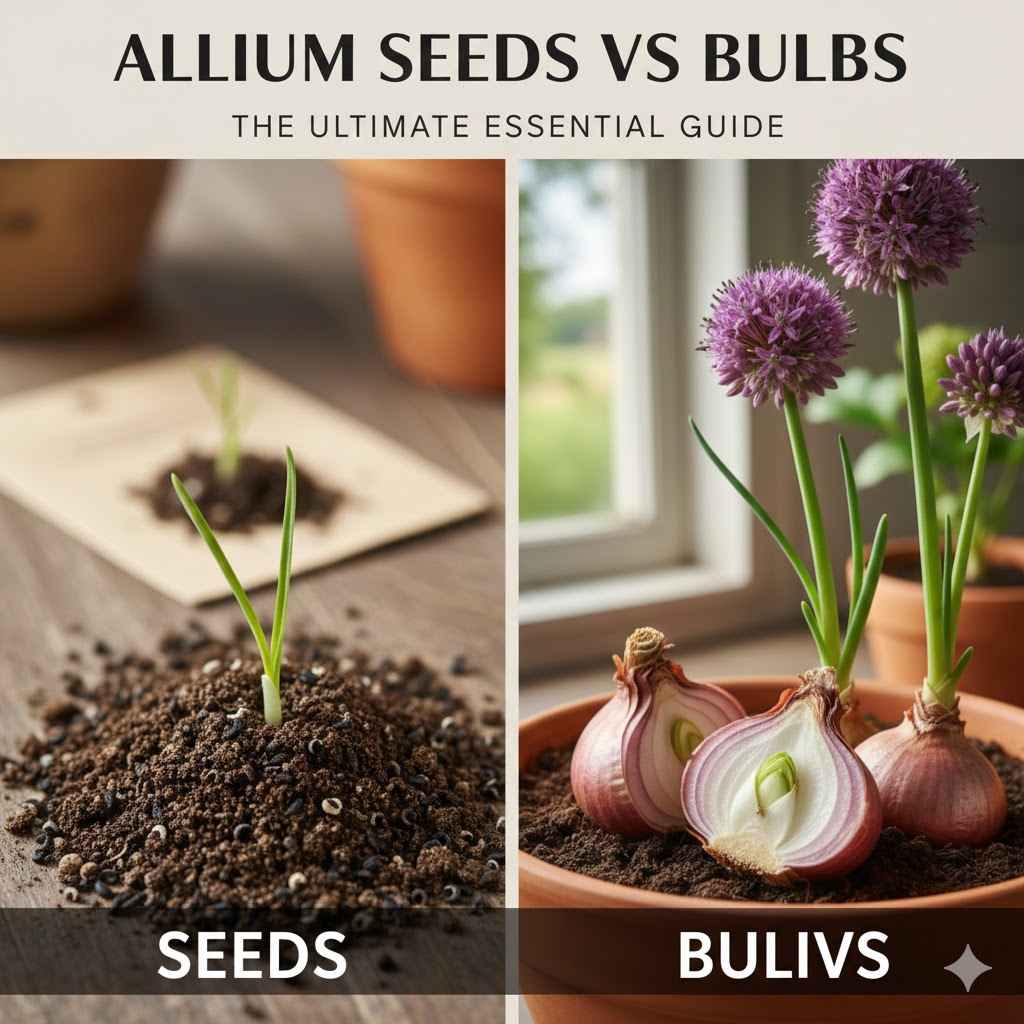
Allium Seeds vs Bulbs: The Ultimate Essential Guide
Choosing between allium seeds and bulbs depends on your goals. For fast, reliable flowers within the first year, plant bulbs in the fall. For a budget-friendly option that offers more variety and a larger quantity of plants over time, choose seeds, but be prepared to wait two to four years for them to bloom.

Generic
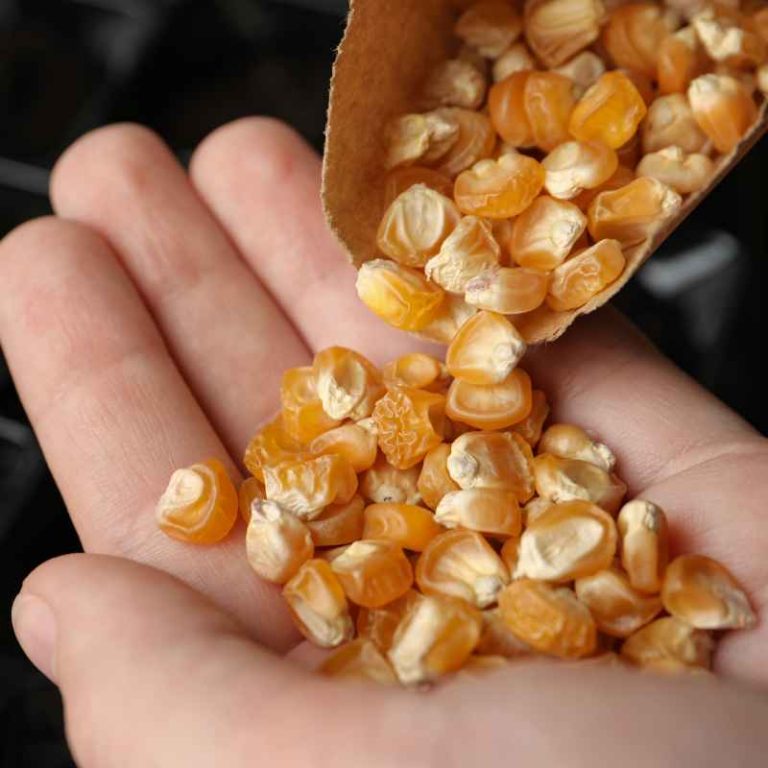
240+ Mix Rare Allium Giganteum Flower Seeds…
- Unique Ornamental Use: With its tall stems and large, spherical flower heads, it is well-suited as a background plant or focal poi…
- Sowing Guidance: Bury seeds at a depth of about 2 to 3 times their diameter in soil. Choose a location that provides well-draining…
- Germination and Spacing: Maintain consistent soil moisture after sowing until germination occurs. To allow for the development of…
As an Amazon Associate I earn from qualifying purchases.
Hello, fellow garden enthusiasts! It’s Md Saiful Islam, your friendly gardening mentor. Today, we’re diving into a question I hear all the time: Should I plant allium seeds or bulbs? It can feel confusing when you see both options available. You want those beautiful, globe-shaped flowers, but which path is best?
Don’t worry! Making the right choice is much simpler than you think. Both seeds and bulbs can lead to a stunning garden display. The best option for you just depends on your budget, your patience, and your gardening goals. In this guide, I’ll walk you through everything you need to know, step-by-step. Let’s get your garden ready for those amazing alliums!
What Are Alliums? A Quick Introduction
Before we compare seeds and bulbs, let’s talk about the plants themselves. Alliums are part of the onion family, which might sound surprising! This family includes garlic, onions, chives, and leeks. But the alliums we plant for their beauty are called “ornamental alliums.”
They are famous for their unique flowers, which look like big, round pom-poms on tall, slender stems. These flowers come in beautiful shades of purple, pink, white, and even blue. They add a touch of magic and structure to any garden bed. Plus, their oniony scent has a wonderful bonus: deer and rabbits usually leave them alone!
Alliums are hardy, easy to care for, and return year after year. They are a fantastic choice for both new and experienced gardeners who want a reliable, low-maintenance flower.

Understanding Allium Bulbs: The Fast Track to Flowers
Think of an allium bulb as a tiny, packed lunch for a plant. Inside that round, papery bulb is everything the allium needs to grow and produce a flower in its very first season. It’s a complete, miniature plant just waiting for the right time to sprout.
When you plant a bulb, you are giving the plant a huge head start. This is why bulbs are the most popular way to grow ornamental alliums.
Pros of Planting Allium Bulbs
Planting bulbs is often the recommended method for beginners, and for good reason. Here are the main advantages:
- Quick Results: This is the biggest benefit. Plant a bulb in the fall, and you will almost certainly see a beautiful flower the following spring or summer. There’s no long waiting period.
- High Success Rate: Bulbs are very reliable. As long as they are planted correctly in a suitable location, they have a very high chance of growing and blooming.
- Easy to Handle: Bulbs are large enough to handle easily. You don’t have to worry about tiny seeds. Their size makes planting straightforward and simple.
- Less Work Upfront: You just need to dig a hole and drop the bulb in. There are no extra steps like seed stratification (we’ll cover that later).
Cons of Planting Allium Bulbs
While bulbs are fantastic, there are a few downsides to consider:
- Higher Cost: Bulbs are more expensive per plant than seeds. A single bulb can cost a few dollars, so filling a large area can become pricey.
- Limited Planting Window: Most allium bulbs must be planted in the fall, before the ground freezes. If you miss this window, you have to wait until the next year.
- Less Variety: While many popular varieties are available as bulbs, the rarest and most unusual types of alliums are often only available as seeds.
How to Plant Allium Bulbs: A Step-by-Step Guide
Ready to get those bulbs in the ground? It’s easy! Follow these simple steps for guaranteed success.
- Choose the Right Spot: Alliums love sunshine. Find a spot in your garden that gets at least six hours of direct sunlight each day. They also need soil that drains well, as they don’t like to have “wet feet.”
- Wait for the Right Time: The best time to plant allium bulbs is in the fall, about six to eight weeks before the ground freezes. This gives them time to grow roots before winter.
- Prepare the Soil: Loosen the soil in your planting area with a garden fork or tiller. If your soil is heavy clay, mix in some compost to improve drainage.
- Dig the Hole: The general rule for planting bulbs is to dig a hole that is two to three times as deep as the bulb is tall. For a 2-inch tall bulb, dig a hole 4 to 6 inches deep.
- Place the Bulb: Set the bulb in the hole with the pointy end facing up. This is where the stem will sprout from. The flat, rooty end should face down.
- Cover and Water: Gently cover the bulb with soil and pat it down. Give the area a good watering to help the bulb settle in and start growing roots.
That’s it! Now you just have to wait patiently for spring to arrive and watch your beautiful alliums emerge.
Exploring Allium Seeds: The Patient Gardener’s Choice
Growing alliums from seed is a completely different experience. It’s for the gardener who enjoys the process of nurturing a plant from its very beginning. A seed is an embryo—the start of a new life—and it requires more care and time to reach maturity.
When you plant an allium seed, you are starting from scratch. The plant needs to germinate, grow roots, develop leaves, and slowly build up energy in a tiny bulb underground. This process takes time, which is why you won’t see flowers for a few years.
Pros of Planting Allium Seeds
If you have patience, growing from seed can be incredibly rewarding. Here’s why you might choose this method:
- Very Affordable: Seeds are incredibly inexpensive. A single packet can contain dozens or even hundreds of seeds for the price of just one or two bulbs. This is perfect for planting a large area or a meadow-style garden.
- Huge Variety: The world of alliums is vast! Many unique and rare varieties are only available to gardeners as seeds. If you want something truly special, seeds are the way to go.
- A Rewarding Experience: There is a deep sense of satisfaction that comes from watching a plant grow from a tiny seed into a magnificent flowering specimen. It’s a journey that connects you more deeply to your garden.
Cons of Planting Allium Seeds
The path of a seed grower requires a different mindset. Here are the challenges:
- It Takes a Long Time: This is the most significant drawback. Alliums grown from seed will not flower for at least two years, and often it can take three or four years. Patience is essential.
– Lower Germination Rate: Not every seed you plant will sprout. You need to sow more seeds than the number of plants you want to ensure you get enough seedlings.
– More Complex Process: Seeds often require a process called cold stratification. This means they need a period of cold, moist conditions to break dormancy and start growing. It’s an extra step that bulbs don’t need.
- Seedlings are Fragile: Young allium seedlings are very thin, like blades of grass, and require careful handling and protection from weeds and pests.
How to Plant Allium Seeds: A Step-by-Step Guide
Growing from seed is a project, but a fun one! Here’s how to do it.
- Give Them a Cold Period (Stratification): Many allium seeds need to think they’ve gone through a winter before they will sprout. You can do this by planting them outdoors in the fall and letting nature do the work. Or, you can stratify them indoors by mixing the seeds with moist sand or a paper towel, placing them in a plastic bag, and keeping them in the refrigerator for four to six weeks.
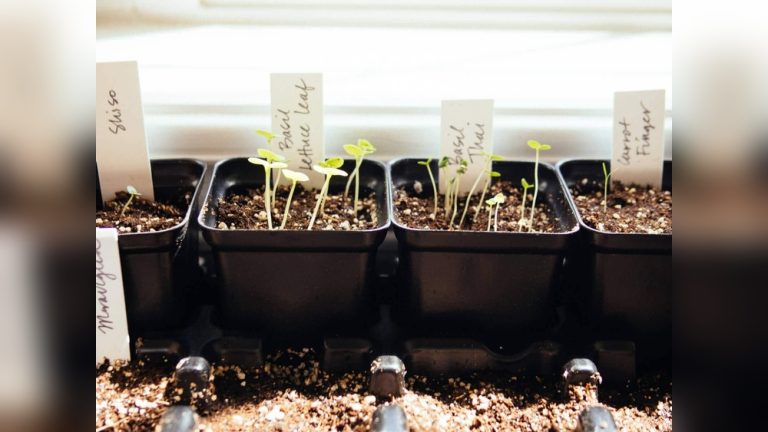
- Sow the Seeds: After their cold period, you can sow the seeds. You can start them indoors in trays about eight to ten weeks before your last frost date, or sow them directly in a prepared garden bed in early spring.
- Planting Depth: Sprinkle the seeds on the surface of the soil and cover them with a very thin layer of soil, about 1/8 inch deep. They don’t need to be planted deep.
- Keep Them Moist: Gently water the area and keep the soil consistently moist but not soggy. A fine mist spray is best to avoid washing the seeds away.
- Be Patient: Germination can be slow and sporadic. You might see the first tiny green shoots in a few weeks, or it might take longer.
- Thin the Seedlings: Once the seedlings are a few inches tall, you’ll need to thin them out so they have space to grow. Leave the strongest seedlings and space them a few inches apart. You can carefully transplant the thinned seedlings to another spot if you wish.
For the next couple of years, your job is to simply care for the green foliage. Water them during dry periods and keep the area weed-free. The leaves will gather energy from the sun to grow the underground bulb. Eventually, that bulb will be big enough to send up a flower stalk.
Allium Seeds vs Bulbs: A Side-by-Side Comparison
To make the decision even clearer, let’s look at the key differences between allium seeds and bulbs side-by-side. This table breaks it down so you can see which option aligns with your gardening style.
| Feature | Allium Bulbs | Allium Seeds |
|---|---|---|
| Time to Flower | First year (typically 6-9 months after planting) | 2 to 4 years |
| Cost | Higher cost per plant | Very low cost for many potential plants |
| Effort & Difficulty | Low (beginner-friendly) | High (requires patience and extra steps) |
| Planting Time | Fall | Fall or Early Spring (after stratification) |
| Success Rate | Very high | Lower and more variable |
| Variety Available | Good selection of popular types | Excellent selection, including rare and unusual types |
As you can see, the choice is a trade-off. Bulbs offer speed and convenience for a higher price, while seeds offer variety and quantity for a lower price but require a significant investment of time.
Which One is Right for You? Making the Decision
So, how do you choose? It really comes down to what you value most as a gardener. Let’s make it simple.
Choose Allium Bulbs If…
- You are a new gardener and want a guaranteed success story.
- You want to see big, beautiful flowers next spring.
- You are filling a specific spot in your garden and need a predictable result.
- You prefer a simple, no-fuss planting process.
- Your budget allows for a higher initial cost per plant.
Choose Allium Seeds If…
- You are gardening on a tight budget and want the most plants for your money.
- You want to create a large, natural-looking drift or meadow of alliums.
- You love the process of growing plants from the very beginning.
- You are a patient gardener who is happy to wait a few years for blooms.
- You are searching for a rare or specific allium variety that isn’t sold as a bulb.
Caring for Your Alliums (Whether from Seed or Bulb)
The good news is that once your alliums are established, their care is the same regardless of how they started. They are wonderfully low-maintenance plants.
Sunlight and Soil
Alliums perform best in full sun, meaning at least six hours of direct sunlight per day. They are not picky about soil type, but the one thing they demand is good drainage. They will rot in soil that stays wet and soggy. If you have heavy soil, amending it with compost is a great idea. For detailed information on improving your soil, your local university extension service, like the University of Minnesota Extension, is an excellent resource.
Watering Needs
Water your alliums well after planting to help them get established. After that, they are quite drought-tolerant. You will typically only need to water them during extended dry periods. Overwatering is a more common problem than underwatering.
After the Bloom: What to Do Next
This is a very important step! After your allium has finished flowering, the beautiful bloom will fade. You can snip off the spent flower head to keep the garden looking tidy (this is called deadheading). However, you must leave the foliage (the leaves and stem).
The leaves will continue to photosynthesize, gathering energy from the sun and sending it down to the bulb for storage. This energy is what fuels next year’s flower. Allow the leaves to turn yellow and wither completely before you remove them. Cutting them back too early will weaken the bulb and may result in no flower the following year.

Frequently Asked Questions (FAQ)
How long does it take for allium seeds to flower?
It typically takes two to four years for an allium grown from seed to produce its first flower. The first year or two is spent growing leaves and developing a strong bulb underground.
When is the best time to plant allium bulbs?
The best time to plant allium bulbs is in the fall, approximately six to eight weeks before the ground is expected to freeze. This gives the bulb enough time to establish roots before winter dormancy.
Are alliums deer resistant?
Yes! Because they are members of the onion family, alliums have a slight oniony or garlicky scent that deer, rabbits, squirrels, and other garden pests find unappealing. They are an excellent choice for gardens that struggle with animal damage.
Can I plant allium bulbs in pots?
Absolutely! Alliums grow very well in containers. Make sure the pot is deep enough to accommodate the bulb at the correct planting depth and has excellent drainage holes. Taller varieties may need a heavier pot to prevent them from tipping over.
Why didn’t my allium bulbs come up?
There are a few common reasons. The most likely cause is that the bulbs rotted due to poorly draining soil. They may have also been planted too shallow and were damaged by freezing, or they were eaten by a pest (though this is less common). Sometimes, a very poor-quality or dried-out bulb won’t grow.
Do I need to fertilize my alliums?
Alliums are not heavy feeders. If you have reasonably healthy soil, you may not need to fertilize them at all. If your soil is poor, you can mix in some bulb fertilizer or bone meal into the planting hole when you first plant them. A top dressing of compost each spring is also beneficial.
Conclusion: Your Allium Adventure Awaits
So, there you have it—the complete guide to allium seeds vs bulbs. As you can see, there is no single “best” answer, only the best answer for you and your garden. If you crave the instant gratification of big, beautiful blooms next spring, bulbs are your clear winner. They are simple, reliable, and perfect for beginners who want to build their confidence.
If you are a gardener who loves a good project, has a limited budget, or wants to grow a truly unique flower, then seeds offer an incredibly rewarding journey. It’s a path that teaches patience and offers the joy of creating a massive floral display for just a few dollars.
Whichever method you choose, I encourage you to give alliums a try. Their whimsical, globe-like flowers are a source of constant delight in the garden, and their easy-going nature makes them a friend to every gardener. Happy planting!
Related pick: Check today's price on Amazon