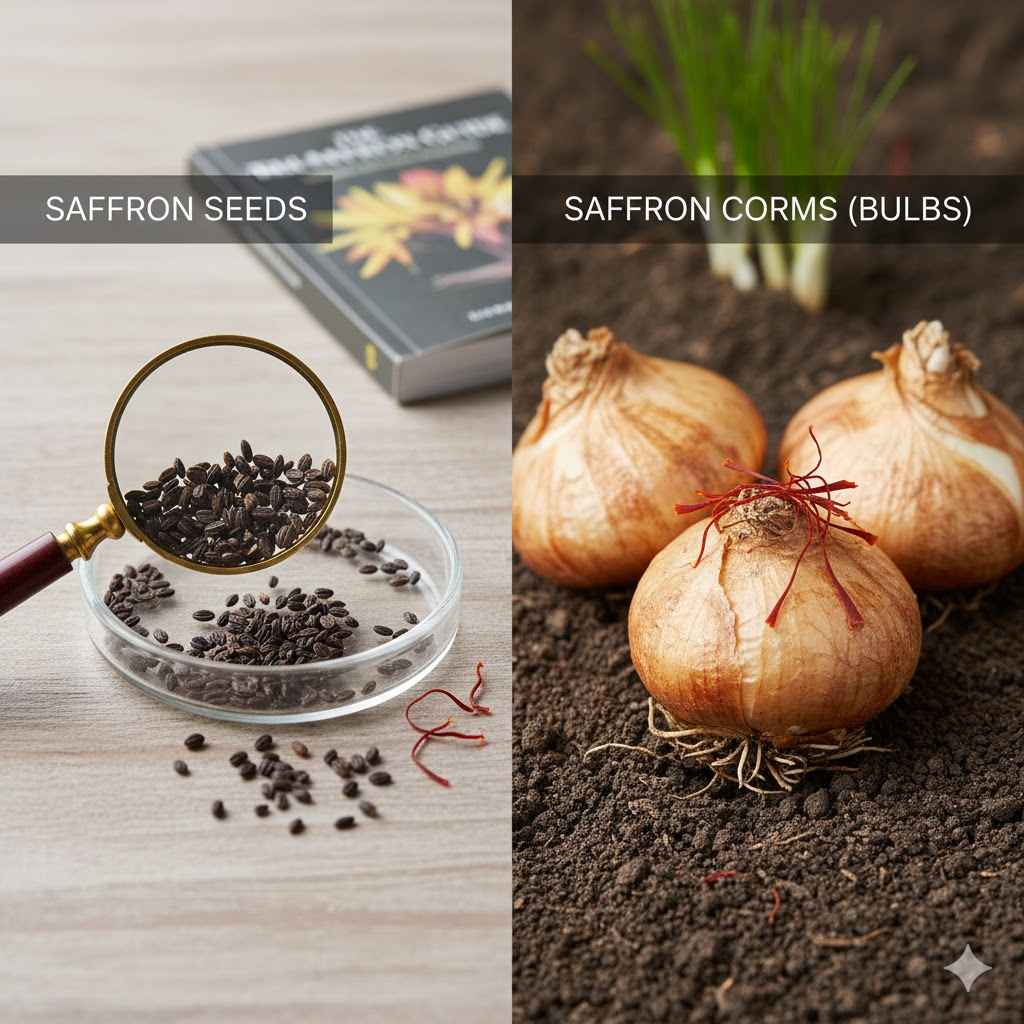
Saffron Seeds vs Bulbs: The Ultimate Essential Guide
To grow true saffron, you must use bulbs, technically called corms. The saffron plant (Crocus sativus) is sterile and does not produce viable seeds. Any “saffron seeds” you find for sale are likely a different plant entirely. For a successful harvest of the precious spice, always start with healthy corms.
Hello, fellow gardeners! It’s Md Saiful Islam, your friendly guide in the world of gardening. Today, we’re talking about one of the most magical and valuable spices you can grow at home: saffron. Have you ever dreamed of harvesting those delicate red threads right from your own garden? It’s a wonderful goal! But a common question stops many gardeners before they even start: Should I plant saffron seeds or bulbs?
This confusion can be frustrating, especially when you see both options online. Don’t worry, I’m here to clear things up. We are going to solve this mystery together. This guide will walk you through everything you need to know, so you can start growing saffron with confidence. Let’s dig in and uncover the simple truth about planting this amazing spice.
What is Saffron and Why is it So Special?
Before we get into the seeds vs. bulbs debate, let’s talk about what makes saffron so incredible. Saffron is a spice derived from the flower of Crocus sativus, commonly known as the “saffron crocus.” Each small, purple flower produces just three tiny, thread-like stigmas. These stigmas are carefully hand-picked and dried to become the saffron spice we know and love.
Why is it the world’s most expensive spice by weight? It takes around 75,000 saffron flowers to produce just one pound of saffron spice! The labor-intensive harvesting process is what makes it so precious. Growing it at home is a rewarding way to enjoy this luxurious spice without the high price tag. It adds a beautiful golden color and a unique, earthy flavor to dishes like paella, risotto, and biryani.

The Great Debate: Understanding Saffron Propagation
When we talk about growing new plants, we use the term “propagation.” For many plants, you can use seeds. For others, you use parts of the parent plant, like cuttings or bulbs. This is where the confusion with saffron begins. You might see packets of “saffron seeds” for sale online, leading you to believe it’s a valid option. However, the biology of the saffron crocus tells a very different story.
Let’s break down the two supposed methods—seeds and bulbs—and reveal which one is the real key to a successful saffron harvest.
The Only Real Choice: Saffron Corms (Often Called Bulbs)
When people say “saffron bulbs,” they are usually referring to what are technically called corms. While they look similar, there’s a small difference. A bulb (like an onion) is made of fleshy layers of leaves. A corm, on the other hand, is a solid, swollen underground plant stem that stores food.
For our purposes, you can think of them as the same thing: the underground part you plant to grow saffron. Every single true saffron plant in the world is grown from a corm.
Why Saffron Corms are the Gold Standard
Choosing to plant saffron corms is not just the best way; it’s the only way. Here’s why starting with corms is essential for any aspiring saffron gardener:
- Guaranteed Success: Corms are clones of the parent plant. This means you are guaranteed to get a true Crocus sativus plant that will produce saffron.
- Faster Harvest: Healthy corms planted in late summer will often produce flowers in the very first fall. You won’t have to wait years to see results.
- Easy for Beginners: Planting corms is straightforward. It’s as simple as digging a small hole and placing the corm inside. They are very forgiving.
- They Multiply: One of the best parts about growing from corms is that they multiply underground. After a few years, you can dig them up, separate the new corms, and expand your saffron patch for free!
The Minor Downsides of Saffron Corms
While corms are the only way to go, there are a couple of things to keep in mind:
- Initial Cost: Because they have to be grown and harvested, corms are more expensive than a typical packet of seeds. However, consider it an investment that will pay for itself with spice and new corms.
- Seasonal Availability: You can only buy saffron corms during their dormant period, typically from late spring through summer, for planting in the fall. You need to plan ahead.
- Risk of Disease: It’s important to buy from a reputable supplier. Poor-quality corms can sometimes carry fungal diseases or rot. Always inspect your corms upon arrival.
The “Saffron Seed” Myth: A Critical Clarification
Now, let’s address the big question: what about saffron seeds? Here is the simple, crucial fact that every saffron grower must know:
True saffron, Crocus sativus, is a sterile plant. It cannot produce viable seeds.
The plant is a triploid, meaning it has three sets of chromosomes instead of the usual two. This genetic makeup prevents it from successfully completing the reproductive process required to make seeds. It has been propagated exclusively by corms for thousands of years. So, if you see “saffron seeds” for sale, you are not buying seeds that will grow into saffron-producing crocuses.
What Are You Actually Buying When You See “Saffron Seeds”?
Sellers offering “saffron seeds” are usually selling one of two things, neither of which will give you true saffron:
- Seeds from a Different Crocus Species: There are many other species of crocus that do produce seeds. These might grow into pretty purple flowers, but they will not produce the saffron spice. They are simply ornamental crocuses.
- Safflower (Carthamus tinctorius): This is the most common mix-up. Safflower is a completely different plant, often called “American saffron” or “bastard saffron.” Its flowers produce yellow or reddish petals that are sometimes used as a cheap substitute for saffron, but they lack the distinct flavor, aroma, and coloring power of true saffron.
True Saffron vs. Safflower: Know the Difference
Understanding the difference between these two plants is key to avoiding disappointment. Here’s a simple comparison:
| Feature | True Saffron (Crocus sativus) | Safflower (Carthamus tinctorius) |
|---|---|---|
| Plant Type | A small, fall-blooming crocus that grows from a corm. | A tall, thistle-like annual plant that grows from a seed. |
| Part Used as Spice | The three red stigmas (threads) from inside the flower. | The dried petals (florets) of the flower. |
| Flavor | Complex, earthy, slightly sweet, and distinct. | Very mild, almost flavorless, or slightly bitter. |
| Coloring Power | A powerful golden-yellow. A few threads color a whole dish. | Gives a yellow-orange color but is much weaker than saffron. |
| Method of Growth | Grown from corms only. | Grown from seeds. |
How to Plant and Grow Saffron from Corms: A Step-by-Step Guide
Now that we know corms are the only way to go, let’s get our hands dirty! Growing saffron is surprisingly easy if you give the plants what they need. Follow these steps for a beautiful and delicious harvest.
Step 1: Get Your Timing Right
Saffron crocuses have a unique growing cycle. They are planted in late summer to early fall (August to September), bloom for a few weeks in mid-autumn (October to November), and then their grassy leaves grow through the winter and spring. They go dormant in the summer. Planting at the right time is the most important step.
Step 2: Choose High-Quality Corms
Your harvest begins with healthy corms. When buying them, look for corms that are:
- Plump and firm: Avoid any that are soft, mushy, or shriveled.
- Free of blemishes: Look for smooth corms without any signs of mold or deep cuts.
- A good size: Larger corms (around an inch or more in diameter) are more likely to produce multiple flowers in the first year.
Buy from a reputable nursery or online bulb supplier that specializes in saffron to ensure you’re getting the real deal.
Step 3: Pick the Perfect Location
Saffron needs two things to thrive: full sun and excellent drainage.
- Sunlight: Choose a spot in your garden that gets at least 6-8 hours of direct sunlight per day.
- Drainage: This is critical! Saffron corms will rot in wet, heavy soil. If you have clay soil, you should amend it heavily with compost and sand or consider planting in raised beds or containers.
Step 4: Prepare the Soil
Once you have your spot, prepare the soil for planting. Saffron prefers a neutral soil pH between 6.0 and 8.0. You can get a simple soil test kit from a garden center or check with your local agricultural extension office for more detailed analysis. For example, the University of Massachusetts Soil & Plant Nutrient Testing Laboratory offers services to home gardeners.
Work some well-rotted compost or organic matter into the top 6-8 inches of your soil. This will provide nutrients and improve drainage. Avoid using fresh manure, as it can be too rich and may cause the corms to rot.
Step 5: Plant Your Corms
It’s time to plant! Follow these simple guidelines:
- Dig individual holes or a trench about 3-4 inches deep.
- Place the corms in the holes with the pointy side up. If you can’t tell which side is up, don’t worry—plant it on its side, and it will figure it out!
- Space the corms about 4-6 inches apart. This gives them room to multiply over the years.
- Cover the corms with soil and gently pat it down.
- Water the area well once after planting to help settle the soil.
Caring for Your Saffron Patch
Saffron is surprisingly low-maintenance once it’s in the ground. Here’s what to expect and how to care for your plants throughout their lifecycle.
Watering Your Saffron
Saffron is quite drought-tolerant. After the initial watering, you likely won’t need to water again until you see green shoots emerging in the fall. During their active growing season (fall through spring), they need about an inch of water per week, either from rain or from you. Once the leaves start to turn yellow and die back in late spring, stop watering completely. The corms need a dry, dormant period during the summer to rest.
Feeding and Maintenance
If you prepared your soil with compost, you may not need to fertilize in the first year. In subsequent years, you can top-dress the area with a little more compost or a balanced, low-nitrogen fertilizer in the fall as the new shoots emerge. Keep the area weed-free, as weeds will compete for water and nutrients.
Harvesting Your Saffron Threads
This is the moment you’ve been waiting for! About 6-8 weeks after planting, your beautiful purple flowers will emerge. The harvest is a delicate process:
- When to Harvest: The best time to pick the flowers is in the morning, right after the dew has dried but before the sun gets too intense. The flowers wilt quickly.
- How to Harvest: You can either pluck the entire flower or, more carefully, use tweezers to pull out the three red stigmas from the center of each bloom.
- Drying the Saffron: Lay the stigmas on a paper towel in a single layer. Place them in a warm, dry, and well-ventilated spot away from direct sunlight for several days until they are completely dry and brittle to the touch.
- Storing Your Spice: Once fully dried, store your precious saffron threads in an airtight container in a cool, dark place. It will keep its flavor for up to two years!
What to Do After the Harvest
After the flowers fade, don’t forget about your plants! Long, grassy leaves will continue to grow throughout the winter and into the spring. Do not cut this foliage. These leaves are gathering sunlight and creating energy to feed the corm for next year’s blooms and to create new baby corms (cormels). Allow the leaves to die back naturally in late spring. Once they are fully yellow and withered, you can clear them away.

FAQ: Your Saffron Questions Answered
Can I grow saffron in pots or containers?
Absolutely! Growing saffron in pots is a great option, especially if you have heavy clay soil or live in a very wet climate. Choose a pot that is at least 6-8 inches deep and has plenty of drainage holes. Use a high-quality potting mix designed for cacti or succulents, as it will provide the sharp drainage saffron needs.
How long does it take for saffron corms to flower?
One of the best things about growing saffron is the quick reward. If you plant healthy, large-sized corms in late summer, you can expect them to flower in the very same autumn, usually within 6 to 10 weeks of planting.
How much saffron will I get from one corm?
A single corm will typically produce 1 to 3 flowers in its first year. Since each flower has 3 stigmas, you can expect about 3 to 9 saffron threads per corm you plant. This may not sound like much, but remember that the corms multiply each year, so your harvest will grow over time!
Is it true that saffron plants are sterile?
Yes, this is the most important fact to remember. The saffron crocus, Crocus sativus, is a sterile triploid mutant. This means it has an abnormal number of chromosomes and cannot produce seeds. It can only be propagated by dividing and replanting its corms.
Do saffron plants come back every year?
Yes, saffron is a perennial plant. Once you plant the corms, they will come back year after year as long as they are happy with their growing conditions. They will also multiply underground, so your saffron patch will get bigger and more productive over time. It’s recommended to dig up and divide your corms every 3-5 years to prevent overcrowding.
What is the difference between a bulb and a corm?
It’s a technical difference in plant anatomy. A true bulb (like a tulip or onion) is made up of modified, fleshy leaves that store food. If you cut one open, you’ll see rings. A corm (like a gladiolus or saffron crocus) is a solid, swollen stem base. It’s a solid mass of tissue. For practical gardening purposes, they are planted and cared for in very similar ways.
Conclusion: Your Saffron Journey Begins with a Corm
So, the answer to the “saffron seeds vs. bulbs” question is clear and simple: if you want to grow the real, culinary saffron, you must plant corms. The idea of growing this spice from seed is a myth, one that can lead to disappointment and a garden full of the wrong kind of plant.
By choosing high-quality saffron corms, planting them in a sunny spot with well-draining soil, and giving them the right care, you are setting yourself up for success. Imagine the pride and joy of stepping into your autumn garden to harvest your very own crop of the world’s most luxurious spice. It’s a truly special experience, and it’s one that you can absolutely achieve.
Don’t let the myths and misinformation stop you. Embrace the simple truth, find some healthy corms, and get ready to enjoy the magic of homegrown saffron. Happy gardening!