When To Plant Seeds For Transplanting In Southwestern Idaho
It can feel a little tricky to know just when to start those little seeds indoors. You want them to be ready, but not too big. Southwestern Idaho has its own special weather.
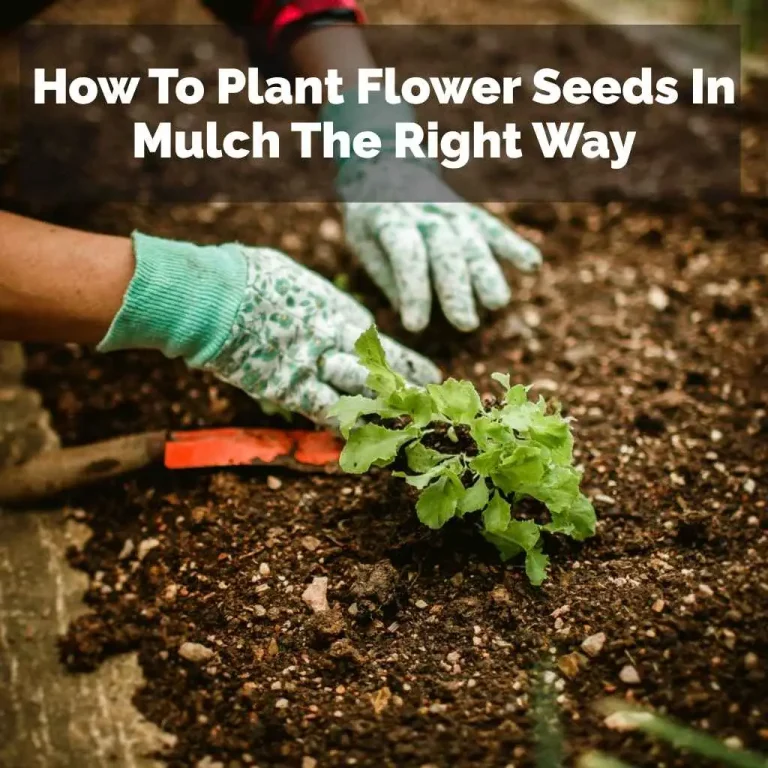
For a related vegetable-garden decision, How To Plant Flower Seeds In Mulch The Right Way adds another practical check before you choose materials or treatments.
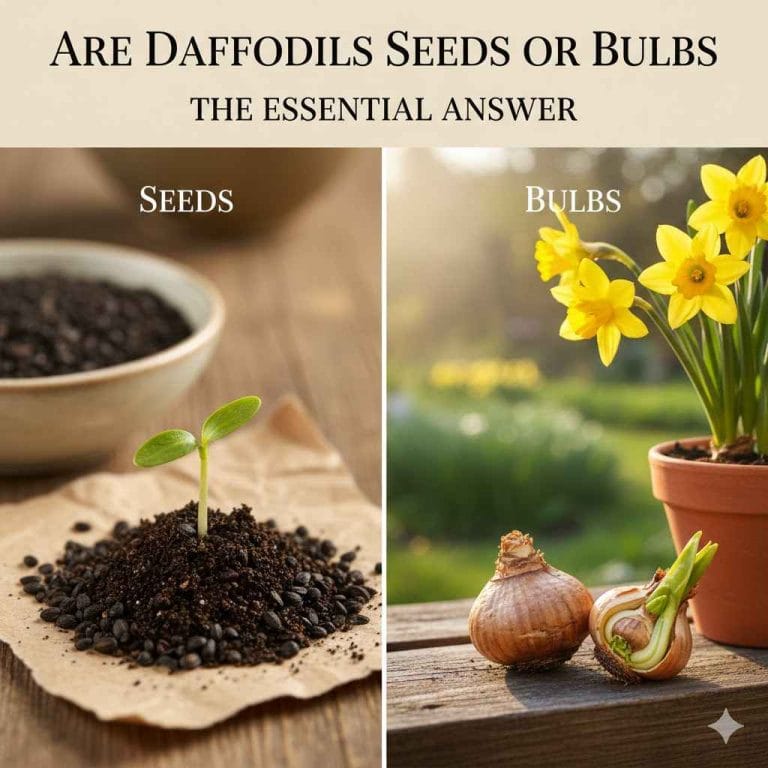
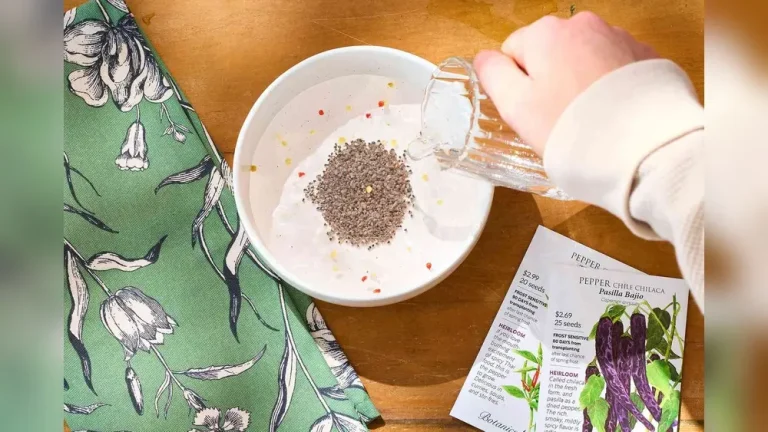
For another seed or bulb question, Plant Pepper Seeds From a Fresh Pepper? Yes, Here's How helps compare the next planting choice.
For another seed or bulb question, Can You Plant Apple Seeds From Grocery Store Apples? Yes, But… helps compare the next planting choice.
This guide will help you figure out the perfect timing. We’ll cover everything so your garden can get off to a great start.
Understanding the right planting times for Southwestern Idaho is key for a thriving garden. This guide details when to start seeds indoors and outdoors for successful transplanting, considering local climate and soil conditions. It helps you avoid common pitfalls and maximize your harvest potential.
Understanding Southwestern Idaho’s Planting Seasons
Southwestern Idaho has a climate that can be pretty distinct. It’s not like the coast, and it’s not like the mountains, though you can see both influences. We get warm, dry summers.
Winters can be cold, but usually not extreme for super long. This means timing is super important for getting your plants going.
Knowing your last frost date is your most important tool. For most of Southwestern Idaho, this date is often sometime in late April or early May. But this can change a bit depending on your exact location.
Higher elevations or areas closer to mountains might have a later frost. Lower valleys might get a slightly earlier start. It’s a good idea to check local resources for your specific microclimate.
Once you know your last frost date, you can work backward. This helps you figure out when to sow seeds indoors. It also tells you when it’s safe to plant them outside.
Some plants like a head start. Others prefer to go straight into the ground when it warms up. We’ll break this down for you.
When to Start Seeds Indoors for Southwestern Idaho
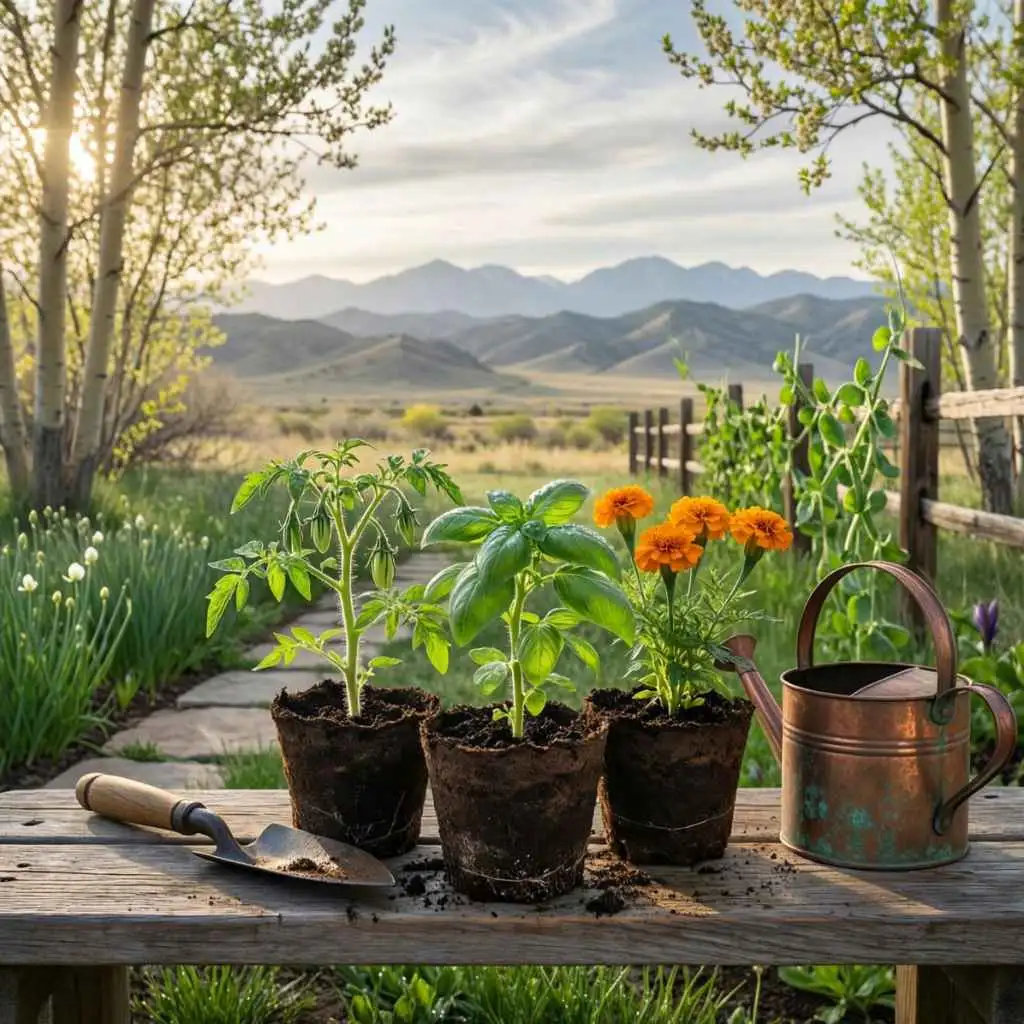
Starting seeds indoors is a smart move for many vegetables and flowers. It lets you get a jump on the short growing season. It also protects young plants from early cold snaps.
You’ll want to plan this based on your last average frost date. This date is your anchor point.
For plants that need a long time to mature, like tomatoes, peppers, and eggplant, start them early. Think 6 to 8 weeks before your last expected frost. This gives them enough time to grow strong roots and leaves.
They’ll be sturdy enough to handle being moved outside.
Other plants, like broccoli, cauliflower, and cabbage, can also benefit from an indoor start. Aim for about 4 to 6 weeks before your last frost. These plants grow fairly quickly.
They don’t need quite as much time as tomatoes.
Herbs like basil and parsley are also great candidates for indoor starting. Start them about 4 to 6 weeks before planting out. Many flowers, like petunias and marigolds, do well when started indoors 6 to 8 weeks before the last frost date.
It’s not just about the last frost. You also need to think about soil temperature. Even after the last frost, the ground might still be too cold for some seeds to germinate well.
Starting indoors means you control the soil temperature. This gives your seedlings the best start.
Seed Starting Timeline: Key Vegetables
Start indoors: 6-8 weeks before last frost.
Start indoors: 8-10 weeks before last frost.
Start indoors: 4-6 weeks before last frost.
Start indoors: 3-4 weeks before last frost (or sow direct).
Start indoors: 2-3 weeks before last frost (optional, sensitive to transplanting).
Dealing with Frost Dates in Southwestern Idaho
The concept of the “last frost date” is a bit of a guide, not a hard rule. Weather can be unpredictable. Sometimes, you get a late frost even after the official date.
It’s wise to stay informed about weather forecasts. Local news and weather apps are your friends here.
In Southwestern Idaho, you might see frost push into May in some years. Especially if you live in areas with cooler air drainage. This is why harden-off periods are so crucial.
You can’t just pull a tender seedling from a warm greenhouse and put it in the ground. It needs time to adjust.
Hardening off is the process of gradually exposing your indoor-started seedlings to outdoor conditions. This means a few hours in a sheltered spot. Then, a full day.
Then, overnight in a protected area. Do this for about a week to 10 days before you plan to transplant. This reduces transplant shock.
It makes your plants much tougher.
For plants that are more sensitive to cold, like tomatoes and peppers, it’s better to wait until nighttime temperatures are consistently above 50°F (10°C). Even then, a light frost cover might be needed on chilly nights. This shows real care for your plants.
When to Sow Seeds Directly Outdoors
Some plants are happier sown directly into the garden soil. They don’t like their roots being disturbed. Others are just tough enough to handle the conditions.
For Southwestern Idaho, you can start direct sowing once the soil has warmed up. And when the danger of frost has passed for good.
Cool-season crops are often best sown directly. Think peas, spinach, radishes, and carrots. You can often sow these as soon as the soil can be worked in early spring.
This might be March or early April, even before the last frost. The soil temperature needs to be right for germination.
For these cool-season crops, you can often get a second planting in the fall. This happens as the weather cools down. The soil retains some warmth from the summer.
This extends your harvest season. Watch for days to shorten and temperatures to drop in late summer or early fall.
Warm-season crops like beans, corn, and squash are usually direct sown. Wait until all danger of frost has passed. The soil needs to be warm.
For beans, this means soil temperatures of at least 60°F (15.5°C). Corn and squash like it even warmer, closer to 70°F (21°C).
Direct Sowing Guide for Southwestern Idaho
Peas, Spinach, Radishes, Lettuce, Carrots, Potatoes.
Beans, Corn, Squash, Cucumbers, Melons, Okra.
Spinach, Lettuce, Radishes, Peas, Kale.
Specific Timing for Common Southwestern Idaho Garden Plants
Let’s get a bit more specific. Southwestern Idaho gardens can grow so many things! Understanding these timings can make a huge difference for your yield.
We’re talking about actual, tangible results.
Tomatoes: Start seeds indoors around March 1st to March 15th. Transplant outside after the last frost, usually around May 1st to May 15th. Wait until nighttime temperatures are consistently above 50°F.
I remember one year, I put my tomatoes out a bit too early. A surprise frost nipped the tops off. It was a hard lesson in patience.
Peppers: These are slow growers. Start seeds indoors early, around February 1st to February 15th. Transplant them out around the same time as tomatoes, when it’s safe and warm enough.
They really thrive in the heat of our Idaho summers.
Cucumbers and Squash: These plants don’t love being transplanted. Start them indoors about 2 to 3 weeks before your last frost. But only if you have a very good reason, like a short season.
They grow fast. It’s often better to direct sow them around May 1st to May 15th, once the soil is warm. They hate cold feet.
Beans: Direct sow bush beans and pole beans starting around May 1st. They need warm soil to sprout. If the soil is too cold, they can rot.
I always feel a sense of excitement when I plant beans. It feels like the real start of summer gardening.
Root Vegetables (Carrots, Beets, Radishes): You can direct sow these in early spring. Start as soon as the soil is workable, perhaps late March to April. You can plant successions every few weeks.
This gives you a continuous harvest.
Leafy Greens (Lettuce, Spinach, Kale): These are cool-season champions. Start seeds indoors 3-4 weeks before the last frost. You can also direct sow them as soon as the soil is workable.
For a fall crop, sow again in late July or August. Kale is tough and can often survive light frosts in fall.
Common Garden Flowers: Start Indoors?
Many popular flowers benefit from an indoor start in Southwestern Idaho.
- Petunias, Marigolds, Zinnias: Start seeds indoors 6-8 weeks before the last frost. Transplant after frost danger has passed.
- Snapdragons, Pansies: Can be started indoors earlier, 8-10 weeks before the last frost. They are a bit more cold-tolerant.
- Sunflowers: Often best direct sown after the last frost. They grow fast and don’t like root disturbance.
The Importance of Soil Temperature
Soil temperature is a hidden hero in successful gardening. Seeds need a certain warmth to sprout. If the soil is too cold, they might not germinate at all.
Or they might sit there for a long time, making them vulnerable to pests and diseases. This is true for both indoor and outdoor sowing.
When you start seeds indoors, you control the temperature. Using a heat mat can be very helpful for some seeds, especially peppers and tomatoes. These mats provide consistent warmth.
They help speed up germination. You can often find these at garden centers or online.
When you direct sow, you have to wait for nature. You can use a soil thermometer to check. Stick it into the soil where you plan to plant.
Wait a few minutes. Then read the temperature. For most warm-season crops, you want the soil to be at least 60°F (15.5°C).
For cool-season crops, you can get away with cooler temps, often in the 40s or 50s Fahrenheit (4-10°C).
One trick is to use black plastic mulch. This can help warm the soil faster. You lay it down a week or two before planting.
It traps heat from the sun. This is especially useful in early spring when the ground is still cool. But remember, it can also bake the soil in summer.
Use it wisely.
Understanding Different Plant Needs
Not all plants are created equal when it comes to timing and transplanting. Some are very forgiving. Others are quite fussy.
Knowing these differences saves you a lot of grief.
Direct-Sow Champions: These plants usually do best when their seeds go straight into the ground. Examples include most root vegetables (carrots, parsnips), peas, beans, corn, and sunflowers. They often have taproots or delicate root systems that get damaged when moved.
Transplant Lovers: These are plants that benefit greatly from a head start indoors. Tomatoes, peppers, eggplant, broccoli, cauliflower, cabbage, and many flowers fall into this category. They need a longer growing season than our climate often provides if started from seed outdoors.
The Sensitive Ones: Some plants are tricky. They can be started indoors, but they are very prone to transplant shock. Cucumbers, melons, and pumpkins are in this group.
If you start them indoors, use biodegradable pots. This way, you can plant the whole pot. This minimizes root disturbance.
Or, start them very late indoors, just a couple of weeks before planting out.
Fast Growers: Radishes, spinach, and lettuce are quick. You can often sow them directly in spring. Then, sow more a few weeks later for a continuous harvest.
They don’t need much time to mature.
Myth vs. Reality: Seed Starting
Reality: Soil temperature and specific plant needs are just as important as air temperature.
Reality: Many plants thrive when direct-sown. Over-starting can lead to leggy plants.
Reality: Skipping this step can severely shock or kill young plants not used to outdoor elements.
When to Plant for Fall Harvest in Southwestern Idaho
Don’t forget about fall! A fall garden can be incredibly rewarding. Southwestern Idaho’s mild autumns mean you can extend your harvest long after summer crops are done.
The key is to start your fall crops in the heat of summer.
For fall harvests, think about cool-season crops. Spinach, lettuce, radishes, and peas can all be planted again. You’ll want to sow these seeds in late July or August.
The trick is that the soil is very hot then. Some seeds might not germinate well.
To help seeds germinate in hot soil, you can try a few things. Water the seedbed thoroughly in the morning. Then sow your seeds.
Water again gently. You can also try to sow in the late afternoon or evening. The soil stays warmer overnight.
Some gardeners even lay a damp board over the seed row until germination. This keeps the soil moist and cool. Be sure to remove it once sprouts appear.
Kale and Swiss chard are fantastic fall crops. They can often withstand light frosts. You might even find their flavor improves after a touch of cold.
They can be planted in July or August for a fall harvest.
Root crops like carrots and beets can also be planted in late summer for a fall harvest. They might grow a bit slower in the heat. But they’ll be ready as the weather cools.
I love having fresh carrots from the garden in October. It feels like a little bit of magic.
The Process of Transplanting Seedlings
Once your seedlings are ready and the outdoor conditions are right, it’s transplant time. This is a delicate process. You want to give your plants the best chance to survive and thrive.
First, make sure your seedlings have been hardened off. This is crucial. Have your garden bed prepared.
It should be free of weeds and have good soil. Loosen the soil where you’ll be planting. Add compost if needed.
This gives them nutrients.
Dig holes that are large enough for the root ball of your seedling. If you used peat pots, make sure the top edge is below the soil line. Otherwise, it can wick moisture away from the roots.
Gently remove the seedling from its container. Try not to disturb the roots too much. If the roots are tightly wound around the bottom (root-bound), you can gently tease them apart.
Place the seedling in the hole. The top of the root ball should be level with the surrounding soil. For tomatoes, you can plant them a bit deeper.
They will grow roots along the buried stem. This makes for a stronger plant.
After placing the seedling, fill in the hole with soil. Gently firm the soil around the base. Water deeply.
This helps settle the soil around the roots. It also reduces air pockets. It’s a good idea to transplant in the late afternoon or on a cloudy day.
This gives the plants time to recover from the shock before facing the sun.
Quick Transplanting Checklist
- Harden Off: Yes, always!
- Soil Prep: Weed and loosen soil. Add compost.
- Dig Holes: Slightly larger than root ball.
- Remove Seedling: Gently, minimize root disturbance.
- Plant Depth: Top of root ball level with soil (or deeper for tomatoes).
- Firm Soil: Gently pack around the base.
- Water Well: Settle soil and hydrate roots.
- Timing: Late afternoon or cloudy day.
What This Means for Your Southwestern Idaho Garden
Knowing when to plant seeds for transplanting is about more than just dates on a calendar. It’s about understanding your local climate. It’s about respecting the needs of your plants.
And it’s about building a resilient garden that can handle our unique Southwestern Idaho conditions.
By planning your seed starting indoors and your direct sowing outdoors based on last frost dates and soil temperatures, you give your plants a fighting chance. You avoid the common mistakes of planting too early or too late. This leads to healthier plants.
And, of course, a much better harvest. It’s about working with nature, not against it.
Pay attention to the small details. Use a soil thermometer. Watch the weather forecasts.
Be patient with your seedlings. The effort you put into planning and careful transplanting will pay off. You’ll see it in the vibrant growth and the delicious food you produce.
When to Worry and When to Relax
It’s normal to feel a little anxious about planting times. Nature can be unpredictable. But there are some signs that tell you if something is wrong, and other times when things are just normal.
When to Worry: If your indoor seedlings are growing very tall and thin, they might not be getting enough light. This is called “legginess.” It means they are stretching for light. You might need to add grow lights or move them to a sunnier spot.
If you see yellowing leaves on very young seedlings, it could be a nutrient issue or overwatering. Also, if you see any signs of pests on your indoor seedlings, deal with them right away. They can spread fast.
When to Relax: It’s normal for seedlings to grow at different rates. Some will always be a bit smaller or larger than others. A little bit of wilting after transplanting is also normal.
As long as you watered them well, they should perk up within a day or two. If you accidentally sow a few days earlier or later than planned, it’s usually not the end of the world. Most plants have some wiggle room.
The goal is progress, not perfection. Gardening is a learning process. Each season you garden in Southwestern Idaho, you’ll learn more about what works best for your specific plot of land.
It’s about observation and adaptation.
Quick Fixes and Tips for Seed Starting
Sometimes, small adjustments can make a big difference in your seed starting success.
- Too many seedlings? Don’t feel pressured to plant every single one. It’s better to have a few strong plants than many weak ones.
- Seedlings look pale? Make sure they are getting enough light and that your seed starting mix has some nutrients. A diluted liquid fertilizer can help.
- Damping off? This is a fungal disease that can kill seedlings. It’s often caused by overwatering and poor air circulation. Make sure your pots have drainage. Use clean tools.
- Not enough space? If you are running out of room indoors, it might be time to consider if some plants are better suited for direct sowing or a later start.
- Label everything! It sounds simple, but when you have multiple types of tomatoes or peppers, labels are a lifesaver. Use waterproof markers.
Frequently Asked Questions about Planting for Southwestern Idaho
When is the earliest I can plant tomatoes outside in Southwestern Idaho?
Generally, it’s safest to plant tomatoes outside in Southwestern Idaho around your last average frost date, which is typically late April to early May. However, it’s crucial to wait until nighttime temperatures are consistently above 50°F (10°C) and to harden off your seedlings beforehand.
Can I plant seeds directly in the ground in March in Southwestern Idaho?
Yes, you can plant some cool-season crops in March in Southwestern Idaho, as long as the soil is workable and not frozen. Think peas, spinach, radishes, and lettuce. Warm-season crops like tomatoes and peppers should not be planted directly outside until much later, after all danger of frost has passed.
How do I know if my soil is warm enough for planting beans?
Beans need soil temperatures of at least 60°F (15.5°C) to germinate well. You can use a soil thermometer to check. If you don’t have one, a general rule is to wait until at least two weeks after your last average frost date, and when the soil feels comfortably warm to the touch.
What is “hardening off” and why is it important?
Hardening off is the process of gradually exposing indoor-started seedlings to outdoor conditions like sun, wind, and cooler temperatures over a week to 10 days. This is crucial because indoor seedlings are tender and can be shocked or killed if exposed to harsh outdoor elements too quickly. It helps them build tougher stems and leaves.
My seedlings are getting leggy. What should I do?
Leggy seedlings are stretching for light. You can often fix this by providing more light. Move them closer to your grow lights, ensure your grow lights are on for 14-16 hours a day, or place them in the sunniest window possible.
You can also plant them deeper when you transplant them outdoors, as tomatoes can grow roots along their buried stems.
What are some good fall-harvest vegetables for Southwestern Idaho?
Excellent fall harvest vegetables for Southwestern Idaho include spinach, lettuce, kale, Swiss chard, radishes, peas, and carrots. You’ll typically want to sow these in late July or August, planning for them to mature as the weather cools.
Conclusion and Final Thoughts
Mastering the art of when to plant seeds for transplanting in Southwestern Idaho is a rewarding journey. By understanding your local climate, paying attention to frost dates, and respecting plant needs, you set the stage for a bountiful garden. Enjoy the process, and happy growing!