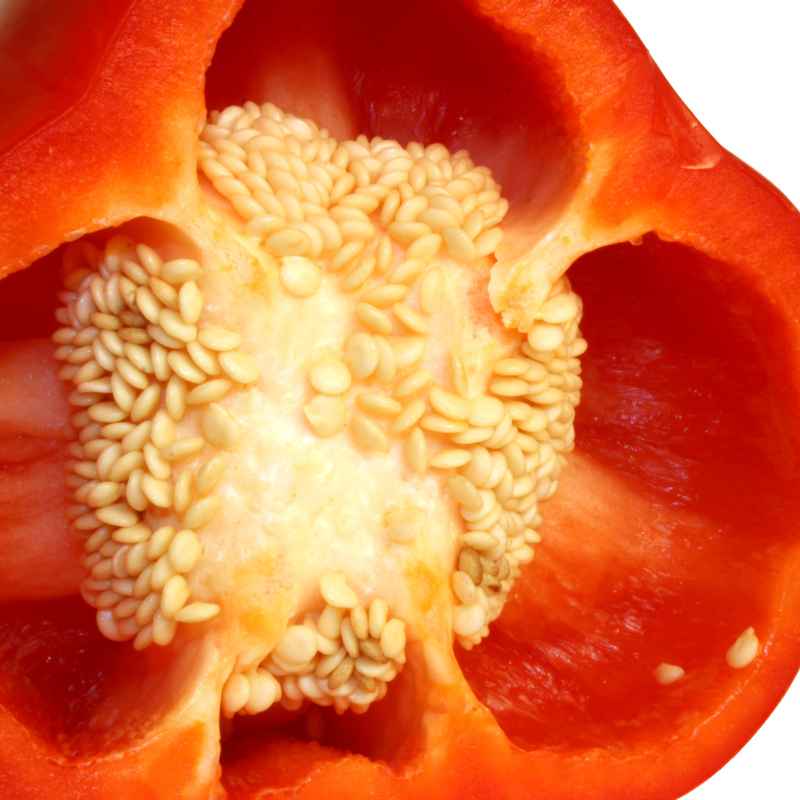
Plant Pepper Seeds From a Fresh Pepper? Yes, Here’s How
Planting pepper seeds from a fresh pepper is a simple and rewarding way to grow your own peppers at home. This guide walks you through every step—from selecting the right fruit to transplanting healthy seedlings.

SURVIVAL GARDEN SEEDS
Patio Snack Mix Mini Sweet Pepper Seeds…
- SWEET MINI PEPPERS – Colorful red, yellow, and orange snack-size peppers with crisp, mild flavor for fresh eating or roasting
- DWARF PLANTS FOR SMALL SPACES – Compact sweet pepper (Capsicum annuum 'Patio Snack Mix') variety ideal for patio pots, raised beds…
- EARLY YIELDING & HIGH PRODUCTIVITY – This rainbow lunchbox pepper mix produces reliable harvests with 60–75 day maturity and abund…
As an Amazon Associate I earn from qualifying purchases.
For a related plant-care question, Can I Plant Sprouted Potatoes From My Cupboard? Yes, Here's How gives readers a more focused follow-up.
Simply put, you can plant pepper seeds from a fresh pepper successfully if you choose ripe, healthy fruits and follow proper drying and germination techniques. Most common pepper seeds will sprout within 7–21 days under the right conditions.
Key Takeaways
- Planting pepper seeds from a fresh pepper requires selecting fully ripe fruits with no rot or disease.
- Seeds must be dried for 5–7 days before storage or planting to prevent mold.
- Germination rates are highest when soil temperatures stay between 70–85°F (21–29°C).
- Starting seeds indoors 6–8 weeks before the last frost gives strong transplants.

What You Need to Plant Pepper Seeds From a Fresh Pepper
Before you begin gathering seeds, gather a few basic supplies. Most items are already in your kitchen, so no special equipment is required.
- Fresh, ripe pepper (any variety – bell, jalapeño, habanero, etc.)
- Sharp knife and cutting board
- Paper towels or a fine mesh strainer
- Small bowl of water
- Paper plates or wax paper for drying
- Seed-starting mix or light potting soil
- Small pots or seed trays with drainage
- Spray bottle or watering can with fine nozzle
- Heat mat (optional but helpful)
- Grow lights or a bright windowsill
| Supply | Purpose |
|---|---|
| Fresh pepper | Source of viable seeds |
| Paper towels | Drying seeds and cleaning pulp |
| Seed-starting mix | Light, sterile medium for germination |
| Heat mat | Maintains consistent soil temperature |
Most items cost little or nothing. If you lack a heat mat, a warm spot above a refrigerator works too.
Step 1: Select the Right Fresh Pepper
The success of planting pepper seeds from a fresh pepper begins with fruit selection. Seeds from underripe or damaged peppers often fail to sprout.
- Choose peppers that are fully colored and slightly soft to the touch.
- Avoid peppers with wrinkled skin, soft spots, or mold.
- Heirloom and open-pollinated varieties produce offspring identical to the parent. Hybrid peppers may not grow true.
- Label the pepper type so you know what you’re planting later.
Tip: Store-bought peppers often work fine, but organic peppers avoid pesticide residues that can harm seed viability.
According to the Seed Savers Exchange, pepper seeds from fully ripe fruits have a germination rate of 80% or higher when dried and stored correctly. Immature seeds from green fruits rarely exceed 50%.
Step 2: Extract and Prepare the Seeds
Once you have your ripe pepper, remove the seeds gently. This step removes natural germination inhibitors found in the pulp.
- Cut the pepper lengthwise and pull out the seed cluster with your fingers or a small spoon.
- Place seeds in a fine mesh strainer and rinse under cool water to detach sticky membrane pieces.
- Spread the seeds on a paper towel and blot away excess moisture.
- Remove any floating seeds – those are often non-viable.
Important: Do not soak seeds for more than a minute. Prolonged soaking can trigger premature sprouting inside the pepper or promote bacterial growth.
Step 3: Dry the Seeds Properly
Drying is critical when planting pepper seeds from a fresh pepper. Moisture leads to mold, which kills seeds before they can grow.
- Place rinsed seeds on a paper plate or wax paper in a single layer.
- Keep them in a warm, dry, well-ventilated area away from direct sunlight.
- Let them dry for 5–7 days. Seeds should snap when bent, not bend.
- Stir seeds gently each day to promote even drying.
| Drying Method | Time | Risk of Mold |
|---|---|---|
| Paper plate, room temperature | 5–7 days | Low |
| Dehydrator at 95°F (35°C) | 12–24 hours | Very low |
| Oven at lowest setting | 2–4 hours | Moderate (watch carefully) |
The paper plate method works for most home gardeners. A dehydrator speeds things up but isn’t necessary.
Step 4: Germinate the Pepper Seeds
Now the real magic happens. Germination requires warmth, moisture, and patience.
- Fill small pots or seed trays with pre-moistened seed-starting mix.
- Sow seeds ¼ inch (6 mm) deep – pepper seeds need some darkness to germinate.
- Cover with a humidity dome or plastic wrap to retain moisture.
- Place pots on a heat mat set to 80–85°F (27–29°C).
- Keep soil consistently damp but not waterlogged. Use a spray bottle to mist the surface.
- Provide 14–16 hours of bright light per day once sprouts appear.
| Condition | Ideal Range | Effect on Germination |
|---|---|---|
| Soil temperature | 75–85°F (24–29°C) | Fastest, most uniform emergence |
| Soil moisture | Moist but not wet | Prevents damping-off disease |
| Light (after sprouting) | 14–16 hours/day | Prevents leggy seedlings |
Pepper seeds can take anywhere from 7 to 28 days to germinate. Hot peppers like habanero often take longer than sweet bell peppers. Don’t give up if nothing appears after a week.
Warning: Overwatering is the #1 killer of pepper seedlings. If the soil stays soggy, seeds rot. Always test moisture by pressing a finger into the mix – it should feel like a wrung-out sponge.
Step 5: Transplant the Seedlings
Once your pepper seedlings develop two sets of true leaves, they’re ready for bigger homes. Hardening off prepares them for outdoor life.
- Move seedlings to 3–4 inch pots with standard potting soil.
- Wait until night temperatures stay above 55°F (13°C) before moving outdoors.
- Harden off over 7–10 days: start with 1 hour of shade, then gradually increase sun exposure.
- Space plants 18–24 inches apart in full sun after the last frost.
- Water deeply once a week and fertilize with a balanced 5-10-10 formula after blooms appear.
Tip: Bury the stem up to the first leaves when transplanting – peppers can form roots along the buried stem, creating a stronger plant.
Common Mistakes When Planting Fresh Pepper Seeds
Even experienced gardeners slip up. Here are the most frequent errors when planting pepper seeds from a fresh pepper.
- Skipping the drying step. Seeds fresh from the pepper contain too much moisture. They can rot in soil within days.
- Planting seeds too deep. Buried more than ½ inch, pepper seeds struggle to push through. Keep them shallow.
- Using cold soil. Below 70°F (21°C), germination stalls or fails entirely. Always warm the soil first.
- Forgetting to label. Mix up sweet and hot peppers? You won’t know until harvest. Label each pot.
- Overwatering seedlings. Damping-off disease strikes when soil stays wet. Bottom-watering helps prevent this.
Warning: Hot pepper seeds (e.g., habanero, ghost pepper) often require two to three weeks to germinate. Don’t assume they failed and start over – wait patiently.
The University of Georgia Extension reports that 90% of pepper seed failures come from incorrect temperature or moisture. Fix those two variables and your success rate skyrockets.

Frequently Asked Questions
Can I plant seeds from a store-bought pepper?
Yes. Most store-bought peppers come from hybrids, so the resulting plants may differ slightly from the parent fruit. However, you can still get productive plants with tasty peppers.
Organic peppers give the best results.
Do I need to dry pepper seeds before planting?
Absolutely. Drying for 5–7 days prevents mold and improves germination. Fresh seeds planted immediately often rot in the soil because of their high moisture content.
How long do pepper seeds from a fresh pepper stay viable?
If stored in a cool, dark, dry place, pepper seeds remain viable for 2–3 years. After the first year, germination rates drop by about 10–20% annually. Use within one season for best results.
Can I plant seeds from a green (unripe) pepper?
It’s possible but not recommended. Seeds from green peppers are physiologically immature and have very low germination rates – often below 20%. Wait until the pepper fully ripens to its final color.
Should I soak pepper seeds before planting?
Soaking overnight in lukewarm water can soften the seed coat and speed up germination by a day or two. However, it’s not necessary for fresh seeds. If you soak, plant immediately afterward.
Final Thoughts
Planting pepper seeds from a fresh pepper is a fun, cost-effective way to expand your garden. Focus on selecting ripe fruits, drying seeds thoroughly, and providing steady warmth during germination. With a little patience, you’ll be harvesting homegrown peppers in just a few months.
Related pick: Check today's price on Amazon