Does Spraying Soapy Water Hurt Vegetable Gardens? Answered
It’s a common thought: a little soap can help. We see it used for cleaning many things. So, when you notice bugs on your tomato leaves, your first idea might be to grab the dish soap.
You want to protect your fresh veggies. But does spraying soapy water actually hurt vegetable gardens? It’s a question many home gardeners ask.
Let’s explore this together.
Spraying soapy water on vegetable gardens can harm plants and soil life. While dilute solutions might be used carefully for pest control, they risk damaging plant leaves, harming beneficial insects, and disrupting soil microorganisms. Safer, organic pest control methods are generally recommended for vegetable gardens.
Understanding Soapy Water and Plants
Plants are living things. They need a delicate balance to grow well. This balance includes their leaves, roots, and the soil around them.
Soapy water is made of soap and plain water. Soap has chemicals. These chemicals are designed to break down grease and dirt.
When soap hits a plant, it can do more than just clean.
The chemicals in soap can strip away the waxy coating on plant leaves. This coating protects the plant from drying out. It also helps keep pests away.
When this coating is gone, the leaves can lose too much water. They might start to look dried out or burnt.
Also, the salt content in some soaps can build up in the soil. This salt can make it hard for plants to take up water and nutrients. It’s like trying to drink salt water; it doesn’t quench your thirst.
For a plant, this can stunt its growth. It might even lead to plant death in severe cases.

My Own Soapy Scare in the Garden
I remember one summer vividly. My zucchini plants were covered in tiny green aphids. They looked like little green dots all over the new leaves.
I felt a surge of panic. These bugs could ruin my harvest! I had read online that a mild soap spray could work.
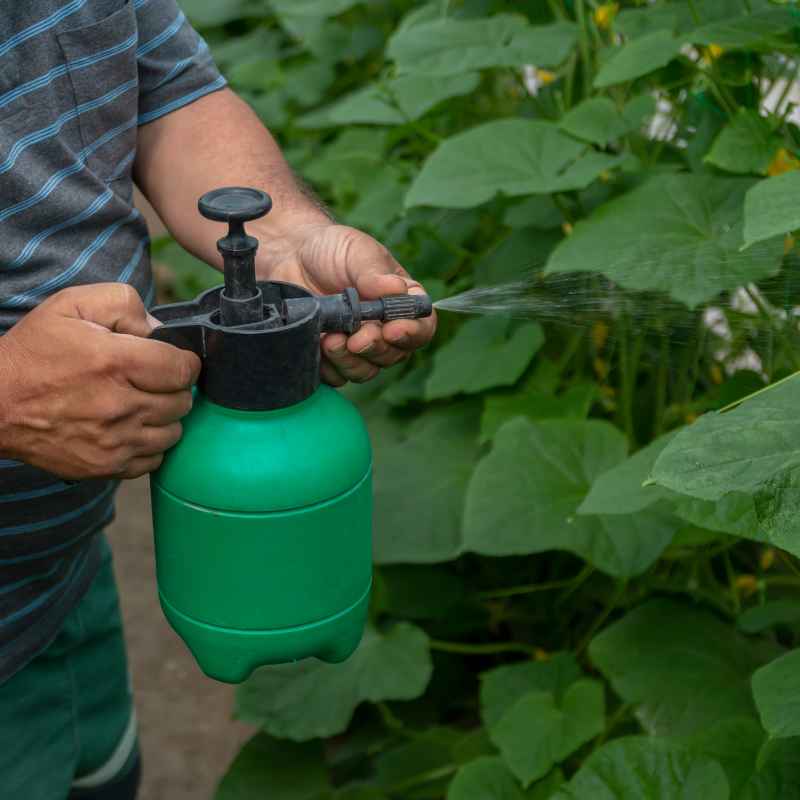
So, I mixed some dish soap with water in a spray bottle.
I went out that evening, feeling like a garden hero. I sprayed down the affected leaves. The next morning, I looked out at my garden.
The aphids were mostly gone. Great, I thought! But then I looked closer at my zucchini leaves.
They had white spots and looked a bit wilted. Some leaves were even turning yellow at the edges.
My heart sank. I had fixed one problem, but created another. I realized my “quick fix” was hurting my plants.
That experience taught me a valuable lesson about garden care. It’s not always about the fastest solution. It’s about the safest one for the plants and the whole garden ecosystem.
Soapy Water: What’s Really Inside?
Dish Soap: Most dish soaps contain detergents. These are strong cleaning agents. They can break down natural oils and waxes.
This is great for dishes, but not for plant leaves. Some contain fragrances or dyes. These can also harm plants.
Hand Soap: Similar to dish soap, hand soaps can also be harsh. They often contain moisturizers. These might not hurt plants directly, but the cleaning agents can.
Always check the ingredients.
Pure Soap vs. Detergent: True soaps are made from fats and lye. Detergents are synthetic.
Both can be damaging to plants in ways. The key is that they disrupt surface tension and can strip protective layers.
The Impact on Beneficial Insects
Your garden isn’t just home to pests. It’s also a busy place for helpful creatures. Ladybugs, lacewings, and bees are your garden allies.
They eat pests naturally. They also help pollinate your flowers and fruits. Spraying soapy water can harm them too.
When you spray your plants, you don’t just hit the pests. You might also hit these good bugs. Their bodies can be damaged by the soap.
This is especially true for bees. They are crucial for many vegetables, like squash and cucumbers. Harming bees can mean fewer vegetables for you.
We want to encourage a healthy garden ecosystem. This means supporting all the life that visits. Using harsh chemicals, even mild ones like soap, can upset this balance.
It’s like a domino effect. You might kill the pests, but then you lose the bugs that would have eaten more pests later.
Quick Scan: Soap Ingredients to Watch Out For
- Detergents: Often listed as surfactants.
- Fragrances: Can be irritating to plants and insects.
- Dyes: Unnecessary for cleaning plants.
- Degreasers: Too strong for delicate plant tissues.
- Sodium Lauryl Sulfate (SLS): A common, strong detergent.
What About the Soil?
Plants get their food and water from the soil. Healthy soil is alive with tiny organisms. Bacteria, fungi, and worms work together.
They break down organic matter. They make nutrients available for plants. This is a complex and vital system.
When you spray soapy water, some of it runs off the leaves. It goes down into the soil. Even small amounts can affect these soil helpers.
The chemicals in the soap can kill off beneficial bacteria. They can also harm earthworms. These worms are natural aerators of the soil.
Over time, if you keep using soapy water, your soil can become less healthy. This means your plants will struggle. They might not grow as strong.
They could become more prone to diseases. It’s a long-term problem that starts with a short-term fix.
Contrast: Myth vs. Reality
Myth: A little bit of dish soap is harmless plant food.
Reality: Dish soap contains detergents that strip plant protection and harm soil life.
Myth: Soapy water kills all bugs, so it’s good for pests.
Reality: It kills beneficial insects too, disrupting the natural garden balance.
Myth: If it’s safe for my hands, it’s safe for my plants.
Reality: Plant leaves and soil are much more sensitive than human skin.
When Might Dilute Soap Be Considered?
There are times when a very dilute, specific type of soap is used in gardening. These are usually insecticidal soaps. They are specially made for plants.
They contain potassium salts of fatty acids. These salts are less harmful than the detergents in dish soap.
Insecticidal soaps are designed to break down quickly. They target the soft bodies of certain pests, like aphids and spider mites. Even with these, there are rules.
You must use them at the right time of day. You should also test them on a small part of the plant first. Too much can still cause damage.
For most home gardeners, it’s simpler to avoid dish soap altogether. Stick to options that are proven safe for plants and soil. The goal is to help your garden thrive, not just survive.
Relying on products made for plants is a safer bet.
Safer Alternatives for Pest Control
So, what can you do when pests appear in your vegetable garden? Thankfully, there are many effective and safe methods. You don’t need to resort to harsh chemicals.
1. Physical Removal
For many pests, like larger caterpillars or beetles, you can simply pick them off by hand. Drop them into a bucket of soapy water. This is a direct way to remove them without spraying the whole plant.
2. Water Spray
A strong blast of plain water from your hose can dislodge many small pests. Aphids, for example, can be washed off. Do this in the morning.
This allows the leaves to dry out before nightfall. This prevents fungal diseases.
Observational Flow: Dealing with Aphids
Step 1: Observe: Notice small green or black bugs on new growth.
Step 2: Inspect: Check undersides of leaves and stems.
Step 3: First Action: Blast with a strong stream of plain water.
Step 4: Repeat: If aphids return, consider other methods.
Step 5: Introduce Allies: Ladybugs love aphids!
3. Introducing Beneficial Insects
You can buy ladybugs or lacewing larvae. These natural predators will eat pests in your garden. You can release them in the evening.
They will then hunt for pests naturally.
4. Companion Planting
Some plants can help repel pests. Planting marigolds among vegetables can deter nematodes. Basil planted near tomatoes may help repel certain flies.
This creates a more natural defense system for your garden.
5. Organic Sprays (Use with Caution)
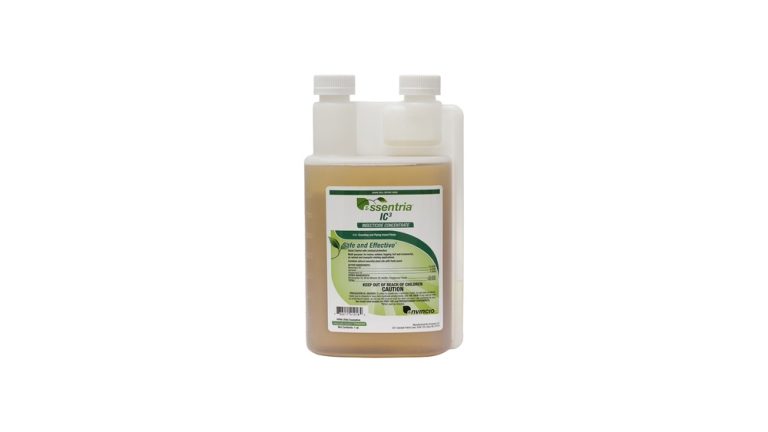
If you need to spray, consider options like neem oil or insecticidal soap. Neem oil comes from the neem tree. It can disrupt insect hormones and feeding.
Insecticidal soap, as mentioned, is specially formulated. Always follow the package directions closely. Test on a small area first.
Stacked Micro-Sections: Understanding Neem Oil
Source: Derived from the neem tree seeds.
Action: Works as an insecticide, fungicide, and miticide.
Method: Disrupts insect growth and feeding habits.
Caution: Can harm beneficial insects if sprayed directly on them. Apply in evening.
6. Crop Rotation
Don’t plant the same vegetables in the same spot year after year. Rotating crops can help break pest and disease cycles. Some pests live in the soil.
If you plant something new, they won’t find their usual food source.
What This Means for Your Vegetable Garden
Using everyday dish soap on your vegetable garden is generally not a good idea. The risks often outweigh any perceived benefits. You might solve an immediate pest problem.
But you could harm your plants, the good bugs, and the soil in the long run.
Think of your garden as a miniature ecosystem. Everything is connected. A healthy ecosystem is diverse and balanced.
When we introduce things that disrupt this balance, we create more problems than we solve. It’s like trying to fix a leaky pipe by pouring glue into the water system. It might stop the leak for a moment, but it causes wider issues.
For the best results, choose methods that work with nature. Support the natural defenses your plants and garden already have. This approach leads to healthier plants.
It means tastier, safer vegetables for your table. It also creates a garden you can feel good about.
When to Be Concerned About Soapy Water Effects
If you have already sprayed soapy water, look for these signs:
- Leaf Burn: Leaves may turn yellow, brown, or appear scorched, especially at the edges.
- Wilting: Plants may droop even if the soil is moist.
- Stunted Growth: New leaves may be small. Plants might not grow taller or bushier.
- White Spots: These can appear on leaves where the soap residue has dried.
- Reduced Flowering or Fruiting: If the plant is stressed, it won’t put energy into making flowers or fruit.
If you see these symptoms, you can try to help your plants recover. Gently rinse the leaves with plain water. Ensure the soil is not overly wet.
Avoid any further treatments. Give the plant time to heal.
Quick Tips for a Healthy Garden
Here are some simple things to remember:
- Inspect Regularly: Check your plants often. Spotting problems early is key.
- Healthy Soil is First: Feed your soil with compost. This makes plants strong.
- Water Wisely: Water at the base of plants. Avoid wetting leaves too much.
- Choose Safe Pest Control: Always opt for gentle, natural methods first.
- Patience Pays Off: Nature has its own ways of balancing. Support it!

Frequently Asked Questions
Is it okay to use homemade soap sprays for garden pests?
Homemade sprays with dish soap are generally not recommended. The detergents in dish soap can damage plant leaves and harm beneficial insects. It’s safer to use specially formulated insecticidal soaps or other organic pest control methods.
What is the difference between dish soap and insecticidal soap?
Dish soap contains detergents designed for cutting grease. These can strip protective waxes from plant leaves. Insecticidal soap uses potassium salts of fatty acids, which are less harmful.
They are specifically made to target soft-bodied insects without severely damaging plants when used correctly.
Can soapy water kill beneficial insects like ladybugs?
Yes, soapy water can harm beneficial insects. It can damage their exoskeletons and disrupt their natural functions. This is why it’s important to use pest control methods that are selective and only target the pests you want to eliminate.
How can I tell if my plants are damaged by soap spray?
Signs of soap damage include yellowing or browning leaves, wilting, stunted growth, and white powdery residue on leaves. The damage often looks like sunburn or a general decline in plant health.
What are the best alternatives to dish soap for pest control?
Excellent alternatives include blasting pests with water, hand-picking them off, introducing natural predators like ladybugs, using neem oil, or applying a true insecticidal soap. Companion planting also helps deter pests naturally.
Will spraying soapy water on my vegetable garden affect the vegetables I eat?
If you spray soapy water, residue can remain on the plants. While small amounts might not be acutely toxic, the chemicals are not intended for consumption and can alter the taste or texture of your vegetables. More importantly, the damage to the plant itself can affect its health and productivity.
A Balanced Approach to Garden Care
Caring for your vegetable garden is a rewarding journey. It’s about nurturing life and enjoying the fruits of your labor. When faced with garden challenges, remember that gentleness and understanding are key.
Opt for methods that support your plants and the wider ecosystem. This way, your garden will flourish, providing you with healthy, delicious produce season after season.