Can Seven Dust Be Used On Vegetable Gardens?
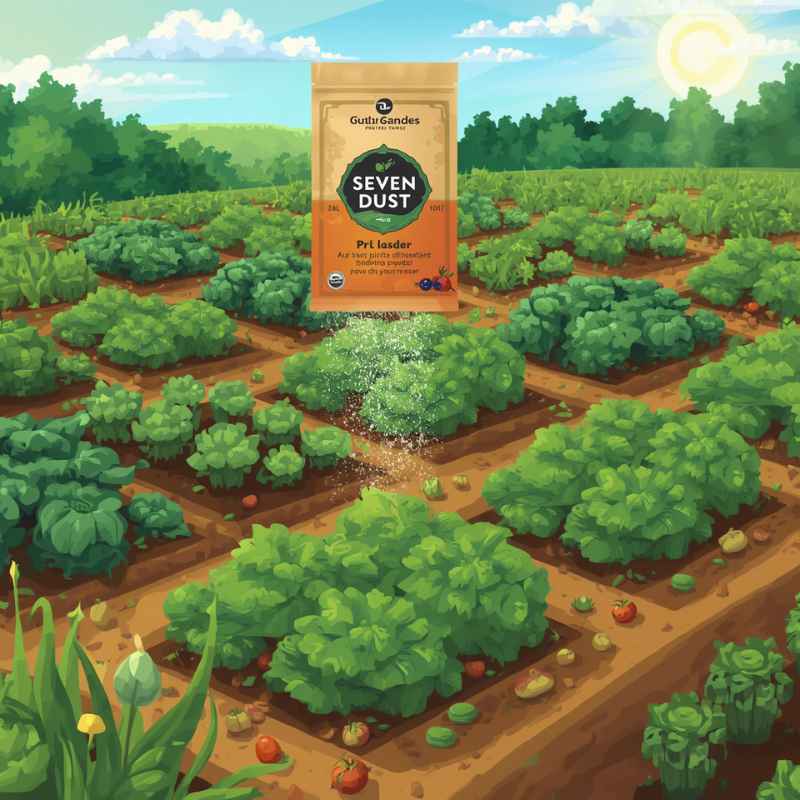
In short, while Seven Dust contains an insecticide effective against many garden pests, it is generally NOT recommended for use directly on or around vegetable gardens intended for consumption due to residual toxicity concerns and potential harm to beneficial insects and pollinators. Always prioritize food-safe pest control methods.

Sevin
Sevin Insect Killer Dust, 3 Pound
- Protect your flowers and lawn from listed damaging pests by using Sevin dust
- This Sevin dust insecticide powder won't harm plants or blooms
- This garden insect killer kills by contact - over 150 listed insects
As an Amazon Associate I earn from qualifying purchases.

Key Takeaways
- Seven Dust contains carbaryl, an insecticide that can be effective against a broad spectrum of garden pests.
- Direct application of Seven Dust to edible crops is generally advised against due to potential human health risks from residue.
- Carbaryl can harm beneficial insects, including pollinators like bees, which are crucial for vegetable garden success.
- Safer, food-grade pest control methods are widely available and recommended for vegetable gardens.
- Always read and strictly follow label instructions for any pesticide, and consider organic or biological controls first.
What is Seven Dust and How Does It Work?
Seven Dust is a brand name historically associated with insecticide dust products, most notably containing carbaryl. Carbaryl is a broad-spectrum insecticide belonging to the carbamate class. It works by inhibiting cholinesterase, an enzyme essential for nerve function in insects.
This disruption leads to overstimulation of the nervous system, resulting in paralysis and eventual death of the insect.
The dust formulation makes it easy to apply to plants, where it adheres to foliage and other surfaces. Pests are typically exposed to carbaryl when they walk on treated surfaces or ingest the insecticide while feeding. Its broad-spectrum nature means it can control a wide array of common garden pests, including beetles, caterpillars, aphids, and various crawling insects.
Due to its effectiveness against many pests, Seven Dust products have been used in various agricultural and home garden settings. However, the “dust” application method itself can lead to drift, potentially exposing unintended areas and organisms. This is one of the reasons its application in sensitive environments like vegetable gardens has become a point of significant concern for regulators and gardeners alike.
- Mechanism of Action: Neurotoxin that inhibits acetylcholinesterase.
- Target Pests: Broad-spectrum, effective against many chewing and sucking insects.
- Application Method: Dust formulation for surface application on plants and soil.
- Common Active Ingredient: Carbaryl (historically).
- Historical Use: Widely used in agriculture and home gardens for general pest control.
It’s important to note that the availability and specific formulations of “Seven Dust” products may have changed over time due to regulatory updates and evolving pest management strategies. Always refer to the most current product label for active ingredients and usage guidelines.

Why Carbaryl (Seven Dust) is Discouraged for Vegetable Gardens
The primary reasons carbaryl-based products like Seven Dust are discouraged for vegetable gardens revolve around human health, environmental impact, and the disruption of the garden ecosystem. The United States Environmental Protection Agency (EPA) has issued advisories regarding carbaryl use, particularly in residential settings and on food crops. One major concern is the potential for residual levels of carbaryl to remain on harvested vegetables, posing a risk if ingested.
Furthermore, carbaryl is known to be highly toxic to bees and other beneficial pollinators. Pollinators are absolutely essential for the successful fruiting of many vegetable plants, such as tomatoes, cucumbers, squash, and beans. Applying carbaryl to a vegetable garden can decimate local bee populations, leading to poor fruit set and significantly reduced yields.
This impact extends to other beneficial insects that help control pests naturally, disrupting the garden’s natural balance.
Warning: Carbaryl can be absorbed through the skin and is classified as moderately to highly toxic. Always wear protective gear if handling any carbaryl-containing product, and never apply it to food crops without confirming its food-grade status and adhering strictly to label instructions, which often prohibit such use.
The persistence of carbaryl in the soil and its potential to leach into groundwater are also environmental concerns. While it breaks down over time, its presence can affect soil microorganisms and other non-target organisms. For these cumulative reasons, most modern gardening advice steers clear of using broad-spectrum insecticides like carbaryl on vegetables where human consumption is the end goal.
- Human Health Risks: Potential for harmful residues on edible parts of plants.
- Pollinator Toxicity: Highly toxic to bees and other beneficial insects.
- Ecosystem Disruption: Can harm beneficial predators and soil organisms.
- Environmental Persistence: Potential for soil and water contamination.
- Regulatory Stance: Often restricted or not recommended for food crops by agencies like the EPA.
While some older gardening literature might mention carbaryl for vegetable pest control, current best practices emphasize safer, more targeted methods. The goal is to protect your harvest without compromising your health or the environment.
Understanding Carbaryl Labels and Restrictions
When considering any pesticide, especially for use in a food-producing garden, meticulously reading and understanding the product label is paramount. For carbaryl-containing products historically sold as “Seven Dust” or similar formulations, the label will specify precisely where and how the product can be used. These labels are legal documents, and failure to adhere to their instructions can result in legal penalties and, more importantly, pose risks to health and the environment.
For vegetable gardens, specific restrictions often apply. Many labels for carbaryl products will explicitly state “Do not apply to fruit or vegetables” or list a specific “Pre-Harvest Interval” (PHI). The PHI is the minimum time required between the last application of a pesticide and the harvesting of the crop.
If a carbaryl product does not list a PHI for a specific vegetable crop, it means it is not approved for use on that crop.
It’s also crucial to check for “Restricted Use” classifications. While many carbaryl products have historically been general-use, regulations can change, and certain formulations might be restricted to certified applicators. Even if classified as general use, the specific site of application (e.g., ornamental plants vs.
vegetable gardens) is critical. The label will detail which pests are controlled on which types of plants. If your vegetables are not listed, then the product should not be used on them.
| Label Component | Importance for Vegetable Gardens |
|---|---|
| Active Ingredient | Identifies what the product kills (e.g., carbaryl). Essential for understanding toxicity and restrictions. |
| Target Pests | Lists pests the product is registered to control. Ensure it matches your specific vegetable pest problem. |
| Target Crops/Sites | Crucially, lists approved plants. For vegetables, this must explicitly include your crop or be a general “vegetable garden” use if specified. |
| Pre-Harvest Interval (PHI) | Minimum days between application and harvest. Must be listed for approved crops. If absent, do not use on that crop. |
| Personal Protective Equipment (PPE) | Details required safety gear (gloves, mask, etc.). Essential for safe handling. |
| Environmental Hazards | Information on risks to bees, aquatic life, etc. Crucial for responsible use. |
Always seek out products that are specifically labeled for use on or around food crops, and follow all instructions meticulously to ensure safety.
Safer Alternatives for Vegetable Garden Pest Control
Fortunately, a wide array of effective and safer pest control methods are available for vegetable gardens, many of which are organic and beneficial-insect friendly. These alternatives focus on integrated pest management (IPM) principles, which aim to prevent pests, monitor their populations, and use the least toxic methods first.
Physical barriers and manual removal are often the first line of defense. Row covers made of fine mesh fabric can prevent insects from reaching your plants in the first place. Hand-picking larger pests like tomato hornworms or cucumber beetles and dropping them into soapy water is a simple, direct method.
Beneficial insects, such as ladybugs that eat aphids, or parasitic wasps that target caterpillars, can also be encouraged or purchased and released into the garden.
When pesticides are necessary, opt for products specifically labeled as safe for edible gardens. Horticultural oils (like neem oil or mineral oil) and insecticidal soaps are effective against soft-bodied insects like aphids and spider mites. They work by smothering the insects or disrupting their cell membranes.
These typically have very short residual periods and break down quickly in the environment, posing minimal risk to humans and beneficial insects once dry.
- Physical Controls:
- Row covers/netting
- Hand-picking pests
- Traps (e.g., slug traps, pheromone traps)
- Biological Controls:
- Encouraging natural predators (ladybugs, lacewings, predatory wasps)
- Introducing beneficial insects
- Using Bacillus thuringiensis (Bt), a naturally occurring bacterium effective against caterpillars.
- Organic/Low-Impact Pesticides:
- Insecticidal soaps
- Horticultural oils (neem oil, mineral oil)
- Botanical insecticides (pyrethrins derived from chrysanthemums – use with caution regarding pollinators)
- Diatomaceous earth (food-grade, use carefully to avoid harming beneficials)
Always remember to conduct a small test patch before widespread application of any new treatment, and always apply in the early morning or late evening when pollinators are less active to minimize harm. According to the Rodale Institute, which has extensively researched organic agriculture, Integrated Pest Management (IPM) strategies significantly reduce the need for chemical interventions in vegetable gardens.
How to Identify Common Vegetable Garden Pests
Effective pest management starts with accurate identification. Knowing the specific pest attacking your vegetables allows you to choose the most appropriate and targeted control method. Common culprits in vegetable gardens range from tiny aphids to larger caterpillars and beetles.
Aphids: These small, pear-shaped insects are often green, black, brown, or yellow. They typically cluster on the undersides of leaves, stems, and new growth, sucking plant sap. Heavy infestations can cause distorted growth and yellowing.
You might also notice ants “farming” them for their sweet honeydew secretion.
Caterpillars: Various species, like tomato hornworms, cabbage worms, and corn earworms, can wreak havoc. They are the larval stage of moths and butterflies and are voracious leaf-eaters. Some, like the tomato hornworm, can be quite large and are masters of camouflage.
Others bore into fruits or stems.
Beetles: Flea beetles chew tiny “shotgun” holes in leaves, while larger beetles like Colorado potato beetles or cucumber beetles can defoliate plants or damage fruits. They vary widely in size, shape, and color.
Slugs and Snails: These slimy mollusks are most active at night or during damp conditions, leaving distinctive slime trails as they munch on leaves, stems, and seedlings. They are particularly damaging to young, tender plants.
Spider Mites: Tiny arachnids, often difficult to see without magnification, that thrive in hot, dry conditions. They feed on plant sap, causing stippling (tiny dots) on leaves, which can eventually turn yellow or bronze. Fine webbing is a tell-tale sign of a heavy infestation.
- Aphids: Small, clustered sap-suckers on new growth.
- Caterpillars: Larvae of moths/butterflies; chew leaves or bore into fruits/stems.
- Beetles: Various species; chew leaves, stems, and fruits.
- Slugs & Snails: Leave slime trails; damage seedlings and leaves.
- Spider Mites: Tiny, cause stippling on leaves; webbing indicates heavy infestation.
- Whiteflies: Tiny white insects that fly up in a cloud when disturbed; found on leaf undersides.
The key is regular observation. Walk through your garden frequently, inspect leaves (top and bottom), stems, and developing fruits. Catching pests early significantly increases the chances of successful control with less aggressive methods.
For instance, identifying aphids early allows for simple washing off with water or treatment with insecticidal soap, avoiding the need for stronger chemicals.
Understanding Integrated Pest Management (IPM)
Integrated Pest Management (IPM) is a comprehensive, ecosystem-based strategy that focuses on long-term prevention of pests or their damage through a combination of techniques. It is the gold standard for sustainable gardening, especially in edible gardens. IPM doesn’t rely on a single method but rather a layered approach that is environmentally sound and economically viable.
The core principles of IPM involve understanding the pest life cycle, monitoring pest populations, and implementing control methods only when necessary and at the lowest effective level. This approach minimizes the risks to people and the environment by encouraging natural pest controls and using chemical pesticides only as a last resort, and then selecting the least toxic options.
The typical steps in an IPM program include:
- Identification: Accurately identify the pest and understand its life cycle and damage.
- Monitoring: Regularly scout the garden to assess pest populations and the extent of damage. This involves checking plants frequently for signs of pests or disease.
- Action Thresholds: Determine the point at which pest populations or environmental conditions indicate that pest control action must be taken. Not every pest sighting requires intervention; some minor damage is acceptable and can even support beneficial insects.
- Control Methods: Select and implement control methods based on the action threshold. This hierarchy typically begins with non-chemical methods (cultural, mechanical, biological) and moves to chemical controls only if necessary.
- Evaluation: After implementing control measures, evaluate their effectiveness and make adjustments to the IPM plan as needed.
An example of cultural control would be crop rotation to disrupt pest cycles or selecting disease-resistant vegetable varieties. Mechanical controls include hand-picking or using traps. Biological controls involve introducing or conserving natural enemies of pests.
Chemical controls are used judiciously, prioritizing targeted, low-toxicity options approved for food crops.
A study published by the United States Department of Agriculture (USDA) indicated that effective IPM programs can reduce pesticide use by as much as 50% while maintaining crop yields and quality. This highlights the significant benefits of adopting an IPM strategy for both home gardeners and commercial growers.
Cultural Controls
- Crop Rotation: Planting different crops in the same area each year helps break pest and disease cycles specific to certain plant families.
- Sanitation: Removing diseased or infested plant debris promptly prevents overwintering of pests and diseases.
- Resistant Varieties: Choosing vegetable varieties known to be resistant to common pests and diseases.
- Companion Planting: Planting certain species together that may deter pests or attract beneficial insects.
- Watering and Fertilizing Appropriately: Healthy plants are better able to withstand pest attacks. Avoid over-fertilizing with nitrogen, which can attract aphids.

Frequently Asked Questions
Can I use Seven Dust on my tomatoes?
It is generally not recommended to use Seven Dust (carbaryl) on tomato plants intended for consumption. Carbaryl can leave harmful residues on the fruit, and it is highly toxic to pollinators essential for tomato fruit set. Always opt for food-safe pest control methods for tomatoes.
How long does carbaryl last on vegetables?
Carbaryl’s persistence varies depending on environmental factors like sunlight, rain, and temperature, but it can remain on plant surfaces for several days to weeks. Crucially, many vegetable crops have specific “Pre-Harvest Intervals” (PHI) listed on product labels, indicating the minimum time required between application and harvest to ensure residues are below safe levels. If a PHI isn’t listed for a specific vegetable, it means the product is not approved for that use.
Is carbaryl safe for beneficial insects?
No, carbaryl is not safe for most beneficial insects, including bees, ladybugs, and lacewings. It is a broad-spectrum insecticide, meaning it kills a wide range of insects, including the helpful ones that pollinate your plants and prey on pests. This can lead to a secondary pest outbreak if beneficial insect populations are wiped out.
What are some organic alternatives to carbaryl for garden pests?
Excellent organic alternatives include insecticidal soaps, horticultural oils (like neem oil), Bacillus thuringiensis (Bt) for caterpillars, diatomaceous earth (food-grade), physical barriers like row covers, and encouraging natural predators. These options are generally safer for pollinators, beneficial insects, and human health when used correctly.
Where can I find information on approved pesticides for my vegetable garden?
Your local agricultural extension office is an excellent resource for information on approved pesticides for your specific region and crops. You can also check the U.S. Environmental Protection Agency (EPA) website for pesticide registration information.
Always rely on product labels for approved uses, safety precautions, and Pre-Harvest Intervals.
Final Thoughts
While Seven Dust products historically offered a broad-spectrum solution for pest problems, their application in vegetable gardens is fraught with risks. The potential for harmful residues on food, coupled with severe toxicity to pollinators and beneficial insects, makes it an unsuitable choice for edible crops. Prioritizing your family’s health and the garden’s ecosystem means opting for proven, safer alternatives like organic sprays, physical barriers, and integrated pest management strategies.
Always read labels carefully and choose methods that protect your harvest without compromising safety.
Related pick: Check today's price on Amazon