Is Ant Killer Safe Around Vegetable Gardens?
Ant killer can be safe near vegetable gardens only if the label allows edible-crop use and you keep granules, sprays, and baits off foliage and root zones. Misused products can leave residue on leaves, move into soil, and harm bees and other pollinators around crops you plan to eat. This guide explains which active ingredients and formulations are lower-risk, where to place them, and what label warnings to check first.
Why ant control near vegetables is different
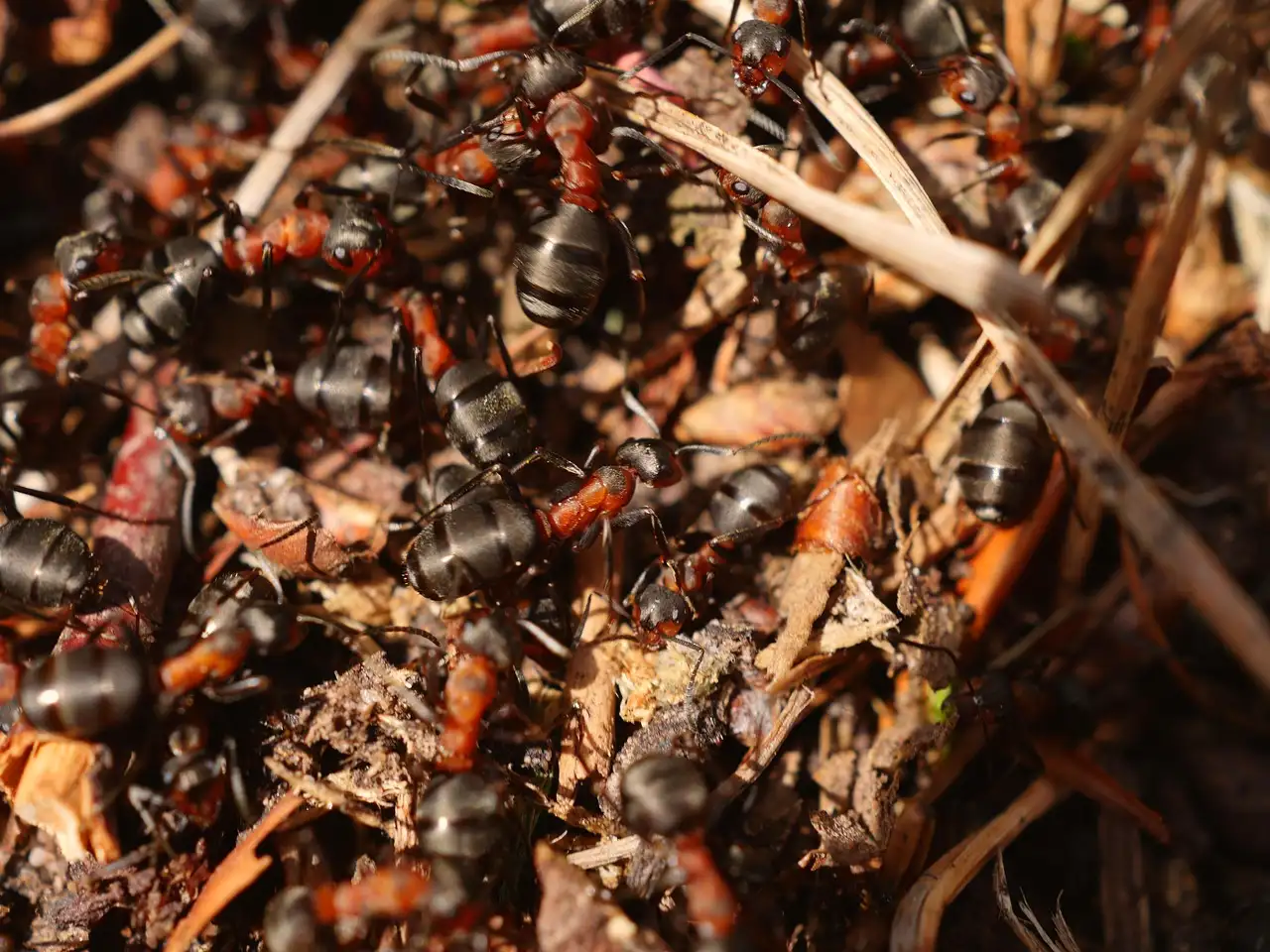
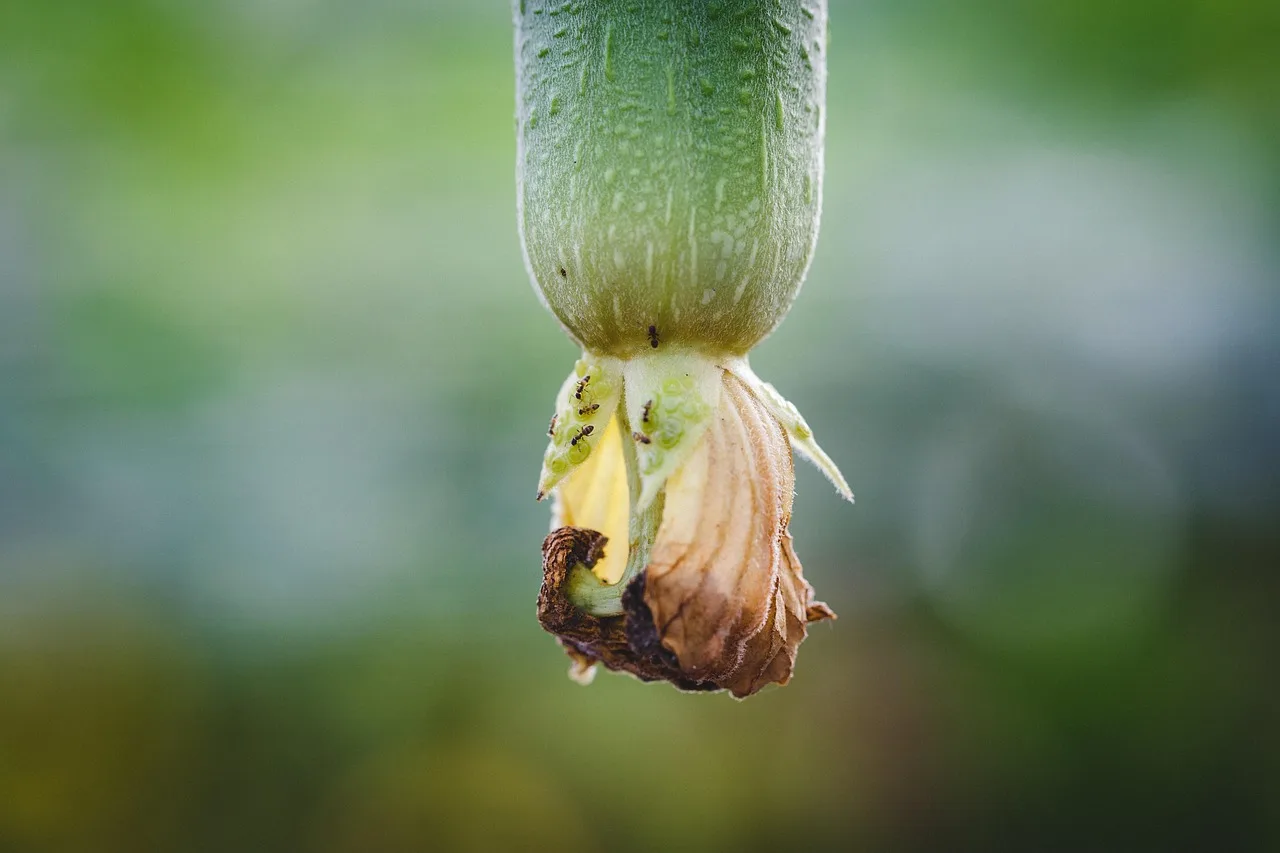
Ants in a vegetable bed are not always a problem. Some are only foraging, while others are tending aphids for honeydew or nesting where roots, irrigation lines, and harvestable stems sit close together.
That matters because the same product can be low exposure at a border and high exposure in a bed. A fast-kill spray on a path is one thing. The same spray on lettuce, basil, or tomato foliage can create residue and plant-injury concerns.
When ants are harmless foragers
Single workers moving through the bed often mean the colony is nearby, but not necessarily inside the crop row. If the plants look healthy and there is no mound, honeydew, or chewing damage, you may only need cleanup, bait placement, or barrier control.
When ants point to aphids, honeydew, or mound pressure
Ant trails up stems often point to aphids or other sap feeders. In that case, the ant problem is part of a larger pest cycle. Fire ant mounds are different again, because the colony itself can be a direct hazard in planted areas and around watering points.
Why root zones and harvestable foliage change the risk
Vegetable beds are not bare ground. Roots spread beyond the visible plant, water moves products laterally, and leaves may be harvested the same day or the next week. That is why soil contact, foliar contact, and label crop limits matter more than the word “ant” on the package.
Picture a typical raised bed with peppers and basil along the edge. A border bait station can sit outside the bed. A broadcast granular treatment inside the bed can land on soil you will later mulch, cultivate, and plant around again.
What to check on the label first
Before anything goes near a vegetable bed, read the use directions like a crop label, not a lawn label. Check whether edible crops are listed, where the product may be applied, whether it can touch soil or foliage, and whether harvest or reentry limits apply.
Edible-crop wording and site restrictions
Look for explicit wording such as vegetable gardens, edible gardens, or named crops. If the label only lists lawns, patios, foundations, or ornamental beds, do not assume it is acceptable near tomatoes or carrots. Site wording controls where the product may legally go.
Soil contact, foliar contact, and bait placement directions
Sprays are the highest direct-contact concern because they can hit leaves, stems, and soil in one pass. Baits are different: they are meant to be placed where ants travel, not where you plan to harvest. Granules sit in the middle and depend heavily on whether the label allows broadcast use near crops.
Reentry, harvest, and residue warnings
Some labels include reentry notes, harvest intervals, or directions to keep children and pets out until dust or spray settles. If there is no edible-crop instruction, that is a warning sign, not a green light. Product labels also may warn against applying to windy areas, wet foliage, or cracked ground where runoff can move the active ingredient.
Say your cucumber vines are already touching the bed edge and you see ants at the base. A border bait just outside the bed may fit the label better than a foliar spray, because the spray would place residue on a harvestable crop and on flowers that pollinators visit.
How safe are common ant killer types?
Safety depends more on formulation than on the word “ant killer.” A bait used in a crack-and-crevice pattern has a different exposure profile than a broadcast spray, even when both target ants. The active ingredient also matters because some classes carry greater pollinator or non-target risk.
Sprays versus baits versus granules
Sprays give fast knockdown, but they are the easiest way to put product on edible leaves by mistake. Baits usually lower direct exposure because workers carry the ingredient back to the colony. Granules can be useful for perimeter control, yet they are also the easiest to overapply in a garden row.
Pyrethroids and neonicotinoids
Pyrethroids are synthetic chemicals that mimic chrysanthemum-derived insecticides. They are common in fast-kill products and can create higher non-target risk around bees, ladybugs, and other beneficial insects. Neonicotinoids are systemic products with bee risk and possible plant uptake concerns, so they are a poor casual choice near food crops unless the label explicitly allows it. (Cornell)
Hydramethylnon is a common bait active ingredient used in ant control. It is often viewed as lower exposure than a broadcast spray because it is used in small bait placements, but that does not make it automatically acceptable near vegetables. The label still controls where it may go. (Wikipedia)
Boric acid, spinosad, and d-limonene
Boric acid is presented as a low-toxicity option effective against many ant species, especially in bait-style uses with very small amounts. Even so, formulation and placement matter. A bait station on a patio edge is not the same as a dust or liquid placed in soil next to roots.
Spinosad is a biological insecticide often associated with organic-oriented control, and it may appear in bait or garden-pest products. Organic-oriented does not mean universally safe for edible beds. D-limonene, also called orange oil, works as a botanical contact drench and can give fast knockdown, but it is still a contact treatment that can hit foliage and soil if used carelessly.
Diatomaceous earth and OMRI-listed products
Diatomaceous earth is a natural ant-killing option for active areas and is used as a barrier. The dust can drift, though, so keep it out of flower clusters and away from harvestable foliage. It works by physical action, not by lingering residue on the plant, which is why placement matters most.
OMRI-listed products are screened for organic production inputs, which makes them relevant for edible gardens. That status does not override the label, the crop listing, or any harvest restriction. Carrier ingredients matter too, especially in sprays and ready-to-use bait systems.
Vegetable garden safety matrix
| Active ingredient / formulation | Direct-contact risk to vegetables | Root-zone / soil risk | Pollinator / non-target risk | Use only if label explicitly allows |
|---|---|---|---|---|
| Pyrethroid spray | High | Medium to high | High | Yes |
| Neonicotinoid soil or spray product | Medium to high | High | High | Yes |
| Hydramethylnon bait | Low when placed in stations or away from foliage | Low to medium | Medium | Yes |
| Boric acid bait | Low when used in small bait placements | Low | Low to medium | Yes |
| Spinosad bait or garden product | Medium | Medium | Medium | Yes |
| D-limonene contact drench | High | Medium | Medium | Yes |
| Diatomaceous earth barrier | Low if kept off edible surfaces | Low | Low to medium | Yes |
The table is a screening tool, not a license to apply. A low-risk row can still be wrong for a specific crop, and a high-risk row can still have a narrow legal use. The label decides the final answer.
Can you use ant killer in raised beds?
Raised beds can be higher risk than border areas because the root zone is often shallow and concentrated. Product placed on top of the bed is closer to edible foliage, to irrigation water, and to the roots of seedlings that have not yet spread far.
How close is too close to roots and drip lines?
There is no single distance that fits every label. If the product is not labeled for edible crops, keep it out of the bed itself. Even when a label allows use near vegetables, keep treatment outside the drip line when possible, and avoid placing granules where watering can wash them into the root zone.
Seedlings are the most sensitive stage because their canopies are small and their root systems are shallow. Mature plants can still be exposed through runoff, splash, or drift, but a little more foliage does not make a non-labeled product acceptable.
Safer placement for baits and barriers
Place bait stations on the bed perimeter, along paths, or at structural edges where ants travel. Do not bury them under mulch in the crop row unless the label says to do so. Physical barriers belong around access points, not on edible stems or leaves.
What’s the safest way to treat fire ants near edible plants?
The safest approach is usually to target the colony with the least disruptive option that the label allows, then keep the treatment outside the crop zone. For fire ants, that often means a perimeter bait or a mound treatment placed where runoff will not move into roots, not a broad spray across the bed.
Targeting the colony instead of surface workers
Surface workers are the visible part of the problem. If you only kill them, the colony can replace them. Baits work better when the goal is colony suppression, because workers carry the toxicant back. That is why bait placement often makes more sense than a direct spray near vegetables.
When mound treatments can hit roots or soil
Mounds in raised beds are tricky because treatment can soak straight into the planting zone. That creates a residue and root-contact question at the same time. In-ground beds have more soil volume, but runoff can still move active ingredient toward feeder roots or into low spots after irrigation.
Why broadcast treatment is the least forgiving option
Broadcasting granules or dust across an edible bed gives the least control over where the product lands. It can reach pollinator flowers, bare soil, mulch, and wet leaves all at once. If the label does not explicitly allow that use, do not use it there.
Safer ways to reduce ants without spraying crops
Ant pressure often drops when food and shelter drop. That is why cleanup, moisture control, and aphid management are part of ant control, not separate chores. If the colony has little reason to stay, you may need less product.
Garden cleanup and moisture control
- Remove fallen fruit, syrupy plant sap, and plant debris that attract foragers.
- Fix leaks and overspray that keep soil damp near nests.
- Keep mulch from touching stems if ants are nesting in the crown area.
- Inspect nearby ornamentals for aphids, scales, or mealybugs that feed ants.
Physical barriers and dust-based options
Diatomaceous earth can help at thresholds, path edges, and dry cracks where ants enter. Keep the dust out of flower heads and off edible surfaces. It works best in dry conditions and as part of a perimeter plan, not as a blanket treatment over the bed.
Managing aphids and other food sources
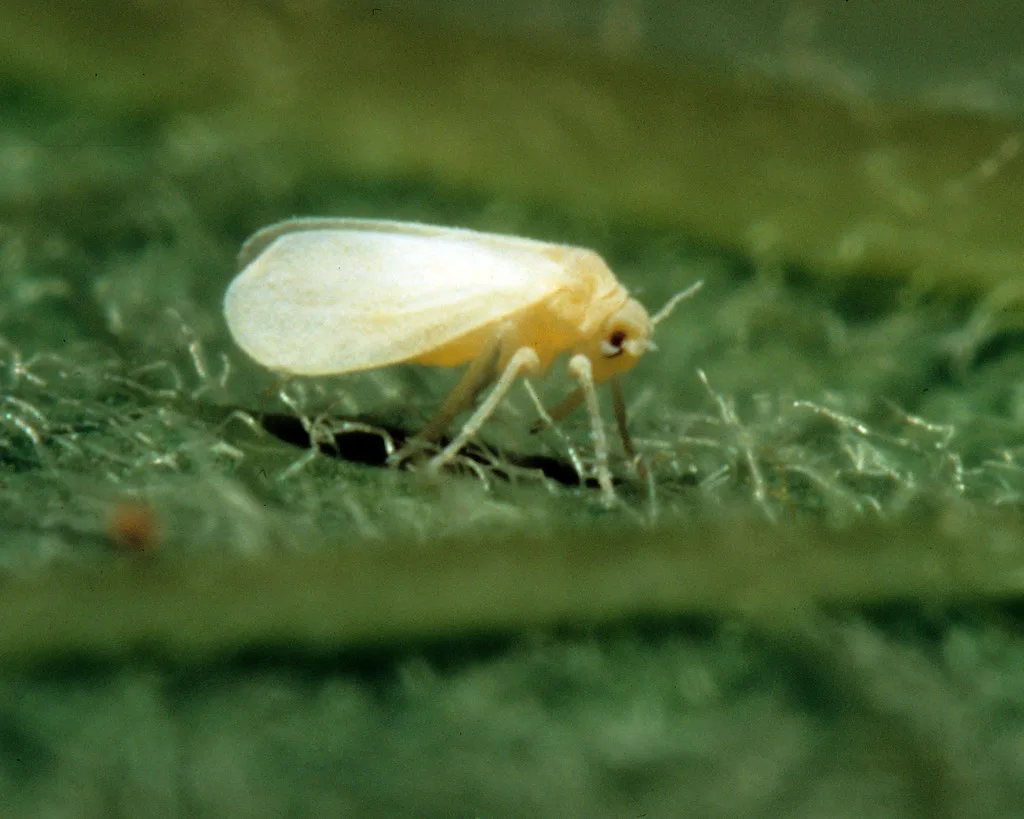
If ants are farming aphids, treat the aphids first or the ants may return. That can mean water sprays, pruning, or a crop-appropriate insecticidal soap on the infested plant, always according to the crop label. Ant control alone will not fix a honeydew source.
A common first-timer mistake is treating the ant trail on the leaves while leaving the aphids untouched on the underside. The ants come back because the food source never changed. The right fix is the source, not the worker trail.
Frequently asked questions
Is Amdro insect killer safe for vegetable gardens?
Amdro products are not interchangeable with one another, so the active ingredient and label matter more than the brand name. If the specific product is a bait and the label explicitly allows use near edible crops, it may fit a vegetable garden perimeter better than a spray. If not, keep it out.
Is Sevin insect killer safe for vegetable gardens?
Some Sevin-labeled products are garden insecticides, but that does not mean every Sevin ant product is right for vegetables. Check the exact crop listing, the application site, and any harvest interval. If the label does not name the crop or site, do not place it on or near edible foliage.
Is Terro ant killer safe for a vegetable garden?
Terro products are often bait-based, which can lower direct contact risk compared with sprays. That still does not make them automatically safe for every vegetable bed. Use only the specific formulation and placement the label allows, and keep bait away from harvestable leaves and soil you will disturb.
Is Ortho fire ant killer safe for a vegetable garden?
Ortho fire ant products vary widely, from granules to mound treatments, and their safety depends on the exact active ingredient. Some formulations carry stronger non-target risk and tighter placement limits. For edible beds, only use one if the label explicitly permits that crop and that site.
Can I use ant killer in my vegetable garden?
Sometimes, but only when the label allows edible-crop use and the formulation fits the site. Baits outside the bed are often lower risk than sprays on foliage or granules broadcast through the root zone. If the product is not labeled for vegetables, treat the answer as no.
Does ant killer harm vegetables?
It can, depending on the active ingredient, formulation, and where it lands. The main concerns are residue on edible parts, soil movement into the root zone, and plant injury from contact sprays or solvents. A product may be legal for ants and still be a poor choice for food crops.
What ant killer is safe for vegetable gardens?
No ant killer is universally safe for vegetable gardens. The safer picks are the ones with explicit edible-crop labeling, narrow placement directions, and lower exposure formats such as perimeter baits or barriers. OMRI-listed status can help narrow the field, but it does not replace the label.