Are Slug Baits Safe for Vegetable Gardens?
Iron phosphate slug bait is the safer standard for vegetable gardens when you use the labeled rate, keep pellets off edible leaves, and reapply after heavy rain. Metaldehyde bait should be avoided around food crops, pets, and wildlife. Used badly, slug bait can contaminate harvests, poison dogs or wildlife, and fail in wet weather. This guide explains which products are acceptable, when to use them, and when non-chemical controls are the better call.
This guide is part of our Garden safety concerns: what is safe to use series.
Are slug baits safe for vegetable gardens?

- Contains iron phosphate, a standard for vegetable gardens.
- Labeled for use around pets and wildlife.
- Kills slugs and snails within days of ingestion.
Yes, some slug baits can be used in vegetable gardens, but safety depends on the active ingredient, where you place the pellets, and who can reach them. Safe for plants is not the same as safe around food. A bait can be garden-labeled and still become a problem if it lands on leaves, gets buried in soil you harvest, or stays exposed to children, pets, or wildlife.
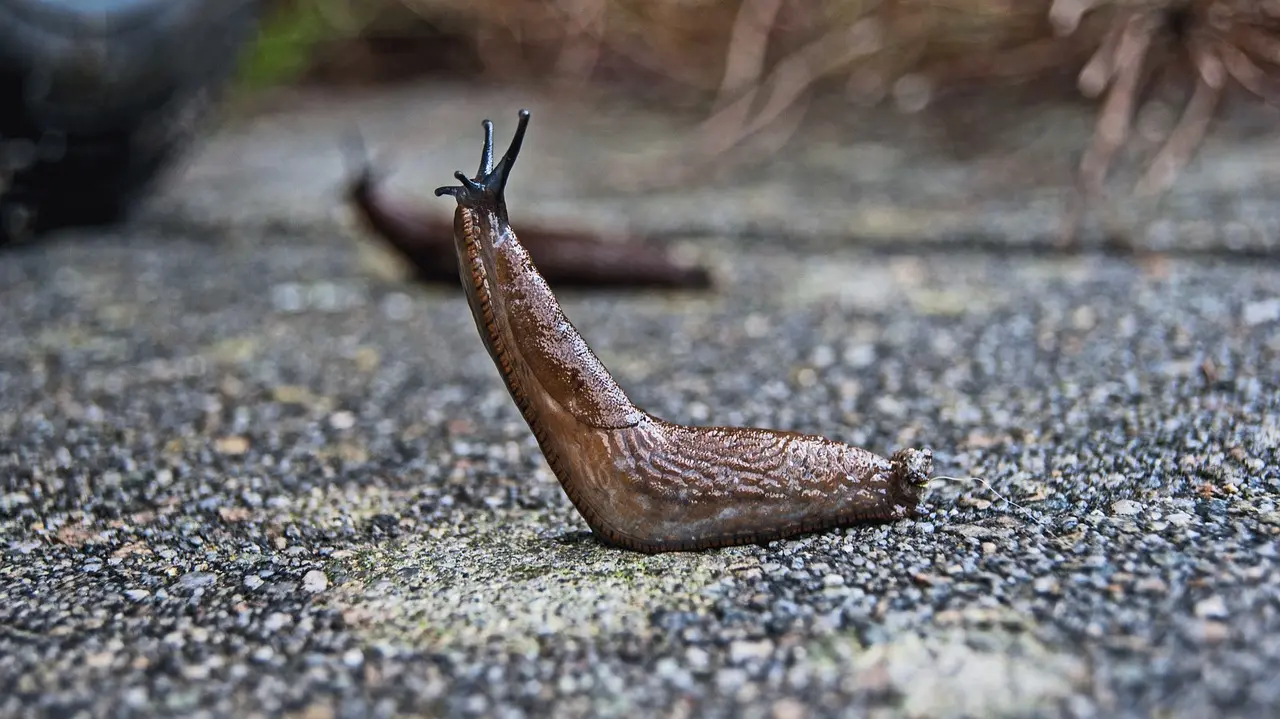
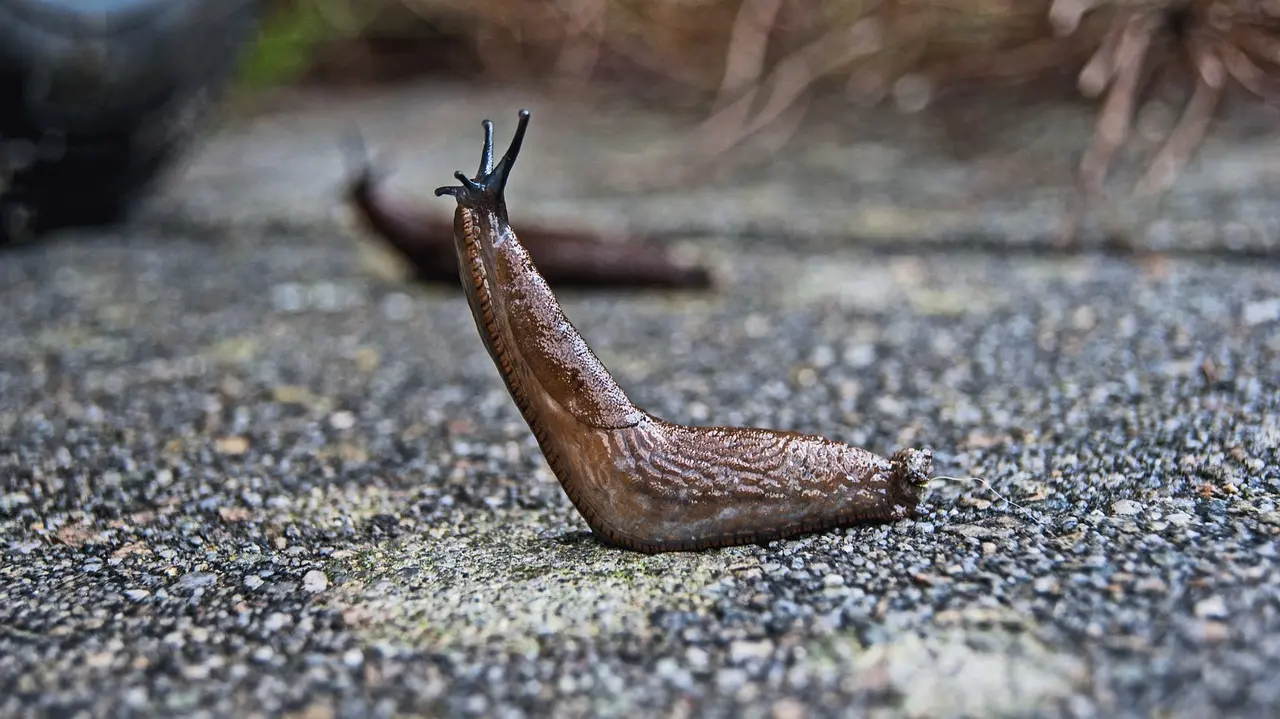
Slugs and snails are soft-bodied mollusks, not insects. They hit vegetable seedlings and young transplants hardest, where a single night of chewing can wipe out tender leaves and stems. The gray garden slug is a common garden pest in agricultural settings, and some garden slugs can live up to 12 months.
They are slow, but not harmless. Slugs move at a top speed of less than 0.03 miles per hour, yet gray field slugs can travel up to 40 feet in a single night. Their body is around 80% to 90% water, and each slug has four tentacles used for seeing, smelling, tasting, and touching.
How slugs damage seedlings
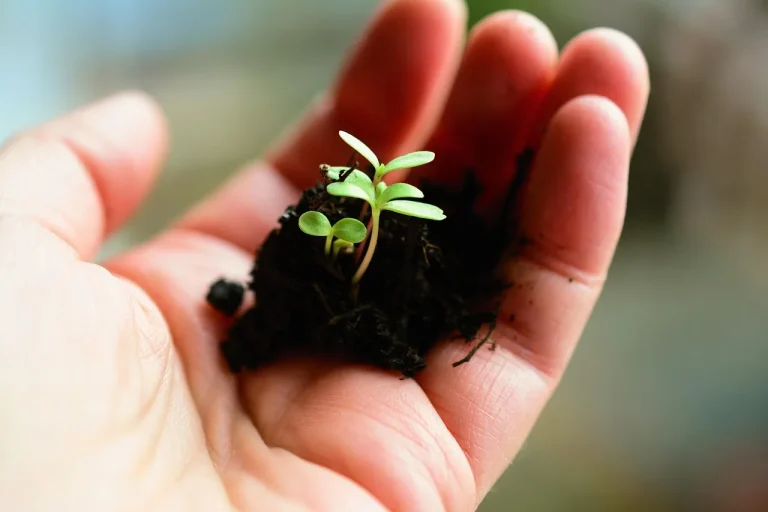
Seedlings are the most vulnerable growth stage in a vegetable bed. Slugs can shred cotyledons, clip stems, and leave young transplants with almost no leaf surface left to grow. They especially target broad, delicate vegetables like beans, lettuce, cabbage, bok choy, and tomatoes.
Damage is easiest to spot in the morning from slime trails and ragged leaf edges. Slug and snail damage often appears overnight, because activity rises in cool, damp conditions and often peaks after dark. Slug populations grow rapidly in cool and moist conditions, which is why wet weather usually brings a sudden spike in feeding.
Why cool, damp weather brings them out
Slug bodies lose water quickly, so moist conditions help them move and feed. That is why they hide through the day and come out at night, after irrigation, after rain, or under dense mulch and debris. A garden with boards on the ground, weeds, and tall grass creates more cover and more feeding time.
Picture a tray of lettuce starts set out on a wet evening. By morning, the outer leaves may be shredded and silvered, while the nearby soil shows a trail. That is the point where bait can make sense, but only if the product choice and placement fit the garden.
Which slug bait is safest for vegetable gardens?
Iron phosphate is often considered the standard safer slug bait option for many vegetable gardens. It acts by disrupting slug feeding, so slugs stop eating within hours and die later from that disruption. It is commonly accepted in organic garden guidance and is generally safer for mammals and pets than metaldehyde.
Metaldehyde slug pellets are older chemistry and may carry greater safety concern. They are not the preferred choice in natural gardening guidance, especially where children, pets, birds, frogs, toads, beetles, or hedgehogs may contact the bait. If you are choosing between the two, iron phosphate is the clearer default for edible beds.
Why metaldehyde pellets raise more concern
Metaldehyde-style products can still be sold for garden use, but “garden-safe” does not mean equally safe for every setting. The risk rises when pellets are scattered where a dog can reach them, when wildlife can eat exposed bait, or when bait is left on the surface near harvestable crops. That is why many gardeners skip it entirely.
Iron phosphate is not harmless. It still needs careful placement, a sensible application rate, and a plan for wet weather. The safety question is not “Does the package say garden?” It is “Can the product stay where slugs travel and stay away from people, pets, and edible leaves?”
Organic vegetable garden use
An organic vegetable garden usually favors iron phosphate because it fits many organic standards and is less disruptive than metaldehyde. That said, organic compatibility does not remove the need for placement discipline. A pellet on a lettuce leaf is still a contamination mistake, no matter what the label says.
| Active ingredient | Organic compatibility | Child/pet risk | Rain tolerance | Best-use scenario | Avoid if |
|---|---|---|---|---|---|
| Iron phosphate | Commonly accepted in organic guidance | Lower than metaldehyde, but not zero if misused | Needs reapplication after heavy rain | Vegetable beds with active slug travel, especially around seedlings | Pellets would land on foliage, be reachable by children or pets, or sit in standing water |
| Metaldehyde | Not preferred for organic gardens | Higher safety concern | Can lose usefulness in wet weather | Only where a label specifically allows use and exposure can be tightly controlled | You want the safer default around food crops, pets, or wildlife |
Slug bait decision checklist
Use this checklist to decide whether bait belongs in the bed. The key is not whether the product sits on a store shelf. The key is whether the active ingredient fits your risk level, whether rain will wash it out, and whether you can keep it away from harvestable leaves and reachable surfaces.
- Active ingredient: Choose iron phosphate first. Skip metaldehyde if you want the commonly preferred safer option around vegetables.
- Organic compatibility: Use iron phosphate when you are following organic garden guidance and the label supports that use.
- Child/pet risk: Favor the option that reduces harm if pellets are accidentally reached, tracked, or eaten.
- Rain tolerance: Expect heavy rain to reduce effectiveness; plan to reapply after heavy rain.
- Placement control: Use bait only if you can keep it near slug activity and off edible foliage.
- Wildlife exposure: Do not leave bait where birds, frogs, toads, beetles, or hedgehogs can contact it.
How do I use slug bait without contaminating crops?
Place pellets near plant bases or along visible slug paths, not on leaves and not in piles. Evening use usually works better because slugs feed at night and in damp conditions. Keep bait where the slugs travel, and where you can still reach the bed without brushing pellets into harvest areas.
If you irrigate, bait before watering lightly or after the soil surface has dried enough for the pellets to stay visible and separate. Heavy rain can reduce bait effectiveness and may require reapplication. That matters in vegetable beds, where a washed-out bait loses both control and consistency.
- Clear the bed of boards, weeds, tall grass, and loose debris that give slugs cover.
- Look for slime trails and leaf damage in the evening or early morning.
- Scatter iron phosphate pellets thinly near the plant base or along travel paths.
- Keep pellets off edible leaves, stems you plan to harvest, and any surface kids or pets can reach.
- Check after heavy rain and reapply only where the bait was washed away or broken down.
A common first-timer mistake is piling pellets thickly around a plant crown. That does not improve control. It increases the chance of bait contacting foliage, getting splashed into harvest zones, or sitting in damp clumps where it is easier to miss and easier for non-target animals to find.
Another mistake is baiting before transplanting and then watering heavily. The pellets can move, dissolve, or end up where they no longer intercept slug travel. If seedlings are already under attack, bait placement should be paired with cleanup and barriers, not used as a stand-alone fix.
What works besides bait?
Non-chemical control is the better choice when slug pressure is light, when children or pets have easy access, or when rain makes bait unreliable. Hand-picking, traps, boards, barriers, and habitat cleanup can reduce pressure without adding pellet risk. In a small bed, those methods may do enough on their own.
Boards and traps give slugs a place to hide, which makes them easier to remove. Barriers can slow access to seedlings. Removing debris, weeds, and tall grass cuts daytime shelter. These methods matter most before slugs establish in the bed, because prevention is easier than recovery after seedlings are shredded.
When bait is worth it
Bait makes sense when you see active slug feeding, the bed contains vulnerable seedlings, and you can keep the bait off the crop itself. It is most useful during damp spells, around newly transplanted brassicas or lettuce, and in beds where hand-picking alone will not keep up with nightly damage.
Suppose a 4-foot by 8-foot raised bed has fresh lettuce transplants and visible slime trails after rain. If you can place iron phosphate pellets near the paths and keep them away from leaves, bait is reasonable. If pets patrol the bed edge or rain is forecast every day, habitat cleanup and barriers may be the safer first move.
When to skip bait entirely
Skip bait if you can still control slugs by removing cover, hand-picking after dark, and using physical barriers around the most vulnerable plants. Skip it too if you cannot keep pellets away from children, pets, or wildlife. In those cases, the exposure risk is higher than the payoff from a few pellets.
That rule also applies in beds where slugs are present but damage is minor. If the plants are established and the feeding is limited, non-chemical methods often do enough. Save bait for the times when slug pressure is active and the crop is actually at risk.
Frequently asked questions
Is iron phosphate safe around vegetables, pets, and children?
It is generally the safer bait option, but safety still depends on exposure. Keep pellets off leaves and out of reach, and do not place them where children or pets can pick them up. The main risk comes from misplacement, not from the crop being a vegetable bed.
Are metaldehyde slug pellets safe to use in a vegetable garden?
They are not the preferred option for vegetable gardens. Metaldehyde carries higher safety concern than iron phosphate, especially around children, pets, and beneficial wildlife. If you can choose iron phosphate or non-chemical controls instead, that is the better path for edible beds.
How do I use slug bait without contaminating my vegetables?
Put pellets near the base of plants or along visible slug paths, not on foliage and not in clumps. Use them in the evening if possible, since slugs are active at night and in damp conditions. Check after heavy rain and reapply only where the bait has been washed away.
How do I control slugs in a vegetable garden without chemicals?
Use hand-picking, traps, boards, barriers, and habitat cleanup. Remove debris, weeds, and tall grass so slugs have fewer hiding places. For light pressure or in beds with pets and frequent foot traffic, these methods can be enough without adding bait to the soil surface.