Is Perlite Dust Harmful to Plants or Gardeners Today?
Perlite dust is usually a handling nuisance for gardeners, not a poison for plants or people. It can still sting eyes and set off coughing, especially for anyone with asthma, eye sensitivity, or a long session of dry mixing. I treat it like any fine mineral dust, keep it down, and wear a mask and eye protection when the job throws powder into the air. This guide explains when perlite dust matters, which plants and people need precautions, and how to handle it with less mess.
This guide is part of our Garden safety concerns: what is safe to use series.
What perlite dust is, and what it is not

Perlite is expanded volcanic glass, an amorphous material with high water content that is heated to about 1,600°F (871°C). It expands to 7–16 times its original volume and becomes the white, porous material gardeners mix into soil. The dust is the fine airborne residue from dry handling, not a sign that the product is toxic. (en.wikipedia.org)
That difference matters. Horticultural perlite is generally described as non-toxic, clean, sterile, and disease-free, and it is used as a soil conditioner in horticulture. The concern is ordinary nuisance dust: the particles can float, settle on surfaces, and irritate eyes and lungs during pouring, mixing, or cleanup.
According to Perlite – Wikipedia — Typical expanded perlite bulk density is about 30–150 kg/m3. (source)
Is perlite dust harmful to gardeners?
For most gardeners, perlite dust is a handling nuisance rather than a serious hazard. It can irritate the eyes and lungs, especially when dry perlite is poured indoors or mixed in large volumes. People with asthma, allergies, chronic bronchitis, or other respiratory conditions should be more cautious because short-term irritation can become more noticeable.
Who needs the most caution
Gardeners doing frequent indoor potting, seed starting, or large batch mixing face the most dust exposure. So do people working in still air, unventilated garages, or greenhouses with doors shut. If a person already reacts to dust, a simple plume from a bag of perlite can be enough to trigger coughing, throat irritation, or shortness of breath.
Pre-wetting cuts a lot of dust, but it will not tame every dry task. When the work makes a visible cloud, I use a dust mask and eye protection. That matters most for repeated jobs, not one quick pour.
Does perlite dust hurt plants?
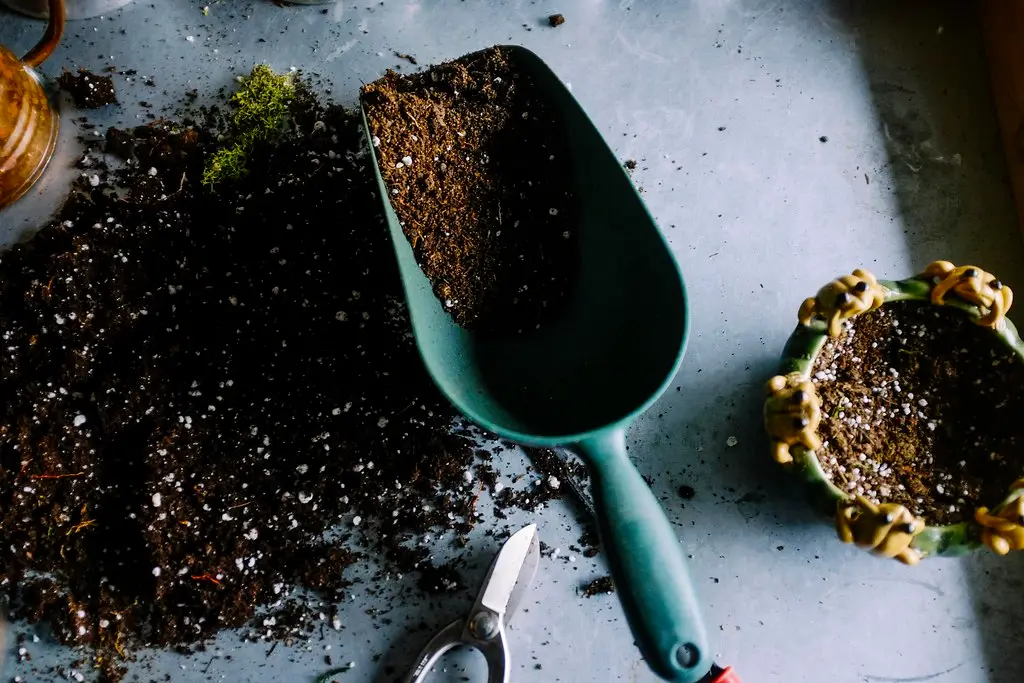
Perlite dust usually does not hurt plants in normal garden use. The particles are inert, so they do not feed plants, burn roots, or act like a chemical toxin. Most of the time, the dust is a cosmetic or cleanup issue, not a plant-damage issue.
When fine dust becomes a nuisance
Very fine dust can coat the top of seed trays, block a little light on the surface, or make a potting bench messy. In a tray of seed-starting mix, a heavy dust layer can crust slightly after watering. That is inconvenient, but it is not the same as poisoning the seedlings.
The only plant-safety question worth watching more closely is trace fluoride. Robert Pavlis notes a safe fluoride level of 1 ppm for plants, and sensitivity varies by species. That is a caution point for fluoride-sensitive crops, not a common reason to avoid perlite in ordinary mixes.
Which perlite grade makes the most dust?
In many cases, finer perlite tends to create more dust, medium perlite is somewhere in the middle, and coarser perlite often seems less dusty. Particle size affects both handling and use. Smaller particles move into the air more easily, while larger particles stay put and are better for mixes that need more structure.
| Perlite grade | Dust risk | Best use | Handling note |
|---|---|---|---|
| Fine | High | Seed starting, cuttings, small containers | Pre-wet; mask and eye protection are smart indoors |
| Medium | Moderate | General potting mix, soilless mix | Usually manageable with wetting and ventilation |
| Coarse | Lower | Raised beds, drainage-heavy mixes, larger pots | Good choice when dust control matters most |
How to choose a grade
For seed starting, medium to fine grades are common because they blend well with peat moss or other media in a soilless mix. For raised beds and larger containers, coarse perlite often gives the drainage and aeration people want with less airborne dust. If dust is the main concern, start with the coarsest grade that still fits the crop.
How to handle perlite with less dust
The easiest way to cut dust is to wet the perlite before it gets tossed around. A light pre-wetting can be enough for low-dust tasks, especially when the material is being folded into moist potting mix. Dry handling is what creates the biggest dust plume.
When a mask and eye protection make sense
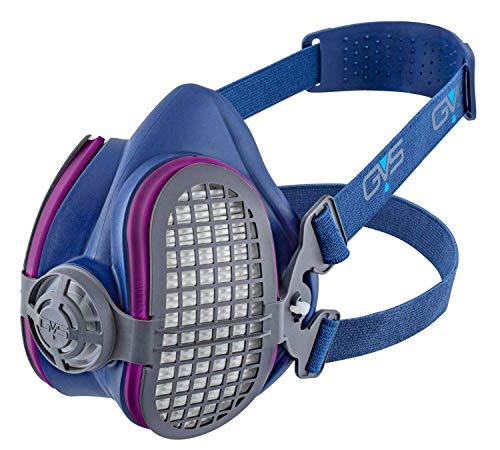
A dust mask is sensible when dry pouring, emptying bags, or mixing larger amounts indoors. Eye protection matters when dust is visible or when the work involves dumping from above. If the task is outdoors, breezy, and lightly dampened, wetting alone may be enough for many gardeners.
Why ventilation matters indoors
Ventilation helps keep airborne particles from hanging around your face and work surface. A garage door open, a fan moving air away from the work area, or simply potting outside can reduce exposure. If the job makes you cough while you work, the setup needs better control.
- Open the bag outside or in moving air.
- Lightly mist the perlite before pouring if the task is dry and dusty.
- Mix it into damp media instead of dumping it into a dry tub.
- Wear a dust mask for indoor dry handling or repeated work.
- Use eye protection if the material is falling from a height or blowing back.
- Vacuum or wipe residue after the mix is done.
Perlite dust handling checklist by use case
Different jobs create different exposure levels. Seed starting and indoor repotting usually need the most caution. Outdoor raised-bed work is easier to control. Hydroponics sits somewhere in the middle because the setup is often tidy, but the handling can still be dusty when bags are opened and measured.
| Use case | Dust risk | Best practice | Extra PPE? |
|---|---|---|---|
| Seed starting and propagation | High | Pre-wet, mix in a soilless mix, keep work area damp | Mask and eye protection recommended if dry handling |
| Repotting indoors | High | Open bags outside, use a tray, dampen before mixing | Mask and eye protection are prudent |
| Raised beds and outdoor soil mixing | Low to moderate | Mix on a calm day, moisten as you go, use coarse grade if possible | Mask usually optional unless the mix is very dry |
| Hydroponics and specialty setups | Moderate | Rinse or pre-wet before loading pots or channels | Mask helpful for dry measuring; eye protection if dusty |
Seed starting and propagation
These jobs often use a soilless mix with perlite plus peat moss or another growing medium, and that blend can get dusty when measured dry. Because the material ends up near seedlings and small trays, it is worth dampening before mixing. Fine perlite is common here, but it also needs the most dust control.
Repotting indoors
Indoor repotting is one of the dustiest situations because the particles accumulate on counters, floors, and nearby leaves. If the mix is dry, pre-wet the perlite and work in a tray or tub. This is the clearest case for a mask, because the exposure is close to the face and repeated.
Raised beds and outdoor soil mixing
Raised beds are usually easier on both plants and people. Wind helps move dust away, and coarse perlite is often a better fit here. If the soil is already moist, the dust risk drops sharply. For a calm day and a damp mix, wetting alone is often enough.
Hydroponics and specialty setups
Hydroponic users may handle perlite in containers, net pots, or large bags. The particles themselves are not the issue; the dry transfer is. Rinsing or pre-wetting before loading reduces dust and also clears loose fines that can otherwise drift into the work area.
Can perlite dust hurt your lungs or eyes?
Yes, it can irritate both, but that is irritation, not toxicity. The Almanac notes that perlite dust can irritate lungs and eyes, and Perlite.com classifies it as nuisance dust. That means the main concern is temporary discomfort such as coughing, watery eyes, or a scratchy throat after dry handling.
What to do if exposure happens
Step away from the dust source, rinse eyes with clean water if needed, and move to fresh air if coughing starts. Symptoms that linger or feel severe deserve medical attention, especially for anyone with asthma or another respiratory condition. The practical goal is prevention, not panic.
Is perlite toxic to humans or pets?
Horticultural perlite is generally not considered toxic to humans or pets in normal garden use. It is an inert material used for drainage and aeration, and the main issue is dust. Pets may track it around or sniff it, but that is a mess problem rather than a poisoning issue.
Keep bags sealed and stored where children and animals cannot play in the loose material. A spilled scoop of dry perlite can be scattered quickly by paws or shoes, which turns a small cleanup into a bigger one.
How do you reduce dust when mixing perlite into soil?
Reduce dust by wetting the perlite before you pour it, mixing it into already moist media, and keeping the work area well ventilated. For bigger jobs or indoor work, a dust mask and eye protection are wise. Switching from fine to medium or coarse perlite also lowers the dust load.
Cleanup after spills
For homes, greenhouses, and patios, the best cleanup is gentle. Sweep lightly only if the area is damp; otherwise, use a vacuum with a filter or wipe with a damp cloth so the dust does not lift back into the air. Do not blast it with dry sweeping or compressed air.
If the spill happened on a patio, a light mist from a hose or sprayer settles the dust fast. In a greenhouse, wipe benches and trays before the particles move into the next planting batch.
Is perlite safe for organic gardening?
Yes, perlite is generally considered safe for organic gardening when it is used as a physical soil amendment. It does not feed plants, but it helps with drainage and aeration in a soilless mix or container blend. That makes it useful for cuttings, seed starting, and any mix that compacts too easily.
The organic question is usually about inputs and function. Perlite is not a fertilizer. It is a mineral amendment that changes the texture of the mix, and that is why gardeners reach for it when roots need air and water needs to move through more freely.
Can perlite affect soil chemistry or fluoride-sensitive plants?
Perlite is usually stable in the root zone, but there is a small fluoride concern for sensitive plants. Pavlis notes a safe fluoride level of 1 ppm for plants, so the issue is more relevant for fluoride-sensitive species than for average houseplants or vegetables. For most gardeners, this is a narrow edge case.
If a crop is known to react poorly to fluoride, use a conservative approach: choose a clean product, avoid overloading the mix with fine dust, and monitor the plant rather than assuming damage. Most container and seed-starting situations do not turn fluoride into a routine problem.
What is the difference between perlite dust and perlite itself?
Perlite itself is the expanded white particle used in the potting mix. Perlite dust is the loose, airborne fine material that comes off the particles during handling. The plant and health questions are mostly about the dust cloud, not the expanded pieces once they are mixed into soil.
That difference explains why the same product can be both useful and annoying. The particles improve drainage and aeration. The dust can irritate eyes and lungs if you dry-pour it carelessly. Handling, not the material itself, is usually the problem.
Frequently asked questions
Is perlite dust harmful to plants or gardeners?
Perlite dust is usually a handling nuisance, not a plant poison or a major human toxin. For gardeners, the main effects are eye irritation and coughing when the material is dry and airborne. For plants, the dust is generally harmless, though it can make a mess on leaves, trays, and benches.
Do you need a mask when handling perlite?
A mask is not mandatory for every job, but it is smart for dry indoor handling, repeated potting, or any task that throws visible dust into the air. If the perlite is pre-wet and mixed outdoors in light air movement, many gardeners can work without a mask and still keep exposure low.
Can perlite dust hurt your lungs or eyes?
Yes, it can irritate both, especially during dry pouring or mixing. The irritation is usually temporary and fits the nuisance-dust label, not a toxic exposure pattern. People with asthma, allergies, or other respiratory conditions should be more careful because even short exposure can feel more intense.
Does perlite dust affect plant growth?
Usually no. Perlite is inert, so it does not feed roots or poison seedlings. In heavy amounts, fine dust can make the surface look dirty or crust slightly after watering, but that is a handling and appearance issue rather than a clear growth problem for most plants.
Is perlite safe for organic gardening?
Yes, perlite is generally treated as safe for organic gardening when used as a physical amendment in soil or soilless mix. It improves drainage and aeration, but it does not supply nutrients. The organic value comes from function in the mix, not from any fertilizer effect.
What is the difference between perlite dust and perlite itself?
Perlite itself is the expanded volcanic glass used in the mix, while perlite dust is the fine airborne residue released during dry handling. The particles are what gardeners want. The dust is what gets into eyes, lungs, and work surfaces if the material is poured too quickly or without wetting.