Is Perlite Safe for Vegetable Gardens? Uses, Risks, Tips
Perlite is generally safe for vegetable gardens when you use horticultural-grade material, wet the dust, and keep surface use to a moderate share of the mix. Used badly, it can irritate lungs, float out of beds, and waste money if your soil already drains well. I use it where roots sit wet too long, in beds, raised beds, containers, and seed starting, and I choose compost, pine bark, or sand when structure is not the problem.
This guide is part of our Garden safety concerns: what is safe to use series.
Is perlite safe for vegetable gardens?
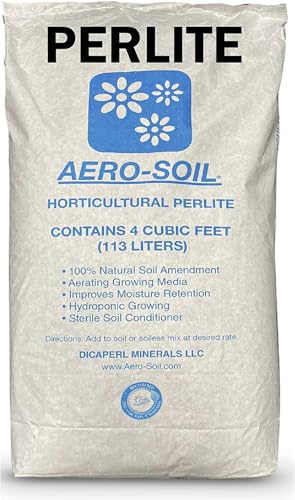

Yes. Horticultural perlite is expanded volcanic glass, and it is generally non-toxic, sterile, and clean for garden use. It does not feed plants, but it can improve drainage and aeration. Dry perlite can irritate eyes and lungs, so basic protection makes sense during handling.
What horticultural perlite is
Perlite starts as amorphous volcanic glass with relatively high water content. When heated to about 850–900 °C, it expands into white, lightweight, porous granules that can increase to 7–16 times their original volume. In horticulture, that expanded material is used as a soil conditioner.
Typical expanded perlite has a bulk density of about 30–150 kg/m3. That low density is why it feels so light in the bag and why it can shift in windy or very dry surface conditions.
Why it is generally safe for people and plants
Expanded perlite is described as non-toxic and clean, and it is certified for use in organic gardens. It is also sterile and disease-free, which makes it useful in propagation and seed starting. For vegetable gardeners, that means little disease risk from the material itself.
It also has a neutral pH, so it usually does not move garden soil far in either direction. Perlite contains no meaningful nutrient value, so treat it as a structure amendment, not a fertilizer.
What it does not do in soil
Perlite does not add organic matter, water-holding humus, or plant food. It will not fix a poor bed by itself. In a dry, sandy bed, too much perlite can make moisture balance worse. In a dense clay bed, the same material can help if it is mixed through the root zone.
According to Perlite – Wikipedia — Perlite softens at 850–900 °C before expansion.
How perlite helps vegetable beds and containers
Perlite helps most when the root zone stays wet too long or gets packed down. It opens air space around roots, which supports drainage and root function. That is useful in raised beds, container mixes, and compacted garden soil where vegetables stall from too little oxygen.
Improving drainage in wet soil
In heavy soils, water can sit around roots after rain or irrigation. Perlite creates pore space that lets excess water move through faster. That helps crops that dislike soggy roots, especially in beds that hold water after storms.
Adding air space around roots
Roots need oxygen as much as moisture. Perlite adds that air space in potting soil and mixed beds. It is especially common in container gardens and propagation mixes, where root health depends on a loose, airy medium.
Reducing compaction in mixed beds
Raised beds often benefit because perlite helps reduce compaction from repeated watering and planting. It does not replace compost, but it can keep a bed looser for longer. That matters in vegetable gardens where roots need to push through soil quickly.
When to use perlite, and when to skip it
Use perlite when your soil holds too much water, compacts easily, or needs more air around roots. Skip it when the bed already drains well, when the soil is naturally sandy, or when the main problem is low fertility rather than structure. Match the amendment to the real problem.
Heavy clay beds
Clay soil is the best candidate for perlite in the ground. It can help open compacted soil and improve drainage, especially in the top 6 to 12 inches where most vegetable roots live. Mix it into the full root zone, not just the surface.
Raised beds
Raised beds often respond well because they are easy to blend and do not sit in the native subsoil. Perlite can reduce compaction and keep the bed airy through a wet season. It is useful when the bed is built from topsoil and compost that still feels dense.
Sandy soil
Sandy beds usually do not need perlite. They already drain quickly, and adding more pore space can make them dry out too fast in hot or windy weather. Compost, leaf mold, or another water-holding amendment is usually the better fix.
Container mixes and potting soil
Containers are a common place to use perlite because drainage problems show up fast in pots. Commercial potting mixes often contain perlite for airflow and drainage. It also works in propagation trays, where a lighter mix supports roots without staying waterlogged.
Perlite decision table for vegetable gardeners
| Soil type or setup | Use perlite? | Good rate or depth | When not to use it | What to use instead |
|---|---|---|---|---|
| Heavy clay bed | Yes | Mix 10–20% into the top 6–12 inches | If the bed already drains freely | Compost, pine bark, broadforking |
| Raised vegetable bed | Yes | Blend 10–30% into the fill mix | If the mix is already loose and airy | Compost or screened topsoil |
| Sandy soil | Usually no | Skip or use only in a small test area | When moisture dries too quickly already | Compost, leaf mold, coco coir |
| Container mix | Yes | Use about 10–30% of the total mix | If the potting mix is already very airy | Peat-free potting mix, bark, coir |
| Seed starting | Yes | Light layer or blend into a fine mix | For heavy seedlings that need more moisture retention | Fine seed-starting mix, vermiculite |
Which perlite grade should you buy?
For vegetables, grade choice depends on moisture and root size. Fine perlite works in seed-starting mixes and small-root propagation. Medium perlite fits general vegetable potting mixes. Coarse perlite has the highest air porosity and suits high-drainage uses where roots must not sit wet.
Fine perlite for seed starting and small roots
Fine perlite blends more evenly in small-cell trays and rooting mixes. It helps prevent damping off by keeping the surface and root zone less soggy. Use it where seedlings need moisture but not a dense, wet medium.
Medium perlite for general vegetable mixes
Medium perlite is the best all-purpose choice for most vegetable gardeners. It mixes well in container soil, propagation trays, and raised-bed fill. It usually gives enough drainage without making the mix too dry too quickly.
Coarse perlite for high-drainage needs
Coarse perlite fits beds or pots that need more air space. It holds less water than fine perlite, so it is useful in humid climates, fast-growing container crops, and mixes that must drain quickly. It can also be more visible at the surface.
How much perlite should I mix into vegetable soil?
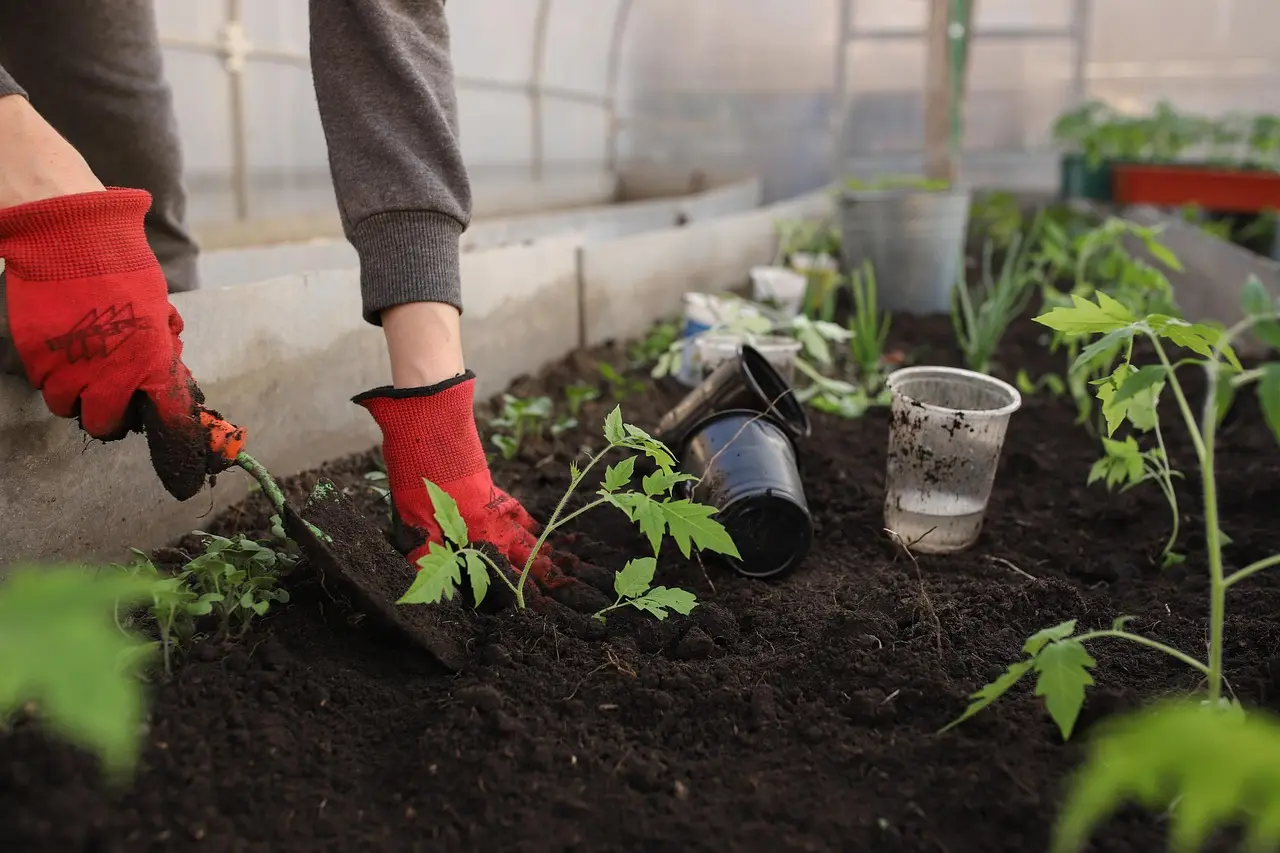
For most vegetable uses, start with 10–30% perlite by volume, then adjust for drainage and climate. Beds with clay can use less if compost is also added. Containers and propagation mixes can use more, but sandy beds usually need little or none at all.
Typical mixing ratios for beds and containers
For raised beds, 10–20% is often enough to improve air space without drying the bed too fast. For container soil, 10–30% is common in potting blends. For seed starting, use a finer mix and keep the blend light rather than gritty.
How deep to mix it in
In garden beds, mix perlite into the upper layer where vegetable roots do most of their work. Surface-only applications do little. In containers, blend it evenly through the whole potting mix so water movement stays consistent from top to bottom.
Signs you used too much
If the mix dries hard, waters through too fast, or blows around in dry weather, there is probably too much perlite for the site. In hot or windy conditions, that problem shows up faster. Add compost or another moisture-holding amendment next time.
Dust, floating, and other handling issues
Perlite is safe, but dry dust can irritate eyes and lungs. Wetting it lightly before mixing helps control dust. It can also float or migrate toward the surface in very loose beds, so blend it well and use a particle size that matches the job.
Eye and lung irritation
Dry perlite produces fine dust when poured or mixed. A simple mask and eye protection are sensible when handling bags or blending large amounts. Opening the bag slowly and dampening the material before use reduces the airborne dust.
Why perlite can float or migrate in beds
Because it is so light, perlite can move upward with watering, mulching, or wind at the surface. That matters more in containers and newly prepared beds. Mixing it deeply and covering the surface with compost or mulch helps keep it in place.
Perlite vs vermiculite
Perlite and vermiculite are not interchangeable. Perlite is the better choice when drainage and air space matter most. Vermiculite holds more water, so it fits seed starting and mixes that need moisture retention rather than extra drainage.
Frequently asked questions
Is perlite safe for vegetable gardens?
Yes. Horticultural perlite is generally non-toxic, sterile, and safe for vegetable gardens when handled properly. The main risk is dust irritation during mixing. Use horticultural-grade material, wet it lightly before use, and choose it only when your soil needs more drainage or air space.
Is perlite good for vegetable gardens?
It is good in the right place. Perlite helps wet clay, compacted raised beds, container mixes, and propagation trays. It is usually a poor fit for sandy soil or beds that already drain quickly. Match the amendment to the actual soil problem.
Is perlite good for raised vegetable beds?
Yes, often. Raised beds benefit from improved drainage and less compaction, and perlite can help both. It works best when mixed through the full root zone, not sprinkled on top. If the bed already feels loose and drains well, compost may be the better choice.
Is perlite safe for growing vegetables?
Yes. Perlite does not add toxins, and it does not feed plants or alter crops in a harmful way. It is neutral to slightly alkaline and usually does not move soil pH much. The main care point is avoiding inhaled dust during handling.
How much perlite should I mix into vegetable garden soil?
A practical starting point is to use a modest amount in clay or raised beds, and a somewhat higher amount in container mixes. Mix it into the top 6–12 inches of garden soil. If the bed already drains well, reduce the amount or skip it entirely.
Should I use coarse, medium, or fine perlite for vegetables?
Fine perlite suits seed starting and small roots. Medium perlite is the best general choice for vegetable mixes. Coarse perlite gives the most air space and fits high-drainage needs. If the mix dries too quickly, move down one grade.