Why Cactus Plants Store Water So Well
Cactus plants store water because thick stem tissue holds it, night-opening pores cut daytime loss, and a waxy body with little exposed surface slows evaporation. Skip that biology, and wet soil plus weak drainage can suffocate roots and trigger rot fast. This guide explains the storage tissue, nighttime gas exchange, and low-loss surface design that let cacti survive drought, plus what those traits mean for care.
Stem tissue balances water storage with photosynthesis
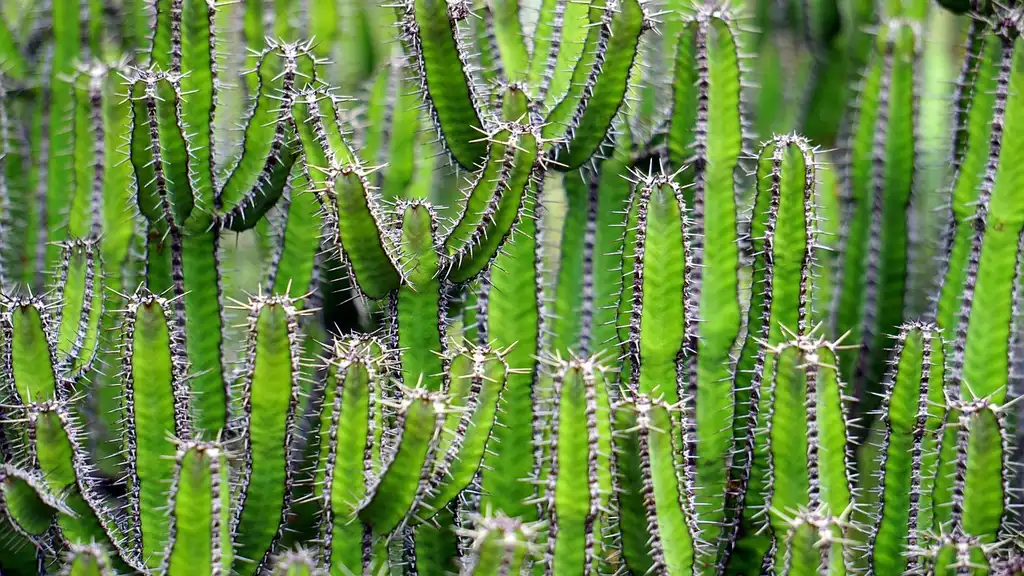
Cacti store water to survive long dry spells, not to avoid watering forever. Their stems act as reservoirs, their roots grab brief rain fast, and their surface is built to lose less moisture. That system helps them cope with hot, dry, sunny conditions, but it still depends on occasional moisture, light, and fast-draining soil.
Storage capacity versus actual availability
It helps to separate what a cactus can hold from what it can safely use. A stem may be full of water, yet some of that water stays locked in tissue and is not a signal that the plant can skip watering for months. Water storage is a buffer, not a replacement for care.
That distinction matters because cacti can live for weeks without water after soaking, but they are still active plants. Their roots, stems, and stomata keep working, and extended dryness eventually slows growth. The plant survives drought by stretching stored moisture, not by making water disappear or replace itself.
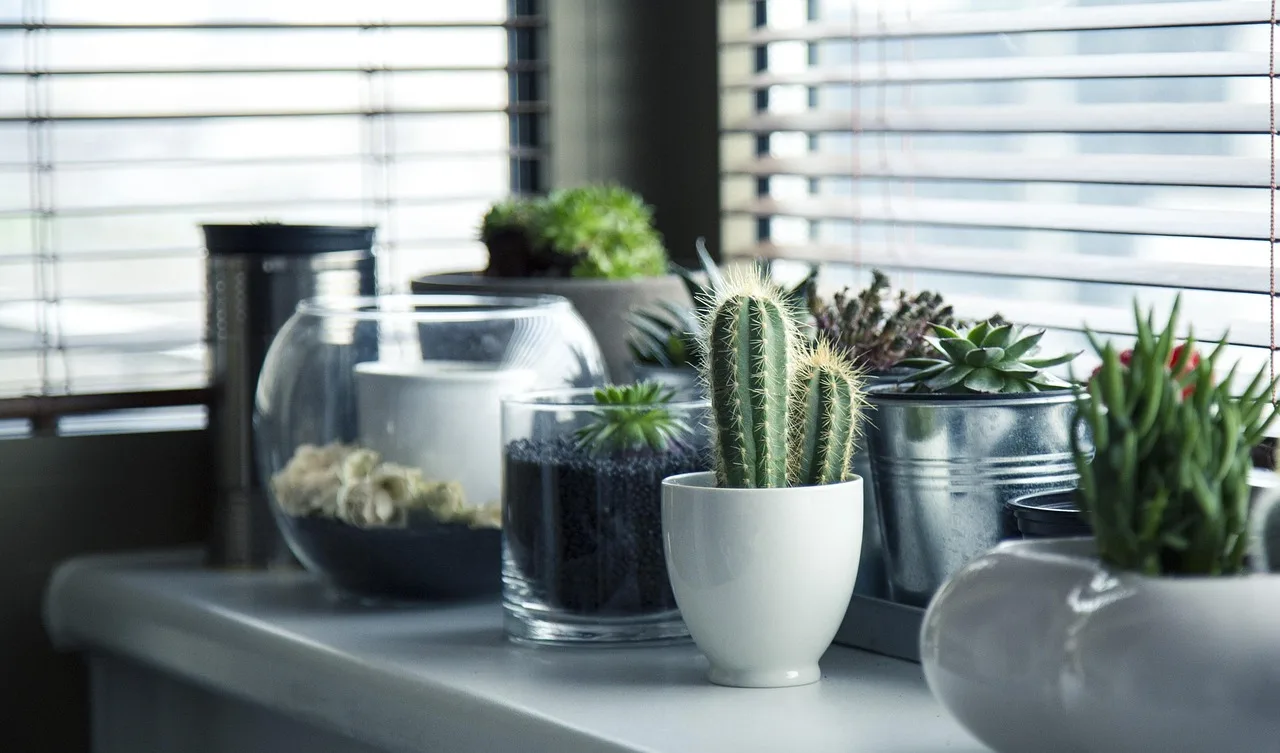
Picture a small cactus in a bright windowsill pot. The top inch dries quickly, but the center of the root ball stays slightly damp if the pot has poor drainage. In that setup, the stem may still look firm while the roots begin to struggle.
How cactus stems hold water
Cactus stems hold water in thick, fleshy tissue made for storage. In many species, those same stems also perform photosynthesis because leaves are reduced or absent. That is a big tradeoff: the stem must do the job of both tank and solar panel.
The storage tissue is packed with large parenchyma cells and big vacuoles. Vacuoles are central compartments that can fill with water, so the stem can swell after rain and shrink during drought. This is one reason a cactus may look plump after watering and narrower when dry.
Stem shape varies by species. Barrel cacti tend to be short and rounded, which gives them a compact water reserve. Columnar cacti spread storage across tall stems, while many forest cacti have flatter segments and rely more on stems adapted to shade and seasonal moisture swings.
Say your cactus is a barrel type in a terracotta pot. After a deep watering and good drainage, the stem may firm up and the body may look slightly fuller for a while. That change comes from stored moisture in the stem tissue, not from water sitting in the pot.
Why roots matter too
Roots are part of the storage system even though they do not hold water for long. Cacti have shallow, thin, fibrous roots that take up water quickly. Those roots spread widely near the soil surface, where brief rain or runoff is available before sun and wind remove it.
This is why a cactus can respond fast after watering or rain. The roots are positioned to absorb moisture before it evaporates, then the stem tissue holds that water in reserve. A shallow root system is efficient in a dry habitat, but it also means the plant dislikes soggy soil.
Dry soil still matters because some cactus roots are sensitive to extended contact with moisture. If the mix stays wet too long, the roots lose oxygen and rot can follow. Stem storage does not protect the root zone from poor potting conditions.
How cactus plants store water so well
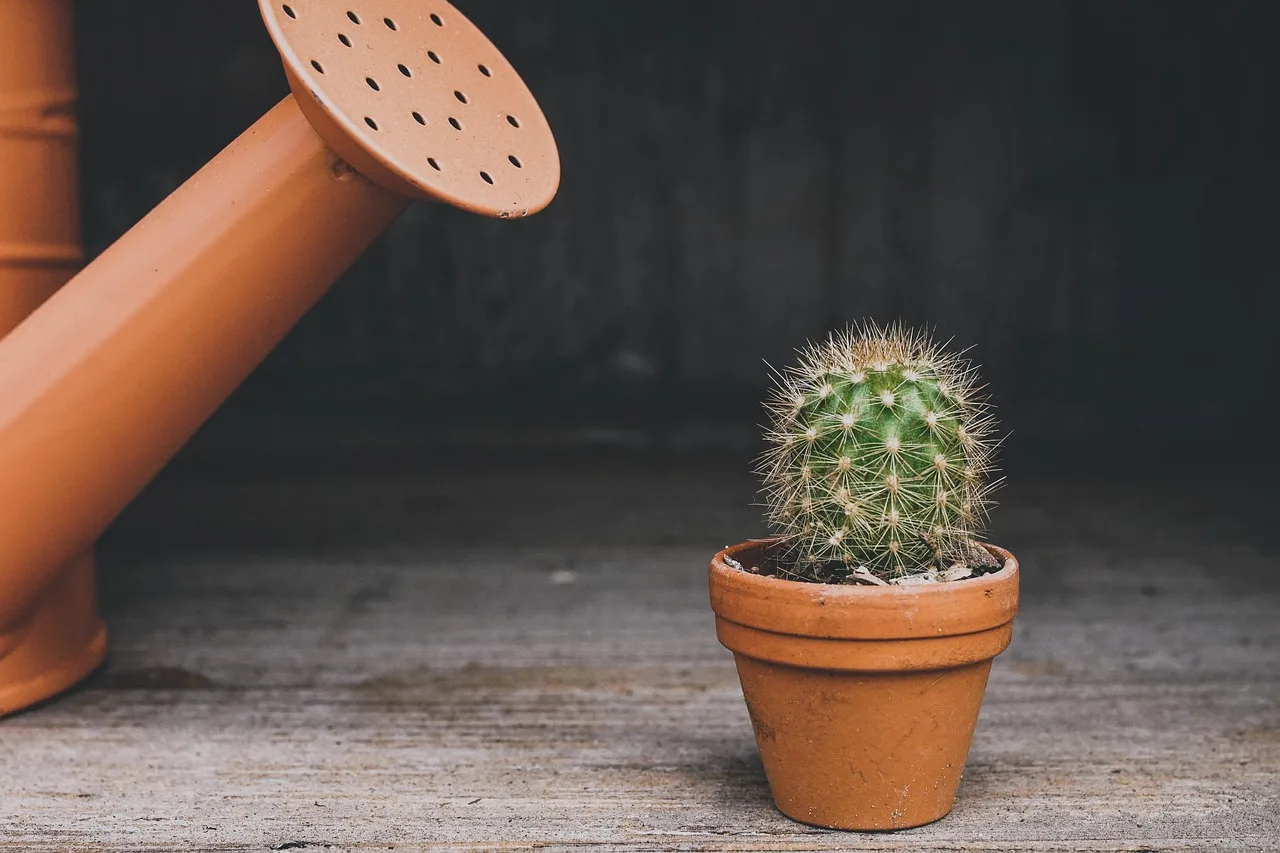
Cacti store water well because several traits work together: thick stem tissue, fast-absorbing shallow roots, nighttime gas exchange, and surface features that slow evaporation. No single trait does all the work. The plant keeps water by capturing it quickly and losing it slowly.
What the stem tissue is doing
The thick stem is the main reservoir. Its fleshy cells expand with water and contract as reserves are used. That design lets the plant survive drought periods that would damage many other green plants much faster.
Many cacti also keep photosynthesis in the stem. That reduces the need for broad leaves, which would otherwise create more surface area for water loss. Fewer exposed leaf surfaces means less evaporation pressure in heat and wind.
Why root spread matters
Shallow roots spread wide, so even a short rain can matter. The plant can take in moisture before it sinks too deep or dries on the soil surface. This is a fast-response system built for brief rainfall, not for constantly wet ground.
Well-draining cactus soil supports that setup. A mix with grit, perlite, or sand lets water move through quickly instead of pooling around roots. Terracotta pots help too because the porous material lets moisture escape faster than nonporous containers.
Why stem shape varies by species
Not all cacti store water in exactly the same way. Forest cacti, barrel cacti, and columnar cacti face different light, humidity, and rainfall patterns, so their stem shapes reflect different storage and exposure strategies. That is why a Christmas cactus does not behave like a barrel cactus.
Species-level nuance matters for care. A forest cactus often comes from a more sheltered setting and may dislike the same dry-down schedule that a desert barrel cactus tolerates. The basic biology is shared, but the timing and volume of watering can differ.
How cacti lose less water
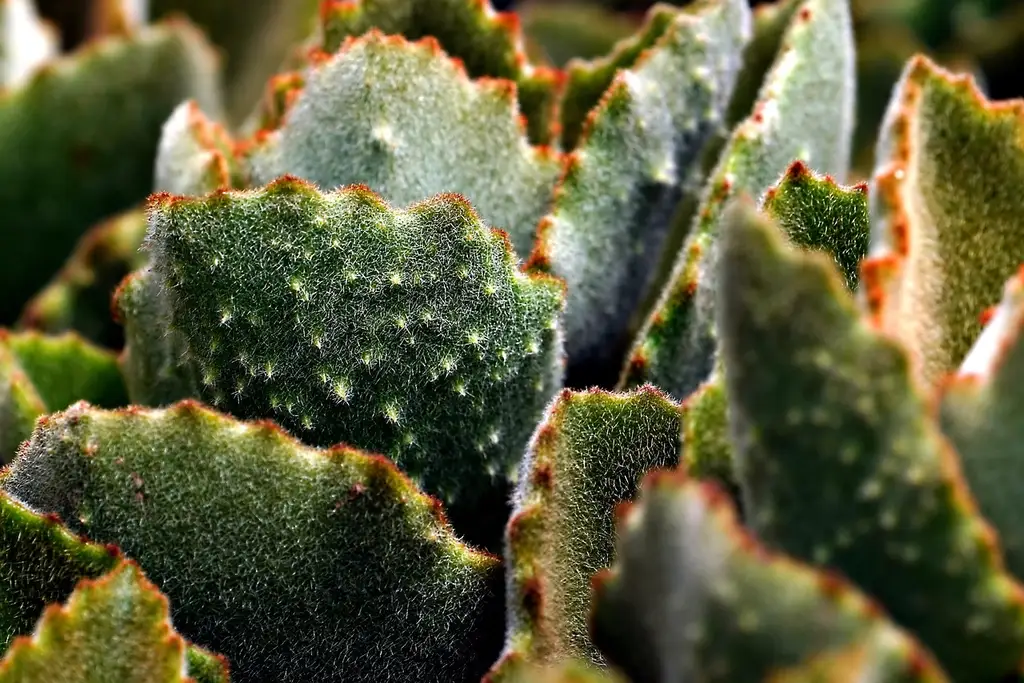
Cacti do not only store water; they also spend less of it. Spines, waxy stem coatings, small surface area, and nighttime gas exchange all reduce water loss. That combination is why a cactus can stay alive in places where a broad-leaved plant would dry out quickly.
Spines and waxy stems
Spines are modified leaves in many cacti. They help reduce water loss by replacing broad, moist leaves with narrow structures that expose far less surface. They also defend the plant from herbivores, which protects stored water from being eaten away with the tissue.
A waxy stem coating adds another layer of protection. It limits evaporation from the stem surface and helps shield tissue in arid climates. Together, spines and wax make the stem a lower-loss structure than a typical leafy shoot.
Stomata and CAM
Stomata are small pores on the stem surface. In many cacti, they open at night, not during the hottest part of the day. That timing reduces daytime water loss while still letting the plant exchange gases for photosynthesis.
Crassulacean Acid Metabolism, or CAM, makes that timing work. The plant takes in carbon dioxide at night and stores it as organic acids. During the day, it uses that stored carbon to support photosynthesis while keeping the stomata more closed, which saves water.
That system is a major reason cactus water storage is so effective. The plant does not rely on keeping pores open in full sun, when evaporation pressure is high. Instead, it shifts gas exchange to cooler hours and uses its stored carbon later.
Why do cactus plants open stomata at night?
Cacti open stomata at night because cooler air and lower sunlight reduce water loss. Through CAM, they take in carbon dioxide after dark, store it as organic acids, and use it during the day for photosynthesis. This timing protects stem moisture while still allowing growth.
Nighttime carbon dioxide uptake
Nighttime opening is a water-saving strategy. When temperatures are lower, the vapor pressure difference between plant tissue and air is usually reduced, so less water escapes through the pores. The cactus can then capture carbon dioxide without paying the same daytime water cost.
The stored acids act as a temporary carbon bank. By day, the plant converts that stored carbon into sugars through photosynthesis while keeping stomata mostly closed. That rhythm is central to cactus survival in dry heat.
What this means for care
This biology does not mean cacti prefer darkness or that more heat is always better. They still need strong light, and cacti require 6-8 hours of direct light daily. Without enough light, the plant can stretch, weaken, and use water poorly.
Indoor humidity also matters. Ideal indoor humidity for cacti is 20 to 30 percent, which fits their low-loss design better than muggy air. High humidity can slow drying and raise rot risk, especially in pots that hold moisture too long.
Cactus water-storage checklist
This checklist maps the main storage traits to the care signals they affect. Use it to connect plant anatomy with daily decisions about watering, pot choice, and season changes. It also flags a few common ideas that sound reasonable but miss the biology.
| Storage trait | What it does | Care signal to watch | Common misconception |
|---|---|---|---|
| Thick stem tissue | Stores moisture in fleshy parenchyma cells and vacuoles; supports photosynthesis in many species | Soil dry-down: water only when the soil dries out | A plump stem means the plant never needs water |
| Shallow root spread | Absorbs brief rain quickly near the surface | Pot drainage: use a mix that drains fast and a container that does not stay wet | Deeper pots always help cactus roots |
| Waxy surface and spines | Limits evaporation and reduces exposure to herbivores | Seasonal slowdown: water less in cooler, darker months | Spines store water for the plant |
Five common misconceptions to avoid:
- A cactus can survive forever without water.
- Stored water is the same as freely available water.
- All cacti should be watered on the same schedule.
- Any pot material works if the plant is drought-tolerant.
- More water is safer than dry soil.
A common first-timer mistake is assuming a cactus needs frequent watering after a hot week, rather than letting its thick stems hold moisture between drinks. A cactus in a 4-inch pot may dry out faster than one in a larger pot, while a larger container can hold moisture for longer. The pot size changes the timing, even when the species is the same.
What the checklist means in practice
Cacti should be watered only when the soil dries out. Some cactus pots may need watering every one to two weeks, while large cactus pots may need watering every four to six weeks. Those numbers are not a promise; they are a reminder that pot size, soil, light, and season all change the drying rate.
Some cacti can be watered about every 2 weeks in summer. In winter, cacti may need water only once every 4-6 weeks. That seasonal slowdown fits their CAM-driven, low-loss strategy and the lower growth rate that comes with shorter days.
The best care signal is the soil, not the calendar. If the mix is still damp, wait. If the pot is heavy and cool, wait longer. If the soil is dry and the plant is in active light, water thoroughly and let excess drain away.
Frequently asked questions
Why do cactus store water?
Cacti store water so they can survive dry periods between rains. Their stems hold moisture, their roots absorb quickly after brief wetting, and their surface loses less water than a leafy plant would. That survival plan works because the plant saves water on both the intake and loss sides.
Do cactus store water?
Yes. Most cacti store water in thick stems, and those stems often do double duty by supporting photosynthesis. The stored water helps the plant through drought, but it does not remove the need for watering when the soil has fully dried and the roots are active.
How much water can a cactus store?
There is no single number that fits every cactus. Storage depends on species, stem shape, age, and growing conditions. Barrel, columnar, and forest cacti do not hold water in the same way, so the useful answer is that some store a lot relative to their size, but none stores enough to ignore care indefinitely.
Do cactus need water?
Yes. Cacti need water to keep tissues alive, support growth, and replace what is slowly used during photosynthesis and metabolism. They need less frequent watering than many houseplants, but they still need watering only when the soil dries out and the root zone can breathe.
Do cactus need a lot of water?
No. Cacti are adapted to hot, dry, sunny conditions and can cope with long periods of drought. They usually need far less water than leafy plants, and too much moisture can cause root rot. A small amount given at the right time is better than frequent, wet soil.
Can you get water from a cactus?
No safe general rule says you should drink water from a cactus. The plant stores water for itself, and many species contain compounds or structures that are not suitable for drinking. The correct takeaway is that cacti conserve water well; they are not a safe backup water source.