How Drought Tolerance Works in Plants
Drought tolerance is a plant’s ability to keep functioning under low water by sensing stress, closing stomata, shifting resources, protecting cells, and recovering when water returns. Ignore it, and plants wilt, stop growing, drop leaves, and can die from repeated dry spells. This guide explains the water-stress stages, the traits that help most, and what those traits mean for gardeners.
What is drought tolerance?
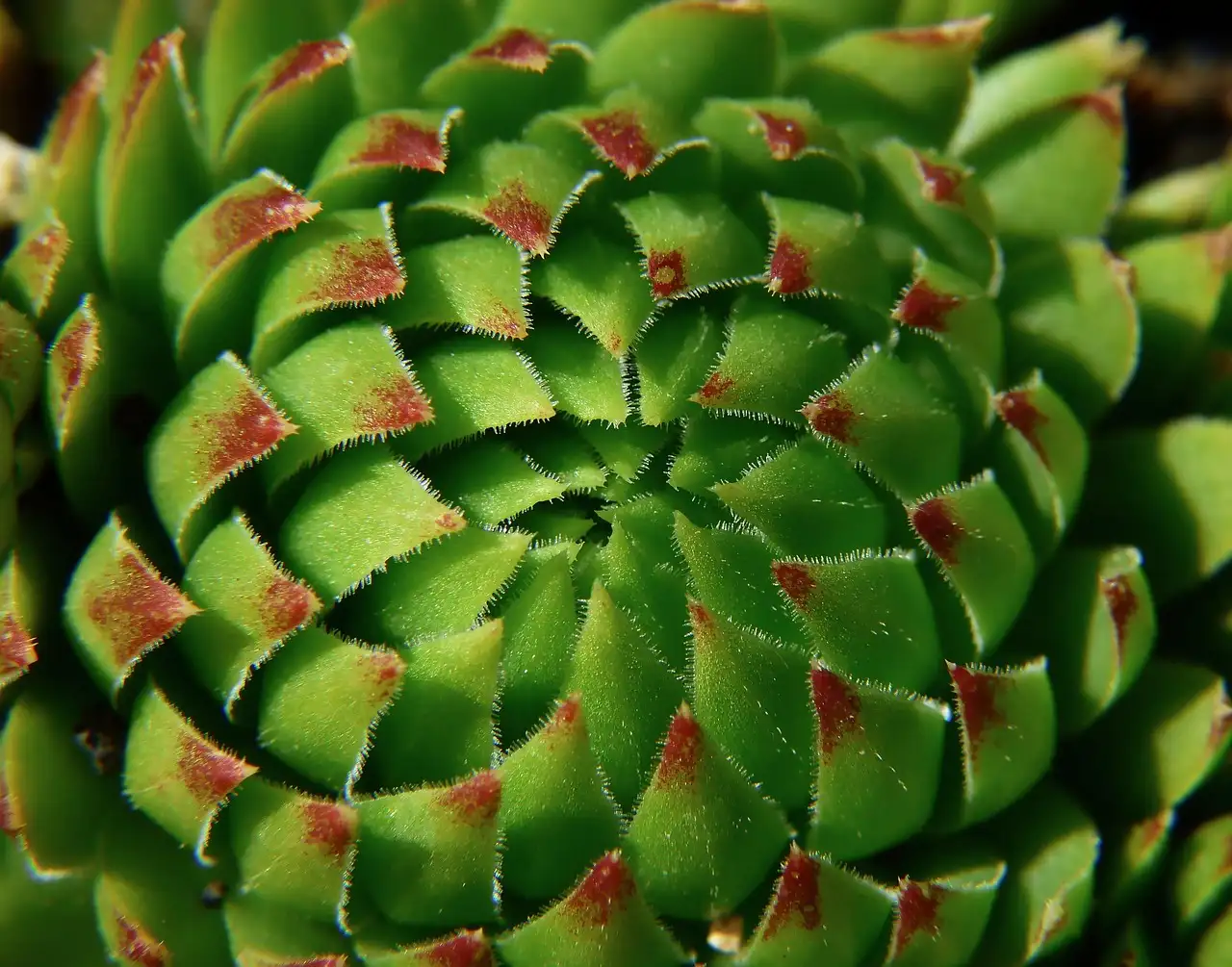
Drought tolerance is the ability to survive and keep functioning when water is scarce. It does not mean a plant needs no water. A drought-tolerant plant may still slow growth, close its stomata, or shed leaves, but it can stay alive and resume growth when conditions improve.
That response usually mixes structure and physiology. University extension sources describe drought tolerance as a combination of water-saving traits, storage capacity, and recovery after stress, rather than a single “drought-proof” feature. Roots, leaves, and hormones all contribute at once.
Drought tolerance is one of three major strategies plants use under seasonal dry conditions. Drought avoidance limits water loss or avoids the worst part of the dry season. Desiccation tolerance goes further and lets some plants survive almost total dehydration, a state linked to anhydrobiosis, the cessation of metabolic activity.
How drought tolerance differs from drought avoidance
Drought avoidance reduces water loss before severe dehydration takes hold. Early leaf drop is one example. Some annuals and succulents use that route, trading leaf area or activity for lower water loss rates. Drought tolerance, by contrast, lets the plant keep working through low water instead of simply escaping the drought window.
Those strategies often overlap. A single plant may close stomata, slow growth, and alter leaf form all at once. The label matters because each strategy tells you something different about what the plant is doing inside.
Where desiccation tolerance fits
Desiccation tolerance is the extreme end of drought survival. It is not the same as ordinary drought tolerance. Mosses and some ferns can sometimes survive near-total dehydration and then restart when water returns. Most garden plants do not have that level of backup.
How do plants detect drought?
Plants detect drought through water deficit first, before the damage becomes obvious at the leaf edge. Roots and shoots exchange chemical and hydraulic signals, so leaves may react early even when the soil still feels only partly dry. That early warning helps the plant conserve water before tissues are stressed further.
Root-to-shoot signaling matters here. When soil moisture falls, roots can shift hormone production and hydraulic pressure, especially abscisic acid (ABA), which helps tell leaves to conserve water. USDA and university extension materials commonly describe ABA as a key messenger in drought response because it helps coordinate shoot closure and root stress signaling.
Why stomata begin to close before major damage
Stomata are leaf pores that control gas exchange and transpiration. When heat or drought raises water loss, they begin to close. That limits evapotranspiration, which helps the plant hold onto internal water, but it also slows carbon dioxide entry and can slow photosynthesis. Extension and physiology references note that stomatal closure is one of the earliest visible drought responses because it is triggered by the plant’s internal water status, not just by visible wilting.
Closure is a trade-off, not a cure. The plant gives up some growth to keep cells hydrated and avoid irreversible injury.
How ABA and root-to-shoot signaling coordinate the response
Abscisic acid helps connect the root signal to the leaf response. As soil dries, roots increase ABA-related signaling and shoots respond by tightening stomatal control and reducing water loss. Universities and extension publications on plant water relations describe this as a rapid communication system that lets the canopy react before dehydration becomes severe.
What happens during a drought response timeline?
This timeline shows the usual sequence from first stress to recovery. The details vary by species, but the pattern stays similar: sense the drop in water, reduce loss, slow growth, adjust structure, then restart when water returns.
| Stage | Visible symptoms | Likely mechanism |
|---|---|---|
| Early warning | Leaves feel less firm, growth looks slower, leaf angle changes | Roots detect lower soil moisture and send stress signals to shoots |
| Stomatal closure | Leaves may look dull or slightly limp during the hottest part of the day | Stomata close to reduce transpiration and water loss |
| Growth slowdown | New leaves or shoots stall, flowering may pause, older leaves may yellow | The plant shifts resources away from expansion and toward water conservation |
| Leaf and structure adjustment | Smaller leaves, leaf drop, tighter canopies, tougher or more reflective foliage | Structural defenses reduce heating and surface water loss |
| Recovery after rewatering | Leaves regain firmness, new growth resumes, some dropped leaves do not return | Hydration improves, stomata reopen, metabolism and growth restart |
Suppose a shrub droops by midday, then looks normal again after evening watering. That usually points to a short-term water deficit and stomatal response, not permanent collapse. If the same plant keeps dropping leaves across several dry spells, the stress has moved into a more serious stage.
What happens to stomata and leaves?
Stomata and leaves are the first visible parts of the response, but they are only the output. Inside the plant, water status changes gas exchange, heat load, and carbon capture. The result is a controlled slowdown rather than a single dramatic failure.
Stomata, gas exchange, and water loss
Stomata regulate both water loss and carbon dioxide uptake. Under drought, they close to limit transpiration. That protects the plant, but it also reduces the carbon available for growth. Many drought responses begin here because open stomata can lose water fast in heat and dry air.
CAM photosynthesis and nighttime carbon uptake
Crassulacean acid metabolism, or CAM, is a major drought strategy. CAM plants keep stomata shut during the day to reduce water loss. They open stomata at night to collect carbon dioxide, then use stored carbon for daytime photosynthesis. That timing cuts daytime transpiration without stopping carbon gain entirely. (Ucanr)
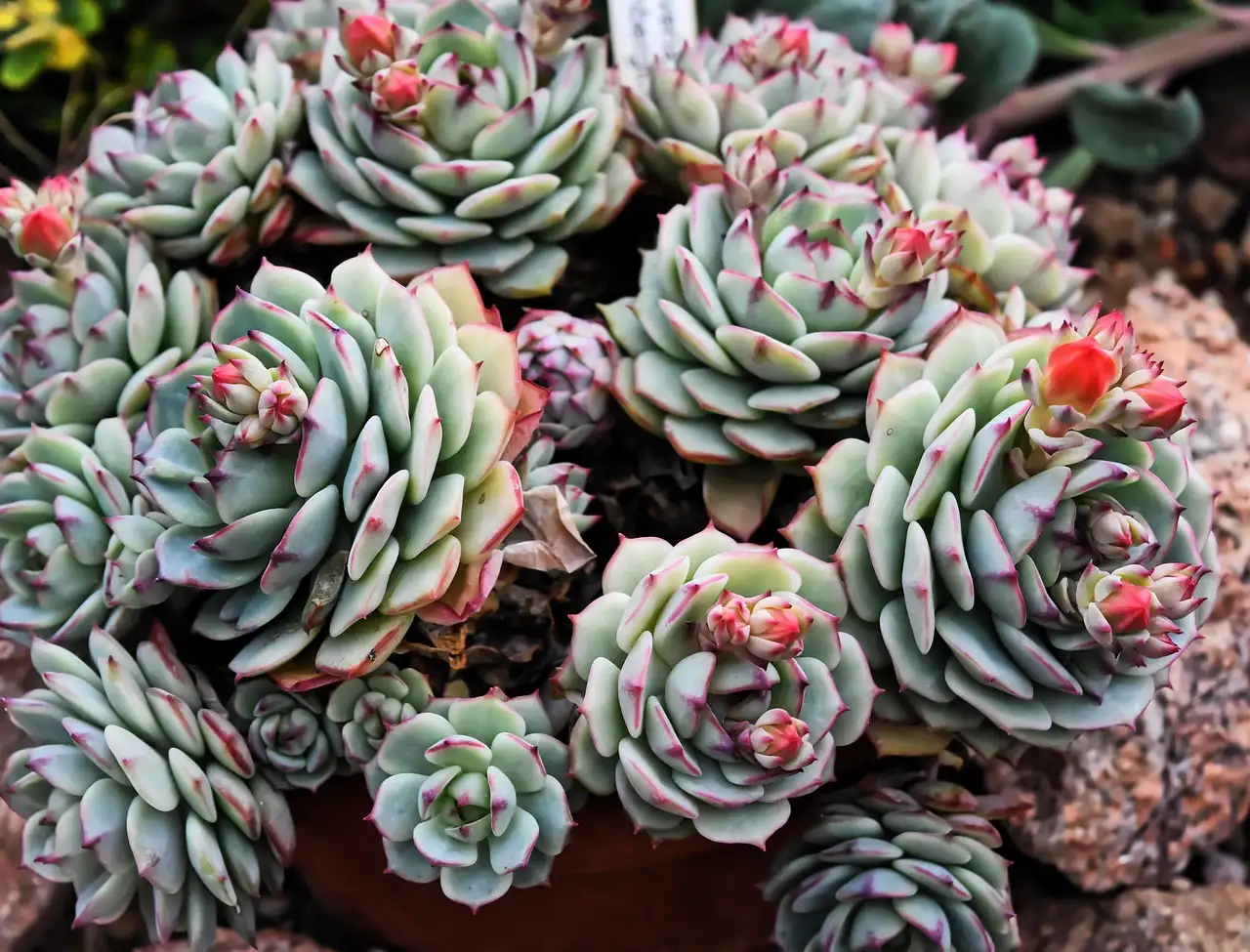
Cacti and many succulents are commonly described as using CAM, which may help explain why they can look steady through dry weather while still depending on occasional water.
Leaf traits that reduce heating and transpiration
Leaf form can matter as much as leaf function. Waxy cuticles on thick, leathery leaves help cut down water loss and reflect heat. Small leaves reduce the surface area from which water loss can occur. Sunken stomata pits trap moist air and reduce water loss rates, while hairy leaves can shade stomata and reduce contact from hot air. University extension materials often describe these traits as classic drought adaptations because they reduce both evaporation and heat load.
Which traits help plants hold water?
Plants that handle drought well often combine several traits at once. The mix may reduce heating, slow evaporation, and keep the plant functional long enough to wait out dry weather. Drought-tolerant plants are also called xerophytes, and many of them show overlapping structure and physiology rather than a single special feature.
Why waxy cuticles and smaller leaves matter
A waxy cuticle is a water barrier on the leaf surface. On thick leaves, it slows moisture loss and can reflect part of the sun’s heat. Small leaves help in a different way: they reduce exposed surface area, so there is less space for water to escape. Extension references on drought-adapted ornamentals often group these as first-line defenses against dry air and intense sun.
How sunken stomata and leaf hairs reduce stress
Sunken stomata sit in pits that hold a pocket of moist air. That lowers water loss compared with pores exposed to dry wind. Hairy or silver-gray leaves can also reflect light and reduce leaf temperature, which lowers the pull on internal water.
Why structural traits work with physiology
These traits are tied to physiology. They buy time for the plant’s internal controls to work. A cooler leaf with less exposed surface loses water more slowly, so the stomata do not need to close as hard or as early.
How does root architecture affect drought tolerance?
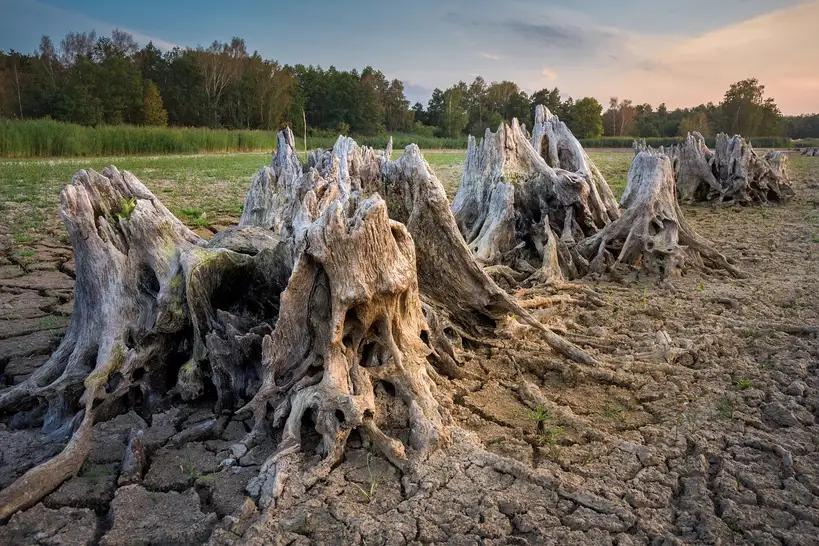
Roots are part of the drought system, not just anchors. Deep or extensive roots improve access to subsoil moisture, while wide, fibrous roots can quickly exploit brief rainfall near the surface. The best architecture depends on the site: deep roots help where moisture moves downward, while shallow spreading roots help where rain is brief and patchy.
Deep roots versus wide roots
Deep-rooted plants can mine water from lower soil layers after the topsoil dries. Wide-rooted plants spread through the upper profile and can capture light rain or irrigation before it evaporates. University and extension guides often contrast these strategies as different answers to the same problem: finding water where it is most likely to remain available.
Topsoil access, subsoil access, and tradeoffs
root system size and shape determine whether a plant can reach topsoil moisture quickly or tap subsoil reserves later. Deep rooting can improve survival during long dry spells, but it can cost more early energy. Wide root systems can respond fast to surface moisture, but they are more vulnerable when the upper soil dries out completely.
Why establishment time matters
New plants still need watering for a period after planting. Their drought strategy is not fully online until roots spread and tissues mature. A drought-tolerant plant in a nursery pot or fresh planting hole is still in establishment, and that stage often needs regular moisture more than the mature plant does.
What recovery after rain reveals about drought strategy
Recovery tells you whether the plant was avoiding drought, tolerating it, or crossing into injury. A plant that perks up quickly after rewatering likely relied on reversible stomatal closure and growth slowdown. A plant that keeps losing leaves or browning at the tips may have crossed into damage.
A common mistake is to assume a curling midday leaf always means the plant needs more water. Picture a 3-gallon rosemary in full sun: if the soil is dry, the leaves may narrow and the plant may look dull by afternoon, then recover overnight after watering. That pattern points to drought response, not necessarily disease.
What is the checklist for diagnosing drought stress?
Use this checklist to separate temporary water stress from more serious decline. The goal is to look for a pattern across soil, leaves, and recovery, not to rely on a single symptom.
- Check whether the soil is dry a finger’s depth below the surface.
- Look for the first signs: limp leaves, slower growth, or changed leaf angle.
- Watch for midday stomatal closure symptoms that improve later in the day.
- Notice whether the plant slows growth or drops leaves as dryness continues.
- Rewater and see whether firmness and new growth return within days.
How do dormancy cycling and seasonal pause help plants?
Dormancy cycling lets some plants pause growth during hot or dry periods and restart when conditions improve. This is common in warm-season grasses, which may slow or stop top growth in drought, and in bulbs or other storage organs that remain quiet until moisture returns. University extension sources describe this as a survival pause rather than permanent shutdown.
How warm-season grasses use dormancy cycling
Warm-season grasses can conserve energy by reducing active growth during drought and heat. They may look brown or stalled aboveground while protecting living tissue below the surface. When rain returns, the crowns and roots can resume growth if the stress has not been too severe.
How bulbs and storage organs pause growth
Bulbs, corms, and similar storage organs can skip aboveground growth during dry periods. They rely on stored reserves, then restart when soil moisture improves. That pause helps them survive seasonal dry gaps without maintaining expensive leaf growth the entire time.
Why dormancy is not the same as death
Dormancy is a temporary survival state. The plant may look inactive, but it is not necessarily failing. The key difference is recovery: if moisture returns and the plant resumes growth, dormancy was part of its drought strategy.
How can you create a drought-tolerant garden?
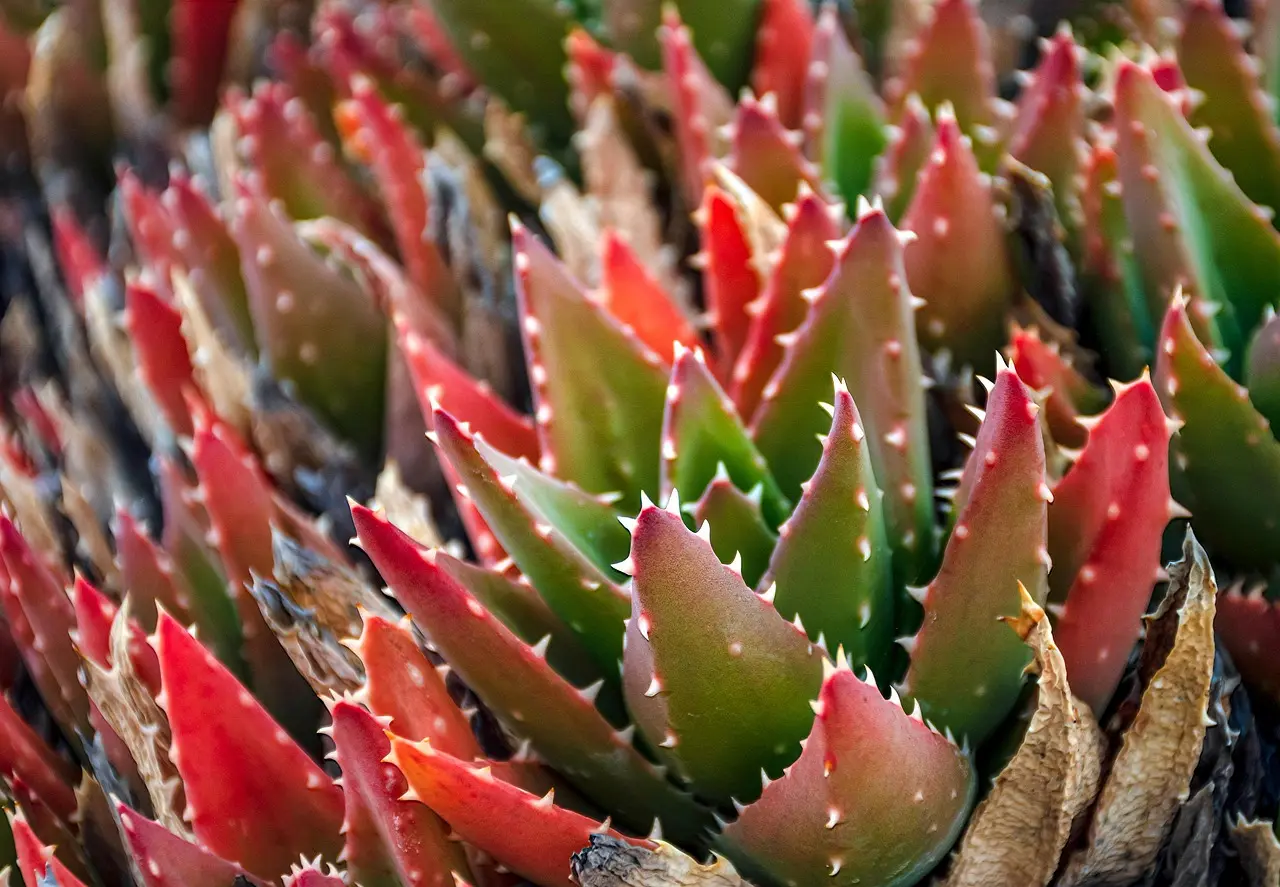
A drought-tolerant garden depends on design, not just plant choice. The best setup helps roots establish, keeps water in the soil longer, and groups plants by similar needs. That lowers irrigation demand while giving each plant the right conditions to stay healthy.
1. Water deeply during establishment
New plantings need regular watering until roots spread. Deep, infrequent watering helps roots move downward instead of staying at the surface. Once established, many drought-adapted plants can handle longer gaps between irrigation better than they can handle shallow, frequent sprinkles.
2. Group plants by water need
Put thirstier plants together and drought-adapted species together. That keeps irrigation zones efficient and prevents overwatering one plant just to satisfy another. It also makes it easier to match soil moisture to root behavior.
3. Add mulch to slow evaporation
Mulch reduces surface evaporation and buffers soil temperature. That keeps moisture available longer after rain or irrigation. Leave space around stems and trunks so mulch does not trap too much moisture against the plant base.
4. Improve soil infiltration
Soil that absorbs water well makes drought tolerance more effective. Compacted soil sheds water before roots can use it. Loosened, organic-rich soil lets rainfall move inward instead of running off, which helps both deep-rooted and shallow-rooted plants.
5. Give plants enough spacing
Correct spacing reduces competition for water and light. Crowded plants may transpire more and dry the root zone faster. Better spacing also improves air movement, which can reduce heat stress on foliage.
6. Choose native or arid-adapted species
Native plants and species adapted to dry regions are usually better matched to local rainfall patterns. Their leaf traits, root systems, and dormancy habits often fit the site better than high-water ornamentals. Start with species that naturally handle your climate rather than forcing water-hungry plants to behave like xerophytes.
7. Match the plant to the microclimate
Hot south-facing slopes, reflected heat near pavement, and windy spots dry out faster than shaded beds. Place the most drought-adapted plants in the toughest sites and reserve protected, moister areas for plants that need more consistent water.
Frequently asked questions
What is drought tolerant?
Drought tolerant describes a plant that can survive and keep functioning with limited water. It does not mean the plant needs none at all. Most drought-tolerant plants still use water-saving traits such as reduced transpiration, special leaves, deeper roots, or tighter control of stomata.
What is drought tolerant plants meaning?
It means the plant can handle water deficit better than a plant that lacks those traits. The term usually points to a mix of structure and physiology, not a single feature. Many drought-tolerant plants still need regular water during establishment before their root systems mature.
How does drought affect plants?
Drought lowers water pressure inside tissues, so leaves lose firmness and stomata begin to close. That cuts water loss but also slows photosynthesis and growth. If the dry period continues, the plant may drop leaves, pause flowering, or enter a temporary slowdown until moisture returns.
During a drought how can plants adapt?
They can close stomata, slow growth, shed leaves early, alter leaf structure, and push roots deeper or wider. Some grasses use dormancy cycling and pause metabolism during dry periods, then resume growth when rainfall returns. CAM plants use night-time carbon dioxide uptake to reduce daytime water loss.
How do plants survive without much water?
They usually do not survive by one trick alone. They survive through a staged system: sensing water deficit, reducing transpiration, protecting cells, and recovering after rewatering. Some use drought avoidance, some use drought tolerance, and a few mosses and ferns show desiccation tolerance.
What happens inside a plant during drought stress?
Roots sense falling soil moisture and send signals to shoots. Stomata close, transpiration falls, and growth slows so the plant can conserve water. If the dry period lasts, the plant changes leaf behavior or structure, then restarts metabolism when rain or irrigation restores moisture.