Are Cardboard Weed Barriers Safe for Vegetable Gardens?
Plain corrugated cardboard is generally considered safe as a weed barrier in vegetable gardens if tape, staples, shipping labels, plastic windows, glossy coatings, and heavy ink are removed. Avoid anything waxed, plastic-coated, or food-contaminated. Bad cardboard can shed residues, block water movement, or leave scraps in the bed. Here’s how to judge cardboard quickly for in-ground beds, raised beds, and new garden starts.
Cardboard safety checklist
| Safe cardboard or not? | Yes/no test | What it means | Verdict |
|---|---|---|---|
| Plain brown corrugated | Yes | Single-wall or double-wall board with no coating or heavy print | Safe |
| All tape, staples, labels removed | Yes | No plastic tape, metal fasteners, shipping labels, or adhesive patches left behind | Safe |
| No glossy, wax, or plastic coating | Yes | Surface soaks up water instead of shedding it | Safe |
| No heavy dye or ink coverage | Yes | Light print only, not a heavily printed or laminated box | Safe |
| Under a mulch layer in an established bed | Yes | Used as a temporary weed-suppression layer, not as a buried root-zone layer | Safe |
| Any one test fails | No | Condition depends on which test failed and how severe it is | Conditionally safe or skip it |
| Two or more tests fail | No | Likely contamination, poor water movement, or messy breakup in soil | Skip it |
Use that checklist as the decision rule. If the box is plain brown corrugated, stripped clean, and going under mulch in an established bed, it is usually a reasonable weed barrier. If the box is coated, heavily printed, tape-laced, or meant to sit directly in the root zone, skip it.
What cardboard is safe?

Safe cardboard for vegetable beds is plain corrugated board: brown, non-waxed, non-coated, and only lightly printed. Single-wall and double-wall corrugated boxes can both work if they are clean and dry enough to lay flat. The main safety issue is the surface treatment, not the cardboard shape.
Single-wall vs double-wall corrugated board
Single-wall corrugated cardboard has one fluted layer between two flat sheets. Double-wall has two fluted layers and is thicker, so it can last longer as a weed barrier. Both can work in gardens, but thicker board may slow breakdown and make folding, cutting, and moisture penetration slower.
Plain brown board and print limits
Plain brown cardboard is the easiest to judge because it usually has less coating and less ink coverage. Small logos are typically less concerning than full-surface printing. Heavy dye coverage, shiny color panels, or dark box art push the material toward the “skip it” side because they suggest more surface treatment.
Why coating and laminations change the answer
Wax, plastic film, and laminated surfaces change how the box behaves in soil. They shed water instead of soaking it up, so they can interrupt water entry and air movement. That makes them a poor choice under mulch and a worse choice anywhere near vegetable roots.
A common first-timer mistake is using a produce box with glossy coating because it looks sturdy. That coating can keep the sheet from softening evenly, so water runs off the top while the soil below stays unevenly covered. The barrier may last, but it no longer behaves like garden-safe corrugated cardboard.
What should you remove first?
Remove tape, staples, labels, and any plastic windows before you put cardboard in a vegetable bed. Those parts do not break down the way plain corrugated board does. If the box is covered in adhesive, laminated patches, or embedded plastic, it is better to skip it than leave non-soil material in the bed.
Tape, staples, and shipping labels
Plastic tape creates fragments that linger in soil and mulch. Staples can rust, bend, or remain as sharp bits during breakdown. Shipping labels often carry adhesive films that do not decompose quickly. Pull them off first, even if that means the box falls apart into separate panels.
Adhesives and plastic windows
Some boxes have glue-heavy seams, clear inspection windows, or reinforced panels. Those are poor choices for gardens because the non-cardboard parts remain after the fibers start to soften. If the cardboard is difficult to clean without tearing apart into sticky or plastic-laced scraps, it is not worth using.
When a box is too contaminated to use
Skip boxes with food residue, grease stains, waxed freezer coatings, or strong chemical contamination. The same goes for cardboard that spent time in damp storage and now smells moldy or feels slimy. That material can create pest issues and may break down unevenly once buried under mulch.
How cardboard behaves in soil
Cardboard suppresses weeds by limiting light and slowing new growth, but it still has to let water and air move through. In garden soil, plain corrugated board usually breaks down gradually as fungi, bacteria, and worms work through it. That breakdown is useful, but it can also create short-lived nitrogen tie-up.
Water infiltration and gas exchange
When cardboard stays flat and is covered with mulch, water can still move through the fibers. Soil life also needs gas exchange, so the barrier should not be buried as a sealed layer. Problems start when the board is too thick, too wet, or packed directly into compacted soil where air movement is already poor.
Breakdown rate in garden beds
Breakdown speed depends on moisture, thickness, and soil biology. Thin, plain corrugated board in a moist bed can soften within weeks and fragment over a season. Thicker double-wall board lasts longer. In a bed with active microbes and worms, the cardboard often disappears faster than it does in dry, cold, or compacted soil.
Soil microbes, worms, and fungi
Cardboard is a carbon material, so it feeds decomposers more than it feeds plants. Fungi and bacteria start the breakdown, then worms pull softened pieces downward. That is part of normal soil biology, but it works best when the cardboard sits near the surface under mulch rather than deep in the planting zone.
Temporary nitrogen tie-up
As cardboard decomposes, microbes may use available nitrogen for the process, creating a temporary immobilization risk. That matters most in beds with hungry crops, low-nitrogen amendments, or very thick cardboard layers. Yellowing leaves, slow growth, and pale new foliage are signs to watch for near the barrier.
Suppose a newly planted tomato bed is covered with cardboard that starts to soften and lift after the first heavy watering. If plain cardboard goes down under 3 inches of leaf mulch, it usually suppresses weeds without staying wet enough to smother the bed. If the same bed gets a thick stack of waxed shipping cartons, water and roots have a harder time moving through it.
Can you use cardboard in vegetable beds?
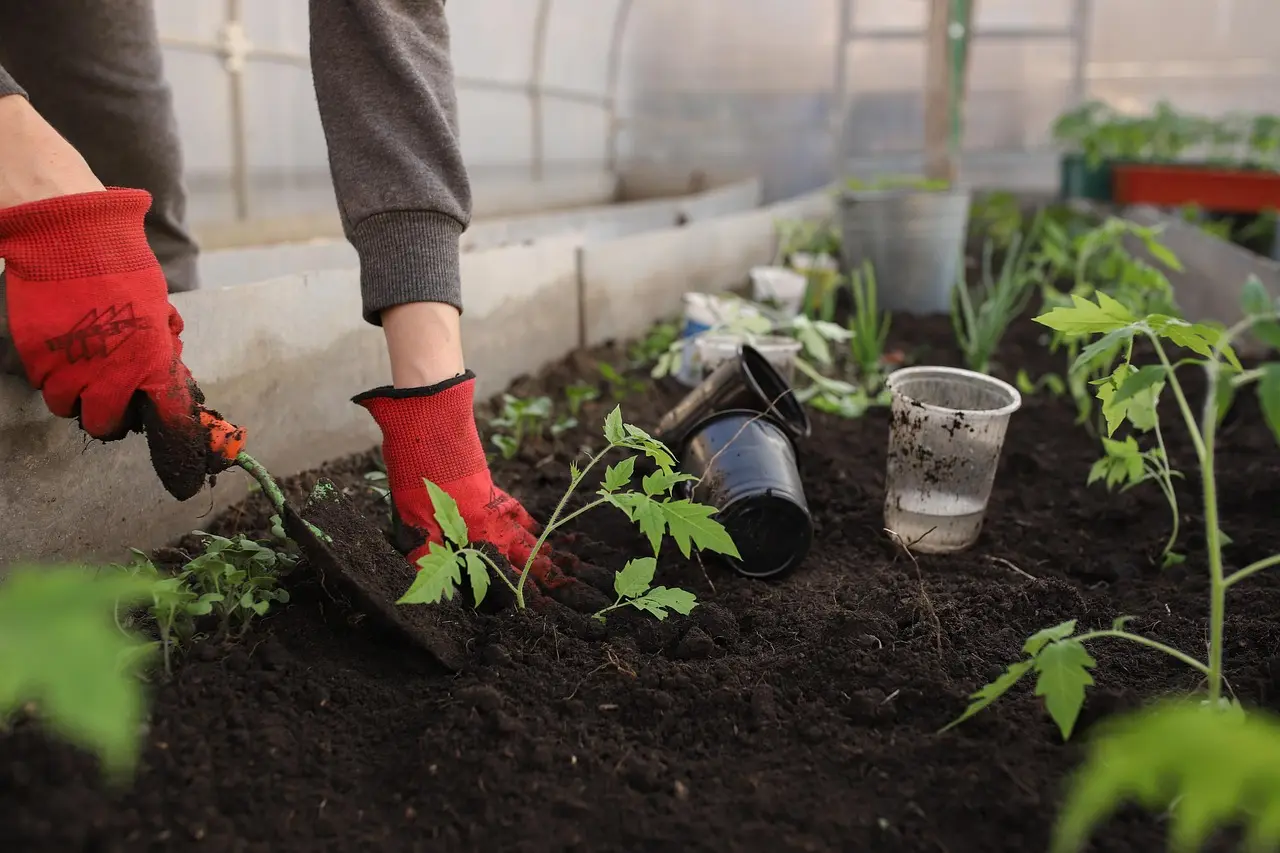
Yes, but only in the right setting. Cardboard is often most useful in in-ground beds and raised beds that already have soil in place, where it can sit below a mulch layer. It is less useful in seeded beds and should not be treated as a fix for established weeds that are already rooted through the bed.
In-ground beds
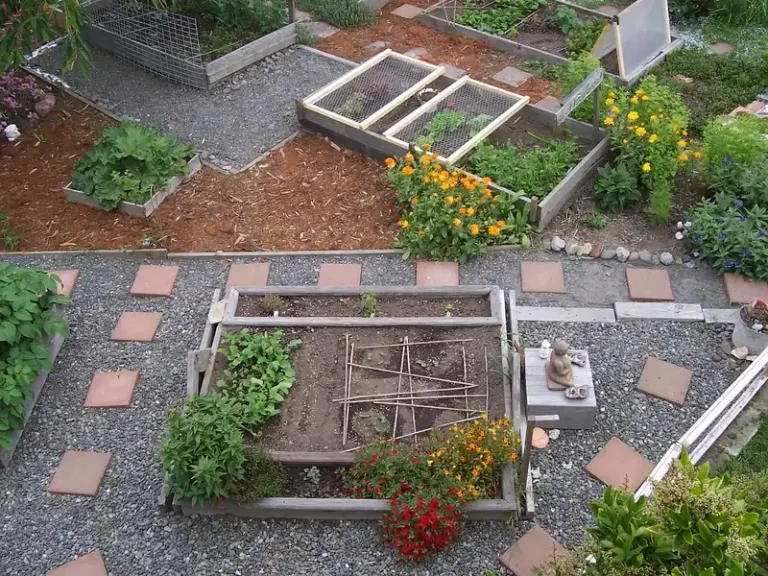
In-ground vegetable beds are the easiest place to use plain corrugated cardboard. Lay it over cleared soil, overlap the seams, and cover it with mulch. That setup helps prevent new weeds from sprouting while leaving the soil surface open enough for moisture and air to move through.
Raised beds
Raised beds can use cardboard under mulch as long as the bed already has soil and the cardboard is not acting as a buried liner at the bottom. A bottom layer can slow drainage if the bed is shallow or waterlogged. The safer placement is on top of cleared soil and under the mulch cap.
New bed renovation
Cardboard is often used when turning a weedy patch into a planting bed. It smothers existing weeds by blocking light, then softens under mulch and soil life. It is a prevention layer first, not a fix for deep-rooted perennial weeds that are already well established.
Around transplants vs seeded beds
Transplants work better with cardboard because you can cut planting holes and place the plants after the barrier is laid. Seeded beds are different. Seeds need direct soil contact and even moisture, so a cardboard layer can interfere with germination unless it is fully removed or used only in paths and non-seeded zones.
Suppose you are planting tomatoes into a renovated bed on May 1. Cardboard plus mulch can help hold down weeds around the transplants. If you plan to direct sow beans the same week, keep the seed row free of cardboard so the seed can reach soil and sprout evenly.
How to use it under mulch
The safest method is simple: clear existing weeds, lay flat cardboard with overlaps, then cover it with mulch. Cardboard should stay below the mulch layer, not exposed as the top surface. That placement helps with weed suppression, moisture retention, and breakdown without leaving loose fragments in the bed.
- Remove existing weeds and grass as well as you can.
- Cut the cardboard so it lies flat with overlaps of a few inches at the seams.
- Strip off tape, staples, labels, and plastic bits before laying it down.
- Wet the cardboard lightly so it stays in place.
- Cover it with a mulch layer such as wood chips, straw, or leaves.
- Cut planting holes only where you need transplants, then water the bed well.
Best mulch depths for weed suppression
A mulch layer needs enough depth to block light and slow new weed growth, while still letting water reach the soil below. A common garden rule of thumb is about 2 to 4 inches for finer mulch like straw or leaves, with a somewhat deeper layer often used for coarse wood chips. Keep the mulch off stems and crowns.
Removal before application
Cardboard works as prevention, not as a reliable way to kill large, established weeds on its own. Pull, cut, or dig out what you can first. If perennial weeds are left intact under a weak barrier, they may push through seams, especially if the board is thin or the mulch layer is too shallow.
What should you use instead?
If cardboard seems questionable, use a mulch-only approach or a temporary tarp. Straw, leaves, wood chips, and silage tarps all suppress weeds differently. The best substitute depends on whether you want to plant right away, renovate a bed, or keep a path clear without burying extra material in the soil.
Straw and leaf mulch
Straw and leaf mulch are the easiest alternatives for vegetable beds because they sit on top of the soil and can be refreshed as they break down. They do not create a buried layer, so they are less likely to block root access or trap questionable coatings under the surface.
Wood chips
Wood chips work well for paths and perennial edges, and they also suppress weeds in beds that are not being dug frequently. They are slower to break down than cardboard, so they suit longer-term mulch use. Keep them on top of the soil, not mixed into the root zone of annual vegetables.
Silage tarps
Silage tarps suppress weeds without adding a material layer to the soil. They are useful for stale seedbed prep or for clearing a patch before planting. Because they are temporary and removable, they avoid the contamination and fragmentation questions that come with questionable cardboard.
When to skip cardboard entirely
Skip cardboard if the only boxes available are waxed, glossy, heavily printed, or packed with tape and adhesives. Skip it again if you are sowing a bed directly by seed or if drainage is already weak. In those cases, a clean mulch or tarp is the safer weed-control choice.
Frequently asked questions
Are cardboard weed barriers safe for vegetable gardens?
Plain corrugated cardboard is generally safe in vegetable gardens when it is clean, uncoated, and covered with mulch. Safety drops fast once the board has wax, plastic film, heavy ink, tape, or adhesive labels. The material should sit on the soil surface as a temporary weed barrier, not as buried debris.
Can I use cardboard under raised beds for vegetables?
Yes, but only in limited situations. Cardboard can help smother grass or weeds under a raised bed location, yet it should not become a thick, sealed bottom layer in a shallow bed. If drainage is poor or the bed is going on compacted soil, a tarp or surface mulch is usually a better option.
Should cardboard be used around tomatoes and other vegetables?
Yes, around transplants it can work well. Tomatoes, peppers, and similar crops tolerate cardboard under mulch because you can cut holes for planting and keep the barrier out of the immediate root crown. For direct-seeded crops, avoid covering the seed row with cardboard because germination needs direct soil contact.
Does cardboard in a garden affect soil or plant roots?
It can. Plain corrugated cardboard changes water movement, air exchange, and decomposition activity near the surface. Roots usually move through softened material, but a thick or coated layer can slow access and create temporary nitrogen tie-up. That risk is highest when the cardboard sits deep or stays wet for too long.
Is printed or coated cardboard safe to put in a vegetable garden?
Light printing is usually less concerning than full-surface color, but heavily printed, glossy, waxed, laminated, or plastic-coated cardboard should be skipped. Those finishes change how the material breaks down and may leave fragments or shed contaminants. When the surface looks shiny or film-like, it is safer not to use it.
How long does cardboard take to break down in a garden bed?
It depends on thickness, moisture, and soil life. Thin plain corrugated board may soften within a few weeks and fragment over a season. Double-wall board tends to last longer. In active soil under mulch, breakdown is faster; in dry or compacted beds, it can persist much longer and remain as unfinished fragments.
Do I need to remove tape, staples, and labels from cardboard before using it?
Yes. Tape, staples, labels, and adhesive patches should come off first because they do not behave like plain cardboard in soil. Plastic tape and laminated labels are especially worth removing. If the board is covered in too many attached parts to clean easily, it is better to choose another barrier.
What should I use instead of cardboard if I want a safe weed barrier?
Use straw, leaf mulch, wood chips, or a silage tarp depending on the bed and timing. Mulches are best for beds that are already planted. Tarps are better when you need a temporary knockdown before planting. All of these avoid the coating and contamination questions that come with uncertain cardboard.