Soil Science Basics
For gardeners, soil basics usually come down to a few checks: texture, drainage, organic matter, pH, and nutrients; pH is often worth checking first, because many vegetables tend to do best in roughly the 6.0 to 7.0 range. Miss those signals, and weak growth, yellow leaves, root rot, and wasted fertilizer show up fast. I use this approach to read what each soil property is telling me, what it disrupts, and the next fix for in-ground beds, raised beds, and containers.
What is soil science all about?


Soil science is the study of soil as a natural resource, and for gardeners it means reading the root zone to find the real cause of failure. It asks what the soil is made of, how water moves, why roots stall, and which test gives the next useful answer.
Soil science in plain language: reading the root zone
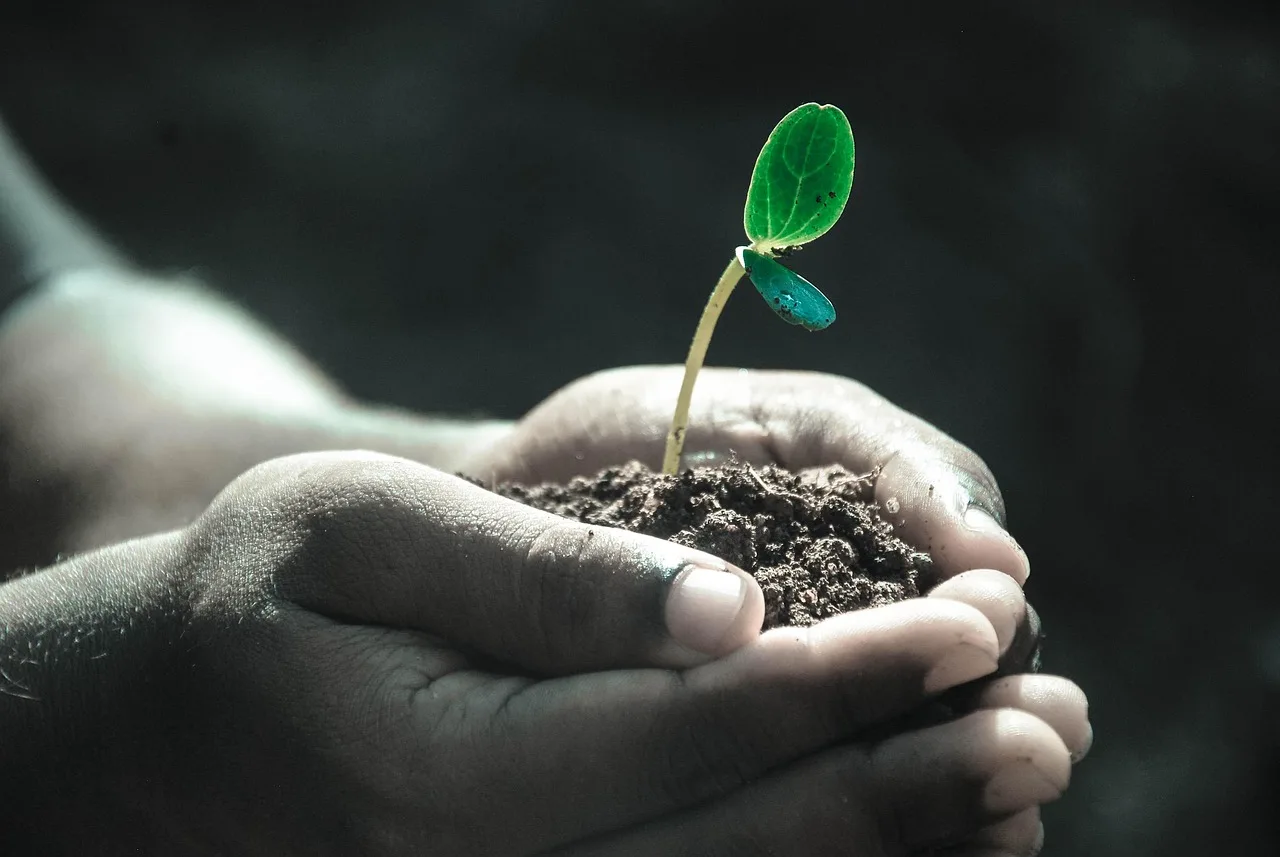
Soil is the natural material on the earth’s surface, part of the pedosphere, where mineral particles, decayed plant residues, water films, pore air, and living organisms interact. Soil supports the life of plants and soil organisms. In a garden, that shows up when one bed crusts after rain, another dries out by noon, and another stays sticky for days.
Good diagnosis starts with symptoms gardeners can actually see. Runoff usually points to weak structure or compaction. Pale leaves can come from low fertility, but I often find pH is the real block. Shallow roots usually mean poor aeration, a dense layer, or repeated wet-dry stress near the surface.
Pedology vs edaphology: the two branches gardeners should know
Soil science has two basic branches: pedology and edaphology. Pedology studies how soil forms, how horizons develop, and how soils are classified and mapped across a site. Edaphology studies how those same soils affect living things, especially plant growth in the root zone. (en.wikipedia.org)
Gardeners need both. Pedology explains why a yard has a thin dark top layer over dense subsoil. Edaphology explains why that same spot grows lettuce poorly until drainage and pH are corrected. NRCS says it delivers science-based soil information for land managers, and that same approach helps home growers stop guessing.
Why soil science matters more when plants struggle
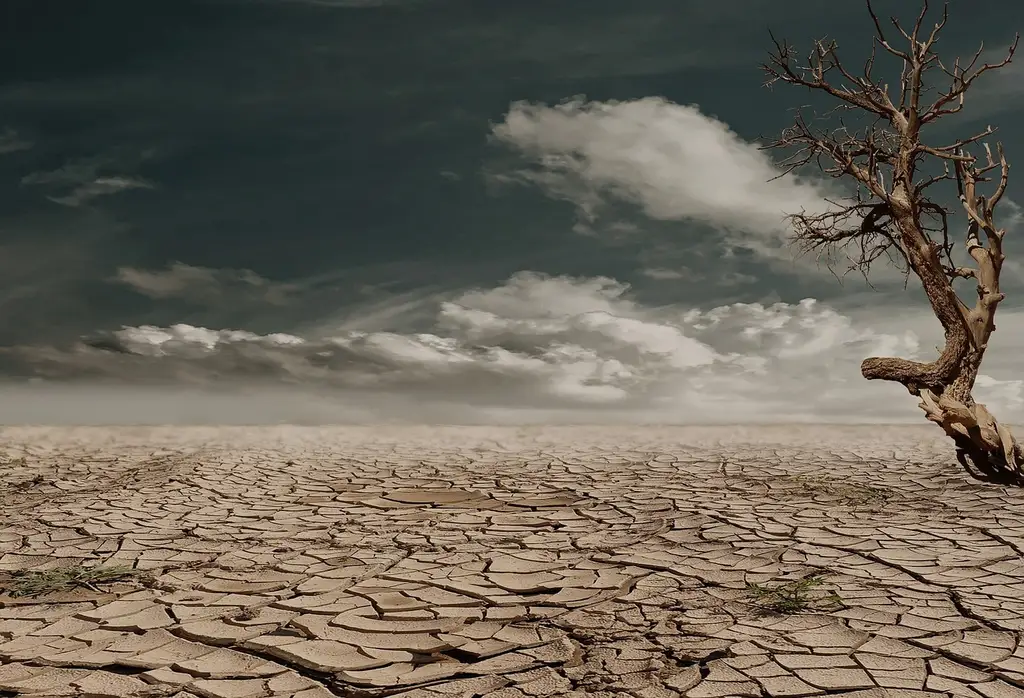
When growth is weak, fertilizer alone is often the wrong first move. Soil has four important functions, including plant growth and water storage. If water cannot enter, drain, or stay in the right place, nutrients do not fix the main problem.
This is why soil science basics work best as a diagnosis system. Each property points to a failure pattern, a test, and a first fix.
According to soils4teachers.org — Soils 4 Teachers calls soil the ‘skin of the earth’.
What is soil made of, and how is soil different from dirt?
Soil is a working mix of mineral grains, water, air, decomposing residues, and living organisms, and those parts shift with rain, drying, digging, and compost use. Dirt is soil that is out of place or has lost much of its living structure, rooting function, or stable arrangement.
The main components: minerals, organic matter, water, air, and organisms
Soil contains sand, silt, and clay particles, partially decayed plant and animal residues, pore water, pore air, and organisms from bacteria to earthworms. In garden terms, the mineral fraction sets texture, the organic fraction feeds biology and helps aggregation, water fills part of the pore space, air fills the rest, and living organisms drive decomposition and nutrient cycling.
If a bed stays waterlogged, it is not short on water. It is short on air. If a bed dries too fast, it may have large pores, low organic matter, or both. If the surface seals into a crust, the mineral mix and structure are giving you an early warning before the plants do.
How these parts shift after rain, tillage, and compost additions
After heavy rain, pore spaces that once held air can fill with water. After repeated tillage, stable aggregates can break apart and settle tighter. After compost additions, the surface often turns darker, softer, and easier to wet because organic matter helps particles bind into better structure.
Organic matter in soil composition is about 5% as a plain reference point, but many garden beds run above or below that. Raised beds built from bagged blends may start high and then decline fast. Sandy in-ground beds may stay low unless compost is added steadily.
Soil vs dirt: when living structure is lost
The Soil Science Society of America defines soil as unconsolidated mineral or organic material. Soils 4 Teachers calls soil the “skin of the earth.” Dirt is soil that is out of place. In plain garden language, dirt is what ends up on boots, in wheelbarrows, or piled where roots cannot use it.
The useful distinction is function. Soil supports roots, water movement, and soil life. Dirt is displaced, compacted, buried, scraped, or dead enough that those functions have been reduced.
How soil forms and why horizons matter in a garden
Soil forms as rock, old sediments, or transported material break down and mix with organic inputs under rainfall patterns, temperature swings, root activity, slope, and long periods of time, and those forces leave layers called horizons. Gardeners do not need a full classification lesson, but they do need to know that sudden changes in color, density, or texture explain drainage and rooting problems.
Parent material, climate, organisms, relief, and time
A sandy coastal plain, a silty floodplain, and a heavy clay upland begin with very different geologic or deposited materials. Slope changes how water moves and where soil is lost or piled up. Plants, microbes, and earthworms rework the profile over time. Climate sets the pace of wetting, drying, weathering, and decomposition.
These forces matter because they set the limits of a site. A raised bed can improve the top layer, but if roots hit tight clay below, winter drainage and deep rooting can still fail. A sloped in-ground bed may lose water to runoff no matter how fertile the surface looks.
Soil horizons and what a quick profile tells you
A soil horizon is a distinct layer in the profile. A quick spade slice often shows a dark topsoil, a lighter or denser subsoil, and sometimes a sharp compacted layer. That sharp change often predicts standing water above it and weak roots below it.
Look for three things in a profile: depth of the dark top layer, where roots stop, and whether water sits on a denser layer after irrigation. Those clues often explain why one tomato row thrives while the row a few feet away stalls.
Why topsoil depth changes rooting, drainage, and fertility
Topsoil depth controls how much loose, active rooting volume plants get before they hit resistance. Shallow topsoil over dense subsoil often dries quickly at the surface yet drains poorly after storms. I see this confuse beginners all the time, because the same bed can look dusty one day and soggy the next.
Soil texture: what sand, silt, clay, and loam tell you
Particle size basics and the feel test
Soil texture is the relative proportion of sand, silt, and clay, and it predicts feel, drainage, and water holding. Sand has coarse particles ranging from 0.05 mm to 2 mm. Silt measures between 0.002 mm and 0.05 mm. Clay particles are smaller than 0.002 mm.
A simple feel test is useful. Sand feels gritty. Silt feels smooth or floury when dry. Clay feels sticky when wet and can form a ribbon when pressed between fingers. Texture changes slowly because it is tied to mineral particle size, not recent compost additions.
Sandy, silty, clay, and loamy soils: how each behaves
Sandy soil drains fast, warms fast, and loses nutrients easily through leaching. Garden symptoms include fast drying beds, frequent wilting, and pale growth after heavy irrigation. Clay soil holds water longer, can stay sticky, and compacts easily. Symptoms include slow infiltration, standing water, and roots that spread sideways near the surface.
Silty soil often feels pleasant to work but can crust hard when structure is weak. Loam is a balanced soil texture that gives workable drainage, moderate water holding, and easier root growth than pure sand or heavy clay. Gardeners like loam because it is forgiving, not because it is magic.
Why loam is often easiest to manage
Loam often gives the widest margin for error. It wets more evenly than sand and drains better than clay. Seeds emerge more reliably because the surface is less likely to crust hard or crack wide. Roots also explore more deeply when the structure is sound.
Soil structure: why two clay soils can grow very differently
Aggregates, peds, pore space, and infiltration
Soil structure is how particles clump into aggregates, also called peds, and it can matter nearly as much as texture for garden performance. Structure controls pore space, infiltration, aeration, and root movement, so two clay soils with the same texture can behave very differently after rain.
One clay bed may have crumbly aggregates and good pores from roots, organic matter, and low traffic. Another may be dense, slick, and blocky from repeated digging when wet or from constant foot traffic. Same clay content. Very different result.
Compaction, crusting, runoff, and poor root growth
Crusting can form when weak surface aggregates break down under rain or irrigation, then dry into a sealed surface. Water runs off instead of entering. Seedlings struggle to push through. Compaction below the surface reduces larger pores, so roots stop, oxygen drops, and wet feet become common.
This is why structure should never be treated as the same as texture. Texture tells you the mineral size mix. Structure tells you how that mix is arranged right now.
How tillage, traffic, and organic matter change structure
Tillage can fluff soil for a short time but also breaks aggregates if repeated too often. Foot traffic compacts the same paths quickly, especially in clay and silt. Organic matter helps because decomposed residues, roots, fungal threads, and microbial byproducts all help bind particles into stable crumbs.
Avoid the common home-garden mistake of adding sand to clay as a standard fix. In most beds, that creates a denser mix unless the change is extreme. Compost, surface mulch, rooting, and traffic control are safer first moves.
What do pH, organic matter, microbes, and humus mean for plant growth?
These four soil properties explain many garden failures that texture alone cannot. pH affects nutrient availability, organic matter changes water and aggregation, microbes drive decomposition and nutrient cycling, and humus is the stable end stage of decay that helps hold nutrients and moisture in the soil matrix.
Soil pH and nutrient availability
Soil pH is a chemical property that affects which nutrients stay available to roots. A bed can contain nutrients and still grow yellow plants if pH is far off for the crop. This is why pH is one of the first tests to run before adding more fertilizer.
For vegetables, the practical question is simple: is the pH low enough or high enough to block uptake? If yes, that changes lime, sulfur, or crop-choice decisions before anything else.
Organic matter vs humus: what each changes in the bed
Organic matter is decomposed plant and animal material in various stages of breakdown. It improves nutrient supply, water retention, and structure. Humus is the final stage of decomposition, a stable part of the organic matter pool that helps the soil matrix hold water and nutrients more steadily.
Fresh compost, partly broken-down mulch, root residues, and humus do not all behave the same over the same timeframe. Fresh inputs feed microbes sooner. Humus changes the background condition of the bed more slowly.
Soil microbes, decomposition, and nutrient cycling
Soil microbes include bacteria, fungi, and other microorganisms. They break down residues, cycle nutrients, and help form stable aggregates. If a bed is constantly saturated, compacted, or stripped of organic inputs, microbial activity shifts and many nutrient flows slow down.
Gardeners do not need to count microbes. They need to create conditions they work well in: oxygen, moderate moisture, roots, and regular carbon inputs.
Soil fertility: what it includes and how gardeners measure it
Soil fertility is more than N-P-K. In practical terms, it includes nutrient supply, pH, rooting depth, water movement, and biological activity. A fertile bed on paper can still fail if it is compacted, acidic for the crop, or too wet for roots to function.
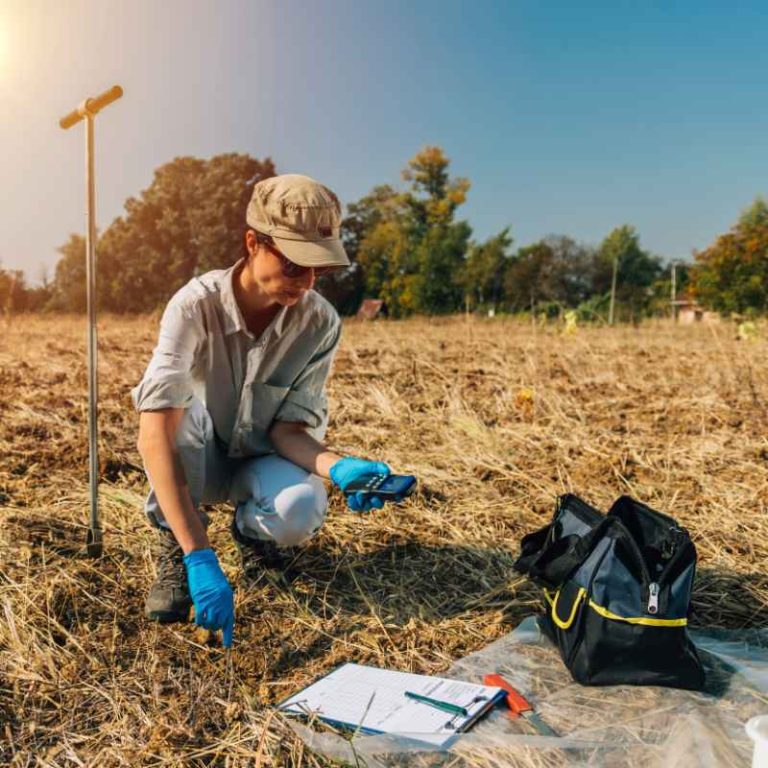
Measure fertility with a basic soil test for pH and nutrients, plus field observation of drainage, root depth, and surface behavior. The report tells part of the story. The shovel tells the rest.
How to diagnose common garden problems from soil clues
Common garden symptoms can be read as soil clues. Fast drying often points to sand or low organic matter, stickiness points to clay or poor structure, crusting points to unstable surface aggregates, and shallow roots point to compaction, poor aeration, or a dense horizon below the worked layer.
Fast-drying beds, pale growth, and nutrient leaching in sandy soil
Sandy beds wet fast and drain fast. That sounds good until nutrients move with the water. The classic pattern is pale leaves after rain or frequent irrigation, plus midday wilt even when plants were watered yesterday.
The best first checks are a texture feel test and a simple soak test. If water disappears quickly and the bed dries a few inches down soon after, increase compost, use mulch, split fertilizer into smaller doses, and water more deeply but less often.
Sticky soil, standing water, and overwatering risk in clay
Clay beds often get overwatered because the surface can look dry while the root zone stays wet below. The symptom pattern is sticky soil, standing water, yellowing from poor root function, and slow growth that gardeners misread as hunger.
Use a spade or trowel before irrigating. If the soil below the top layer is still moist and smears when pressed, skip water. Improve structure with organic matter and traffic control, and keep irrigation intervals longer than in sand.
Crusting, runoff, shallow roots, and post-traffic compaction
If irrigation beads and runs off, the surface may be crusted or compacted. If roots are shallow and bend sideways, they likely hit a dense layer. Foot traffic is a frequent cause in kitchen gardens where harvest paths wander through beds.
Rake or roughen crusted surfaces lightly before reseeding, then cover with a fine mulch after emergence. Keep fixed paths. In raised beds, never step in the bed. In-ground beds may need broadforking or careful loosening if a dense layer is clear and the soil is not wet.
Raised beds, in-ground beds, and containers: same symptom, different cause
Fast drying in a raised bed often means low water-holding and high edge exposure. In-ground, it often points to sandy texture or shallow topsoil. In containers, it may be a coarse mix with little fine organic fraction. Same symptom, different fix.
Standing water in raised beds often means the fill settled into a dense mix or the soil below the bed blocks drainage. In containers, it usually means the mix has broken down or the pot drains poorly. Always diagnose in place.
The first three soil tests gardeners should do
Texture and infiltration: jar test, ribbon test, and soak test
Start with one hands-on texture check and one water-movement check. These are cheap, fast, and often explain more than a fertilizer bag can. The goal is to learn whether the bed is dominated by sand, silt, or clay, and whether water enters and drains at a useful rate.
- Moisten a handful of soil and do a ribbon test. Grit points to sand; smoothness points to silt; a sticky ribbon points to clay.
- Run a jar test if the mix is unclear. Let dispersed soil settle and compare the visible layers of sand, silt, and clay.
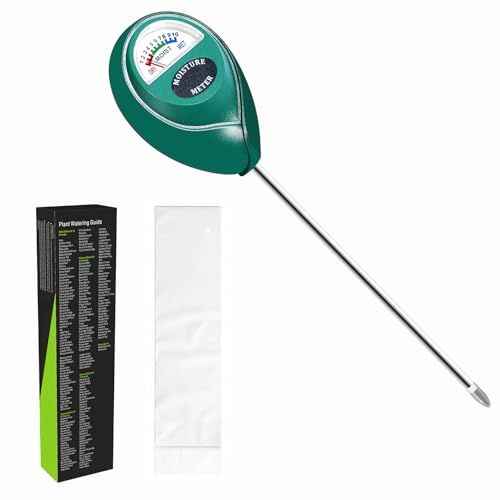
- Do a soak test in the bed. Fill a small hole with water, let it drain once, then refill and watch whether it enters quickly, slowly, or stalls near the surface.
pH testing: when strips work and when a lab test is better
pH is the second priority because it changes nutrient availability and crop choice. Simple strips or home kits are good for a quick yes-or-no answer when a bed is clearly off. A lab test is better when crops repeatedly yellow, yields stay low, or past amendments are unknown.
Basic fertility and organic matter testing: what a soil report can and cannot tell you
The third test is a basic fertility panel with organic matter if available. That gives a starting read on nutrient supply and whether the bed likely needs more carbon inputs. It cannot tell you structure, compaction, or how roots move through a dense horizon. That still takes a shovel.
Soil diagnosis matrix: symptom, likely cause, best test, first fix
How to use the one-page matrix
Use the matrix by starting with the symptom the garden shows today, then matching it to the most likely soil property behind it. Run the field or lab test in the next column. Apply the first fix only after the test confirms the direction. That order avoids random amendments.
Quick paths for sandy, loamy, and clay beds
| Bed type | Common symptom | Likely soil cause | Best field or lab test | First fix |
|---|---|---|---|---|
| Sandy | Fast drying, pale growth after watering | Low water-holding and nutrient leaching | Feel test plus soak test; basic fertility test | Add compost, mulch, split fertilizer into smaller doses, water deeper |
| Sandy | Weak seedlings in hot weather | Surface dries too fast | Check moisture below seed depth | Use fine compost at the surface and lighter, more frequent early irrigation |
| Loamy | Runoff after rain | Surface sealing or mild compaction | Surface inspection and soak test | Mulch, reduce bare soil, keep feet off beds, add organic matter |
| Loamy | Yellow leaves despite feeding | pH limiting uptake | pH test | Adjust pH for the crop before adding more fertilizer |
| Clay | Sticky soil, standing water, slow roots | Poor structure and low aeration | Ribbon test, profile check, soak test | Delay irrigation, add compost, protect from traffic, loosen only when not wet |
| Clay | Crusting and poor emergence | Weak surface aggregates | Surface check after rain or overhead watering | Lightly roughen surface, use mulch after emergence, avoid working wet soil |
Printable summary for garden planning and troubleshooting
For anyone searching what is soil science pdf, this matrix is the printable summary to keep by the potting bench or in a notebook. Put one copy with seed plans. Put another near soil test results. It works as a one-page decision sheet: symptom, cause, test, first fix.
The key is priority. Start with texture or infiltration, then pH, then a basic nutrient or organic matter test. Those three answer most beginner garden failures faster than any long list of products.
Frequently asked questions
what is soil made of?
Soil is made of minerals, organic matter, water, air, and living organisms. Those parts do not stay in fixed proportions through the season. After rain, more pore space holds water; after drying, more holds air; after compost, the organic fraction and biological activity usually rise.
what is the difference between soil and dirt?
Soil is functional root-zone material on the earth’s surface, with structure, pore space, biology, and plant support. Dirt is soil that is out of place or has lost much of that function through scraping, burial, compaction, or displacement. Gardeners use soil for growing and clean up dirt from paths.
what are the four main components of soil?
The four main components usually listed are minerals, organic matter, water, and air, with living organisms present throughout the system. For gardening, that list matters because each part points to a different problem: texture from minerals, aggregation from organic matter, wetness from water, and root oxygen from air.
what is soil texture vs soil structure?
Soil texture is the proportion of sand, silt, and clay, which controls feel, drainage tendency, and water holding. Soil structure is how those particles clump into aggregates or peds, which controls infiltration, porosity, aeration, and compaction risk. Texture changes slowly; structure can change within a season.
what does soil pH mean for plant growth?
Soil pH describes how acidic or alkaline the root zone is, and that affects nutrient availability. Plants can show yellowing or stalled growth even when nutrients are present if the pH is far from the crop’s useful range. That is why pH testing belongs near the top of every diagnosis routine.
what is soil fertility and how do you measure it?
Soil fertility is the soil’s ability to supply what plants need for steady growth, including nutrients, workable pH, rooting depth, water movement, and biological activity. Measure it with a soil test for pH and nutrients, then confirm with field checks for drainage, compaction, root depth, and organic matter behavior.