Can You Use Garden Soil in Pots? What to Know First
You can use garden soil in pots only if it stays loose, drains quickly, and holds air between particles; if it clumps, stays wet, or contains heavy clay, skip it. Bad potting mix can suffocate roots, slow growth, and cause rot. This guide shows how to judge garden soil in under two minutes and what to use instead.
Can you use garden soil in pots?

Usually, no for small pots. Garden soil is denser than potting mix, so it compacts more easily in containers and leaves less air around roots. It can sometimes work in a large outdoor planter if the soil is loose and the container has several drainage holes, though it is generally considered a weaker choice than a container blend.
When garden soil is merely inconvenient
Garden soil is less risky when the container is large, deep, and outdoors, because there is more root room and more drainage margin. Even then, the mix should feel crumbly, not sticky, and water should move through it instead of sitting in the bottom of the pot.
What changes the risk level
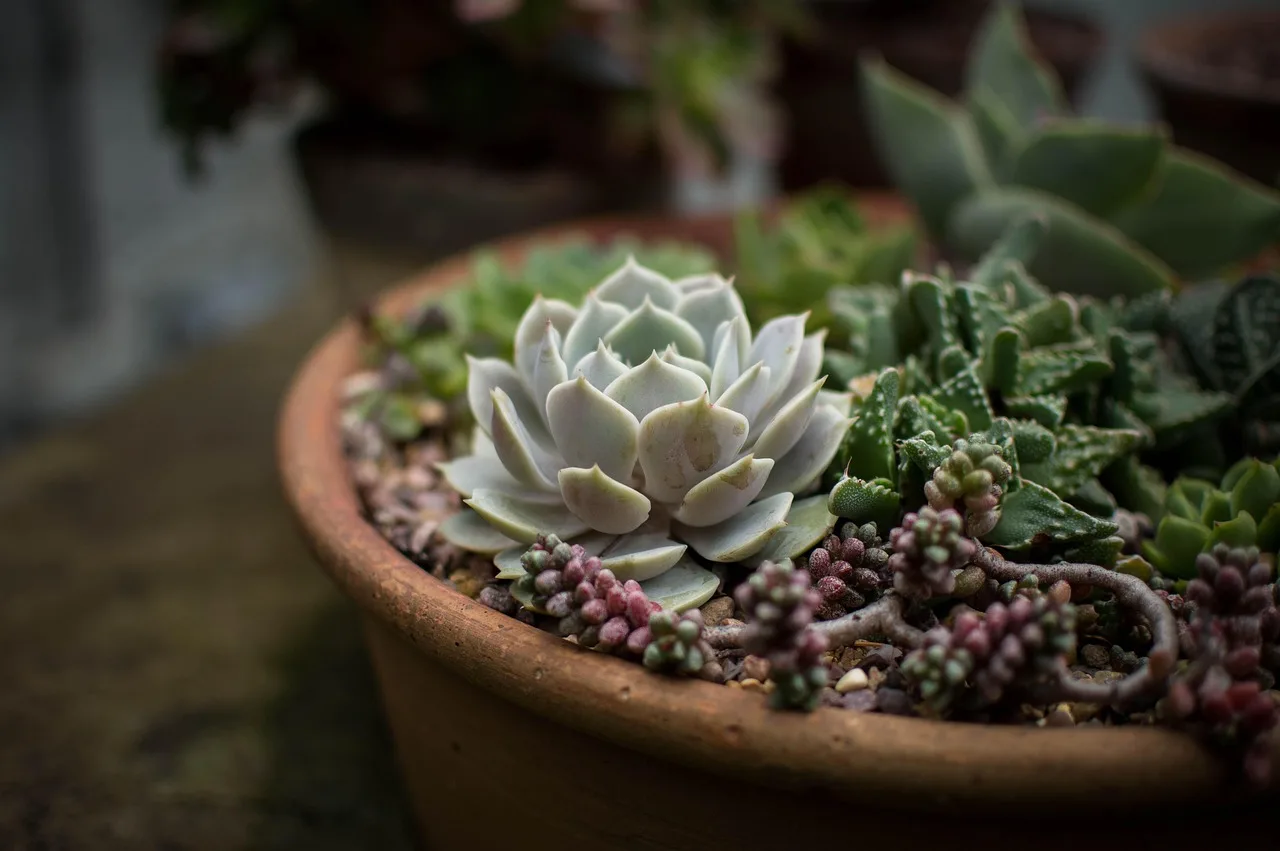
The risk climbs fast when the pot is small, the plant is water-sensitive, or the soil contains a lot of clay. Succulents, seedlings, and many houseplants need a lighter medium than garden soil usually provides. Herbs sit in the middle: they tolerate more than seedlings, but they still want drainage and oxygen.
Garden soil vs. potting mix
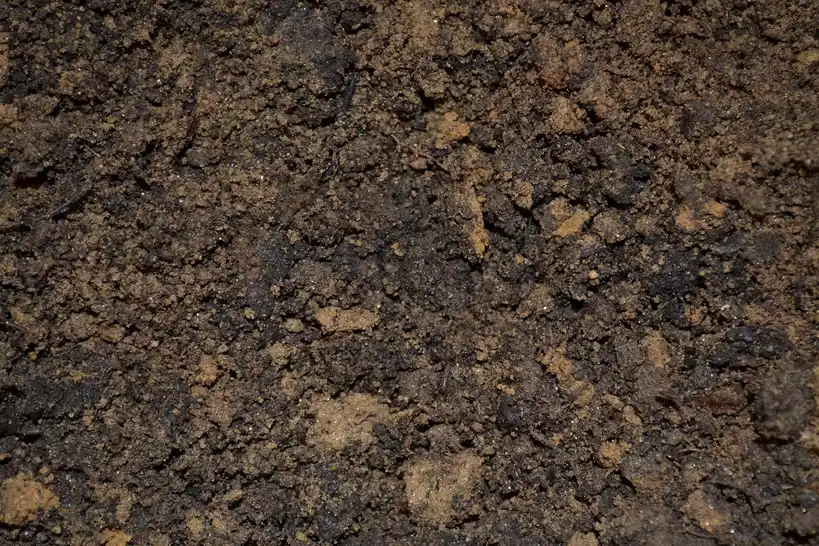
Garden soil usually includes sand, silt, clay, organic matter, and microorganisms from ground soil layers. Potting mix is built for containers and is often blended from peat moss, coconut coir, perlite, and vermiculite, with bark or compost in some formulas. That difference matters because pots need a medium that stays open to air after watering.
What topsoil is, and why it is not the same thing
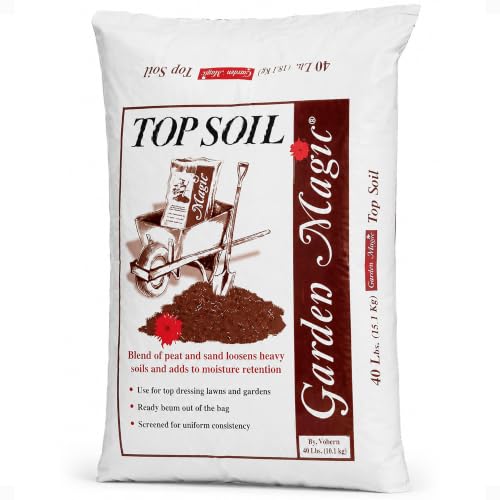
Topsoil is sold for in-ground use or filling jobs, not usually for small containers. It is denser than potting mix and often behaves more like garden soil than a container blend. In a pot, that extra density can create poor drainage and compaction instead of steady root growth.
| Material | Typical use | Container behavior | Best fit |
|---|---|---|---|
| Garden soil | Beds and ground planting | Heavier; can compact in pots | Large, deep outdoor planters only in limited cases |
| Topsoil | In-ground fill and general landscaping | Denser than potting mix; poor drainage risk | Not a default for containers |
| Potting mix | Container growing | Lightweight and airy; built for drainage | Most pots and planters |
What happens in a container
Container soil failure usually comes down to packing tight and low oxygen. As garden soil gets watered again and again, the particles settle closer together, pore space shrinks, and roots get less air. Water then lingers in the bottom of the pot, which raises the chance of root rot.
Compaction and loss of pore space
In a loose medium, the gaps between particles let water drain and air move. In a dense medium, those gaps close up. The pot may feel heavy long after watering, the surface may crust, and roots may struggle to spread through the mix.
The perched water table, in plain language
A perched water table is the water that hangs at the bottom of a container after watering because gravity cannot pull it all the way out. Dense media make that puddled layer thicker. The smaller the pot and the finer the soil, the more likely roots sit in damp, low-oxygen conditions.
How low oxygen leads to root rot
Roots need oxygen to keep working. If the mix stays soggy, roots cannot breathe well and they begin to fail. That is why a plant can wilt even after watering: the roots are too stressed to take up water properly.
Container soil decision matrix
Use this as a fast triage tool. Match the plant, the container, and the soil feel to the action that best protects the roots. If two columns point to a stricter answer, follow the stricter one.
| Plant type | Pot size / drainage | Soil texture and moisture feel | Recommended action |
|---|---|---|---|
| Succulents | Any pot without drainage holes | Heavy, sticky, or wet for days | Never use |
| Succulents | Small pot with holes | Loose, gritty, dries quickly | Amend heavily or repot |
| Herbs | Medium pot with several holes | Crumbly and drains in a steady stream | Use as-is only if mixed with container ingredients |
| Seedlings | Seed tray or small pot | Any dense or lumpy mix | Never use |
| Houseplants | Standard pot with holes | Slightly moist, not slick or clay-like | Repot if the mix was packed in garden soil |
| Houseplants | Large, deep outdoor planter with several holes | Loose, granular, and not crusted | Amend heavily |
Quick yes/no checklist
- Drainage holes? Yes or no.
- Soil texture loose and crumbly? Yes or no.
- Water runs through without backing up? Yes or no.
- Mix still wet hours later, or still soggy the next day? Yes or no.
- Plant showing yellowing, stalling, or wilting after watering? Yes or no.
If you answered no to the first three and yes to the last two, the medium is too dense for healthy container growth.
Can you mix garden soil with potting soil?
Yes, but only in limited cases. A small amount of garden soil can be tolerable in a large planter if the rest of the blend is airy and the plant can handle some moisture retention. For many containers, though, mixing still leaves the medium too dense unless you add a lot of drainage material.
Which amendments matter most?
Perlite is the main drainage helper because it keeps the mix open. Vermiculite also supports aeration while holding some moisture. Coco coir and peat moss are useful when you need water retention without turning the pot into mud. A common amendment ratio suggested is 1:4 compost to potting soil, and one competitor recommends a 30/70 blend of garden soil and potting soil with perlite or vermiculite added to improve drainage.
That 30/70 blend is still a compromise, not the best choice. If the garden soil is clay-heavy or the pot stays wet after watering, the safer move is a full repot into a container mix.
When mixing still leaves the blend too dense
Suppose a 10-inch patio pot holds basil in garden soil that feels slick when wet and hard when dry. Even if you stir in potting mix, the clay fraction can keep the blend tight. In that case, the plant is better off in a new container mix than in a half-fixed pot.
Signs your container soil is too dense
Dense container soil shows up fast. Water drains slowly or pools on top, the pot stays heavy for too long, and the surface can crust after repeated watering. Plants may yellow, stall, or wilt after watering because the roots are short on oxygen. Root rot risk rises as the mix stays soggy.
How to judge the mix by feel
- Water the pot fully.
- Check whether water moves through quickly or hangs around.
- Lift the pot once it finishes draining.
- Feel the top inch. It should be moist, not sticky or paste-like.
- Check again later the same day. If it is still waterlogged, the mix is too dense.
A good container mix feels light and springy when squeezed. A bad one feels heavy, slick, and compacted. The difference is easy to notice once you know to look for it.
Picture a 6-inch houseplant pot that was filled with garden soil and watered on Monday. By Wednesday, the top still feels damp and the leaves have gone soft even though the soil was wet enough. That is a classic sign that the roots are sitting in a low-oxygen pocket rather than a healthy container mix.
How to fix an already-potted plant
If the plant is already in garden soil, start with drainage holes and a feel test. If the pot has none, or if the mix stays wet after watering, unpot the plant and replace the medium. If the plant is in a large planter and the soil is only moderately dense, you may be able to amend the top portion and improve drainage around the root ball.
A practical salvage workflow
- Check the drainage holes. If there are none, repot.
- Water once and watch how fast it drains.
- Look for crusting, sour smell, or a pot that stays heavy.
- Slide the plant out if roots are circling, brown, or soft.
- Replace dense soil with a container blend built from potting mix plus perlite, vermiculite, coco coir, or peat moss as needed.
For an actively struggling plant, do not keep layering new mix on top of old compacted soil. That can trap the roots in a dense core. Full replacement is safer when the old medium feels sticky, fine-textured, or stays wet too long.
When to unpot and replace the mix
Unpot when the plant is a succulent, a seedling, or a small houseplant in a tight container. Unpot when the soil has baked into a crust or smells sour. Unpot when yellowing and wilting continue even after watering is reduced. Those are signs that the medium, not just the schedule, is the problem.
Frequently asked questions
What happens if you put garden soil in containers?
It usually compacts faster than potting mix, which cuts down pore space and slows drainage. The bottom of the pot can stay wetter than the top because of the perched water table, and roots may lose oxygen. That combination raises the chance of slow growth, yellowing, and root rot.
What soil should you use instead of garden soil in pots?
Use a container-specific potting mix. It is usually lighter and airier because it may contain peat moss, coconut coir, perlite, vermiculite, bark, or compost. Those ingredients help the medium hold enough moisture for roots without packing down into a wet block.
Is topsoil the same as potting mix for containers?
No. Topsoil is meant for in-ground or filling uses and is usually denser than potting mix. In containers, that density can cause compaction and poor drainage. Potting mix is built for pots, so it stays lighter and supports root oxygen after watering.
When is garden soil usable in a large planter?
It is most usable in a large, deep outdoor planter with several drainage holes, and only if the soil is loose, not heavy with clay, and not already staying wet too long. Even then, it is usually better to blend it heavily with a container mix than to use it straight.
Can you mix garden soil with potting soil for pots?
Yes, but only as a controlled compromise. A small amount can work in a large planter if you also add drainage-improving ingredients such as perlite or vermiculite. If the mix still feels heavy, slick, or slow to drain, the blend is still too dense for healthy roots.
What are the signs that container soil is too dense?
Watch for slow drainage, crusting on the surface, a pot that stays heavy long after watering, and plants that wilt, yellow, or stall. If the mix feels sticky when wet and hard when dry, it is probably compacting instead of staying loose enough for root growth.