What Soil to Use in Raised Bed Vegetable Gardens (Best Picks)
Whether you’re a seasoned gardener or a first-time grower, the soil you choose for your raised bed vegetable garden can make or break your harvest. The right soil blend is the lifeblood of healthy, productive plants—impacting everything from root development to disease resistance and crop yield.
With the surge in popularity of raised bed gardening across urban and suburban landscapes, understanding the nuances of raised bed soil is more critical than ever.
Despite the convenience of raised beds, many gardeners experience disappointing results simply because they use subpar soil or the wrong mix altogether. Navigating the sea of commercial “garden soil” bags, amendments, and home-brewed recipes can be overwhelming. This guide distills the science, expert recommendations, and real-world case studies to help you create the optimal growing environment in your raised vegetable garden—maximizing your harvest, reducing pests, and building a sustainable system for years to come.
Key Takeaways
- The best soil for raised beds is a loose, fertile blend with excellent drainage and high organic matter.
- Commercial “garden soil” is not always suitable for raised beds—custom blends often outperform pre-bagged products.
- Essential components include topsoil, compost, aeration amendments, and nutrient sources like worm castings.
- DIY “Mel’s Mix” and its variants are popular for their proven results in home gardens.
- Soil should be tested and amended annually for pH balance, fertility, and structure.
- Smart soil selection reduces disease, increases yields, and supports sustainable gardening.

Credit: www.vegetable-gardening-online.com
Understanding Soil Requirements For Raised Bed Vegetable Gardens
The unique environment of raised beds alters the way soil behaves compared to traditional in-ground gardens. Factors such as drainage, temperature, and nutrient dynamics are different, demanding a tailored approach to soil selection.
The Impact Of Raised Bed Design On Soil Needs
Raised beds typically have improved drainage, which helps prevent waterlogged roots but also means the soil can dry out faster. The sides of the bed warm up more quickly in spring, extending the growing season but increasing evaporation. Because the planting area is contained, you have full control over the soil composition—but also the full responsibility for supplying everything your crops need.
The elevation of a raised bed also allows for better control over weeds and pests, as the contained environment is less likely to be infiltrated by invasive species from surrounding ground. However, the increased exposure of raised beds to wind and sun can contribute to faster drying and nutrient depletion , especially in shallow beds or during hot summer months.
This makes the choice of soil and ongoing management even more critical.
Key Soil Characteristics For Vegetable Success
The best raised bed soil should possess:
- Good drainage to prevent root rot and compaction.
- High organic matter for moisture retention and fertility.
- Looseness/porosity to support strong root development.
- Balanced pH, typically between 6.0 and 7.0 for most vegetables.
- Nutrient density to support vigorous growth and fruiting.
Additionally, the soil should be free from contaminants such as heavy metals, persistent herbicides, or pathogens, as vegetables are particularly sensitive to these issues. A well-balanced soil will also foster beneficial soil life, including earthworms, fungi, and bacteria, which play a crucial role in nutrient cycling and disease suppression.
Why In-ground Soil Alone Won’t Suffice
Simply filling a raised bed with native soil from your yard often leads to disappointment. In-ground soil may be too heavy (clay), too sandy, or contaminated with pests, weed seeds, or diseases. Most native soils lack the structure and fertility vegetables demand in the close quarters of a raised bed.
Native soils, especially in urban or suburban areas, may also contain construction debris, compacted subsoil, or residual chemicals from past land use. These conditions can lead to uneven plant growth, patchy germination, and increased susceptibility to both abiotic and biotic stresses.
Blending in high-quality compost and amendments helps transform ordinary soil into a thriving medium specifically tailored for vegetable production.
Real-world Example: Urban Community Garden
At the Green Thumb Community Garden in Portland, Oregon, volunteers initially filled their raised beds with local soil. Within one growing season, they saw poor drainage, stunted growth, and rampant weeds. After switching to a custom soil blend (60% compost, 30% topsoil, 10% perlite), yields doubled and pest issues dropped dramatically.
The improvement was not only quantitative but also qualitative: tomatoes developed deeper color, leafy greens had better texture, and the community noted fewer pest outbreaks. This transformation highlights the profound impact of intentional soil blending, especially in challenging urban settings.
Core Components Of Optimal Raised Bed Soil
Building the ideal raised bed mix involves understanding and sourcing the right ingredients. Each component plays a specific role in plant health and productivity.
Topsoil: The Foundation
Topsoil provides the bulk structure for your bed. When selecting topsoil, look for:
- Screened, weed-free, and disease-free material.
- A loamy texture (not pure sand or clay).
- Minimal debris and a dark, rich color indicating organic matter.
The quality of topsoil can vary significantly depending on the source. Avoid topsoil that is overly sandy (which drains too quickly and lacks nutrients) or heavy with clay (which compacts easily and restricts roots). Many professional landscapers recommend sourcing topsoil from reputable suppliers who can provide test results for contaminants and organic matter content.
Mixing a small sample with water and observing the separation can help determine the sand, silt, and clay proportions.
Topsoil should not be the only ingredient; it is best when blended with compost and aerators.
Compost: The Organic Powerhouse
High-quality compost is the engine of fertility in raised beds. Compost supplies:
- Slow-release nutrients for healthy plant growth.
- Beneficial microbes that suppress disease and improve nutrient uptake.
- Improved soil structure and moisture retention.
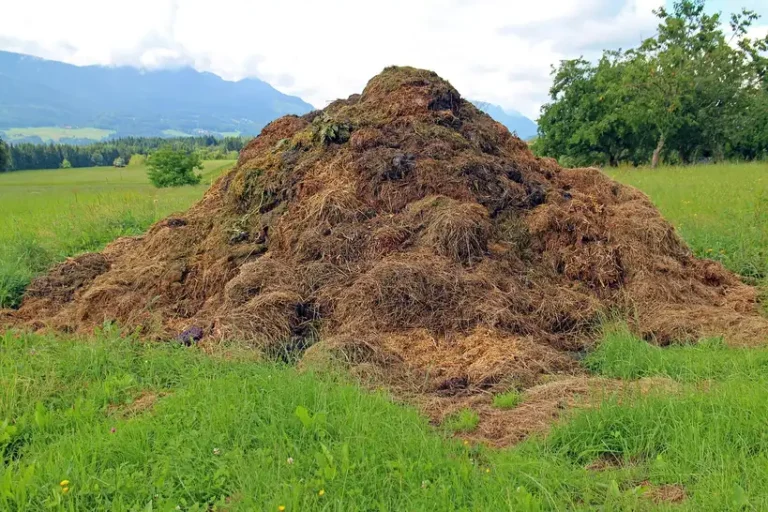
Compost should be dark, crumbly, and have an earthy smell—signs that organic material has fully decomposed. Poorly decomposed compost may still contain recognizable food scraps or plant matter, which can harbor pathogens or tie up nitrogen as they continue to break down.
Ideally, use compost made from a mix of sources, such as leaves, grass clippings, food waste, and animal manure (from herbivores only), to ensure a broad spectrum of nutrients and beneficial microorganisms.
Applying compost not only boosts fertility but also helps buffer pH and provides a hospitable environment for earthworms and other beneficial soil life.
Aeration Amendments: Perlite, Vermiculite, And More
Amendments like perlite, vermiculite, or coarse sand are crucial for keeping the soil loose and well-drained. These materials:
- Prevent compaction, allowing roots to breathe.
- Maintain consistent moisture levels.
- Reduce the risk of root diseases.
Perlite is the most popular for vegetable gardens , as it is lightweight and inert.
Vermiculite, while similar to perlite, retains more moisture and is excellent in hot, dry climates or for water-loving crops like lettuce and spinach. Coarse sand can also be used, but it must be clean and free from salts. For gardeners seeking natural or local alternatives, small gravel, rice hulls, or even pine bark fines can be used to improve aeration and drainage, though they may break down at different rates.
Nutrient Sources: Worm Castings, Manure, And Beyond
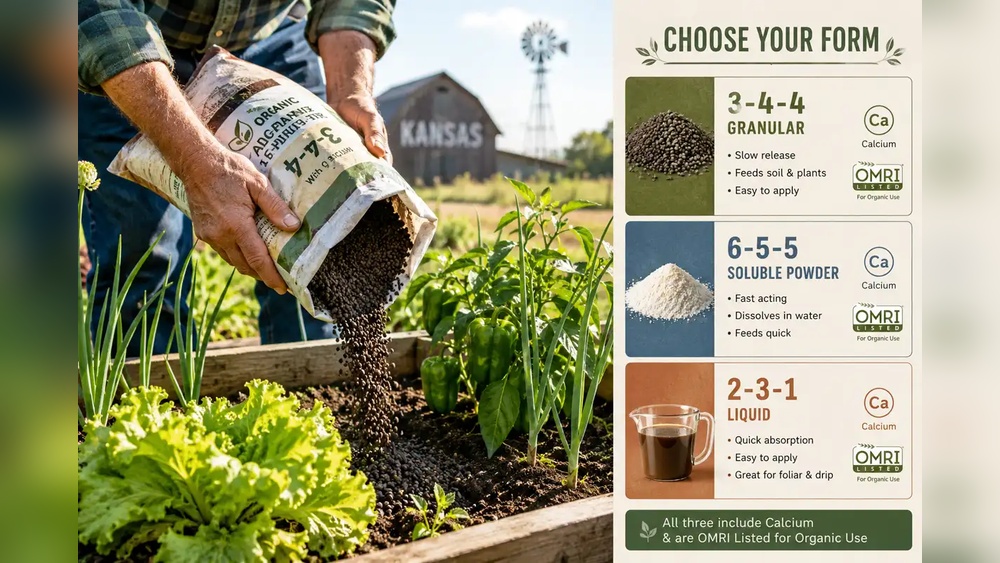
For extra fertility, many gardeners add worm castings, well-rotted manure, or slow-release organic fertilizers. These amendments provide:
- Trace minerals and micronutrients often lacking in topsoil and compost.
- Gradual nutrient release that supports crops throughout the season.
Worm castings are prized for their high microbial activity and gentle nutrient content, making them ideal for direct seed sowing or transplanting. Aged manure (from cows, horses, rabbits, or chickens) should be fully composted to avoid burning plants and introducing pathogens. Organic granular fertilizers can supplement with specific nutrients (such as bone meal for phosphorus or blood meal for nitrogen), enabling fine-tuning based on crop needs and soil test results.
Sample Raised Bed Soil Recipe Table
| Ingredient | Purpose | Recommended Proportion |
|---|---|---|
| Topsoil | Bulk structure, minerals | 30-40% |
| Compost | Organic matter, fertility | 40-50% |
| Perlite/Vermiculite | Aeration, drainage | 10-20% |
| Worm Castings/Manure | Extra nutrients | 5-10% |
Real-world Example: School Garden Success
At Riverside Elementary, raised bed gardens that used a blend of local compost, bagged topsoil, and perlite produced 30% more vegetables than those filled with native soil alone, according to a 2026 science fair project.
The students also observed that vegetables grown in the improved mix had fewer signs of nutrient deficiency and required less supplemental watering, due to the superior water retention and aeration provided by the compost and perlite.

Credit: cropfarming.org
Best Soil Mix Recipes For Raised Beds
With so many options available, it’s helpful to compare tried-and-true soil mix recipes for raised beds. Here, we break down the most popular blends and their pros and cons.
Mel’s Mix: The Square Foot Gardening Classic
Developed by Mel Bartholomew for Square Foot Gardening, “Mel’s Mix” is famous for its simplicity and high productivity. The recipe is:
- 1/3 peat moss or coco coir (for moisture retention)
- 1/3 compost (preferably from multiple sources)
- 1/3 vermiculite (for aeration)
Advantages: Consistently loose, fertile, and easy to work; ideal for beginners.
Drawbacks: Peat moss is not sustainable; coco coir is a better eco-friendly substitute.
This mix is particularly well-suited to crops that prefer evenly moist, airy conditions, such as salad greens, herbs, and many root vegetables. Gardeners report fewer issues with compaction and a marked reduction in weeds, thanks to the absence of soil-borne weed seeds.
However, the initial cost of vermiculite and high-quality compost can be higher than more basic blends.
The 50/50 Compost And Topsoil Blend
Many gardeners prefer a simple 50/50 blend of compost and screened topsoil. This mix:
- Is affordable and easy to source.
- Provides a balance of nutrients and structure.
Tip: Add 10% perlite if your topsoil is heavy to improve drainage.
This blend is particularly effective in regions where quality compost and topsoil are readily available. For root crops like carrots, parsnips, and beets, sifting the compost and topsoil to remove clumps and stones can yield straighter, more marketable produce. The mix can be customized further with the addition of specialty amendments like greensand or kelp meal to address trace mineral needs.
Premium Commercial Raised Bed Mixes
There are numerous commercial bagged products marketed as “raised bed soil”. These typically contain:
- Screened topsoil or forest products
- Compost or humus
- Perlite, vermiculite, or sand
- Added fertilizers or mycorrhizae
While convenient, quality and composition vary widely by brand. Always check for OMRI (Organic Materials Review Institute) certification for organic gardening.
Some high-end commercial mixes incorporate additional ingredients such as biochar, rock phosphate, or beneficial microbes designed to boost plant health and yield. These products are often tested for consistency and nutrient content, providing peace of mind for new gardeners or those with limited time.
Homemade “super Soil” Recipes
Experienced gardeners often experiment with custom blends, such as:
- 40% compost
- 30% coconut coir
- 20% worm castings
- 10% perlite
This combination produces a fluffy, nutrient-rich medium ideal for root crops and leafy greens.
“Super soil” recipes can be tailored to specific crops. For example, adding extra sand for carrots and beets, or more compost for heavy-feeding tomatoes and peppers. Some gardeners layer their amendments, placing more nutrient-rich materials deeper in the bed for root crops, or mixing in slow-release organic fertilizer for sustained feeding throughout the season.
Data-driven Comparison Table: Popular Raised Bed Soil Mixes
| Soil Mix | Key Ingredients | Cost (per cu ft) | Drainage | Best For |
|---|---|---|---|---|
| Mel’s Mix | Coco coir, compost, vermiculite | $9-12 | Excellent | All vegetables |
| 50/50 Compost/Topsoil | Compost, topsoil | $3-6 | Good | Root veggies, general |
| Commercial Raised Bed Soil | Varies: soil, compost, perlite | $7-15 | Varies | Convenience, beginners |
| Super Soil (Homemade) | Compost, coir, worm castings, perlite | $8-14 | Excellent | Leafy greens, fruiting crops |
Real-world Example: Urban Rooftop Garden
A rooftop gardener in Chicago reported that switching from a store-bought garden soil to a homemade “super soil” blend increased tomato yields by 50% and virtually eliminated blossom end rot.
The gardener also noted that the improved soil mix maintained consistent moisture levels despite the windy, exposed conditions typical of rooftop gardens. This stability reduced the need for frequent watering and minimized fluctuations that often stress plants.

Credit: machineshed.com
Soil Amendments: Boosting Structure, Fertility, And Microbial Health
Soil is not static—over time, nutrients are depleted and structure can degrade. Smart gardeners regularly amend their raised bed soil to maintain peak performance.
Organic Matter: The Key To Longevity
Adding fresh organic matter (compost, leaf mold, aged manure) annually keeps soil alive and fertile. This supports:
- Microbial activity that breaks down nutrients.
- Improved water-holding capacity.
- Ongoing disease resistance.
Maintaining high levels of organic matter is crucial for the “living soil” approach, which emphasizes supporting soil life as the basis for plant health. Mulching with shredded leaves or straw can also help retain moisture and add organic matter as it breaks down.
Mineral Amendments: Rock Dusts And Lime
Depending on your local soil test, you may need to add rock dust for trace minerals or agricultural lime to adjust pH. Most vegetables prefer a slightly acidic to neutral pH (6.0-7.0).
- Use lime for acidic soils.
- Add sulfur for alkaline soils.
Rock dusts such as basalt, granite, or azomite slowly release minerals that may be missing from compost or topsoil. These trace minerals are essential for optimal plant health and can improve crop flavor, storage quality, and resilience.
Biochar And Mycorrhizal Fungi
Cutting-edge amendments like biochar (charcoal for soil) and mycorrhizal inoculants can further boost soil health:
- Biochar improves structure and carbon content.
- Mycorrhizae form beneficial relationships with roots, increasing nutrient uptake.
Biochar also enhances water retention and offers a stable habitat for beneficial microbes, while mycorrhizal fungi extend the root system’s reach, especially in nutrient-poor soils. These amendments are becoming more widely available and are supported by ongoing research into sustainable agriculture.
Cover Crops And Green Manures
Planting cover crops (clover, vetch, rye) in the off-season adds organic matter, fixes nitrogen, and prevents erosion. Turn them into the soil before spring planting for a natural boost.
Cover crops not only replenish soil fertility but also help break up compacted soil, suppress weeds, and support pollinators. In small raised beds, fast-growing annual cover crops like buckwheat or oats are easy to manage and can be turned under within a few weeks.
Annual Raised Bed Maintenance Checklist
- Remove plant debris and weeds
- Top-dress with 2-4 inches of compost
- Test pH and adjust if necessary
- Add targeted amendments based on soil test
For more details, see the comprehensive soil amendment guide from the University of Minnesota Extension.
Common Soil Problems In Raised Beds And How To Fix Them
Even the best-raised bed soils can develop issues over time. Recognizing and correcting problems early helps sustain healthy crops year after year.
Poor Drainage Or Waterlogging
Symptoms: Wilting, yellowing leaves, stunted growth.
Causes: Too much clay, compacted soil, or no drainage holes.
Solutions:
- Mix in more perlite, coarse sand, or compost to lighten the soil.
- Ensure beds are elevated and have adequate drainage holes.
If persistent drainage problems occur, consider installing a gravel layer at the bottom of the bed or slightly elevating the entire structure on bricks or timbers. Regularly aerating the soil and avoiding overwatering will also help prevent waterlogging.
Nutrient Deficiencies
Symptoms: Pale leaves, weak stems, poor fruiting.
Causes: Depleted soil, lack of organic matter.
Solutions:
- Add compost, worm castings, or balanced organic fertilizer.
- Conduct a soil test to pinpoint missing nutrients.
Foliar feeding with liquid seaweed or fish emulsion can provide a quick boost while longer-term amendments take effect. Addressing deficiencies promptly ensures crops reach their full potential and resist stress.
Soil Compaction
Symptoms: Hard, crusted soil; poor root growth.
Causes: Heavy watering, walking on beds, insufficient aeration.
Solutions:
- Add aeration amendments (perlite, vermiculite).
- Use a broadfork or hand tool to gently loosen soil each season.
Avoid stepping in beds, and use dedicated pathways or stepping stones to reduce compaction. Regularly incorporating organic matter and rotating crops with different root systems can help maintain a loose, friable soil texture.
Persistent Weeds Or Diseases
Symptoms: High weed pressure, recurring plant diseases.
Causes: Contaminated soil, insufficient composting, poor sanitation.
Solutions:
- Use weed-free compost and screened topsoil.
- Solarize soil in summer to kill pathogens.
- Rotate crops and remove diseased plants promptly.
Solarization involves covering moist soil with clear plastic during the hottest months to raise temperatures high enough to kill weed seeds and disease organisms. Practicing crop rotation and interplanting with disease-resistant varieties further reduces long-term issues.
Real-world Example: Disease Suppression With Compost
A study by the Journal of Bioresource Technology found that raised beds amended with high-quality compost had 60% lower incidence of soil-borne diseases compared to untreated beds.
This demonstrates the value of compost not only as a nutrient source but also as a biological control agent, fostering a diverse soil microbiome that outcompetes harmful organisms.
Commercial Vs Diy Raised Bed Soil: Pros, Cons, And How To Choose
The decision between buying pre-mixed commercial soil and creating your own blend depends on your budget, time, and gardening goals.
Commercial Raised Bed Soils
Pros:
- Convenient and ready to use.
- Often enriched with starter nutrients and microbes.
- Sold in manageable bags or bulk.
Cons:
- Quality and composition can vary widely.
- Some mixes contain excessive fillers or synthetic fertilizers.
- More expensive over large areas.
Commercial soils are best for gardeners with limited time or physical ability to mix large volumes by hand. However, always read labels carefully and, if possible, review independent product tests or user reviews.
Diy Soil Mixes
Pros:
- Full control over ingredients and quality.
- Cost-effective, especially for larger beds.
- Customizable for specific crops or climate.
Cons:
- Requires sourcing, mixing, and physical labor.
- Quality depends on local material availability.
DIY mixes allow for creative experimentation and can be adjusted each year based on crop performance and test results. For those with access to local composting facilities or municipal leaf mold, the savings can be substantial.
What To Look For In Commercial Products
- OMRI certification for organic use.
- Ingredients list—avoid “biosolids” or synthetic chemicals.
- Reputable brands with transparent sourcing.
Choosing a soil that is free from chemical additives or industrial waste ensures a healthier, more productive garden. Some commercial mixes also offer money-back guarantees or customer support for troubleshooting issues.
For a list of top-rated products, see Gardener’s Supply Company.
Sample Cost Comparison Table: Diy Vs Commercial
| Option | Materials | Total Cost (per 4’x8’x1′ bed) | Labor | Quality Control |
|---|---|---|---|---|
| DIY Mix | Topsoil, compost, amendments | $60-90 | High | Full |
| Commercial Soil | Bagged raised bed mix | $100-180 | Low | Variable |
Real-world Example: Budget Gardening
A small-scale urban farm in Detroit saved over $800 in the first year by sourcing bulk compost and topsoil locally for their raised beds, compared to using only commercial bagged soil.
The farm also reported improved soil health and fewer issues with bagged soil contaminants, such as plastic debris or weed seeds, underscoring the benefits of local, carefully sourced materials.
Soil Testing And Ongoing Management For Raised Beds
Regular soil testing and management are crucial for long-term success in raised bed vegetable gardening . Unlike in-ground gardens, nutrients in raised beds can be depleted more quickly due to the confined space and intensive planting.
Why Soil Testing Matters
- Identifies nutrient deficiencies and imbalances.
- Reveals pH issues that can limit plant health.
- Guides targeted amendment and fertilizer application.
Testing also helps prevent over-application of nutrients, which can lead to salt build-up or runoff that harms the surrounding environment. Following test recommendations allows for more efficient, sustainable gardening practices.
The Colorado State University Soil Testing Lab and similar services make it easy to analyze your soil.
How To Test Your Raised Bed Soil
- Use a clean trowel to collect samples from several spots in the bed.
- Mix samples and allow to dry.
- Send a representative sample to a reputable soil lab.
- Review the report and amend soil as recommended.
Many local extension offices offer affordable soil testing services with detailed instructions and interpretation. Repeat testing every 1-2 years is recommended for intensively managed beds or whenever persistent issues arise.
Annual Maintenance Routine
- Spring: Test soil, add compost, adjust pH.
- Midseason: Apply side-dressings of organic fertilizer if needed.
- Fall: Remove crops, add mulch or cover crops, top-dress with compost.
Maintaining a regular schedule of soil care ensures that raised beds remain productive and minimizes the risk of nutrient exhaustion or pest buildup. Documenting your amendments and observations in a garden journal can help fine-tune your approach over time.
Monitoring Soil Health Indicators
Watch for signs of healthy soil:
- Earthworm activity
- Rich, dark color and crumbly texture
- Minimal crusting or compaction
- Vigorous, disease-free plant growth
For additional guidance, see USDA’s Soil Health Card.
Sustainable And Eco-friendly Soil Practices
As gardeners, our soil choices impact not just our harvest, but also the environment. Sustainable soil management supports healthy ecosystems and future food security.
Reducing Peat Moss Use
Although peat moss is a popular soil amendment, its harvest destroys sensitive wetlands and releases carbon. Coconut coir is a more sustainable alternative for moisture retention.
Coconut coir is made from the fibrous husks of coconuts, a renewable byproduct of the coconut industry. It has similar water-holding capacity to peat moss but breaks down more slowly, providing lasting structure and moisture control. When purchasing coir, look for products that have been properly buffered to remove excess salts.
Sourcing Local Materials
Choosing local compost, topsoil, and amendments reduces transportation emissions and supports community agriculture. Many municipalities offer free or low-cost compost from yard waste collection.
Buying locally also helps you avoid introducing invasive pests or weeds that can sometimes hitchhike with imported soil products. Supporting local businesses and composting facilities strengthens the circular economy and builds community resilience.
Composting At Home
Building your own compost pile transforms kitchen and yard waste into a valuable resource, closing the nutrient loop and reducing landfill burden.
Home composting is easy to start and can be tailored to your household’s waste stream. In addition to reducing municipal waste, homemade compost is rich in beneficial microbes and suited to your garden’s specific needs. For those with limited space, worm bins (vermicomposting) offer a compact, odorless option for producing high-value worm castings.
Avoiding Synthetic Chemicals
Opt for organic fertilizers, pest controls, and OMRI-listed products to protect pollinators, soil microbes, and groundwater.
Many synthetic chemicals can disrupt soil ecology, harm non-target organisms, and persist in the environment long after their intended use. Embracing organic alternatives and integrated pest management (IPM) techniques helps maintain a healthy, balanced garden ecosystem.
Real-world Example: Regenerative Backyard Garden
A home gardener in Vermont credits their “closed loop” raised bed system—relying solely on home compost, leaf mold, and green manures—for producing abundant, pest-free vegetables year after year, without synthetic inputs.
This regenerative approach builds soil fertility and resilience over time, demonstrating that sustainable gardening practices can yield both environmental and personal rewards.
For more on sustainable gardening, see EPA’s Sustainable Food Management.
Frequently Asked Questions
What Is The Ideal Soil Ph For Raised Bed Vegetables?
Most vegetables thrive in a slightly acidic to neutral pH range of 6.0 to 7.0. Testing your raised bed soil annually and adjusting with lime (to raise pH) or sulfur (to lower pH) ensures optimal nutrient availability and plant health.
Some crops, such as blueberries and potatoes, may prefer more acidic conditions, while brassicas like cabbage and broccoli can tolerate slightly higher pH. Regular monitoring helps tailor your soil to crop-specific needs.
Can I Reuse Soil In Raised Beds Each Year?
Yes, you can reuse soil in raised beds, but it’s vital to refresh it annually by adding 2-4 inches of compost, correcting nutrient deficiencies, and rotating crops to prevent disease build-up. Remove plant debris and monitor for signs of compaction or poor drainage.
Over time, a well-managed raised bed soil becomes richer and more productive, provided you maintain organic matter and avoid repeated monoculture cropping.
Is Bagged “garden Soil” From The Store Suitable For Raised Beds?
Not always. Many bagged “garden soils” are formulated for in-ground use and may be too dense or poorly draining for raised beds. Look for products labeled “raised bed mix” or create your own blend using topsoil, compost, and aeration amendments for best results.
Bagged soils can also vary in quality, so inspect for texture, odor, and visible contaminants before use. Mixing in additional compost or perlite can help adapt store-bought soil to your raised bed’s needs.
How Deep Should The Soil Be In Raised Vegetable Beds?
A minimum depth of 12 inches is recommended for most vegetables, allowing space for robust root systems. Deeper beds (18-24 inches) are ideal for root crops like carrots and potatoes or for maximizing yields in intensive planting systems.
Deeper soil also retains moisture longer and provides greater buffering against temperature swings and drought, making it a worthwhile investment for serious vegetable growers.
Can I Fill Raised Beds With Only Compost?
While compost is essential, using 100% compost can create overly rich, soggy, or imbalanced conditions, potentially burning roots and causing poor structure. A balanced mix of topsoil, compost, and aeration amendments provides the right texture and nutrient profile.
Compost alone often lacks sufficient mineral content and may compact over time, limiting root growth. Always blend with mineral soil and aerators for long-term productivity.
Choosing the right soil for your raised bed vegetable garden is an investment in health, abundance, and sustainability. With informed decisions and ongoing care, you’ll enjoy thriving plants and bountiful harvests for years to come—transforming your garden into a vibrant, productive oasis.