What Is Soil Aeration and Why Do Plants Need It?
Soil aeration means air and water share the root zone without either one taking over. If soil stays waterlogged or packed tight, roots run short on oxygen. That slows growth, triggers yellowing, and can push plants downhill even when you water and fertilize correctly. This guide explains what soil aeration is, how to spot compacted or saturated soil, and how to tell whether poor root-zone oxygen is the real problem in lawns, beds, containers, and heavy clay.
What soil aeration means
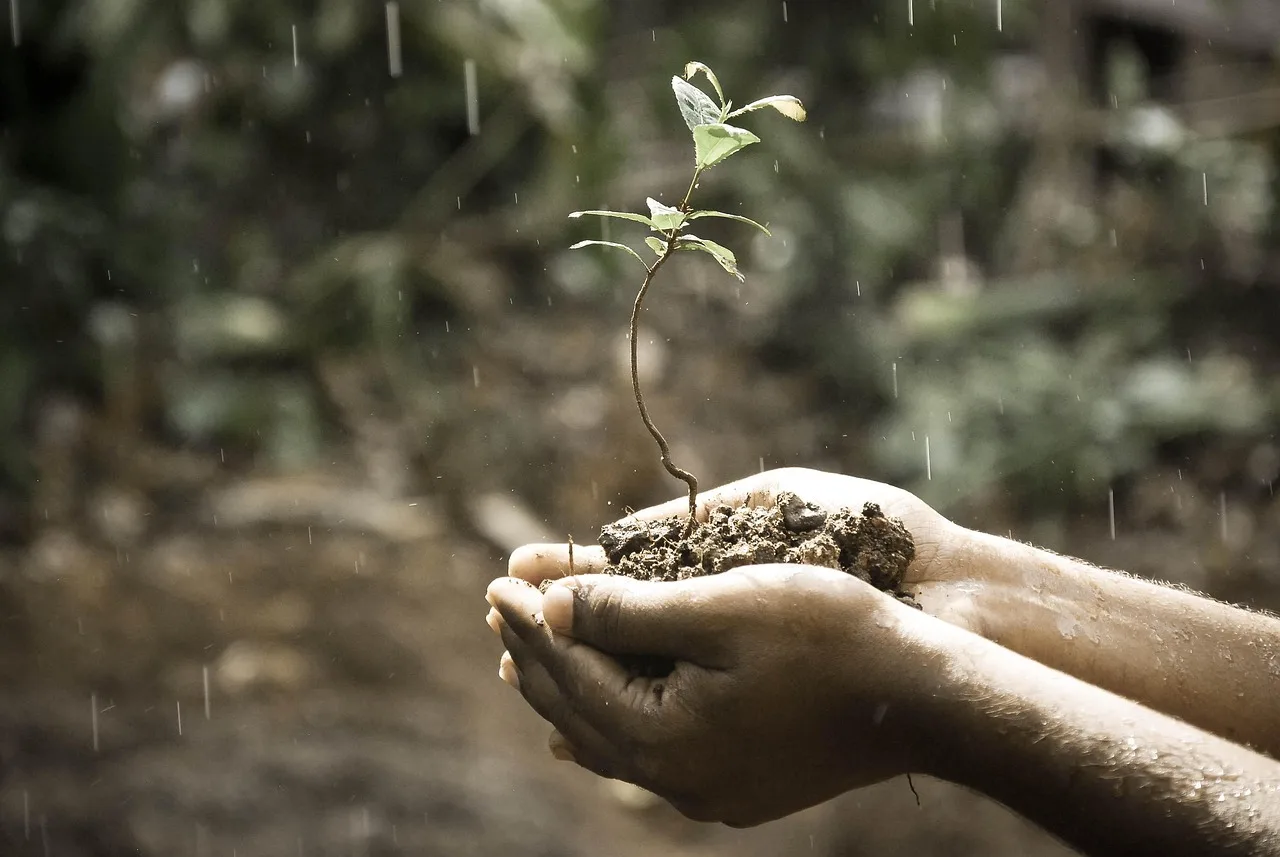

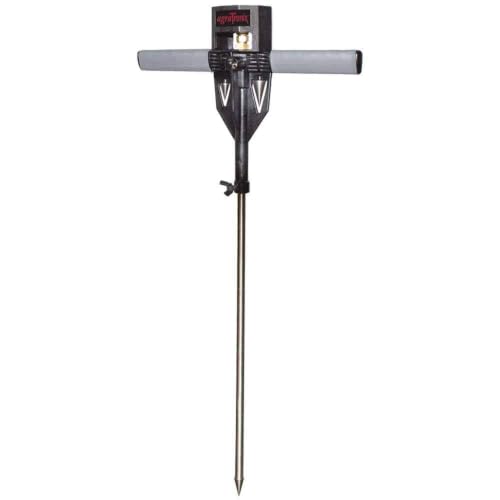

Soil aeration keeps air moving through the root zone while water stays available to plants. Soil is not just dirt. It is minerals, water, air, and organic matter mixed together. Aeration keeps that mix open enough for roots to breathe.
Soil pores and the air-water balance
The spaces between soil particles or aggregates are called pores. Those pores let air and water move through soil, and they also store water. In healthy soil, air and water share those spaces. That balance shifts with rain, irrigation, and drying, so a bed can look fine after a dry spell and then lose oxygen after several wet days.
Mineral soil typically contains about 20-30% air. That does not mean the soil is dry. It means the soil still leaves room for oxygen movement and water storage. When pores stay filled with water too long, roots lose access to the air they need.
Why topsoil matters most
Topsoil is the best layer for plant growth, and it usually contains more humus than subsoil. That matters because aeration problems show up first where most fine roots live. In beds, lawns, and vegetable patches, the upper layer is where soil structure, traffic, watering, and organic matter affect oxygen supply most.
Organic matter makes up less than 5% of soil, yet it changes structure in a big way. It helps soil move air and water, and it helps soil particles stay stable. That keeps the pore network useful to roots and less likely to collapse under pressure.
Why do plants need air in soil?
Roots need oxygen for root respiration, the process that keeps root cells working and supports plant growth and nutrient uptake. When soil is poorly aerated, root respiration slows. The plant may still get water and fertilizer, but it cannot use them well because the root system is under stress.
How low oxygen slows growth
Low oxygen does not always kill a plant at once. More often, it slows root activity first, then shows up above ground as stunting, pale leaves, or wilt that does not fit the weather. If soil stays saturated or compacted, roots spend less energy exploring the soil and more energy surviving.
That is why aeration is not just about keeping soil “loose.” It is about keeping usable oxygen in the root zone. Without that supply, even fertile soil can underperform.
What poor aeration does to nutrient uptake
When roots cannot respire normally, nutrient uptake drops. The plant may show symptoms that look like a fertilizer problem, but the issue starts lower down. In that case, more feeding can miss the point and may even add stress if the roots are already struggling.
Say your tomato in a 5-gallon container turns pale after a week of heavy rain, even though the potting mix was fed recently. If the pot still feels heavy for days and the leaves stay limp in the morning, poor aeration is a more likely cause than a nutrient shortage.
What causes poor aeration?
Poor aeration usually comes from reduced pore space or from pores that stay filled with water too long. Soil compaction, saturated soil, crusting, and structure-poor clay all limit air and water movement through the root zone. Different causes can create similar symptoms, so it helps to look at the setting as well as the plant.
Soil compaction from pressure
Soil compaction reduces pore space and limits air and water movement. Soil compaction often comes from pressure on soil, such as foot traffic, mower traffic, repeated equipment passes, or working wet ground. Compacted soil may still look solid on top, but roots hit a dense layer below the surface and oxygen exchange drops.
Saturated soil and water-filled pore space
Water-filled pore space changes with weather, irrigation, and drainage. After rain or frequent watering, pores can fill with water and leave too little air for roots. That does not mean every wet spell is a problem. The issue is soil that stays saturated long enough to starve roots of oxygen.
Crusting, clay, and structure-poor soil
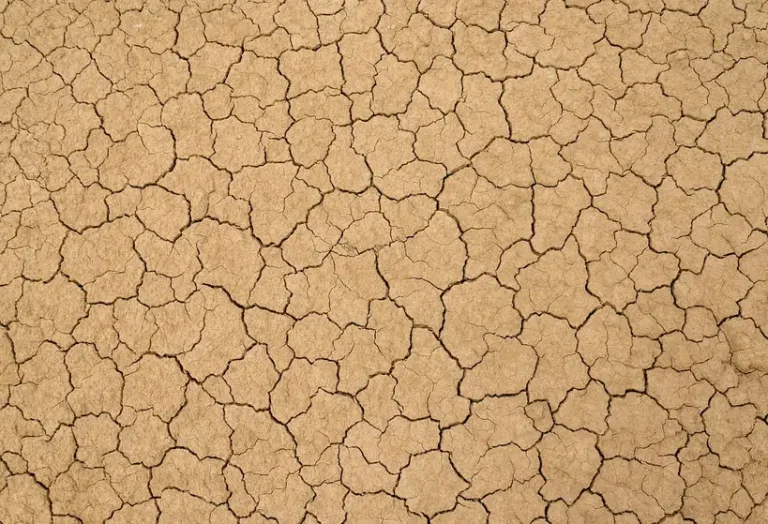
Heavy clay can hold water tightly and drain slowly, especially if its structure is poor. A surface crust can also seal the top layer after rain or overhead watering, blocking gas exchange near emerging roots and seedlings. In both cases, the soil may need structure repair, not just more water or fertilizer.
Picture a lawn edge beside a driveway where wheels and foot traffic hit the same strip every week. The grass may thin there first because compaction shrinks pore space. A nearby bed with the same watering schedule but no traffic may stay greener, which points to pressure rather than irrigation as the main problem.
How does poor aeration affect plant growth?
Poor aeration affects plant growth by limiting oxygen supply, slowing root respiration, and reducing the root system’s ability to take up water and nutrients. The first signs often appear above ground, but the real damage starts below ground. The longer the oxygen shortage continues, the harder recovery becomes.
Above-ground signs to watch
Common above-ground signs include yellowing, slow growth, wilt during mild weather, thin turf, and weak recovery after stress. Leaves may look thirsty even when the soil is wet. In lawns, the grass may lose density in low spots or on compacted paths. In beds, plants may stay small and dull instead of pushing new growth.
Root symptoms you may not see
Roots in poorly aerated soil often stay short, sparse, or discolored. They may smell sour in severe waterlogging. Because roots are hidden, gardeners often misread the problem as drought, nutrient shortage, or disease. The key is to match the symptom with the soil condition around it.
Why symptoms can look like other problems
Poor aeration can mimic drainage trouble, but they are not identical. Drainage is about how quickly water leaves the soil. Aeration is about whether oxygen can reach roots while water is still present. A plant can be in soil that drains eventually and still suffer if the root zone stays air-poor for too long.
It can also look like a pH or fertility issue. That is why visible clues matter. If several plants in one compacted strip struggle while nearby plants in looser soil do fine, poor aeration is more likely than a uniform nutrient shortage across the whole garden.
Is poor aeration the real issue?
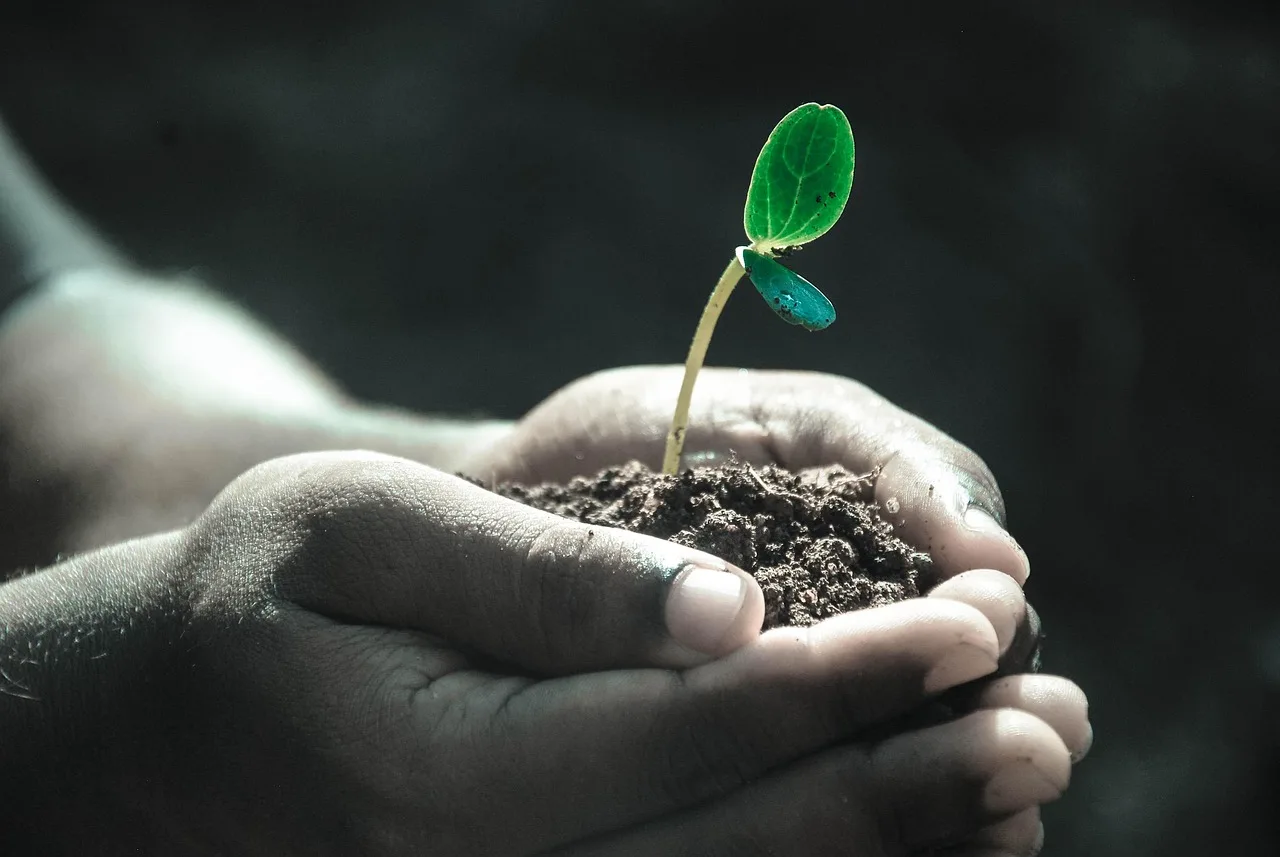
Use visible symptoms, soil feel, and location to decide whether aeration is the main problem. The table below separates common failure cases from look-alike issues. If the symptom lines up with compaction, saturation, or crusting, poor aeration is worth fixing first.
| Symptom | Likely cause | Quick at-home check | Best fix |
|---|---|---|---|
| Lawn turns thin or yellow on paths and play areas | Soil compaction from traffic | Push a screwdriver or soil probe into the ground; if it meets strong resistance in a narrow band, the soil is likely compacted | Aerate the turf, reduce traffic when soil is wet, and topdress with organic matter if the soil profile needs rebuilding |
| Raised bed stays wet after watering and plants stall | Poor drainage combined with air-poor root zone | Dig a small hole and check whether water lingers in it or whether the mix feels slick and packed | Loosen gently without overworking the soil, mix in organic matter, and adjust watering so the bed is not kept saturated |
| Container plant wilts while the pot feels heavy for days | Poor potting mix structure or blocked drainage holes | Lift the pot and compare its weight two or three days after watering; check that water drains freely from the bottom | Repot into a better container mix with air space, clear drainage holes, and avoid frequent small watering that keeps the mix soggy |
| Clay soil crusts after rain and seedlings struggle to emerge | Structure-poor heavy clay with surface sealing | After rain, press a finger into the top layer; a hard crust or smeared surface signals poor structure | Protect the soil surface, add organic matter over time, and avoid working clay while it is wet |
How do you aerate soil?
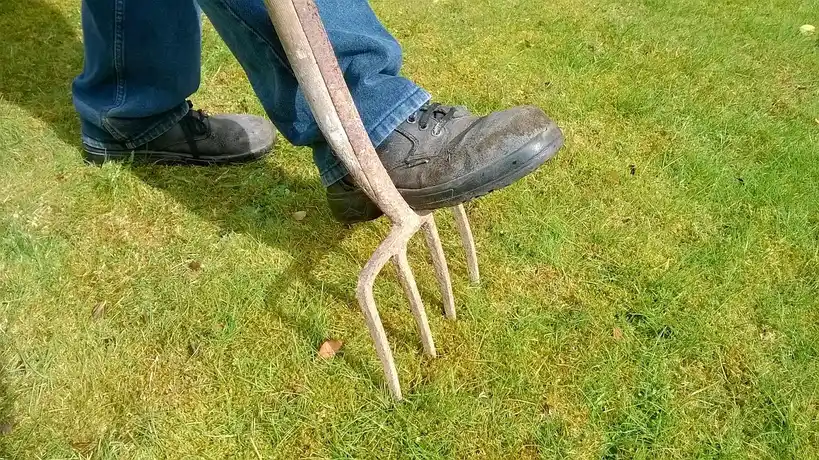
How you aerate soil depends on where the problem is. Lawns need a different fix from raised beds, and pots need a different fix from in-ground clay. The goal is to restore pore space so air and water can move more freely without leaving roots in a wet, compacted zone.
In lawns
- Check whether the turf is compacted in traffic areas, low spots, or places that stay thin.
- Aerate when the soil is moist, not saturated and not bone dry.
- Use a method that relieves compaction rather than only nicking the surface.
- Keep traffic off the area while recovery begins.
- Follow with a thin layer of organic topdressing if the lawn needs better structure over time.
What does aerating soil do in turf? It opens channels for air, water, and root growth in the root zone. It can help a lawn recover from pressure, but it does not fix every turf issue. If the real problem is shade, drought, pests, or the wrong grass for the site, aeration alone will not solve it.
In raised beds and in-ground beds
For beds, the first step is usually to reduce pressure and improve structure instead of digging deeply just because the soil feels tight. Organic matter helps move air and water while stabilizing soil particles, so it is useful where beds have become heavy or crusted. Add it in a way that suits the planting depth and root zone.
Do not overwork wet soil. That can collapse structure and make the aeration problem worse. If the bed is already wet for long periods, correct watering and drainage patterns along with soil structure. Aeration works best when the bed is not repeatedly re-compacted.
In containers and pots
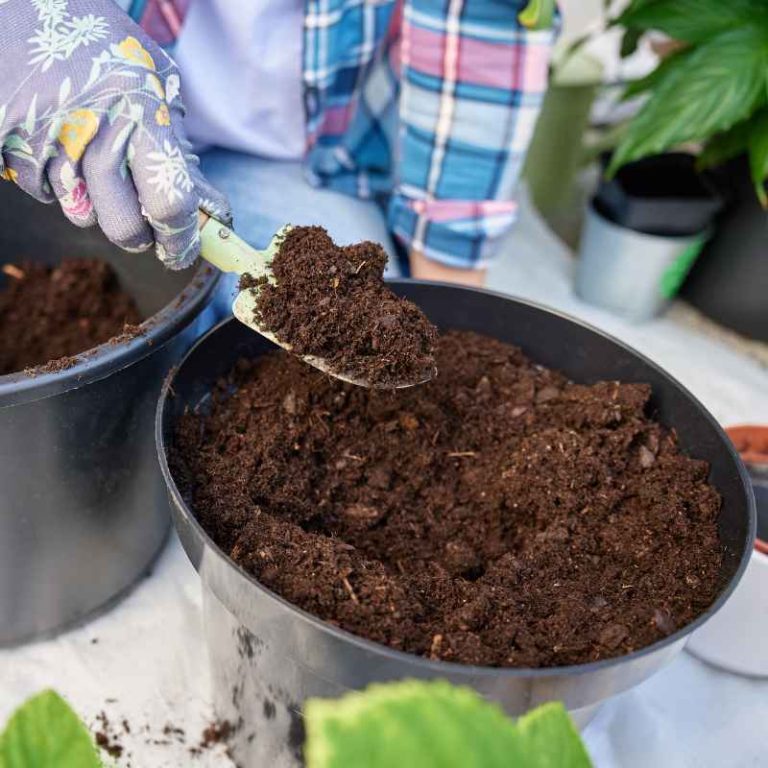
For potted plants, aerating soil usually means changing the potting mix or repotting rather than poking holes in the surface. Container roots depend on a mix that holds water but still leaves air space. If the mix stays soggy, breaks down, or compacts, oxygen levels drop fast.
Use a mix designed for containers, keep drainage holes open, and avoid compressing the mix when potting. Water thoroughly, then let excess water drain. Frequent small waterings can keep the lower root zone too wet and short on oxygen.
What fixes soil structure long term?
Long-term aeration comes from better soil structure, not from one-time disturbance. Organic matter, lower traffic, and smarter watering all help maintain pore space. The aim is stable soil that can hold water without turning air-starved.
Organic matter and aggregation
Organic matter improves soil’s ability to transfer air and water and helps soil particles bind into stable aggregates. That improves pore structure and makes the soil less likely to seal, crust, or compact. Because topsoil is the best layer for plant growth, this is where organic matter usually pays off the most.
Traffic control and timing
Keep foot traffic, wheelbarrows, and mowing off wet soil when possible. Pressure on soil is one of the fastest ways to reduce pore space. If a path or work zone must carry traffic, concentrate it in one area rather than spreading compaction across the whole bed or lawn.
Watering habits that protect pore space
Water deeply enough to wet the root zone, then let the soil regain air before the next irrigation. Constantly damp soil can leave water-filled pore space high for too long, especially in clay or containers. The fix is not less care; it is better timing and better soil structure.
Frequently asked questions
Why is soil aeration important?
Soil aeration matters because roots need oxygen to respire and keep growing. When pore spaces fill with water or collapse under compaction, oxygen supply drops and plants struggle to use water and nutrients. Healthy aeration supports stronger roots, steadier growth, and better recovery from stress.
How does soil aeration affect plant growth?
Soil aeration affects plant growth by controlling how easily roots get oxygen and how well water moves through the root zone. Poor aeration slows root respiration, which reduces growth, nutrient uptake, and drought recovery. Plants may yellow, wilt, or stay small even when the soil seems wet enough.
What does aerating soil do?
Aerating soil opens or restores pore space so air, water, and roots can move more freely. In lawns it can relieve compaction, while in beds it can improve structure around the root zone. It does not fix every problem, but it addresses oxygen shortage where poor aeration is the main cause.
Why is air needed in the soil?
Air is needed in soil because roots respire just like other living tissue. They need oxygen to keep cells working, absorb nutrients, and grow new tissue. Soil air normally makes up about 20-30% of mineral soil, but that balance shifts as water fills pores after rain or irrigation.
What does aeration do for your lawn?
Aeration helps a lawn by reducing compaction and creating pathways for air and water in the turf root zone. That can improve rooting and recovery in traffic-heavy areas. It works best when the real issue is compacted soil, not when the main problem is shade, disease, or poor grass selection.