Should You Put Pebbles on Top of Soil for Indoor Plants?
Decorating indoor plants with pebbles has become a widespread trend, gracing everything from Instagram feeds to interior design magazines. The sight of glossy green leaves rising above a bed of smooth stones can transform an ordinary potted plant into an elegant piece of living art. However, beneath this stylish presentation lies a question that many plant enthusiasts grapple with: Should you put pebbles on top of soil for indoor plants? The answer is not as straightforward as it seems, and choices made for aesthetics can have significant consequences for plant health and longevity.
As indoor gardening continues to surge in popularity, plant owners are increasingly seeking ways to enhance the appearance and functionality of their plant displays. Pebbles, available in a variety of colors, shapes, and sizes, seem like an easy solution to elevate visual appeal.
But what does science say about this practice? Are there real benefits, or do pebbles create hidden problems? This article dives deep into the pros, cons, and practical considerations of using pebbles as a top dressing for indoor plant soil, offering data-driven insights and actionable advice for both novice and experienced plant parents.
Key Takeaways
- Pebbles can improve aesthetics and reduce soil disturbance, but may also impact moisture retention and root health.
- Proper drainage is critical; pebbles do not replace the need for well-draining soil and pots with drainage holes.
- Certain plant types benefit more from top dressing than others, especially succulents and cacti, while others may suffer from excess humidity or root rot.
- Alternatives to pebbles, such as organic mulches or decorative sands, offer different balances of function and style.
- Scientific studies and real-world examples reveal both the advantages and pitfalls of pebble use, underscoring the importance of context and plant-specific needs.
/SPR-how-to-make-a-pebble-tray-7371481-Hero-C-5d303cbb85744594b59e9839a63d5abd.jpg)
Credit: www.thespruce.com
The Aesthetic Appeal And Practical Uses Of Pebbles
Visual Enhancement In Interior Design
Pebbles offer a quick visual upgrade to any potted plant. Their clean lines and diverse colors can complement modern, minimalist, or even eclectic décor styles. Interior designers often use pebbles to create cohesion in plant displays, unify color schemes, or add texture and contrast. For open-plan spaces and offices, pebbles can turn ordinary planters into striking focal points.
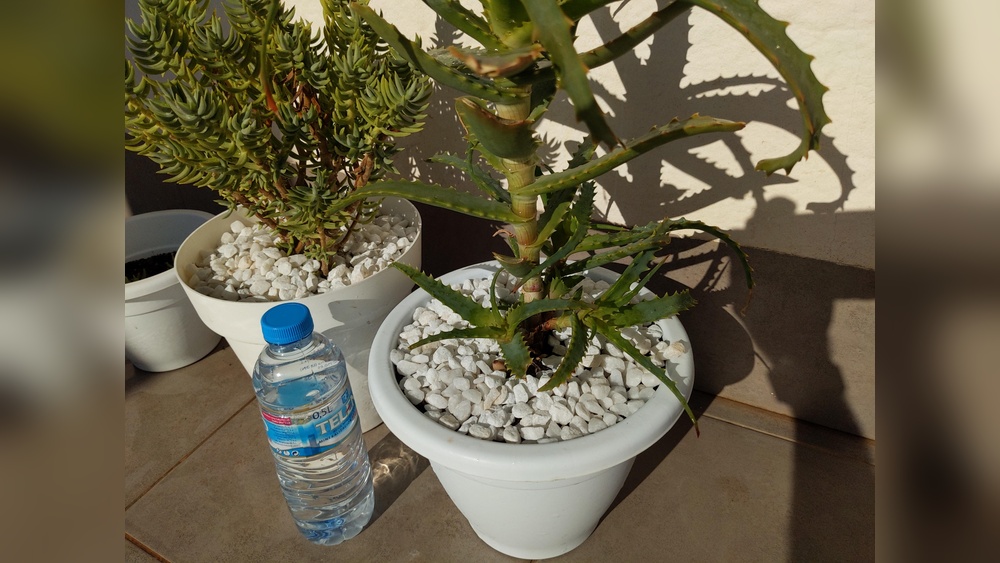
The sheer variety of pebbles—from glossy black river stones to matte white marble chips—allows for creative freedom. For example, a grouping of plants in terracotta pots unified with white pebbles on top can create a serene, spa-like effect, while dark stones paired with geometric planters enhance a contemporary look.
In retail and hospitality environments, designers leverage pebbles to add a sense of luxury and attention to detail that resonates with customers and guests.
Reduction Of Soil Splash And Dust
One overlooked benefit of placing pebbles on top of soil is the reduction in soil splash during watering. Without a barrier, water droplets can dislodge soil particles, causing unsightly messes on tables or floors. Pebbles absorb much of the impact, keeping the soil in place and minimizing dirt accumulation on leaves and surrounding surfaces. This is particularly beneficial for plants placed indoors, where cleanliness is a priority.
Additionally, pebbles can help reduce airborne dust from the soil surface, which is especially useful in homes with air conditioning, fans, or forced-air heating. By minimizing soil disturbance, pebbles help keep your plant area looking pristine and can even reduce the frequency of cleaning required around your indoor garden.
Deterrent To Pests And Pets
Pebbles can serve as a physical barrier to common pests such as fungus gnats, which lay eggs in the top layer of moist soil. Covering the soil with pebbles disrupts their breeding cycle. Additionally, for pet owners, pebbles can deter curious cats or dogs from digging in the soil, reducing the risk of overturned pots or soil ingestion.
For households with young children, pebbles may also act as a gentle deterrent to accidental digging or play in the soil, making them a practical choice in family-friendly environments. While not a foolproof solution, a properly applied pebble layer can reduce the frequency and severity of pest problems and unwanted disturbances.
Moisture Retention And Regulation
A layer of pebbles can help reduce evaporation from the soil surface, potentially extending the time between waterings. This can be a double-edged sword, as it may benefit plants that prefer consistently moist soil but harm those susceptible to root rot. The size, material, and thickness of the pebble layer all influence this effect.
For example, in drier climates or in winter when indoor heating is used, a moderate pebble layer may help maintain a more stable moisture level in the root zone, reducing stress on humidity-sensitive plants. However, for species like succulents or cacti, which are native to arid regions and accustomed to rapid drying between waterings, too much moisture retention can quickly lead to health issues.
Example: Pebbles In Urban Apartments
In a Chicago high-rise apartment, a tenant used polished river stones atop her pothos and rubber plant containers. The plants thrived, and the clean look blended seamlessly with her modern décor. However, after several months, she noticed mold growth beneath the pebbles, which led to a re-evaluation of her watering routine and the need for more frequent soil aeration.
This example underscores the importance of regular observation and maintenance. Even when pebbles enhance aesthetics and provide initial benefits, plant owners must remain vigilant to changes in soil health and plant performance, adjusting care routines as needed.

Credit: www.reddit.com
Scientific Analysis: Pebbles, Soil Health, And Plant Growth
Impact On Soil Aeration And Drainage
Contrary to popular belief, placing pebbles on top of soil does not improve drainage within the pot itself. While pebbles at the bottom of pots have long been used to increase drainage (a practice now debunked by horticultural research), top-dressing with pebbles primarily affects surface conditions. According to a study published by the Royal Horticultural Society (RHS), drainage is most effectively managed by using appropriate soil mixtures and containers with drainage holes.
The misconception that pebbles can “wick” water away from the soil is widespread but unfounded. Water moves through soil based on capillary action, and a sudden change in texture (like soil meeting a layer of pebbles) can actually slow water movement, causing it to accumulate above the pebble layer.
This further highlights the necessity of using well-draining soil and properly designed containers rather than relying on surface materials for water management.
Microclimate Effects: Temperature And Humidity
Pebble layers can alter the microclimate at the soil surface. Light-colored pebbles may reflect sunlight, reducing soil temperature, while dark stones may absorb heat. In humid environments, pebbles can trap moisture, potentially fostering fungal growth or moss. Conversely, in arid climates, they may help conserve water by limiting evaporation.
These microclimate changes can have both positive and negative effects. For example, in a sun-drenched window, white pebbles can help protect roots from overheating, while in a shaded, humid corner, they might inadvertently create a breeding ground for mildew. Understanding your home’s unique environment will inform whether pebbles are an asset or a liability for your indoor plants.
Effects On Root Health And Disease
The University of California Agriculture & Natural Resources (UC ANR) notes that excessive moisture retention due to impermeable top layers can increase the risk of root rot and fungal disease. Plants sensitive to overwatering, such as succulents and cacti, may suffer if the soil remains damp for extended periods under a pebble covering.
Further, a dense or thick pebble layer can reduce gas exchange at the soil surface, limiting the oxygen available to roots and beneficial microorganisms. Poor soil aeration not only stresses the plant but can also disrupt the balance of healthy soil bacteria and fungi, leading to nutrient imbalances and disease.
Table: Pebble Use And Plant Health Outcomes
| Plant Type | Pebble Top Layer Effect | Risk of Root Rot | Ideal Pebble Thickness |
|---|---|---|---|
| Succulents & Cacti | Improved aesthetics, pest deterrent | High if soil stays wet | Thin (0.5 in / 1.2 cm) |
| Tropical Foliage Plants | Moderate moisture retention | Moderate | Thin (0.5 in / 1.2 cm) |
| Ferns & Moisture-Loving Plants | Reduced evaporation, good for humidity | Low (if monitored) | Thicker (1 in / 2.5 cm) |
Real-world Example: Office Plant Maintenance
A corporate office in Seattle used decorative pebbles atop all lobby planters. Maintenance staff observed fewer gnats and less soil mess, but also noticed certain plants developed yellowing leaves indicative of overwatering. Adjusting the watering schedule resolved most issues, highlighting the need for careful monitoring when using pebble mulch.
This case is a powerful reminder that while pebbles can solve some problems, they can also necessitate changes in maintenance routines. Organizations and individuals alike should educate caretakers and family members about the impact of top dressing on watering needs and soil health.
:max_bytes(150000):strip_icc()/SPR-how-to-make-a-pebble-tray-7371481-Hero-C-5d303cbb85744594b59e9839a63d5abd.jpg)
Credit: www.thespruce.com
Pros And Cons Of Using Pebbles On Indoor Plant Soil
Advantages Of Pebble Top Dressing
- Aesthetic Enhancement: Instantly upgrades the visual appeal of potted plants, making them suitable for decorative arrangements in homes, offices, or public spaces.
- Soil Protection: Reduces soil splash and dust, keeping the area clean and reducing the spread of soil-borne particles.
- Pest Deterrence: Discourages gnats and pet digging, and can act as a mild deterrent to children or pets who might otherwise disturb the soil.
- Moisture Regulation: Slows evaporation in dry indoor climates, which can be beneficial for certain plants or during periods of low humidity.
- Weed Suppression: Minimizes weed seed germination in open planters, especially useful in larger or communal indoor garden settings.
Drawbacks And Potential Risks
- Excess Moisture Retention: Can keep soil too wet for sensitive species, increasing the likelihood of root rot and fungal problems.
- Compromised Soil Aeration: Thick or compacted layers may restrict airflow, impacting root health and beneficial microbial activity.
- Hidden Soil Problems: Makes it difficult to spot mold, fungus, or pest infestations, potentially allowing issues to develop unnoticed.
- Difficult Soil Access: Hinders fertilizing, repotting, or amending soil, adding extra steps to routine plant care.
- Increased Weight: Adds bulk and weight, making large pots harder to move, which can be a concern in homes with frequent plant rearrangement or limited mobility.
Table: Pros Vs Cons Of Pebble Top Dressing
| Pros | Cons |
|---|---|
| Visual appeal | Can trap excess moisture |
| Reduces soil splash | May cause root rot |
| Discourages gnats | Obstructs soil inspection |
| Helps retain soil in place | Adds weight to containers |
Example: Succulents In Decorative Bowls
A DIY enthusiast in Austin, Texas, created a succulent centerpiece using a shallow ceramic bowl and a layer of white quartz pebbles. While the arrangement looked stunning, overwatering led to root rot in several plants. Switching to a thinner pebble layer and less frequent watering revived the display.
This story illustrates the importance of plant-specific care and how small adjustments—such as reducing watering frequency and using a thinner pebble layer—can make a significant difference in plant health and longevity.
Best Practices For Using Pebbles On Indoor Plant Soil
Choosing The Right Pebble Type And Size
- Material: Use natural stones such as river rock, quartz, or lava rock. Avoid plastic or coated pebbles that may leach chemicals or impede airflow.
- Size: Small to medium (¼–1 inch) stones are ideal; oversized pebbles can compact and restrict airflow, while pebbles that are too small may sift into the soil and disrupt root zones.
- Color: Lighter colors reflect heat; darker colors retain warmth. Choose colors that complement both the plant and interior décor.
Layer Thickness And Placement
- Thickness: Keep the layer thin (½–1 inch) to avoid suffocating the soil and roots. Thicker layers may impede air and water movement.
- Coverage: Ensure even distribution without packing tightly; loose placement allows for better airflow and easier soil inspection.
- Gaps: Leave small gaps near the stem or trunk to prevent stem rot and to make it easier to check soil moisture near the base of the plant.
Watering Adjustments
- Frequency: Monitor soil moisture carefully; pebbles slow evaporation, so watering needs may decrease. Overwatering is a common mistake when using pebble top dressing.
- Testing: Use a moisture meter or finger test by moving aside pebbles to check the soil. This helps prevent accidental overwatering.
- Drainage: Always use pots with drainage holes and well-draining soil mixes, as pebbles on top do not compensate for poor drainage.
Cleaning And Maintenance
- Pebble Cleaning: Rinse pebbles before use to remove dust and potential contaminants that could introduce pathogens to the soil.
- Soil Inspection: Periodically lift pebbles to check for mold, fungus, or pests. Early detection is key to preventing major plant health issues.
- Replacement: Refresh the pebble layer annually or if discoloration or algae growth occurs, to maintain both aesthetics and soil health.
Example: Moss And Pebbles In Terrariums
Terrarium designers often combine moss and small pebbles to create naturalistic landscapes in glass containers. The thin pebble layer supports aesthetics while allowing for careful moisture control, essential for preventing condensation and mold.
This approach shows how combining materials—like moss for humidity and pebbles for structure—can achieve both visual interest and functional benefits in specialized indoor environments.
Alternatives To Pebbles: Exploring Other Top Dressings
Organic Mulches
- Coconut Coir: Lightweight, natural, and helps retain moisture without excess compaction. It breaks down slowly and is renewable.
- Bark Chips: Adds rustic charm and regulates humidity, but may decompose over time and require replenishing.
- Composted Leaves: Sustainable option for moisture-loving plants, providing nutrients as they break down.
Organic mulches can also improve the soil as they decompose, adding organic matter and supporting healthy microbial life.
Inorganic Alternatives
- Decorative Sand: Creates a smooth, minimalist look, often used for succulents and cacti. Sand can allow for rapid drying, which is ideal for drought-tolerant species.
- Lava Rock: Porous, lightweight, and enhances drainage when mixed into soil. As a top dressing, it offers a rugged, natural look and supports airflow.
- Glass Pebbles or Marbles: Provides color variety but can trap more moisture than stone. Use with care, especially for plants sensitive to excess water.
Table: Comparison Of Top Dressing Materials
| Material | Aesthetics | Moisture Retention | Suitability |
|---|---|---|---|
| Pebbles | High | Moderate | Most indoor plants |
| Coconut Coir | Medium | High | Ferns, tropicals |
| Decorative Sand | High | Low | Succulents, cacti |
| Lava Rock | Medium | Low | Cacti, bonsai |
Real-world Example: Bark Mulch In Fiddle Leaf Fig
A San Francisco plant shop swapped pebbles for bark mulch in their display of fiddle leaf figs. The bark maintained soil humidity without causing rot, and customers appreciated the organic appearance.
This example illustrates the value of selecting a top dressing that aligns with both the plant’s needs and the environmental conditions, allowing for a balance between aesthetics, plant health, and sustainability.
When To Avoid Pebbles
- Overwatered Plants: Pebbles can worsen root rot risks by trapping moisture.
- Seedlings: Young plants need easy access to air and water; pebbles can hinder growth.
- High-Humidity Environments: May trap excess moisture, inviting mold or fungi, especially if airflow is poor.
Carefully evaluate your specific plant and location before choosing pebbles or any alternative top dressing.
Plant Types And Environments: When Pebbles Work Best
Ideal Candidates For Pebble Top Dressing
- Succulents and Cacti: Benefit from dry surface conditions and pest deterrence. Pebbles mimic their native rocky habitats and deter moisture-loving pests.
- Snake Plants (Sansevieria): Tolerate reduced evaporation and benefit from soil stability, which reduces the risk of tipping over.
- Bonsai Trees: Pebbles add visual structure and reduce moss overgrowth, maintaining a neat appearance and supporting root health.
These plant types are typically more forgiving of the altered moisture and airflow dynamics that pebbles create.
Plants To Monitor Closely
- Tropical Plants (Monstera, Philodendron): Sensitive to root rot if soil stays wet; monitor moisture levels and use a very thin pebble layer.
- Ferns: Prefer humidity but need airflow; thin layers only, and monitor for mold or mildew.
- African Violets: Avoid direct contact with wet pebbles; can suffer from crown rot if the central stem remains too moist.
Close monitoring and a conservative approach are essential when using pebbles with these species.
Table: Compatibility Of Pebble Top Dressing By Plant Type
| Plant Type | Recommended? | Notes |
|---|---|---|
| Succulents | Yes | Thin layer; monitor watering |
| Ferns | Conditional | Use with caution; allow airflow |
| Snake Plant | Yes | Improves stability |
| Orchids | No | Prefer bark or loose substrates |
Environmental Factors To Consider
- Humidity: High indoor humidity can exacerbate moisture retention under pebbles, increasing disease risk.
- Light Exposure: Direct sun may heat dark stones, affecting root temperature and water needs.
- Ventilation: Good airflow reduces risk of fungal issues and supports healthy root respiration.
Understanding these variables can help you decide whether pebbles are appropriate for your indoor plant environment.
How To Apply Pebbles Safely: Step-by-step Guide
1. Prepare The Plant And Pot
- Water the plant and allow excess moisture to drain completely. This ensures the soil is at the right moisture level before adding a surface barrier.
- Remove any debris or dead leaves from the soil surface, as organic matter trapped beneath pebbles can promote mold and pests.
2. Select And Clean Pebbles
- Choose appropriate size and color based on plant and décor. Consider both function and aesthetics.
- Wash pebbles thoroughly to remove dust and potential pathogens. Even new pebbles can carry residues from packaging or shipping.
3. Apply A Thin, Even Layer
- Gently spread pebbles over the soil, avoiding direct contact with the stem or base, which can cause rot in sensitive species.
- Keep the layer to ½–1 inch thick for most plants. This allows for airflow and moisture exchange.
4. Monitor And Adjust Care
- Check soil moisture regularly by moving aside a few pebbles. Adjust watering frequency as evaporation slows.
- Watch for signs of mold, pests, or root issues, such as unusual odors, discoloration, or wilting.
5. Refresh As Needed
- Replace or clean pebbles annually or if discoloration occurs. Over time, algae and mineral deposits can build up, reducing both appearance and soil health.
- Remove pebbles before repotting or fertilizing, as needed, to ensure even nutrient distribution and proper root care.
Example: Applying Pebbles To A Snake Plant
A New York apartment dweller applied a thin layer of gray river stones to her snake plant. She noticed less soil mess and a neater appearance, but also needed to reduce watering frequency to prevent soggy soil.
Her experience shows that even small changes in care can yield big improvements when using pebbles as top dressing.
Scientific Studies And Expert Opinions
Horticultural Research
A pivotal study by the University of Florida IFAS Extension (UF IFAS) found that top dressings, including pebbles, moderately reduced soil evaporation rates but did not significantly improve plant growth unless moisture stress was present. The study emphasized the importance of matching top dressing type to plant water needs.
Further research demonstrates that while pebbles can play a useful role in pest management and aesthetics, their impact on overall plant health is highly context-dependent. Soil composition, pot design, species selection, and indoor conditions all interact to determine outcomes.
Expert Recommendations
- Dr. Leonard Perry, University of Vermont: Recommends pebbles for decorative and pest-deterrent purposes, but cautions against overuse for moisture-sensitive species (UVM Extension).
- Royal Horticultural Society: Advises that pebbles may be beneficial for cacti and succulents, but stresses the need for well-draining soil and careful watering practices (RHS).
Case Study: Commercial Greenhouses
A commercial greenhouse in California found that using pebbles as a top dressing in their retail displays reduced pest complaints by 30% and improved plant presentation. However, they trained staff to adjust watering routines and inspect for underlying soil issues regularly.
This demonstrates the value of education and routine in maximizing the benefits of pebbles while minimizing risks.
Frequently Asked Questions
What Are The Main Benefits Of Putting Pebbles On Top Of Indoor Plant Soil?
Pebbles primarily provide aesthetic enhancement, reduce soil splash, deter pests like fungus gnats, and help keep soil in place. In some cases, they can also slow evaporation, which may benefit plants in dry indoor environments.
Can Pebbles Cause Root Rot In Houseplants?
Yes, if the pebble layer is too thick or the plant is overwatered, pebbles can trap excess moisture and reduce soil evaporation, increasing the risk of root rot, especially for plants sensitive to overwatering such as succulents and tropical foliage.
Are There Better Alternatives To Pebbles For Top Dressing Indoor Plants?
For certain plants, organic mulches like coconut coir or bark chips may be preferable, as they improve moisture retention and can enhance soil health. Decorative sand or lava rock are also good options, particularly for succulents and cacti. The best choice depends on your plant’s needs and aesthetic preferences.
How Thick Should The Pebble Layer Be On Indoor Plant Soil?
A thin layer of about ½ to 1 inch is usually sufficient. This helps maintain aesthetics and soil stability without excessively restricting airflow or trapping too much moisture. Thicker layers are generally discouraged for most indoor plants.
Do Pebbles Eliminate The Need For Drainage Holes In Pots?
No, pebbles do not replace the need for proper drainage. Always use pots with drainage holes and a suitable soil mix. Pebbles on top only affect the surface layer, not the drainage of the entire soil column.
Decorating your indoor plants with pebbles can be both visually pleasing and functionally beneficial, provided you understand the needs of your specific plants and adjust care routines accordingly. While pebbles excel at enhancing aesthetics, reducing soil mess, and limiting pests, they also come with potential downsides such as increased moisture retention and hidden soil problems. To make the most of pebble top dressing, use a thin layer, choose appropriate materials, and regularly monitor soil health. Alternative top dressings may be more suitable for moisture-loving or sensitive plants. By balancing style with plant wellbeing, you can enjoy the best of both worlds—lush, healthy greenery and beautiful, tidy displays. For further reading on plant care and top dressing materials, consult resources from the Royal Horticultural Society, Gardeners Supply Company, and Fine Gardening.