Why Soils Rich in Organic Matter May Still Not Be Fertile
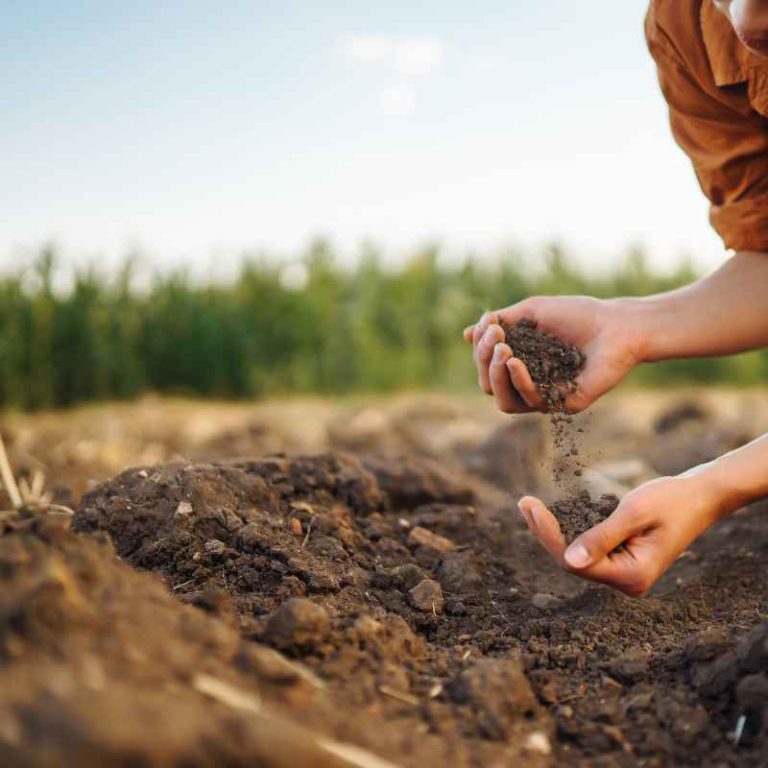
Soils rich in organic matter are often considered the gold standard for gardeners and farmers, yet many face disappointing yields despite high compost content. This post explains the hidden factors that can make organically rich soil surprisingly infertile and how to fix them.
Simply put, organic matter alone doesn’t guarantee fertility. Nutrient availability, pH balance, microbial activity, soil structure, and water-air ratios all play critical roles. Without these, even compost-heavy soil can lock up nutrients or fail to support plant growth.
Key Takeaways
- Soils rich in organic matter can still be infertile due to improper decomposition, nutrient imbalances, or pH issues.
- Microbial activity is the engine that converts organic matter into plant-available nutrients — without it, organic matter remains locked.
- Soil texture and structure influence how well roots access nutrients and water, even in high-organic soils.
- Testing for pH, nutrient levels, and compaction is essential before assuming organic-rich soil is fertile.
1. What Makes Soil Fertile Beyond Organic Matter
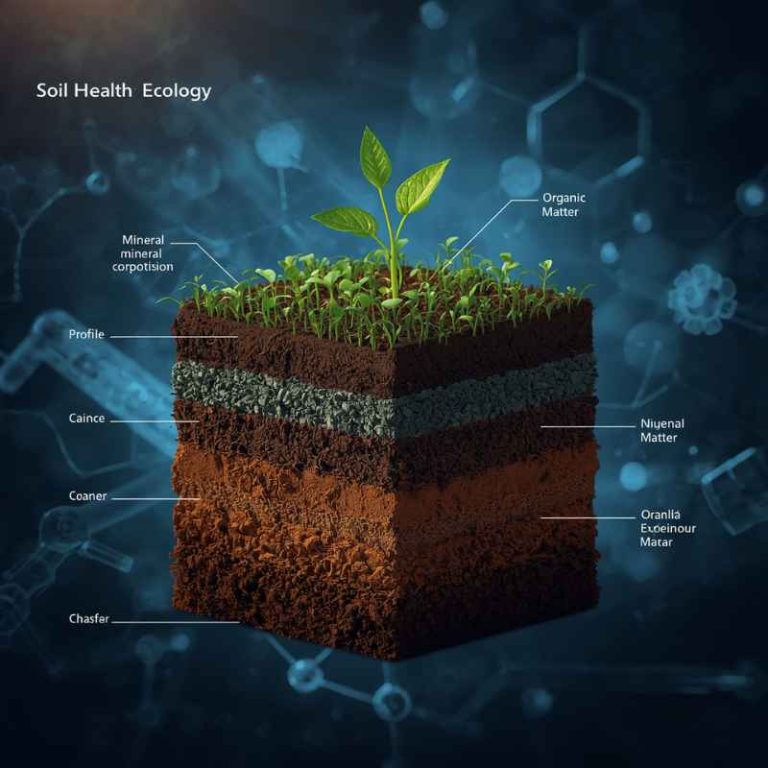
Fertile soil requires a delicate balance of physical, chemical, and biological properties. Organic matter is just one piece of the puzzle. The USDA Natural Resources Conservation Service (NRCS) defines fertile soil as one that supplies essential nutrients, holds water without waterlogging, and allows root penetration.
Soils rich in organic matter may still lack these if other factors are off.
Key fertility components beyond organic content include:
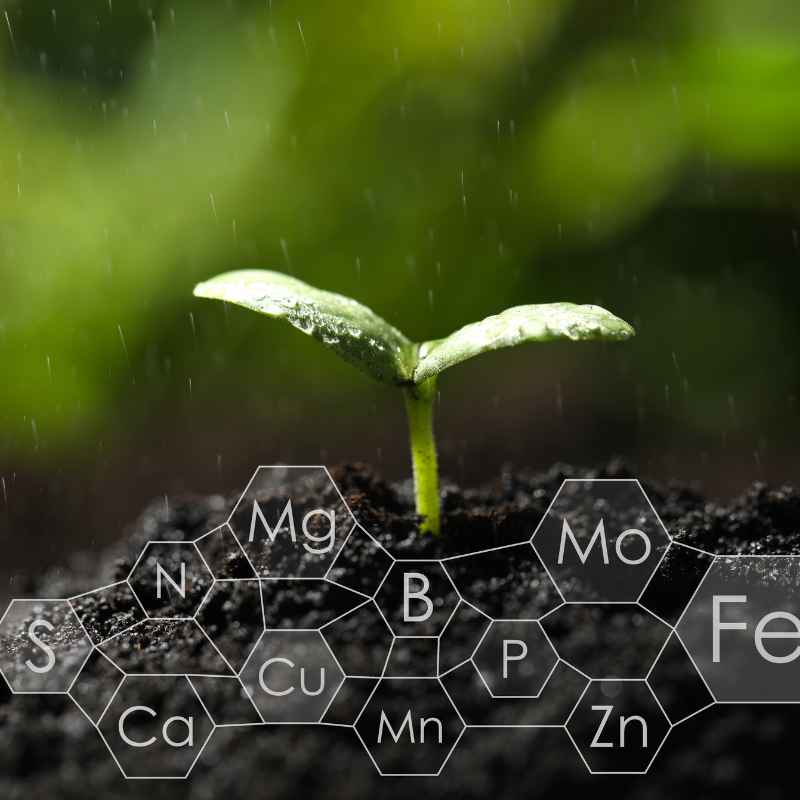
- Available nitrogen, phosphorus, potassium (NPK) in soluble forms
- Secondary nutrients: calcium, magnesium, sulfur
- Micronutrients: iron, zinc, manganese, copper, boron
- Proper pH range (typically 6.0–7.0 for most crops)
- Good soil structure with crumb-like aggregates
- Adequate aeration for root respiration
- Active microbial and fungal communities
According to a study published in Soil Biology and Biochemistry, soils with >5% organic carbon can still show nitrogen deficiency if the carbon-to-nitrogen (C:N) ratio exceeds 30:1. This is because microbes consume all available nitrogen during decomposition, leaving none for plants.
| Fertility Factor | Why Organic Matter Alone Is Not Enough |
|---|---|
| Nutrient availability | Organic N must be mineralized by microbes – slow process if C:N ratio is high |
| pH balance | Acidic or alkaline pH locks up phosphorus and micronutrients regardless of organic content |
| Soil structure | Organic matter helps but compacted soil prevents root growth and gas exchange |
In short, measuring only organic matter percentage gives an incomplete fertility picture. A comprehensive soil test is the only way to know what’s really happening underground.
2. How Decomposition Affects Nutrient Availability
Organic matter must undergo decomposition by soil organisms to release nutrients. This process, called mineralization, converts organic nitrogen into ammonium and nitrate. If decomposition stalls, soils rich in organic matter accumulate undecayed material that plants cannot use.
Factors that slow decomposition include:
- High C:N ratio materials (e.g., sawdust, straw) that tie up nitrogen
- Cold soil temperatures (below 50°F / 10°C)
- Waterlogged conditions that limit aerobic bacteria
- Extreme acidity or alkalinity
- Lack of microbial diversity due to pesticide overuse
Warning: Fresh wood chips or uncomposted sawdust mixed into garden soil can cause severe nitrogen deficiency. The microbes “steal” nitrogen from the soil to break down the carbon, leaving plants starved.
The rate of decomposition also depends on the type of organic material. According to the University of California Agriculture and Natural Resources, green manure (like clover) breaks down in 2–4 weeks, while well-rotted manure takes 2–4 months. Peat moss, though high in organic matter, degrades very slowly and contributes little to nutrient supply.
Soil rich in organic matter that looks dark and crumbly may still be infertile if the material is mostly stable humus with low biological activity. Adding fresh green matter can kickstart the decomposition cycle and release trapped nutrients.
3. What Role Does Soil pH Play in Fertility?
Soil pH directly controls nutrient solubility. Even when soils rich in organic matter contain adequate total nutrients, extreme pH values lock them into unavailable forms. The NRCS reports that phosphorus availability halves when pH drops below 5.5 or rises above 8.0.
Key pH-related effects:
- Acidic soils (pH < 6.0): aluminum and manganese become toxic; calcium, magnesium, and phosphorus become deficient.
- Alkaline soils (pH > 7.5): iron, zinc, copper, and manganese become insoluble, causing chlorosis.
- Organic matter can buffer pH, but cannot overcome extreme imbalances.
A field study in Agronomy Journal found that no-till soils with 4% organic matter had lower corn yields on plots with pH 5.2 compared to pH 6.5, despite identical organic content. The nutrient lockout was severe enough to cut yields by 30%.
| pH Range | Typical Effect on Nutrients | Common Organic Matter Impact |
|---|---|---|
| 4.5–5.5 | Al toxicity, P deficiency | Decomposition slows, fungal dominance |
| 6.0–7.0 | Optimal for most nutrients | Rapid microbial activity, good mineralization |
| 7.5–8.5 | Fe, Zn, Mn deficiency | Humus buffers but cannot correct |
Tip: If your soil tests below pH 6.0, apply lime 3–6 months before planting. Above pH 7.5, use elemental sulfur or acidifying fertilizers. Organic matter alone cannot fix pH problems.
4. Why Soil Texture and Structure Matter for Fertility
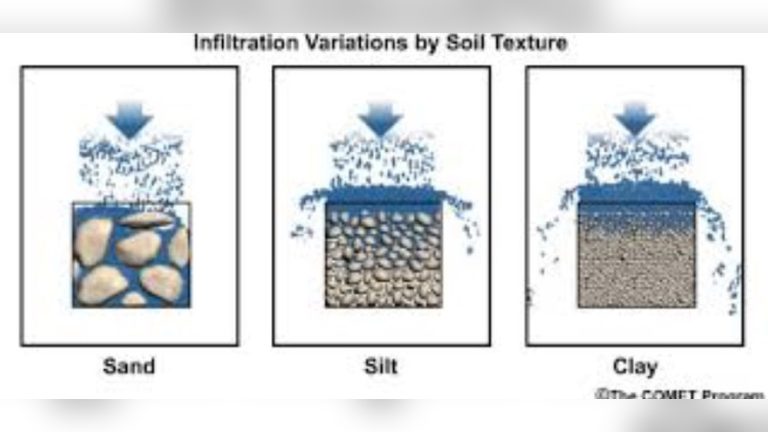
Soil texture (sand, silt, clay percentages) and structure (how particles cluster) control water movement, root penetration, and aeration. Soils rich in organic matter can still be infertile if texture creates drainage problems or prevents root exploration.
Common scenarios where high organic matter fails due to texture:
- Clay-heavy soils: organic matter can improve tilth, but if clay content exceeds 50%, roots may still struggle to grow through dense layers.
- Sandy soils: organic matter rapidly leaches out, leaving little residue for long-term fertility.
- Compacted layers: even with 10% organic matter, a hardpan 6 inches deep stops root growth and water percolation.
According to the Food and Agriculture Organization (FAO), soil structure is influenced by organic matter, but the effect takes years to develop. Fresh additions of compost need earthworms and fungi to bind particles into stable aggregates. Without these organisms, organic matter remains a loose layer on top.
A proper soil test includes texture analysis. The NRCS recommends the jar test for home gardeners: shake soil with water and let particles settle. Sand settles in 1 minute, silt in 2 hours, clay in 24–48 hours.
This tells you the approximate texture class and helps you plan amendments.
5. How Microbial Activity Determines True Fertility
Microbes are the engines that convert organic matter into plant food. Without a diverse and active microbial community, soils rich in organic matter are like a pantry full of canned food without a can opener. Bacteria, fungi, protozoa, and nematodes each play specific roles in nutrient cycling.
Key microbial roles:
- Bacteria: decompose simple carbohydrates, fix atmospheric nitrogen (symbiotic and free-living), solubilize phosphorus
- Fungi: break down tough organic compounds (lignin, cellulose), form mycorrhizal networks that extend root access to water and nutrients
- Actinomycetes: decompose resistant organic matter, produce antibiotics that suppress pathogens
- Earthworms: physically mix organic matter into soil, create burrows for aeration, cast rich in nutrients
Studies from the Rodale Institute show that organic farming methods increase microbial biomass by 40–80% compared to conventional. However, even organic-rich soils can become microbially depleted due to:
- Tillage that destroys fungal hyphae and earthworm tunnels
- Excessive synthetic fertilizer application that suppresses microbial activity
- Broad-spectrum fungicides and bactericides
- Long dry periods or waterlogging
Important: Adding compost alone does not guarantee microbial diversity. Use compost that contains visible fungal hyphae and earthworms. Avoid heat-treated commercial composts that may be sterile.
To check microbial health, perform a simple soil respiration test: moisten a soil sample in a sealed jar with a spoonful of sugar and measure CO2 production by the rise in a balloon. Active soil will inflate the balloon in 24 hours.
6. How Nutrient Imbalances Can Arise in Organic-Rich Soils
Even when decomposition is active, soils rich in organic matter may suffer from nutrient imbalances. This happens when the ratio of nutrients is skewed, causing antagonistic effects. For example, too much potassium can block magnesium uptake; too much calcium can block iron uptake.
Common imbalances:
- High phosphorus from too much bone meal or manure leads to zinc deficiency
- Excess nitrogen from fresh manure produces lush foliage but poor fruiting
- Low sulfur reduces protein synthesis and chlorophyll formation
- High organic matter in peat soils naturally lacks copper and boron
| Imbalance | Signs in Plants | Common Cause in Organic Soils |
|---|---|---|
| High P, low Zn | Stunted growth, interveinal chlorosis | Excessive bone meal or poultry manure |
| High K, low Mg | Leaf curl, purple stems | Wood ash or kelp overapplication |
| High N, low K | Lush growth but weak stems, poor yield | Fresh manure without potassium amendment |
To avoid imbalances, always base amendments on a laboratory soil test rather than guesswork. Many university extension services offer affordable tests that include micronutrients.
7. Why Water and Air Balance Is Critical
Roots need both water and oxygen. Soils rich in organic matter can hold too much water, leading to waterlogged conditions and root suffocation. Conversely, if organic matter is not incorporated into the mineral soil, it can create a perched water table.
Optimal pore space distribution:
- Macropores (>0.08 mm) for drainage and aeration – 10–20% of soil volume
- Mesopores (0.03–0.08 mm) for plant-available water – 20–30%
- Micropores (<0.03 mm) for bound water – 10–20%
When organic matter is added as a surface mulch without mixing, water can pool on top, causing anaerobic decomposition that produces toxic compounds like ethylene and hydrogen sulfide. The NRCS warns that anaerobic soils lose up to 50% of added nitrogen through denitrification.
Warning: If your soil smells like rotten eggs (sulfur) or ammonia, it’s likely waterlogged. Immediate action: install drainage or raise beds. Do not add more organic matter – it will worsen the problem.
To check water balance, dig a hole 8 inches deep and fill it with water. If it doesn’t drain within 24 hours, you have a drainage issue. Adding sand or building raised beds is more effective than adding more organic matter.
8. How to Test and Improve Fertility in Organic-Rich Soils
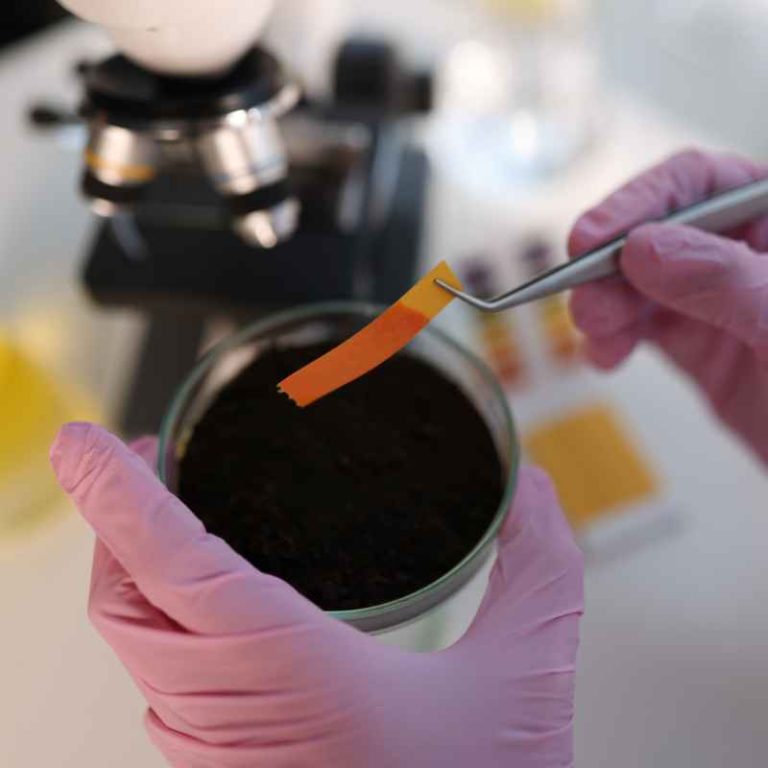
To diagnose why soils rich in organic matter aren’t fertile, follow this systematic approach:
- Collect a representative soil sample – mix subsamples from 6–8 spots at 6–8 inch depth.
- Send to a lab – request standard test plus organic matter, C:N ratio, and micronutrients.
- Review pH first – adjust if outside 6.0–7.0 using lime or sulfur.
- Check C:N ratio – if above 30:1, add nitrogen fertilizer or fresh green matter.
- Evaluate soil texture – do the jar test to determine sand/silt/clay percentages.
- Observe drainage – dig a percolation test hole.
- Assess biological activity – look for earthworms, fungal hyphae; do respiration test.
- Adjust amendments – based on test results, not assumptions.
Improving fertility often requires:
- Adding lime or sulfur for pH adjustment
- Mixing in coarse sand or perlite for clay drainage
- Using cover crops with low C:N for nitrogen release
- Inoculating with mycorrhizal fungi or compost tea
- Aerating compacted soil with broadfork or core aeration
Tip: The first year, focus on creating optimal physical conditions (drainage, aeration, pH). Biological fertility follows naturally once the environment supports microbes.
Frequently Asked Questions
Can too much organic matter ruin soil fertility?
Yes. Excess organic matter can lead to nitrogen tie-up, waterlogging, and nutrient imbalances. Most soils benefit from 3–5% organic matter.
Above 10% without adequate mineral content can create problems.
How do I know if my organic matter is actually helping?
Look for earthworms, active root growth, and dark crumbly structure. If you see water puddles, yellow leaves, or a foul smell, organic matter may not be decomposing properly.
What is the fastest way to improve fertility in high-organic soil?
Aerate the soil with a broadfork or tiller to introduce oxygen, then water with compost tea to boost microbial activity. Address any pH issues with lime or sulfur.
Does adding more compost always help?
Not necessarily. If your C:N ratio is already high, adding more high-carbon organic matter worsens nitrogen deficiency. Always test before adding.
Why do my plants still look nutrient deficient even with lots of compost?
Possible causes: high pH locking up nutrients, C:N imbalance, waterlogged conditions killing roots, or specific micronutrient deficiencies not supplied by the compost.
Final Thoughts
Organic matter is a valuable component of fertile soil, but it’s not a magic bullet. pH, texture, microbial activity, and nutrient balance all play equally important roles. Soils rich in organic matter can still need targeted adjustments to unlock their full fertility potential.
Start with a comprehensive soil test, address physical limitations first, and let biology follow. Your plants will reward you with healthier growth and better yields.