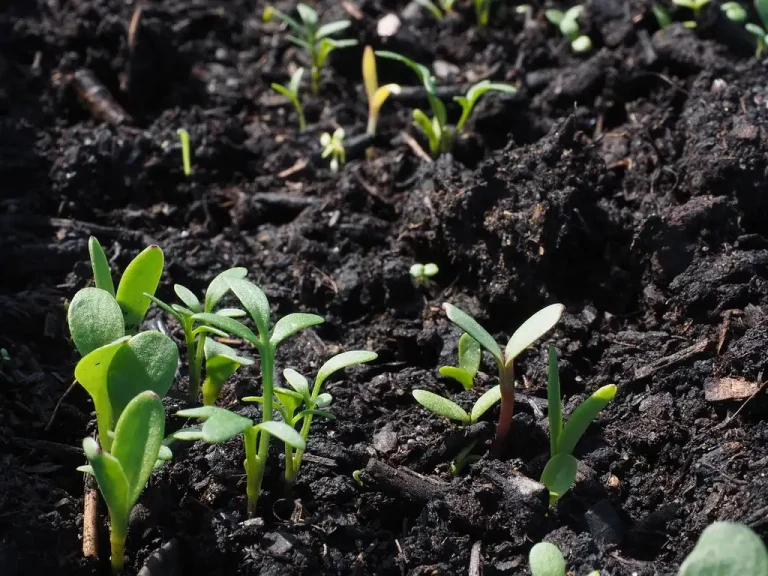
How Gardeners And Farmers Can Add Nutrients to Soil
Healthy, nutrient-rich soil is the foundation of every thriving garden and productive farm. Whether you’re cultivating vegetables, fruit trees, grains, or ornamental plants, the nutrients available in your soil directly influence plant growth, yield, and resilience against pests and diseases.
Yet, over time, intensive planting, erosion, and natural depletion gradually strip soils of their essential nutrients, leading to diminishing returns and poor plant health.
For gardeners and farmers, understanding how to replenish and enhance soil nutrients is not just a best practice—it’s a necessity for sustainable agriculture and successful harvests. From ancient methods like composting and crop rotation to innovative modern soil amendments and precision testing, a wide range of strategies can revitalize tired soils.
This guide explores proven, actionable techniques for adding nutrients to soil, tailored for both home gardeners and commercial-scale farmers.
Key Takeaways
- Soil nutrients are critical for plant growth, yield, and resilience.
- Regular soil testing helps determine nutrient needs and prevent over-fertilization.
- Organic matter additions, including compost and manure, improve fertility and soil structure.
- Crop rotation and cover crops naturally replenish and protect soil nutrients.
- Both natural amendments and synthetic fertilizers have roles, with distinct pros and cons.
- Effective nutrient management is essential for long-term soil health and sustainability.
Understanding Soil Nutrients And Their Importance
Soil is more than just dirt—it’s a dynamic ecosystem teeming with minerals, organic matter , microorganisms, water, and air. Each component plays a unique role in supporting plant life. A deeper understanding of soil nutrients and their interactions is essential for making informed management decisions.
Primary, Secondary, And Micronutrients
Plants require a suite of nutrients, often categorized as:
- Primary macronutrients: Nitrogen (N), Phosphorus (P), Potassium (K)
- Secondary macronutrients: Calcium (Ca), Magnesium (Mg), Sulfur (S)
- Micronutrients: Iron (Fe), Manganese (Mn), Zinc (Zn), Copper (Cu), Boron (B), Molybdenum (Mo), Chlorine (Cl)
Each nutrient serves specific physiological functions. For example, nitrogen fuels leafy growth, phosphorus supports root development and flowering, while potassium enhances disease resistance and water regulation.
Nitrogen is a key component of chlorophyll and amino acids, making it critical for photosynthesis and overall vegetative growth. Phosphorus is vital for energy transfer in plants (ATP), root formation, and the development of seeds and fruits. Potassium helps regulate water uptake, enzyme activation, and strengthens plants’ resistance to drought, cold, and disease.
Secondary macronutrients, though needed in smaller amounts, are no less essential. Calcium fortifies cell walls, enhancing structural integrity and root development. Magnesium is central to chlorophyll molecules, directly impacting photosynthetic capacity. Sulfur is important for protein synthesis and enzyme function.
Micronutrients, though required in trace amounts, are indispensable. Iron and manganese are crucial for electron transport in photosynthesis, while zinc and copper are important for enzyme systems. Boron is vital for cell wall formation and reproductive development, and molybdenum is necessary for nitrogen metabolism.
The Role Of Soil Ph
Soil pH significantly affects nutrient availability. Most crops thrive in slightly acidic to neutral soils (pH 6.0–7.0). Outside this range, nutrients can become locked in the soil, making them inaccessible to plants. For example, iron and manganese become less available in alkaline soils, while phosphorus can become immobile in highly acidic or alkaline conditions.
Regular pH testing and adjustment (using lime to raise pH or sulfur to lower it) are essential for optimal nutrition. In highly alkaline soils, micronutrient deficiencies (like zinc and iron) are common, while acidic soils can result in toxicities (such as aluminum or manganese).
Amending soil pH is a long-term process that often requires repeated applications and monitoring.
Nutrient Deficiency Symptoms
Common signs of nutrient deficiency include:
- Yellowing leaves (Nitrogen)
- Poor flowering or fruiting (Phosphorus)
- Leaf edge browning (Potassium)
- Stunted growth (Multiple deficiencies)
Other, more subtle signs may include purpling of leaves (often phosphorus), interveinal chlorosis (magnesium), or blossom end rot (calcium). It’s important to note that visual symptoms can sometimes be misleading, as similar symptoms can arise from diseases, pests, or abiotic stresses like waterlogging or drought.
Always combine visual observation with soil tests for accurate diagnosis.
Data Table: Essential Plant Nutrients And Their Functions
| Nutrient | Symbol | Key Function | Deficiency Symptom |
|---|---|---|---|
| Nitrogen | N | Leaf growth, chlorophyll formation | Pale/yellow leaves |
| Phosphorus | P | Root, flower & fruit development | Purple/reddish leaves |
| Potassium | K | Disease resistance, water regulation | Brown/curled leaf edges |
| Calcium | Ca | Cell wall structure, root health | Blossom end rot |
| Magnesium | Mg | Chlorophyll, enzyme activation | Interveinal chlorosis |
| Sulfur | S | Protein synthesis | Yellowing young leaves |

Credit: www.provenwinners.com
Soil Testing: The Foundation Of Nutrient Management
Before adding nutrients, it’s vital to understand what your soil actually needs. Guesswork can lead to over-fertilization, wasted resources, and environmental harm. Soil testing is the cornerstone of responsible nutrient management and provides a scientific basis for all subsequent actions.
Why Test Soil?
- Precision: Identify nutrient deficiencies or toxicities, tailor amendments, and avoid unnecessary applications.
- Cost-effectiveness: Apply only what’s needed, saving money on inputs and reducing labor.
- Environmental protection: Prevent excess nutrients from running off into waterways, which can cause algal blooms and aquatic ecosystem damage.
- Long-term soil health: Maintain balanced fertility, promote beneficial soil biota, and prevent nutrient mining.
Soil testing also provides a baseline for tracking changes over time, allowing you to evaluate the effectiveness of your management strategies.
How To Test Soil
- Collect samples from multiple garden or field locations at root depth (4–6 inches). Avoid sampling from unusual spots (compost piles, animal urine patches, etc. ).
- Mix samples in a clean bucket to get a composite, ensuring a representative sample.
- Send to a lab or use a reliable DIY kit. Labs provide more comprehensive and accurate analysis, while DIY kits are useful for quick, basic checks.
- Interpret the results—lab reports will recommend fertilizer types and amounts, often based on your stated crop goals.
Proper sampling is crucial: always use clean tools, avoid contamination, and sample at the same time of year for consistency.
Interpreting Soil Test Results
Results typically indicate:
- PH level
- Macronutrient levels (N, P, K)
- Micronutrient status
- Organic matter percentage
- Cation exchange capacity (CEC)
These metrics guide targeted amendments rather than blanket applications. For example, if the test shows high phosphorus but low nitrogen, you can focus on nitrogen sources and avoid adding unnecessary phosphorus, which could otherwise accumulate and cause environmental problems.
Case Example: Soil Testing In Practice
A vegetable farmer in Iowa tested their soil and found phosphorus levels were already high due to repeated manure applications. By reducing phosphorus inputs and focusing on potassium and micronutrients, the farmer saved money and improved crop yields, demonstrating the value of data-driven management.
Similarly, community gardens in California have used soil tests to identify lead contamination and safely amend soils for food production.
External Resources For Soil Testing
For comprehensive testing services, visit:
- Penn State Extension
- USDA NRCS Soil Surveys
University extension offices often provide soil testing services and can help interpret results for your specific region and crop.

Credit: www.britannica.com
Organic Matter: Nature’s Fertility Booster
The addition of organic matter is one of the most sustainable ways to build soil fertility. It not only supplies nutrients but also improves soil structure, water retention, and microbial activity. Organic matter acts as a “slow-release” reservoir for nutrients, reducing leaching and providing food for beneficial organisms.
Compost
Compost is decomposed plant and animal material rich in nutrients and beneficial organisms.
Benefits:
- Supplies slow-release nutrients that are gradually made available to plants as microbes break down organic material.
- Enhances soil structure, creating a crumbly texture that improves aeration and drainage.
- Suppresses diseases by supporting beneficial microflora that outcompete pathogens.
- Buffers soil pH and increases cation exchange capacity, making soils more resilient.
How to Use:
- Apply 1–3 inches of compost and mix into the top 6 inches of soil. For perennial beds, spread as a mulch.
- Use as a side-dressing during the growing season for heavy feeders like tomatoes, corn, and squash.
- Homemade compost can be made from kitchen scraps, yard waste, and shredded newspaper. Maintain a balance of green (nitrogen-rich) and brown (carbon-rich) materials for optimal decomposition.
Manure
Well-rotted manure (from cows, horses, chickens, etc.) is a potent source of nitrogen, phosphorus, and potassium.
Best Practices:
- Always age or compost manure to reduce pathogens and “burning.” Fresh manure can be too “hot” (high in ammonia), damaging roots and introducing weed seeds or pathogens.
- Apply in fall or several months before planting, allowing time for decomposition and nutrient stabilization.
- Use different manures for different crops: Chicken manure is high in nitrogen and best for leafy greens, while cow and horse manure are milder and suitable for most crops.
Nutrient Content Table: Common Manures
| Manure Type | Nitrogen (N) | Phosphorus (P2O5) | Potassium (K2O) |
|---|---|---|---|
| Cow | 0.6% | 0.4% | 0.5% |
| Chicken | 1.1% | 0.8% | 0.5% |
| Horse | 0.7% | 0.3% | 0.6% |
| Sheep | 0.7% | 0.3% | 0.9% |
Cover Crops And Green Manures
Cover crops (like clover, vetch, rye) are grown to be tilled into the soil, adding organic matter and fixing nutrients.
Benefits:
- Increase soil nitrogen (especially legumes, which “fix” atmospheric nitrogen through symbiosis with Rhizobium bacteria).
- Prevent erosion and suppress weeds by covering bare soil and outcompeting weeds.
- Feed beneficial soil microbes with diverse root exudates, increasing microbial biomass and diversity.
- Help break up compacted soil and improve tilth with deep or fibrous roots (e.g., rye, radish).
How to Use:
- Sow after harvest or in fallow periods. Choose winter-hardy crops for off-season cover.
- Mow or till in before flowering for maximum nitrogen release, as nutrients are most concentrated in young, green tissue.
- Allow 2–4 weeks after incorporation before planting main crops, as decomposition can temporarily tie up soil nitrogen.
Mulching
Applying a layer of organic mulch (straw, leaves, wood chips) conserves moisture, moderates temperature, and adds nutrients as it decomposes.
- Mulch also suppresses weeds, reduces soil erosion, and protects soil from compaction by heavy rain.
- As mulch breaks down, it feeds earthworms and soil microbes, gradually increasing organic matter content.
- In fruit tree and perennial beds, deep mulching can mimic the “forest floor” and build long-term soil fertility.
Tip: Keep mulch a few inches from plant stems to prevent rot and discourage rodents.
Real-world Example: Urban Community Garden
A community garden in New York City adopted composting and cover cropping. Within three years, soil organic matter increased from 2% to 5%, leading to double the tomato yields and fewer pest outbreaks. The garden also reported improved water infiltration and less need for supplemental irrigation, showing how organic matter benefits the entire ecosystem.
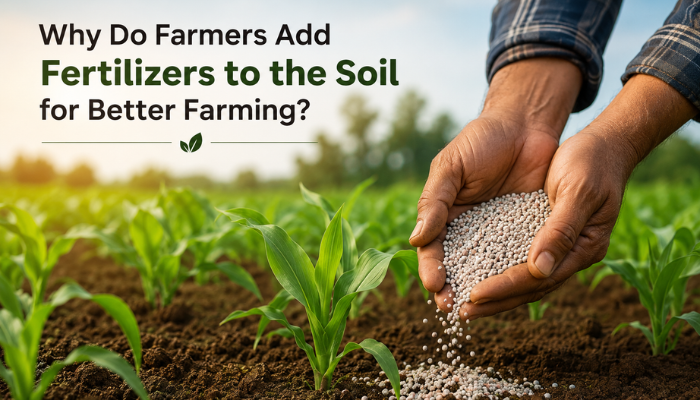
Credit: www.svagrosolutions.com
Mineral And Synthetic Soil Amendments
While organic matter is foundational, targeted mineral and synthetic amendments can correct specific deficiencies and rapidly boost soil fertility. These products are often used when quick results are needed or when soil tests indicate acute shortages.
Lime And Gypsum
Lime (calcium carbonate) raises soil pH and supplies calcium, while gypsum adds calcium without altering pH.
- Use lime if soil is acidic and calcium is low; this is common in regions with heavy rainfall or acidic parent material.
- Apply gypsum in sodic (sodium-rich) soils to improve structure by displacing sodium, thereby enhancing drainage and root growth.
Lime takes several months to fully react in soil, so apply in fall or well before planting.
Rock Phosphate And Greensand
- Rock phosphate: A natural source of slow-release phosphorus, ideal for long-term soil building in organic systems. It’s especially useful in soils with low phosphorus levels and slightly acidic pH.
- Greensand: Mined mineral rich in potassium, iron, and trace elements. It’s slower acting than synthetic sources but builds soil fertility over time.
Commercial Fertilizers
Synthetic fertilizers deliver precise amounts of nutrients in quickly available forms.
- N-P-K blends: Standard garden fertilizers (e.g., 10-10-10 or 5-10-5) provide balanced nutrition for general use.
- Single-nutrient sources: Urea (nitrogen), triple superphosphate (phosphorus), potassium sulfate (potassium) allow correction of specific deficiencies.
Pros:
- Fast results, ideal for correcting acute deficiencies or boosting growth in high-value crops.
- Highly concentrated, so smaller quantities are needed.
Cons:
- Potential for leaching/runoff, especially in sandy soils or during heavy rains.
- Can harm soil biology if overused or applied without organic matter.
- Overreliance can lead to nutrient imbalances and salt accumulation.
Biochar
Biochar is charcoal produced from plant material. It improves nutrient retention and soil microbiology.
- Mix biochar with compost before adding to soil to “charge” it with nutrients and microbes.
- Particularly useful in sandy or degraded soils where it helps retain water and nutrients.
Biochar’s porous structure provides habitat for beneficial microbes and can sequester carbon, making it a tool for climate resilience.
Comparison Table: Organic Vs. Synthetic Fertilizers
| Feature | Organic Fertilizers | Synthetic Fertilizers |
|---|---|---|
| Nutrient Release Speed | Slow, long-term | Fast, immediate |
| Soil Health Impact | Improves structure, biology | May degrade biology if overused |
| Cost | Often free/low (homemade) | Moderate to high |
| Environmental Risk | Low (if properly used) | Potential runoff/leaching |
| Certification | Allowed in organic systems | Not allowed in organic systems |
Resource For Fertilizer Standards
For more on fertilizer regulations and standards, consult the EPA Soil Research page.
Biological Approaches To Enhancing Soil Fertility
Healthy soils teem with life—from bacteria and fungi to earthworms and beetles. These organisms play a crucial role in breaking down organic matter and cycling nutrients. Managing for soil biology is as important as managing for chemistry and physics.
Soil Microorganisms
Beneficial microbes decompose organic material, fix atmospheric nitrogen, and make nutrients available to plants.
- Mycorrhizal fungi: Form symbiotic relationships with plant roots, improving phosphorus and water uptake. These networks can extend several feet, transporting nutrients between plants and enhancing resilience.
- Nitrogen-fixing bacteria: Convert atmospheric nitrogen into plant-available forms (especially in legumes). Rhizobium bacteria in nodules on legume roots can supply much of a crop’s nitrogen needs.
Soil life also includes actinomycetes (which help break down tough organic matter), protozoa, and nematodes, all playing distinct roles in the soil food web.
Vermicomposting
Worm composting uses red wigglers to create castings rich in nutrients and beneficial microbes.
- Apply worm castings as a top dressing or mix into potting soils.
- Enhances seedling vigor and disease resistance.
- Worm castings contain plant growth hormones and humic acids, which stimulate root development and overall plant vitality.
Inoculants
Adding microbial inoculants (commercially available bacteria and fungi) can jump-start biological activity, especially in degraded or sterilized soils.
- Common in organic vegetable production, especially when soils are low in native beneficial organisms.
- Often used with legumes for nitrogen fixation, or with mycorrhizal fungi for improved phosphorus uptake.
Encouraging Soil Life
To maximize biology:
- Avoid over-tilling, which disrupts soil structure and kills beneficial organisms. Adopt reduced or no-till practices whenever possible.
- Minimize use of chemical pesticides and herbicides, which can harm non-target beneficial soil life.
- Maintain organic cover year-round. Living roots and mulches provide continuous food for soil organisms.
Practices like rotating livestock, applying compost teas, or using biofertilizers can further enhance soil biodiversity.
Example: Regenerative Agriculture On A Family Farm
A family wheat farm in Kansas transitioned to reduced tillage, cover crops, and compost tea applications. Within five years, soil organic carbon increased by 1. 2%, reducing the need for synthetic fertilizers and boosting yields by 15%. Improvements in soil structure also allowed machinery to work fields sooner after rain, reducing delays and compaction.
For more on soil biology, see Soil Biology (Wikipedia).
Crop Rotation And Polyculture For Nutrient Cycling
Strategic plant choices and rotations are essential for breaking pest cycles and naturally replenishing soil nutrients.
Crop Rotation Principles
Rotating crops (e. g. , following corn with beans) reduces nutrient depletion and disease buildup.
Benefits:
- Legumes add nitrogen for following crops.
- Deep-rooted plants bring up nutrients from subsoil.
- Reduces reliance on chemical inputs.
- Disrupts life cycles of soil-borne pests and diseases.
Crop rotation can be as simple as alternating two crops (corn and soybeans), or as complex as four- to six-year rotations including cereals, legumes, root crops, and cover crops.
Example Rotation:
- Year 1: Corn (heavy feeder)
- Year 2: Beans (legume, nitrogen fixer)
- Year 3: Root crops (carrots, beets)
- Year 4: Leafy greens
This cycle helps distribute nutrient demands and ensures no single nutrient is depleted.
Companion Planting And Polyculture
Planting diverse species together (polyculture) creates a more resilient, self-sustaining system.
- Marigolds with tomatoes deter nematodes.
- Corn, beans, and squash (Three Sisters) mutually support growth: Corn provides structure for beans, beans fix nitrogen, and squash shades soil to suppress weeds and retain moisture.
- Intercropping (e.g., lettuce between taller crops) maximizes space and resource use.
Polyculture systems mimic natural ecosystems, making them more resilient to pests, diseases, and weather extremes.
Short-term Fallow
Leaving a bed or field fallow (uncropped) for a season allows natural soil recovery, especially when cover crops are used.
- Fallow periods can help restore soil structure, increase organic matter, and reduce weed seed banks.
- Incorporating green manures during fallow enhances nutrient cycling and organic matter input.
Data Table: Legume Cover Crops And Nitrogen Addition
| Legume Species | Nitrogen Added (lbs/acre) | Ideal Planting Season |
|---|---|---|
| Crimson Clover | 70–120 | Fall |
| Hairy Vetch | 90–200 | Fall |
| Field Peas | 50–150 | Spring/Fall |
| Alfalfa | 100–200 | Spring |
For more on crop rotation, see USDA Crop Rotation Guide.
Precision Agriculture And Technological Solutions
Modern technology enables more efficient and environmentally conscious nutrient management, especially at larger scales.
Precision Fertilizer Application
Using GPS-guided equipment and variable-rate applicators, farmers can target fertilizer precisely where and when it’s needed.
- Reduces input costs by up to 20% by avoiding waste and over-application.
- Minimizes runoff and environmental impact, as nutrients are applied only where crops need them.
- Increases yield consistency by addressing variability within fields.
Precision agriculture integrates data from soil tests, yield maps, and crop sensors to tailor fertility programs to each field zone.
Remote Sensing And Drones
Drones and satellite imagery assess crop health and detect nutrient deficiencies early.
- Enables spot treatments rather than blanket applications, saving resources and reducing environmental footprint.
- Helps monitor large fields quickly, identify problem areas, and verify effectiveness of interventions.
Remote sensing can also track crop development, pest outbreaks, and soil moisture levels, providing comprehensive management insights.
Digital Soil Mapping
Soil sensors and mapping software provide real-time data on moisture, pH, and nutrient levels.
- Facilitates site-specific amendment recommendations, adjusting fertilizer rates on-the-go.
- Supports data-driven decision-making, improving both economic and environmental outcomes.
Digital mapping allows farmers to build a long-term database, informing future crop choices and soil health strategies.
Case Study: Tech Adoption On A Commercial Farm
A 2,000-acre corn farm in Illinois adopted precision nutrient management, reducing nitrogen use by 30% and increasing profitability by $50 per acre, while improving water quality in nearby streams. The farm also saw more consistent yields across varying soil types, demonstrating the value of integrating technology with agronomic best practices.
For more on precision agriculture, visit Successful Farming: Precision Ag.
Sustainable Practices For Long-term Soil Health
Building and maintaining nutrient-rich soil is a marathon, not a sprint. Sustainable approaches protect resources for future generations and ensure farm profitability and food security.
Reducing Tillage
Minimizing disturbance preserves soil structure and organic matter, boosts water retention, and supports beneficial organisms.
- Reduced or no-till systems leave crop residues on the surface, protecting soil from erosion and temperature extremes.
- Over time, these practices build soil tilth, reduce compaction, and increase carbon sequestration.
Integrated Nutrient Management
Combine organic and inorganic sources for balanced fertility. Tailor applications to crop needs, season, and weather.
- Integrated management leverages the benefits of both approaches, reducing risks of nutrient imbalance and environmental harm.
- Split fertilizer applications (e.g., side-dressing nitrogen during crop growth) can boost efficiency and minimize losses.
Buffer Strips And Erosion Control
Planting grass strips, hedgerows, or trees along field edges traps nutrients and prevents runoff into waterways.
- Buffer zones filter sediment and nutrients, protecting aquatic ecosystems.
- Perennial vegetation in buffers also provides habitat for beneficial insects and wildlife.
Continuous Learning
Stay informed on best practices through extension services, research institutions, and farmer networks.
- Participate in field days, workshops, and online forums to share experiences and learn about new research.
- Engage with local conservation agencies for technical and financial support.
For ongoing learning, see University of Minnesota Extension: Soil Health.
Frequently Asked Questions
What Is The Best Way To Add Nutrients To Soil Organically?
The most effective organic methods include adding compost, well-rotted manure, and growing cover crops like clover or vetch. These approaches replenish multiple nutrients, feed soil microbes, and improve soil structure for lasting fertility. For best results, integrate these methods with proper crop rotation and minimal tillage.
How Often Should Soil Be Tested For Nutrients?
For most gardens and farms, soil testing every 2–3 years is sufficient. However, when starting new beds, after major amendments, or if you notice plant health issues, more frequent testing is beneficial to fine-tune management. Commercial farms may test annually or by field zone for high-value crops.
Can You Add Too Many Nutrients To Soil?
Yes, over-fertilization can harm plants, pollute water, and disrupt soil biology. Always base nutrient additions on soil test results and observe recommended rates, especially with synthetic fertilizers. Excess phosphorus or potassium can interfere with uptake of other nutrients, and high nitrogen can lead to weak, disease-prone plants.
Are Synthetic Fertilizers Bad For Soil Health?
Synthetic fertilizers are not inherently bad but overuse can damage beneficial soil life and increase environmental risks. Integrating organics and using synthetics judiciously provides the best of both worlds. Always prioritize soil biology and structure for long-term resilience.
What Cover Crops Add The Most Nitrogen?
Legume cover crops such as hairy vetch, crimson clover, and alfalfa are top nitrogen fixers. When tilled in before flowering, they can add 70–200 lbs of nitrogen per acre, enriching the soil for subsequent crops. Mix legumes with grasses for balanced biomass and erosion control.
Building nutrient-rich soil is a dynamic, ongoing process that rewards attentive management and sustainable practices. By testing soil regularly, integrating organic matter, rotating crops, and employing both traditional and modern methods, gardeners and farmers can create fertile, resilient soils that yield abundant harvests year after year.
The health of your soil is the legacy you leave for future crops—and for the planet itself. By embracing a holistic, science-based approach, anyone can become a steward of the land and ensure productivity for generations to come.