Why Healthy Soils Are Important for the Food Chain
Healthy soils are the unsung heroes beneath our feet, quietly supporting life on Earth in ways that often go unnoticed. While we may focus on the food on our plates or the vibrant crops in the fields, the intricate world below ground is the foundation upon which the entire food chain is built.
Understanding the crucial role of soil health is not just important for farmers or scientists—it is essential for everyone who depends on safe, nutritious food.
In recent years, mounting concerns about climate change, food security, and environmental degradation have brought the spotlight back to the soil. From the smallest microbes to the largest mammals, every organism depends on the continuous cycles and processes that healthy soils provide. The links between soil health and the global food chain are profound, and the consequences of neglecting this resource are already being felt around the world. In this article, we’ll delve deep into why healthy soils are vital for the food chain, exploring the science, the data, and the real-world implications of soil stewardship.
Key Takeaways
- Healthy soils are the foundation of the global food chain, supporting plant growth, animal health, and human nutrition.
- Degraded soils lead to reduced crop yields, lower nutritional value, and increased vulnerability to pests and disease.
- Soil health impacts water retention, climate resilience, and biodiversity above and below ground.
- Restoring and maintaining soil health is essential for long-term food security and environmental sustainability.
- Case studies and data highlight the economic and ecological benefits of investing in soil management.
- Global efforts and policy changes are needed to promote soil health at every level of the food system.

Credit: soildistrict.org
The Role Of Soil In The Food Chain
Soil is far more than just dirt; it is a living, dynamic ecosystem teeming with organisms and nutrients that drive the food chain. Its influence stretches from the tiniest bacteria to the apex predators at the top.
Soil As The Foundation For Plant Life
Plants, which form the base of the food chain, rely on soil for:
- Essential nutrients (nitrogen, phosphorus, potassium, etc.)
- Water storage and availability
- A stable medium for roots and growth
Healthy soils regulate the release of nutrients, preventing toxic build-ups and ensuring continuous plant growth. Depleted or contaminated soils, on the other hand, struggle to support robust crops, leading to lower yields and poor-quality harvests.
Soil Biodiversity And Ecosystem Function
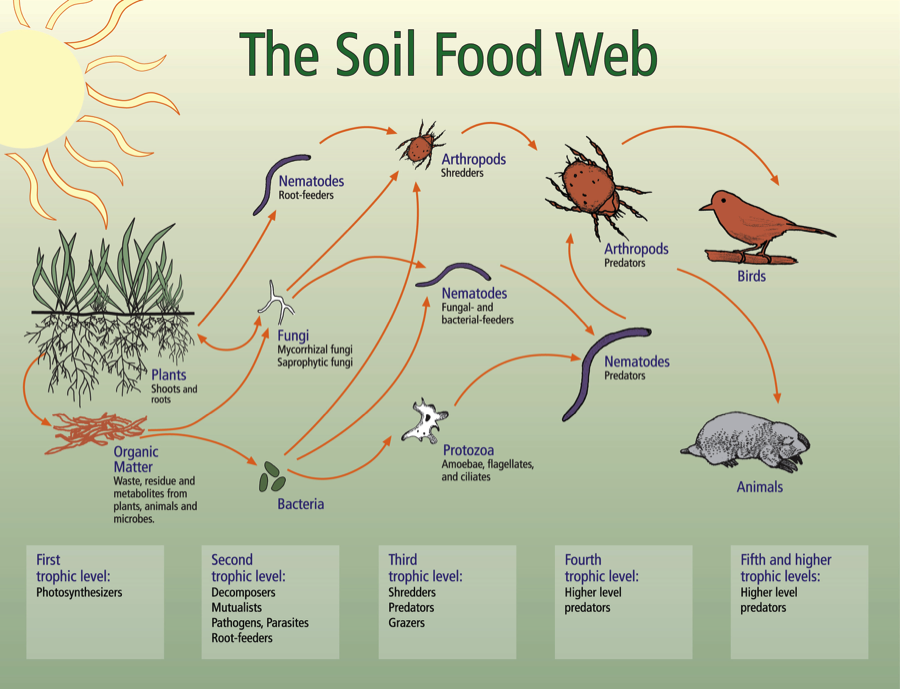
A single handful of healthy soil can contain billions of microorganisms—bacteria, fungi, protozoa, and more. These organisms:
- Decompose organic matter, recycling nutrients back into forms plants can use
- Form symbiotic relationships with plant roots (e.g., mycorrhizal fungi)
- Suppress plant diseases and pests naturally
The loss of this soil biodiversity directly undermines the entire food chain, making crops and, by extension, animals and humans more susceptible to disease and nutrient deficiencies.
Soil And Water Regulation
Healthy soils act as natural sponges, absorbing rainwater, filtering pollutants, and releasing moisture slowly over time. This supports:
- Consistent crop irrigation
- Clean drinking water supplies
- Flood mitigation and drought resilience
Degraded soils, compacted or stripped of organic matter, quickly lose this ability, leading to erosion, runoff, and increased vulnerability to extreme weather.
The Soil-animal-human Connection
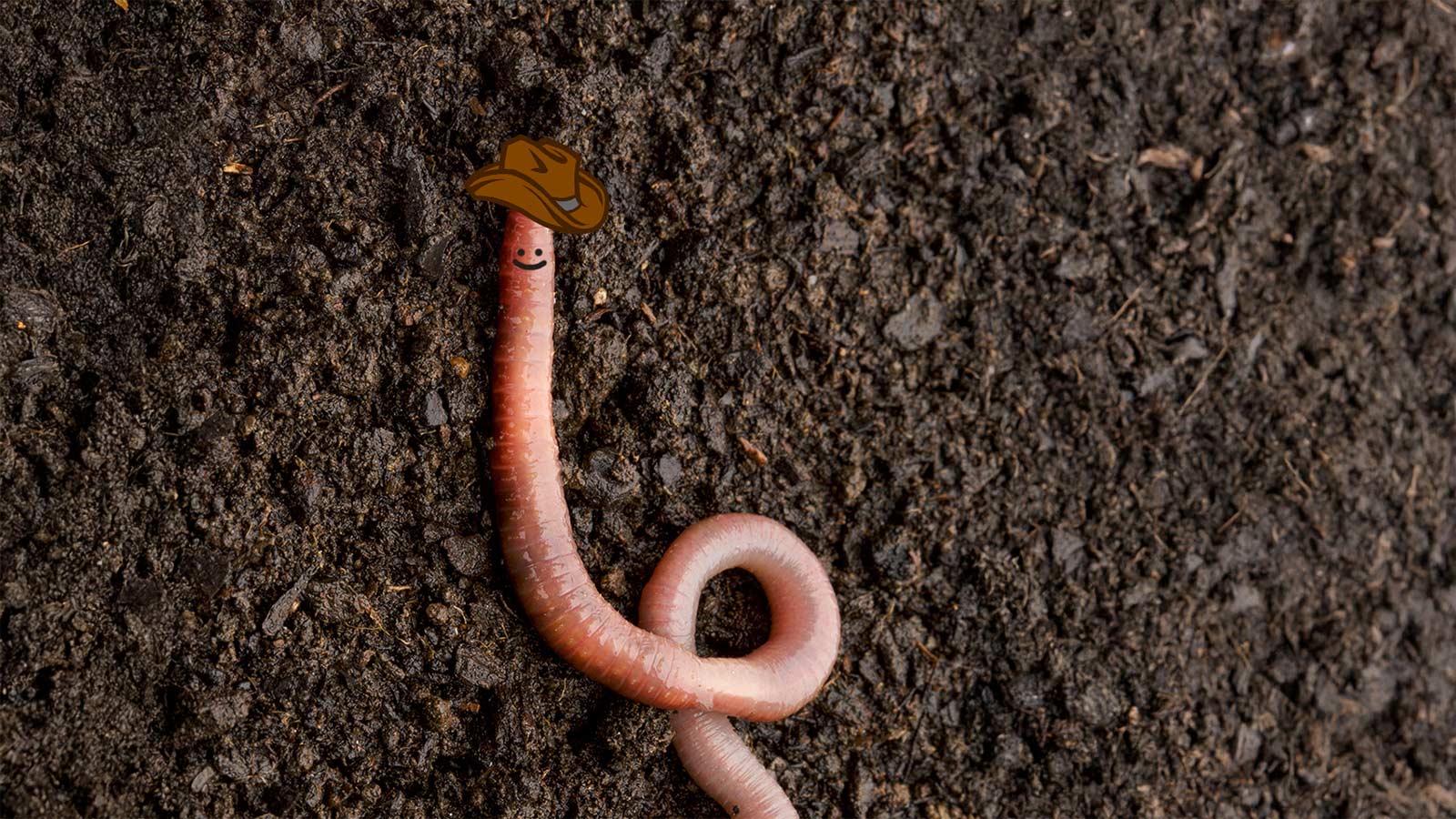
Animals, from earthworms to grazing livestock, depend on the nutrition provided by plants grown in healthy soils. When soils are rich and balanced, they yield more nutritious forage and crops, which directly affects:
- Animal health and productivity
- The quality of meat, milk, and eggs produced
- Human health through the consumption of animal products
When soils are poor, the entire food chain suffers, often resulting in micronutrient deficiencies and increased disease rates.
Credit: www.leaflimb.com
Soil Health And Crop Nutrition
The link between soil health and the nutritional quality of crops is direct and profound. What happens below ground has a clear impact on the food above ground.
Soil Nutrients And Crop Yields
Healthy soils provide balanced levels of essential nutrients. When these are depleted, plants struggle to:
- Grow to full maturity
- Develop strong root systems
- Produce nutrient-dense fruits and vegetables
According to the Food and Agriculture Organization (FAO), up to 33% of the world’s soils are already degraded, resulting in a significant loss of crop productivity.
Impact On Vitamins And Minerals
Several studies have shown that declining soil health leads to:
- Lower levels of iron, zinc, selenium, and other micronutrients in staple crops
- Reduced vitamin content, especially in fruits and leafy greens
For example, wheat grown in depleted soils can contain up to 50% less zinc than wheat from healthy soils—a critical concern in regions where wheat is a dietary staple.
Human Health Implications
Poor soil health indirectly contributes to global health challenges, including:
- Micronutrient deficiencies (“hidden hunger”) affecting over 2 billion people worldwide
- Increased risk of chronic diseases due to lower antioxidant and nutrient content in food
Improving soil health is, therefore, not just an agricultural issue but a public health imperative.
Data Table: Soil Health Vs. Crop Nutrition
| Soil Condition | Crop Yield (tons/ha) | Iron Content (mg/kg) | Zinc Content (mg/kg) |
|---|---|---|---|
| Healthy | 5.2 | 45 | 30 |
| Moderately Degraded | 3.8 | 28 | 18 |
| Severely Degraded | 2.1 | 16 | 7 |
*Source: ScienceDirect*
Soil Degradation: Causes And Global Impact
Soil degradation is one of the most pressing environmental challenges of the 21st century, threatening the stability of the food chain worldwide.
Main Causes Of Soil Degradation
Soil degradation occurs due to a combination of factors, including:
- Intensive agriculture: Over-tilling, monocultures, and excessive use of chemical fertilizers and pesticides strip soils of nutrients and biodiversity.
- Deforestation: Removing trees exposes soil to erosion and nutrient loss.
- Overgrazing: Livestock can compact soil and reduce plant cover, accelerating erosion.
- Urbanization: Paving and construction seal soil surfaces, disrupting natural cycles.
- Climate change: Increased temperatures and erratic rainfall patterns exacerbate soil loss and degradation.
Global Scale And Economic Consequences
The FAO estimates that the world loses 24 billion tons of fertile soil every year due to erosion alone. This crisis has far-reaching effects:
- Reduced agricultural productivity
- Increased food prices
- Greater reliance on chemical inputs to maintain yields
- Loss of rural livelihoods
The annual economic loss from land degradation is estimated to be $400 billion globally, with the poorest regions hardest hit.
Case Study: The Dust Bowl
The 1930s Dust Bowl in the United States remains one of history’s starkest reminders of the dangers of soil mismanagement. Poor farming practices and severe drought led to massive soil erosion across the Great Plains, displacing millions and devastating the food supply. This disaster prompted the creation of soil conservation programs that still influence policy today.
Soil Degradation Hotspots
| Region | Main Degradation Cause | Annual Soil Loss (tons/ha) |
|---|---|---|
| Sub-Saharan Africa | Overgrazing, deforestation | 10–40 |
| South Asia | Intensive agriculture | 5–25 |
| Central America | Deforestation, erosion | 12–30 |
*Source: UNCCD*
Credit: treefruit.wsu.edu
Soil Health And Environmental Sustainability
Healthy soils are not just vital for food production; they are also key to maintaining a stable, resilient environment.
Carbon Sequestration And Climate Change
Soils are one of the largest carbon sinks on the planet, storing more carbon than the atmosphere and all vegetation combined. Healthy soils:
- Absorb atmospheric CO₂ through plant roots and organic matter
- Slow the release of greenhouse gases
- Mitigate the impacts of climate change
Degraded soils, by contrast, can become net emitters of CO₂, accelerating global warming. According to the Nature Journal, restoring soil carbon stocks could offset up to 10% of global emissions annually.
Water Quality And Biodiversity
Healthy soils naturally filter water, trapping pollutants and preventing them from entering rivers and groundwater. They also support a vast array of life, from earthworms and insects to birds and mammals.
The loss of soil health leads to:
- Increased water pollution from runoff
- Loss of habitat for soil-dependent species
- Reduced resilience of entire ecosystems
Erosion Control
Soil with high organic content and a robust structure resists erosion by wind and water. This is critical for:
- Preventing the loss of arable land
- Reducing siltation in waterways
- Protecting infrastructure and communities
Data Table: Soil Organic Matter And Carbon Sequestration
| Soil Type | Organic Matter (%) | Carbon Storage (tons/ha) |
|---|---|---|
| Restored Prairie | 6.0 | 120 |
| Conventional Farmland | 2.5 | 50 |
| Degraded Land | 0.8 | 18 |
*Source: USDA NRCS*
Real-world Examples Of Soil Stewardship
Concrete examples from around the world illustrate the powerful impact of maintaining and restoring soil health on the food chain.
Case Study 1: Regenerative Agriculture In The United States
The Rodale Institute has pioneered regenerative farming techniques that focus on building soil organic matter, such as:
- Cover cropping
- Reduced tillage
- Compost application
- Integrating livestock rotations
These practices have been shown to increase crop yields by up to 30% while reducing chemical inputs and improving soil carbon sequestration. Farms using these methods are more resilient to drought and extreme weather, benefiting both the environment and the food chain.
Case Study 2: Agroforestry In Kenya
In Kenya, smallholder farmers have adopted agroforestry—planting trees alongside crops and livestock. This approach:
- Reduces soil erosion
- Improves water retention
- Adds organic matter through leaf litter
A study by the World Agroforestry Centre found that farms practicing agroforestry produced 20% higher maize yields during drought years compared to conventional farms, highlighting the critical role of soil health in food security.
Case Study 3: Rice Intensification In India
The System of Rice Intensification (SRI) focuses on improving soil aeration and organic matter. By using less water and more organic amendments, Indian farmers have reported:
- 40% higher rice yields
- Reduced use of chemical fertilizers
- Enhanced soil biodiversity
SRI has now been adopted by over 4 million farmers, demonstrating the scalability and food chain benefits of soil-focused practices.
Lessons Learned
These examples underscore that:
- Investing in soil health pays dividends across the food chain
- Soil stewardship benefits not just farmers but entire communities and ecosystems
- Adopting local, context-specific practices is key to success
Strategies For Improving And Protecting Soil Health
Safeguarding the food chain begins with proactive soil management. Multiple strategies, both traditional and innovative, are proving effective worldwide.
Sustainable Farming Practices
- Crop rotation: Alternating crops improves soil fertility and disrupts pest cycles.
- Cover cropping: Planting cover crops during fallow periods prevents erosion and adds organic matter.
- Reduced tillage: Minimizing soil disturbance preserves structure and microbial life.
- Integrated pest management (IPM): Reduces reliance on chemicals, protecting beneficial soil organisms.
Organic Amendments And Soil Restoration
- Compost and manure: Return nutrients and organic matter to the soil, improving structure and fertility.
- Biochar: Charred plant material increases soil carbon and enhances water retention.
- Mulching: Protects soil surface, conserves moisture, and suppresses weeds.
Policy And Education Initiatives
- Government incentives: Payments for ecosystem services and soil conservation programs.
- Farmer education: Training on best management practices and soil health monitoring.
- Research and innovation: Developing soil-friendly crop varieties and technologies.
Technological Innovations
- Precision agriculture: Uses data and sensors to optimize fertilizer and water use.
- Remote sensing: Monitors soil health at scale, identifying areas in need of intervention.
- Soil health testing kits: Empower farmers with rapid, on-site diagnostics.
Table: Comparison Of Soil Health Improvement Practices
| Practice | Soil Health Impact | Yield Impact | Adoption Cost |
|---|---|---|---|
| Crop Rotation | High | Moderate | Low |
| Cover Cropping | Very High | High | Moderate |
| Reduced Tillage | High | Moderate | Low |
| Biochar Amendment | High | Moderate | High |
| Precision Agriculture | Moderate | High | High |
The Economic And Social Value Of Healthy Soils
Healthy soils generate value far beyond the farm gate, underpinning economic stability, community well-being, and national security.
Increased Agricultural Productivity
- Higher yields from healthy soils translate into more reliable food supplies and income for farmers.
- According to the World Bank, improving soil health on degraded land could boost global crop production by 17%, feeding an additional 1.5 billion people.
Lower Input Costs
- Soils rich in organic matter require fewer synthetic fertilizers and pesticides, reducing costs and environmental impact.
- Studies show that regenerative practices can cut input costs by 20–50% while maintaining or increasing yields.
Community And Social Benefits
- Improved soil health supports rural jobs, reduces poverty, and enhances food sovereignty.
- Communities with healthy soils are more resilient to climate shocks and market fluctuations.
Case Study: Soil Health And Food Security In Ethiopia
In Ethiopia, the Sustainable Land Management Program has restored over 900,000 hectares of degraded land. As a result:
- Farmers have reported a 40% increase in yields
- Food insecurity has declined by 12% in participating villages
- Soil erosion has been reduced, protecting downstream water supplies
This demonstrates the powerful multiplier effects of soil health investments.
Soil Health And National Security
Nations that fail to protect their soils risk food shortages, increased import dependence, and even conflict over resources. The UN has warned that without urgent action, soil degradation could reduce global food production by 50% by 2050.
Policy, Research, And Global Initiatives
Addressing the challenges and opportunities of soil health requires coordinated action across sectors and borders.
International Agreements And Frameworks
- The United Nations Convention to Combat Desertification (UNCCD) works to halt land degradation globally.
- The Global Soil Partnership (GSP) by the FAO promotes sustainable soil management and knowledge sharing.
National Policies And Incentives
- Many countries now offer financial incentives for soil conservation, carbon farming, and regenerative practices.
- Soil health monitoring is being integrated into agricultural policy and land management decisions.
Research And Innovation
- Universities and research centers, such as the Rothamsted Research institute, are at the forefront of soil science innovation.
- New tools and methods, including soil DNA analysis and AI-driven modeling, are expanding our understanding of soil ecosystems.
Citizen Science And Public Engagement
- Programs like Soil Your Undies encourage public participation in soil health monitoring.
- Educational campaigns are raising awareness of the importance of soils for all ages.
Table: Key Global Soil Health Initiatives
| Initiative | Lead Organization | Main Focus |
|---|---|---|
| UNCCD | United Nations | Land degradation neutrality |
| Global Soil Partnership | FAO | Sustainable soil management |
| 4 per 1000 Initiative | French Government | Soil carbon sequestration |
| Soil Health Institute | Independent | Research and outreach |
*Source: 4 per 1000 Initiative*
Frequently Asked Questions
What Is Soil Health And Why Does It Matter For The Food Chain?
Soil health refers to the continued capacity of soil to function as a vital living ecosystem that sustains plants, animals, and humans. Healthy soils provide nutrients, regulate water, support biodiversity, and build resilience into the food chain. When soils are degraded, crop yields, nutritional quality, and ecosystem stability all decline.
How Does Soil Degradation Affect Human Health?
Soil degradation leads to reduced crop yields and lower nutritional value in food. This can cause micronutrient deficiencies (such as iron or zinc), increase susceptibility to disease, and contribute to food insecurity. Healthy soils are essential for producing safe, nutritious food that supports human health.
What Are Some Practical Ways To Improve Soil Health On Farms?
Farmers can improve soil health by using crop rotations, cover crops, organic amendments (like compost or manure), reduced tillage, and integrated pest management. Technological tools such as precision agriculture and soil testing help optimize these practices. Adopting regenerative approaches benefits both the environment and the food chain.
Are There Global Efforts To Protect And Restore Soil Health?
Yes. Initiatives like the United Nations Convention to Combat Desertification (UNCCD), the Global Soil Partnership, and the 4 per 1000 Initiative are working internationally to promote sustainable soil management. Many countries have also introduced national policies and incentives for soil conservation.
Can Urban Soils Contribute To The Food Chain?
Urban soils, when properly managed, can support community gardens, green spaces, and even small-scale farming. Healthy urban soils help produce fresh food locally, improve air and water quality, and enhance urban biodiversity. However, contamination and compaction are challenges that must be addressed.
Healthy soils are the bedrock of a resilient, sustainable food chain and a thriving planet. By recognizing their value and investing in their restoration and stewardship, we can secure a healthier future for all life on Earth. Every action—from individual farmers to international policymakers—matters in the urgent effort to protect this vital resource.