Fall Soil Prep for Next Season’s Vegetable Garden
Use fall soil prep to match the fix to the flaw: add compost for thin soil, apply lime or sulfur only after a soil test, and sow a cover crop when beds will sit bare for about 4 to 6 weeks or more. Ignore those steps, and compaction, nutrient shortages, pH drift, and pest pressure can carry straight into spring. This guide shows how to diagnose what went wrong in each bed and choose the right amendments, cover crops, and timing.
Why fall soil prep pays off



Fall prep saves the most time when it targets the problem your bed actually had this season. A few focused tasks now can shorten spring work by weeks, especially if you test first, correct pH before winter, and protect open soil from erosion and weeds.
Soil structure matters through winter because it controls how well water moves, how fast beds warm in spring, and how easily roots can grow. Heavy digging or tilling can break that structure, and wet soil is the worst time to disturb it. Organic matter plus low disturbance is the safer long-term pattern.
Spending 4-6 hours on fall prep can save weeks of spring work. That payoff comes from fewer weeds, less crusting, better soil tilth, and beds that dry and plant faster when the weather turns.
What should you do first?
Start with cleanup, then test the soil if it has not been tested in a few years or ever, then amend. Remove spent plants and weeds, separate healthy debris from diseased material, check pH and nutrients, and only then decide whether lime, sulfur, compost, or cover is the right correction.
-
Clear spent plants.
Pull dead vegetable plants, weed growth, and finished crop residue. Remove old plants and roots first, because they can shelter pests and make later work harder. -
Separate healthy debris.
Keep healthy stems and leaves out of the bed if you plan to compost them, but do not compost diseased vegetable debris at home unless the disease and compost conditions are known to break it down safely. Infected material can carry overwintering pests and pathogens. -
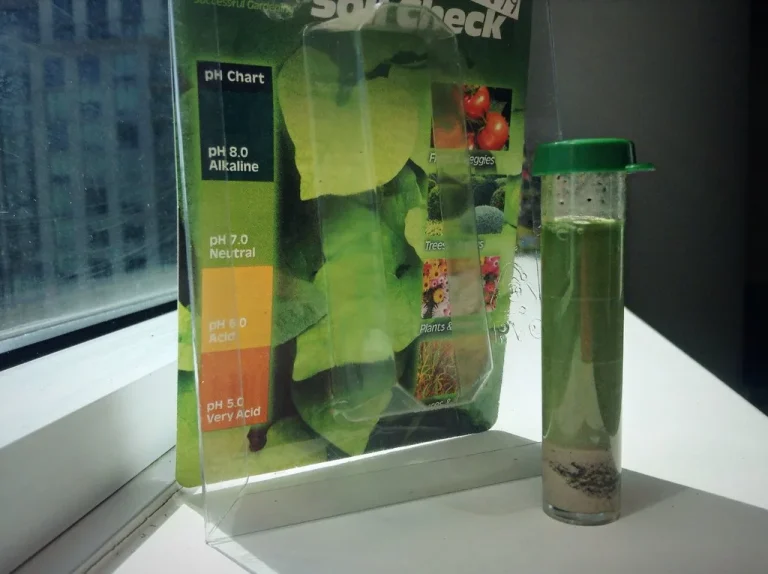
Test the soil.
Send a soil sample or use a reliable test if you have not checked pH and nutrients in a few years or ever. Test results tell you whether lime, sulfur, phosphorus, potassium, or other corrections make sense before winter. -
Correct pH first.
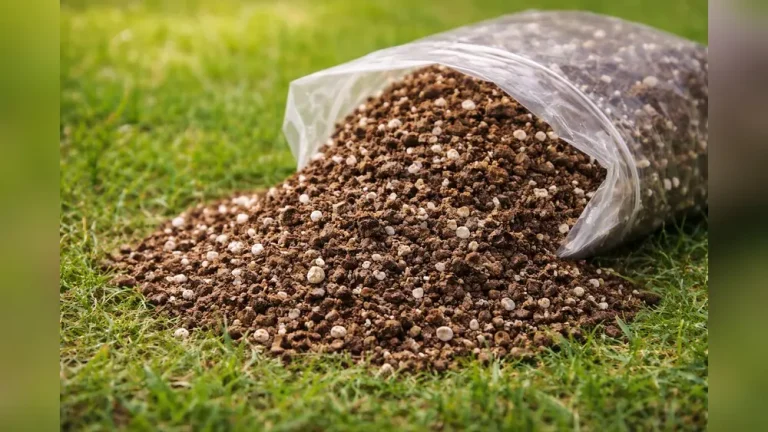
Apply lime or sulfur only when the test calls for it. Fixing pH before winter gives it more time to move into the root zone and prevents guessing at nutrients that may not be available at the wrong pH. -
Add organic matter next.
Spread compost, then cover the bed with mulch or a cover crop if it will sit idle. A modest compost layer is usually better than overloading the bed, and the goal is steady soil recovery rather than a sudden reset.
Suppose a 4-by-8 raised bed grew tomatoes all summer, then stayed light on growth and turned crusty by August. That points to low organic matter more than a quick nitrogen fix. A soil test first, then compost, then a fall cover crop will do more for spring planting than another round of surface feeding.
Choose the right fall soil fix
Do not treat every bed the same. A compacted clay bed needs a different fall response than a raised bed that ran thin, a bare bed exposed to wind, or soil that is still too wet to touch safely.
| Soil symptom | Bed type | Likely cause | Best fall action | What to avoid | Spring payoff |
|---|---|---|---|---|---|
| Hard, tight clay | Clay | Compaction, foot traffic, repeated digging | Loosen only the top layer with a fork or broadfork when soil is just moist, then add compost and sow winter rye or winter wheat | Deep tilling, breaking clods when wet | Better root penetration and less crusting |
| Thin raised-bed soil | Raised beds | Low organic matter and nutrient drawdown | Spread compost 1 to 2 inches, or up to 2 to 4 inches where the bed needs more organic matter, then mulch or cover crop | Fresh manure, bare soil, heavy digging | Firmer moisture balance and steadier fertility |
| Bare bed with erosion risk | Erosion-prone beds | Wind, rain, and no cover between crops | Use a cover crop or mulch immediately after cleanup | Leaving soil open through winter | Less runoff, less weed pressure, cleaner spring beds |
| Wet bed that stays sticky | Wet beds | Poor drainage, late-season rain, compaction | Do not till; keep the surface covered with mulch or a winter-kill cover crop where fit | Tilling wet soil or walking it repeatedly | Less structure damage and fewer clods in spring |
What should you add to your vegetable garden soil in the fall? Usually compost, sometimes a cover crop, and only the nutrient or pH correction your soil test supports. Fresh manure is not the default fix. Raw manure should be handled differently from properly aged manure, because fresh material can burn plants and may bring food-safety and contamination concerns.
How much compost should you add?
Most fall beds do well with a modest compost layer rather than a deep burial. A common range is 1 to 2 inches, and some sources recommend 2 to 4 inches for beds that need more organic matter. That depth is enough to matter without smothering the bed.
Compost depth for no-till beds
In no-till systems, leave compost on the surface and let winter water, freeze-thaw cycles, and soil life move it downward. That approach protects soil structure and keeps worms active near the surface.
When to mix compost into the top layer
If the bed is being reset or the surface is crusted, you can lightly work compost into just the top layer. Keep the disturbance shallow. Deep turning is more likely to damage structure than help it.
A common first-timer mistake is piling on too much organic matter at once after a poor harvest. More is not always better. If a bed is already loose and fertile, a 1 to 2 inch compost layer is often enough for winter cover and spring improvement.
Which fall cover crop fits your bed?
Yes, you can plant cover crops after harvesting vegetables, and in many beds that is the best move. Pick the species based on your goal: weed suppression, nitrogen fixation, winter-kill cleanup, or fast coverage before cold weather closes in.
Winter rye and winter wheat for cover and weed suppression
Winter rye is a cold-hardy cover crop with excellent biomass, which makes it a strong choice when you want dense coverage and weed suppression. Winter wheat is another solid option for winter cover where you want a grass cover without choosing rye.
Crimson clover, hairy vetch, and field peas for nitrogen
Use crimson clover or hairy vetch when the bed needs nitrogen support. Field peas can also fit when a legume makes sense. Crimson clover should be planted 6-8 weeks before frost so it has time to establish before cold weather slows growth.
Oats and annual ryegrass for fast cover
Choose oats or annual ryegrass when you want quick ground cover or a winter-kill option that is easier to clear in spring. These are useful where you want protection now and simpler cleanup later.
When to plant cover crops before frost
Some varieties often need about 6 to 8 weeks before frost to establish well. Garlic follows a similar fall window and is planted 4-6 weeks before ground freezes, which gives a useful timing reference for beds with short fall runway.
-
Match the goal.
Choose rye or wheat for weed suppression and biomass, crimson clover or hairy vetch for nitrogen, and oats or annual ryegrass when winter-kill or fast cover is the aim. The wrong species can leave you with messy spring cleanup or too little growth. -
Sow early enough.
Get the seed in 6-8 weeks before frost for crops that need establishment time. Late seeding can leave a thin stand that does little for erosion or weeds. -
Keep seed-to-soil contact.
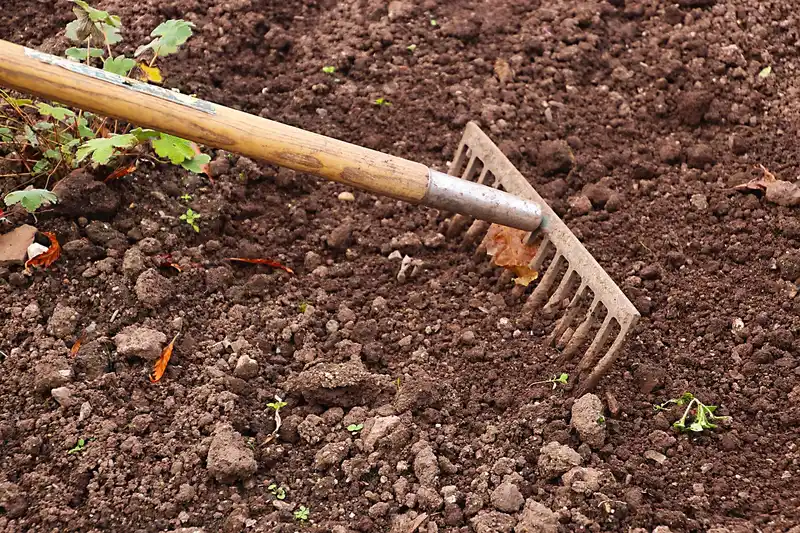
Rake lightly, press seed in, and water if the bed is dry. Good contact helps germination without deep disturbance.
Should you till or leave soil alone in autumn?
Leave soil alone when it is wet, fragile, or already loose enough for planting next spring. Shallow loosening can help compacted beds, but heavy digging and routine tilling can damage soil structure, increase erosion risk, and set back worm activity.
When shallow loosening makes sense
Use a garden fork or broadfork to loosen compacted clay only when the soil is just moist enough to break apart cleanly. This can open channels for air and water without pulverizing the bed. Follow with compost or a cover crop, not more digging.
When to avoid disturbing wet soil
Do not till if the soil smears, sticks, or forms greasy clods. Wet soil compacts easily, and the damage can last into spring. The Almanac warns that tilling can disrupt soil structure, which is one reason to wait.
How to protect structure without a full reset
Use compost, mulch, and cover crops to rebuild beds over time. That protects the food web and keeps the surface from sealing over. It also reduces the chance that spring work starts with a hard crust instead of a workable bed.
Fall mulch for open beds
Mulch is the right move when a bed will stay open but should not stay bare. It insulates the soil, conserves moisture, and suppresses weeds. Straw, shredded leaves, and wood chips all work, but they fit different bed conditions.
Straw versus shredded leaves versus wood chips
Straw is light and easy to spread, so it works well over vegetable beds and pathways. Shredded leaves break down faster and feed soil as they decompose. Wood chips last longer, which makes them useful on paths or around perennials, but they are slower to integrate into annual vegetable beds.
How deep mulch should go
A common insulating depth is about 4 to 6 inches in some situations. That depth helps shield soil from erosion, wind, and freeze-thaw swings. Use less if the bed is already heavy or slow to drain, and keep mulch off crowns or stems.
Where mulch helps most
Mulch is most valuable on bare erosion-prone beds, around overwintering vegetable beds, and where winter weeds are a recurring problem. It is also useful between rows of fall-planted crops that need a cleaner start in spring.
Picture a bare bed on a slope that washed a little after every rain. A 4 to 6 inch mulch layer or a cover crop would do far more than leaving the soil open, because both options protect the surface until spring planting.
Soil fix
Use the table above as the main decision aid, then keep the rule simple: match the symptom to the least disruptive fix that still solves the problem. If the bed is wet, don’t till it. If it is thin, build organic matter. If it will sit bare, cover it.
- Clay beds usually need structure protection first.
- Raised beds usually need organic matter and a soil test.
- Erosion-prone beds need immediate cover.
- Wet beds need patience more than disturbance.
Frequently asked questions
What should I add to my vegetable garden soil in the fall?
Start with compost, then add only the pH or nutrient correction your soil test supports. If the bed will be bare, add a cover crop or mulch too. Fresh manure is not a safe default because it can burn plants and may carry contamination risk; aged manure is safer only when it has been handled properly.
Should I till or leave my garden soil alone in autumn?
Leave it alone when it is wet or already loose enough for spring planting. If the bed is compacted, use only shallow loosening and then cover it with compost, mulch, or a cover crop. Heavy tilling can damage soil structure and increase erosion.
How much compost should I spread on garden beds in fall?
A common fall layer is 1 to 2 inches, and some sources recommend 2 to 4 inches where beds need more organic matter. Spread it over the surface in no-till beds or work it lightly into the top layer if you are resetting the bed.
Is fall a good time to test garden soil pH and nutrients?
Yes, especially if you have not tested in a few years or ever. Fall testing gives you time to correct pH before spring and avoid guessing about fertility. Lime and sulfur work best when they are based on a real test, not a rough guess.
Can I plant cover crops after harvesting vegetables?
Yes. After harvest is one of the best times to sow cover crops because they protect bare soil, reduce weeds, and add organic matter. Choose the species for your goal: rye for biomass, clover or vetch for nitrogen, and oats or annual ryegrass for quicker cover.
What should I do with diseased vegetable debris in the fall?
Remove it from the bed and do not compost it at home unless the disease and compost setup are known to break it down safely. Diseased plant debris can hold overwintering pests and pathogens, but the best handling can vary by disease and by whether the compost pile reaches and maintains conditions that destroy it.