How to Build Better Raised Bed Soil From Scratch
Build raised bed soil with roughly 60% topsoil, 30% compost, and 10% aeration material, then adjust for bed depth and crop needs; a common approach is to use more mineral soil for heavier feeders and more drainage material in shallower beds. Poor mixes shrink, drain badly, and leave roots starved or waterlogged. This guide shows how to choose ingredients, set proportions, and fill new vegetable beds without wasting money or volume.
Before you fill the bed


Match the mix to the bed type before you buy soil. A bed over native ground can use that soil below, while a bed on hardscape needs a deeper imported mix. Set the target fill depth now. Settling, drainage, and cost all shift with bed height.
What you’ll need
- Bulk compost or bagged compost, including municipal yard-waste compost if available
- Commercial topsoil or screened garden soil
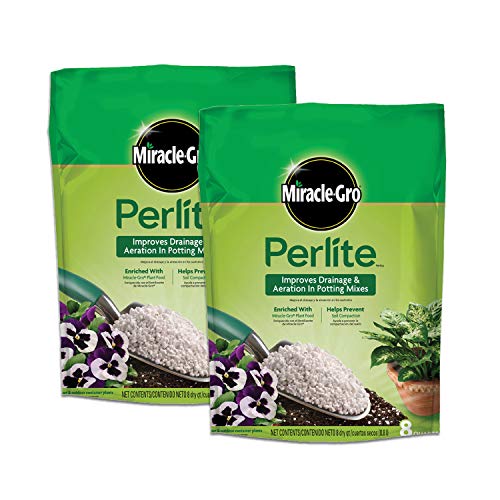
- Optional aeration material such as coarse perlite, pumice, or similar drainage amendment
- A tape measure, shovel, and wheelbarrow
- Optional: soil test kit or a lab submission bag for existing soil
How deep should raised bed soil be?
Depth should match roots, not just bed walls. Shallow beds work for lettuce, spinach, and herbs; standard beds suit most vegetables; deeper beds help tomatoes, carrots, parsnips, and other crops that want more root room. Raised beds are typically 2- to 4-ft. wide, and 2- to 12-in. high, so the fill strategy changes fast by size.
If the bed is only 2- to 4-ft. wide and 2- to 12-in. high, keep the mix loose near the surface and avoid heavy fill that seals over after watering. Deeper beds need more imported soil because roots occupy the full profile. Shallower beds can lean more on compost and aeration material to keep them from compacting.
Should you use topsoil in raised beds?
Yes. Topsoil can be used instead of garden soil in raised beds, and it is often the most practical base for larger fills. The key is quality: some suppliers sell screened, useful material, while others sell fill with too much clay, debris, or compacted fines. Blend topsoil with compost rather than treating it as finished planting soil.
Use commercial topsoil when you need bulk volume at a lower cost than bagged mix. Blend it with compost when you want better fertility and structure. Avoid any load that looks cloddy, smells sour, or contains too much stone, wood, trash, or weed seed. Some suppliers also sell topsoil pre-mixed with compost, which can save labor if the blend is consistent.
📊 Raised beds are typically 2- to 4-ft. wide. Source: UMD.
How to make raised bed soil
Build it by volume, not by guesswork. A practical starting point is 60% topsoil, 30% compost, and 10% aeration material, then adjust the ratio for the bed’s job. Use more compost where fertility matters most, and more mineral soil where the bed needs body, weight, and long-term structure.
For a bottomless bed over good native soil, you can reduce imported fill because the roots can reach down. For a bed on concrete, rock, or a patio, plan on a fully imported mix. Raised beds warm up quickly in spring, drain well, and reduce compaction because you never walk in the planting area, but the mix still has to suit the crop.
Build the mix step by step
- Measure inside length, width, and target fill depth.
- Choose the scenario that matches the bed: shallow, standard, or deep.
- Add topsoil first, then compost, then aeration material.
- Blend the pile until color and texture are even.
- Fill the bed, water it thoroughly, and top off after it settles.
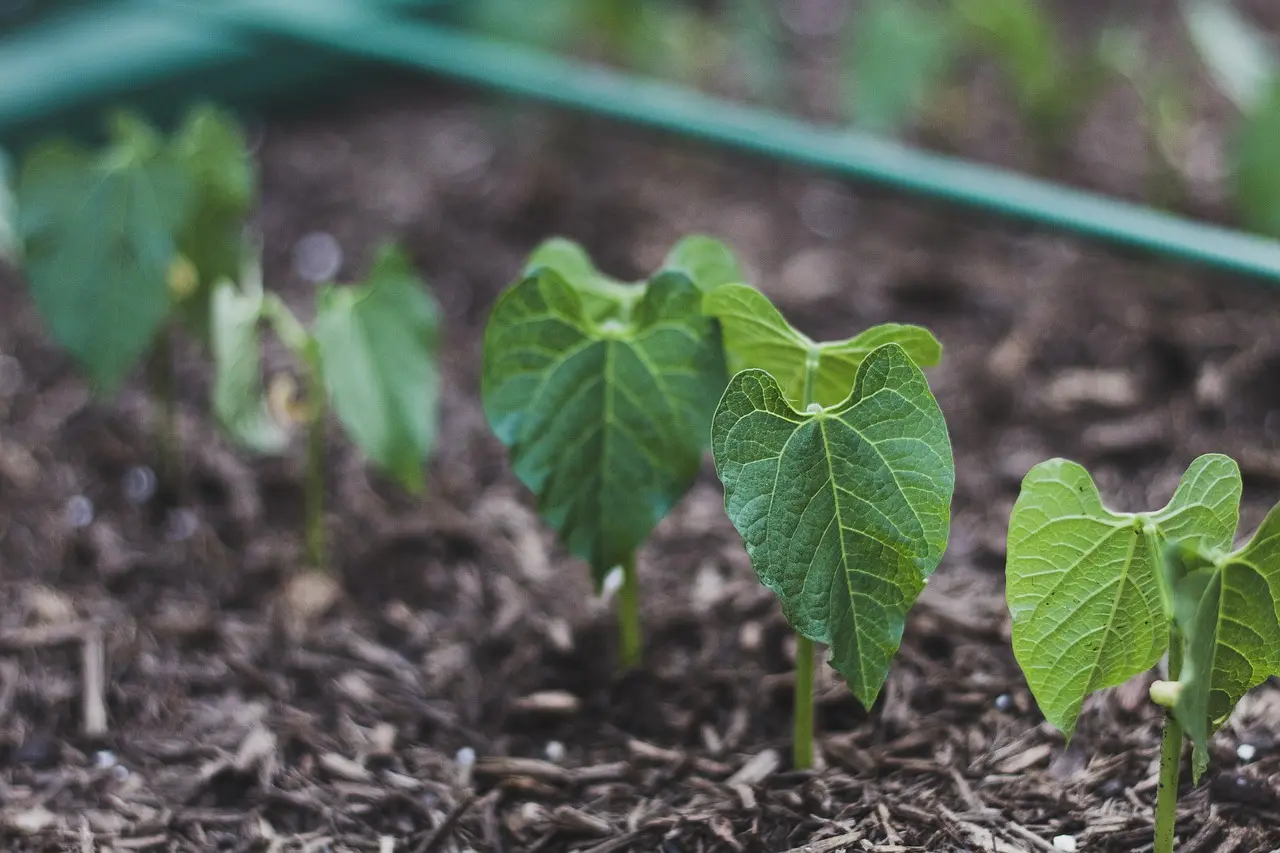
- Mulch the surface once planted to slow drying and crusting.
Raised bed soil calculator table
| Scenario | Recommended ratio by volume | Estimated 1.5 cu ft bags for a 4×8 bed | Settling allowance | Red flags for bad topsoil |
|---|---|---|---|---|
| Shallow bed | 50% topsoil, 35% compost, 15% aeration material | About 12 bags for a 6-in. fill | Add 1 in. extra and recheck after watering | Heavy clay clods, trash, strong sour smell, greasy texture |
| Standard vegetable bed | 60% topsoil, 30% compost, 10% aeration material | About 24 bags for a 12-in. fill | Add 2 in. extra and recheck after watering | Too many fines, visible weed seed, root pieces, or standing water after a soak |
| Deep bed | 70% topsoil, 25% compost, 5% aeration material | About 32 bags for an 18-in. fill | Add 3 in. extra and recheck after watering | Rocky fill, compacted load, patchy texture, or a pale, dead-looking mix |
The bag counts above assume a 4×8 bed and a 1.5 cu ft bag. Bulk delivery usually makes more sense for large beds. A bed that needs 18 in. of fill can get expensive fast if every cubic foot comes from retail bags, so use native soil underneath when the bed is bottomless and the existing soil is clean and well drained.
What if the bed drains too fast or stays soggy?
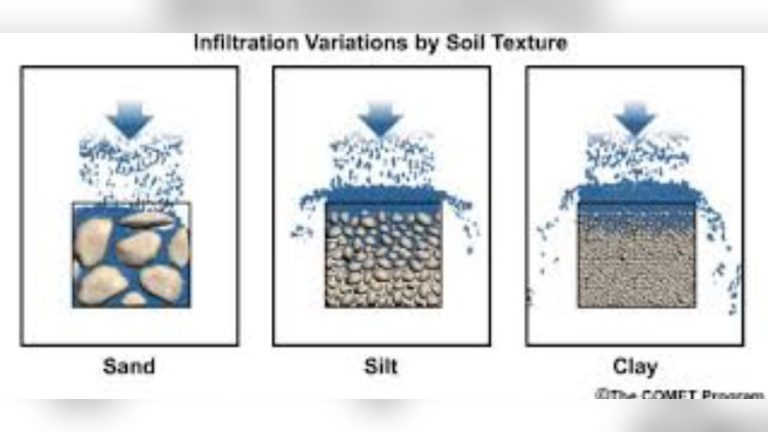
Drainage problems usually come from the fill, the site, or both. A level site helps the bed drain evenly, and loose fill prevents water from backing up in the root zone. If water disappears too quickly, the mix is too coarse. If puddles linger, the mix is too fine or too compacted.
If that didn’t work, try this next
- Check that the bed is level from end to end; shim or reset the base if needed.
- Water the bed slowly and watch where it pools or runs off.
- Mix in more compost for a bed that dries too fast.
- Mix in more topsoil and reduce fine compost if the bed stays soggy.
- Loosen the top 6 to 8 inches before replanting, then mulch.
Suppose a 4×8 bed on a patio drains in minutes and dries out every afternoon. The fix is more compost and a thicker mulch layer, not more water. Suppose the same bed stays slick after rain. In that case, the mix likely has too many fines, so add a more open topsoil blend instead of piling on compost alone.
How to make better raised bed soil from scratch
Use compost as a major fill ingredient, but not the only one. Compost improves fertility and structure, and it can come from municipal yard-waste compost or a purchased product. Topsoil supplies bulk and mineral content. Aeration material keeps the mix from packing down too tightly after watering and seasonal settling.
Start with the ratio that matches the bed, then make small adjustments. For leafy greens, a higher compost share is useful. For deep-rooted crops, keep the mix closer to the 60/30/10 pattern so the bed holds shape and does not collapse into a soft, overly rich mass.
- Screen out sticks, rocks, and visible trash before filling.
- Combine the ingredients on a tarp or in the bed in layers.
- Break up clumps until the texture is uniform.
- Water once, let it settle, then top off to the final level.
- Keep permanent paths around the bed so the planting area stays uncompressed.
How to improve soil in a raised bed
Improve it by correcting the specific problem: add compost for low fertility, add topsoil for weak body, and add aeration material for drainage. Raised beds reduce compaction because you never walk in the planting area, but they still lose volume over time. Expect settling after watering and compost breakdown.
Top up with 1 to 2 in. of fresh mix when the surface drops below the original fill line. If the bed was built with reused soil, test it before adding food crops. Existing garden soil should be tested before using it in a raised bed, and lead testing is recommended when growing food in raised beds. (UMD)
Common mistakes
Most failures come from using the wrong fill, skipping tests, or ignoring settling. A bed can look finished on day one and still lose several inches after the first few waterings. Material choice matters too, because the frame affects durability and contamination risk.
- Using compacted soil that drains poorly: choose screened topsoil and blend in compost and aeration material.
- Skipping the settling allowance: leave extra depth and recheck after watering.
- Overfilling with compost alone: keep compost as part of the mix, not the whole fill.
- Ignoring soil testing for reused fill: send a sample to a soil testing laboratory before planting food crops.
- Choosing risky bed materials: wood boards, stone, bricks, concrete blocks, and recycled plastic boards are common choices; avoid materials that may leach chemicals or lead.
For bed frames, wood boards are usually the simplest option, while stone, bricks, and concrete blocks last longer and cost more to build. Recycled plastic boards can be a durable alternative. Whatever the frame, keep it level, use permanent paths, and avoid walking in the bed itself.
Do you need to test soil before filling a raised bed?
Yes, if you plan to reuse existing soil or if the site has any contamination risk. Existing garden soil should be tested before using it in a raised bed, and a lab test is the best way to check nutrient status and pH before you commit to a mix. Lead testing matters whenever the bed will grow food.

When reused garden soil needs lab testing
Send a sample to a soil testing laboratory if the soil came from another part of the yard, from an unknown pile, or from a site near old paint, traffic, or treated material. The result helps you decide whether to reuse the soil, dilute it with compost and topsoil, or avoid it entirely.
Why lead testing matters for food beds
Lead testing is recommended when growing food in raised beds because roots, splashes, and dust can all move contaminants into the harvest area. If the result is elevated, do not use that soil directly for vegetables. Build the bed on clean imported fill instead.
What pH and nutrient results help you decide
Lab results show whether the soil is too acidic, too alkaline, low in phosphorus, or short on potassium and organic matter. That keeps you from guessing at amendments. Adjust the mix before planting, not after the crop starts stalling.
Frequently asked questions
What is the best mix for raised bed soil?
For most vegetable beds, 60% topsoil, 30% compost, and 10% aeration material is a solid starting point. Shallow beds can use more drainage material, and deep beds can use a bit more topsoil. The best mix is the one that matches the bed’s depth and drainage.