Which Layer of Soil Is Closest to the Surface? Quick Answer
Soil is the foundation of terrestrial life, supporting everything from towering forests to the food on our plates. Yet, few pause to consider the layers that make up this vital resource, or which layer lies closest to the surface. Whether you’re a gardener, a student, or simply curious, understanding the surface layer of soil is essential for grasping how plants grow, ecosystems function, and landscapes change.
This knowledge is not only critical for agriculture and environmental science but also influences construction, archaeology, and even climate research.
In this comprehensive guide, we’ll uncover which layer of soil is closest to the surface, why it matters, and what sets it apart from the layers below. We’ll explore the composition, role, and importance of the surface soil layer, drawing on scientific research, real-world examples, and data-driven comparisons.
By the end, you’ll have a robust understanding of the surface soil layer’s place in both natural and human-made systems, equipping you with insights that are practical, actionable, and rooted in expert knowledge.
Key Takeaways
- The O horizon (organic layer) is the soil layer closest to the surface, rich in organic matter.
- Surface soil layers are critical for plant growth, nutrient cycling, and ecosystem health.
- Human activities like agriculture and construction can dramatically alter the surface soil.
- Soil layers are classified by their composition, color, and biological activity.
- Understanding surface soil helps in land management, gardening, and environmental conservation.

Credit: foodcycler.com
The Surface Layer Of Soil: The O Horizon Explained
What Is The O Horizon?
The O horizon is the uppermost layer of soil, commonly referred to as the organic layer. This layer is primarily composed of decomposed organic material such as leaves, twigs, moss, and animal remains. It is typically dark in color due to the high concentration of organic matter, which plays a crucial role in soil fertility and structure.
The O horizon is sometimes called the “forest floor” in woodland environments, and its thickness and quality are shaped by the local ecosystem. In some soils, especially in areas with high productivity and low disturbance, the O horizon may be subdivided into several sublayers based on the degree of decomposition: fresh litter (Oi), partially decomposed (Oe), and highly decomposed (Oa). Each sublayer supports different microbial communities and decomposition rates, further enriching the complexity of this surface soil zone.
Composition And Structure
The O horizon varies in thickness, ranging from a thin veneer in heavily disturbed areas to several inches deep in forests and grasslands. Its main components include:
- Decaying plant material (leaves, needles, roots)
- Decomposed animal matter
- Microorganisms (bacteria, fungi)
- Humus (stable organic matter)
This composition creates a layer that is loose, crumbly, and high in nutrients, making it ideal for seed germination and root development.
Humus, the dark, amorphous substance formed by the breakdown of organic matter, is particularly significant. It acts like a sponge, holding moisture and nutrients, and provides a buffer against pH changes. The presence of humus also helps bind soil particles together, improving structure and reducing compaction.
In healthy soils, the O horizon is alive with microbial activity; millions of bacteria and fungi per gram of soil work continuously to process organic residues, releasing vital nutrients for plant uptake.
Role In Soil Ecosystems
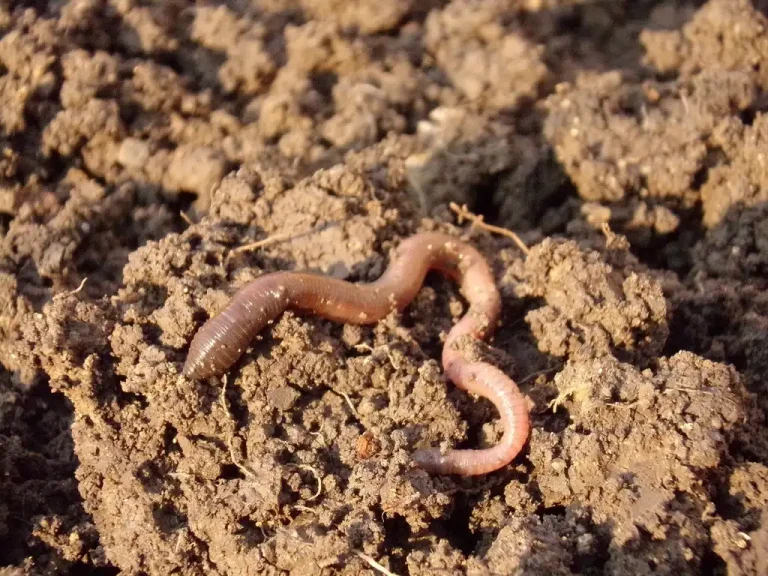
The O horizon serves as a habitat for a diverse community of organisms, including earthworms, insects, fungi, and bacteria. These organisms break down organic matter, releasing nutrients into the soil and supporting the nutrient cycle.
Key functions include:
- Nutrient recycling
- Soil moisture retention
- Protection from erosion
- Regulation of soil temperature
Earthworms, for instance, not only decompose organic matter but also aerate the soil by creating channels, facilitating water infiltration and root growth. Fungi, such as mycorrhizae, form symbiotic relationships with plant roots, enhancing nutrient uptake and providing resistance to pathogens.
The O horizon also acts as a buffer, insulating underlying soil from temperature extremes and reducing evaporation, which is especially important during periods of drought.
Visual Identification
You can often identify the O horizon by its dark, almost black, appearance and its loose, fibrous texture. In deciduous forests, for example, the O horizon is characterized by a thick mat of fallen leaves and organic debris.
In grasslands, the O horizon may appear as a dense layer of decomposed roots and stems intermingled with mineral soil. In bogs and wetlands, this layer can be spongy and waterlogged, composed mainly of peat. Visual differences are not only related to ecosystem type but also to the season and recent disturbances; after fires, for example, the O horizon may be temporarily diminished, with charcoal replacing organic litter.

Credit: southingtonlawn.com
Soil Horizons: Layers Beneath The Surface
Understanding the surface layer requires knowledge of the entire soil profile, which consists of distinct horizons that each play unique roles.
Overview Of Soil Horizons
Soil scientists typically describe the soil profile using the following main horizons:
- O Horizon (Organic Layer)
- A Horizon (Topsoil)
- E Horizon (Eluviation Layer)
- B Horizon (Subsoil)
- C Horizon (Parent Material)
- R Horizon (Bedrock)
Below is a comparison table summarizing these horizons:
| Horizon | Position | Key Features | Color | Biological Activity |
|---|---|---|---|---|
| O Horizon | Surface | Organic matter, decomposing debris | Dark brown/black | High |
| A Horizon | Beneath O | Mineral soil mixed with organic matter | Dark brown | High |
| E Horizon | Beneath A | Leached minerals, less organic matter | Pale/gray | Moderate |
| B Horizon | Beneath E/A | Accumulated minerals (clay, iron) | Reddish/brown | Low |
| C Horizon | Beneath B | Weathered parent rock | Varies | Very low |
| R Horizon | Bottom | Unweathered bedrock | Varies | None |
How Soil Horizons Form
Soil horizons develop over centuries through processes such as:
- Weathering of rock
- Organic matter accumulation
- Leaching of minerals
- Biological activity
The surface layer (O horizon) forms as organic material accumulates and decomposes, while lower layers develop as minerals and other elements move downward.
The formation of these horizons is influenced by climate, vegetation, topography, parent material, and time—the five soil-forming factors identified by soil scientists. In regions with abundant rainfall, leaching and eluviation are pronounced, resulting in a well-developed E horizon. Conversely, in arid zones, the O horizon may be almost absent, and mineral horizons dominate.
Biological activity, especially from roots and soil fauna, drives the mixing and differentiation of these layers over generations, contributing to the diversity and complexity of soils.
Differences Between Horizons
While the O horizon is rich in organic matter, deeper layers like the B horizon are dominated by minerals and have less biological activity. The color, texture, and structure of each layer provide clues about its composition and history.
For example, the A horizon is often looser and darker due to mixing with decomposed organic matter from above, making it fertile and suitable for agriculture. The E horizon, usually lighter in color, marks the zone of leaching—where water removes silicate clays, iron, or aluminum oxides, leaving behind a sandy, silty texture.
The B horizon accumulates these leached materials, often appearing reddish from iron oxides, and is less biologically active, serving more as a storage zone for nutrients and minerals. The C and R horizons reflect geological origins, offering insights into regional geology and soil genesis.
Why The O Horizon Is Critical
The O horizon is not present everywhere; in areas like deserts or heavily cultivated farmland, it may be missing or very thin. Where present, it acts as the primary interface between the atmosphere, living organisms, and the mineral soil below.
Its absence or reduction can signal environmental degradation or intensive human activity. In peatlands, for example, the O horizon can be several feet thick, storing vast amounts of carbon and supporting unique ecosystems. Conversely, in sandy deserts, the O horizon is often negligible, with minimal organic input and rapid decomposition rates.
Credit: alliancechemical.com
The Importance Of The Surface Soil Layer
Fertility And Plant Growth
The O horizon is packed with nutrients essential for plant growth. It supplies:
- Nitrogen
- Phosphorus
- Potassium
- Micronutrients
Roots often concentrate in this layer to access these resources, which are vital for crop yields and healthy landscapes.
Organic matter in the O horizon is not only a nutrient reservoir but also improves soil structure, increasing porosity and water-holding capacity. This is critical for seedlings and young plants, which depend on a stable, moist environment to establish roots.
Studies show that soils with a robust O horizon can support higher densities of vegetation and sustain greater biodiversity. Even in managed landscapes, like orchards or gardens, regular input of organic material (mulch, compost) mimics natural processes, replenishing the O horizon and promoting vigorous growth.
Soil Health And Ecosystem Services
Surface soil supports a host of ecosystem services, including:
- Decomposition of organic matter
- Carbon sequestration
- Water filtration
- Habitat provision
A healthy O horizon contributes to overall soil health, reducing erosion and promoting biodiversity.
The decomposition process, largely driven by microbes in the O horizon, transforms organic waste into plant-available nutrients. Carbon sequestration is another vital function; organic-rich soils trap atmospheric carbon dioxide, mitigating climate change. Water filtration benefits from the sponge-like properties of humus, which can absorb pollutants and regulate water flow into deeper soil layers.
As a habitat, the O horizon is foundational for soil food webs—its residents range from microscopic nematodes to larger detritivores, all playing roles in soil fertility and structure.
Human Uses And Impact
Agriculture, gardening, and forestry depend on the productivity of the surface soil. Practices like tilling, fertilization, and crop rotation all interact with the O horizon, influencing yields and long-term sustainability.
However, human activities can deplete or destroy the O horizon through:
- Overgrazing
- Deforestation
- Urban development
Protecting the surface layer is thus critical for sustainable land use.
Construction often involves stripping away the O horizon, leaving subsoils that lack fertility and structure. Overgrazing by livestock exposes soils to erosion, quickly diminishing organic matter and reducing productivity. Deforestation removes the source of organic litter, destabilizing nutrient cycles and increasing vulnerability to runoff.
Restoration and conservation measures—such as reforestation, organic amendments, and managed grazing—are vital for maintaining the integrity of the O horizon.
Case Study: Forest Vs. Agricultural Land
Consider the O horizon in a temperate forest versus a cultivated field:
- In the forest, the O horizon is thick, supporting a diverse community of plants and animals.
- In farmland, repeated plowing and harvesting often strip away the O horizon, requiring artificial fertilizers to maintain productivity.
This comparison underscores the importance of organic matter for soil health and sustainability.
In forests, the continuous input of leaf litter and minimal disturbance allow the O horizon to build up over time, acting as a reservoir for nutrients and water. In agricultural settings, intensive tillage and removal of crop residues disrupt this layer, leading to soil compaction, reduced biological activity, and lower resilience against drought and pests.
Transitioning to conservation practices, such as cover cropping and reduced tillage, can help restore surface soil layers and improve long-term productivity.
Real-world Examples Of Surface Soil Layers
Temperate Forests
In temperate forests, the O horizon can be several inches thick, composed of fallen leaves, twigs, and decomposed matter. This layer:
- Provides nutrients for trees and understory plants
- Supports a rich community of decomposers like fungi and insects
- Regulates soil moisture and temperature
For instance, in the forests of the northeastern United States, the O horizon is vital for supporting maple, oak, and beech trees.
These forests demonstrate seasonal cycles of litterfall and decomposition, with the O horizon acting as a dynamic interface between living vegetation and mineral soil. In autumn, leaf litter accumulates, and winter slows decomposition, resulting in a pronounced organic layer. Spring and summer see accelerated breakdown, releasing nutrients for new growth.
The health of this layer is directly linked to forest resilience and productivity, enabling recovery from disturbances like storms or fire.
Tropical Rainforests
In tropical rainforests, the O horizon is often thin due to rapid decomposition, but it is crucial for recycling nutrients in these highly productive ecosystems. Despite the thinness, the high turnover rate ensures a constant supply of nutrients.
Tropical soils are notoriously poor in minerals, with most nutrients cycling quickly through the O horizon. Fungi and bacteria work at high speed, breaking down organic matter within days or weeks. This rapid cycling supports the dense vegetation and biodiversity, but also makes these ecosystems sensitive to disturbance; removal of vegetation can lead to swift loss of the O horizon and subsequent soil degradation.
Urban Soils
Urban environments often lack a well-developed O horizon due to paving, construction, and landscaping. This can lead to issues with:
- Water runoff
- Reduced fertility
- Increased erosion
Efforts to restore urban soils often focus on rebuilding the organic surface layer through composting and mulching.
Innovative urban projects, such as rooftop gardens and green infrastructure, deliberately recreate the O horizon using manufactured soils and organic amendments. These efforts not only improve plant growth but also enhance stormwater management and reduce heat island effects.
Grasslands And Prairies
Grassland soils have a moderate O horizon, created by the annual dieback of grasses. This organic layer supports:
- Productive grazing lands
- High soil carbon storage
- Diverse microbial communities
The American Midwest’s fertile prairies owe much of their productivity to this robust surface soil layer.
Periodic fires in grasslands return nutrients to the soil and foster the regeneration of the O horizon, maintaining ecosystem balance. Studies show that grassland soils can sequester large amounts of carbon, making them important in climate mitigation strategies.
Case Example: Soil Restoration Project
A notable project in California involved restoring degraded agricultural land by re-establishing the O horizon using cover crops and compost. Within five years, soil fertility improved, crop yields increased, and erosion rates dropped by 40% (USDA NRCS).
The project illustrates how targeted management of the O horizon can reverse decades of soil degradation. Similar restoration efforts worldwide are focusing on rebuilding organic layers to enhance resilience, productivity, and sustainability.
Factors Influencing The Surface Soil Layer
Climate
Temperature and precipitation affect the thickness and composition of the O horizon. Warm, moist climates accelerate decomposition, while cold or dry regions see slower breakdown and thicker organic layers.
- Wet climates: Thin O horizon, rapid turnover
- Dry/cold climates: Thick O horizon, slow decomposition
In alpine regions, persistent cold slows microbial activity, allowing organic matter to accumulate, sometimes resulting in peat formation. Conversely, Mediterranean climates with hot, dry summers may have a thin O horizon, as decomposition outpaces organic input.
Vegetation
The type of vegetation determines the quantity and quality of organic matter input. Forests, grasslands, and wetlands each contribute differently to the surface soil layer.
Deciduous forests produce abundant leaf litter, while coniferous forests contribute needles that decompose more slowly. Grasslands add dense root mats, enriching the O horizon with below-ground biomass. Wetlands contribute peat and organic sediments, forming a specialized O horizon called a histic layer.
Land Use And Management
Human practices can build up or deplete the O horizon. Sustainable practices include:
- No-till farming
- Cover cropping
- Composting
- Agroforestry
Conversely, intensive agriculture and deforestation can strip away the surface layer, reducing long-term soil productivity.
Urban gardening and permaculture emphasize building the O horizon through composting, mulching, and planting diverse species. In contrast, monoculture and conventional tillage often deplete organic matter and disrupt soil structure.
Soil Type And Parent Material
The mineral composition of the underlying soil (parent material) influences how organic matter accumulates and interacts with minerals, affecting the development of the O horizon.
Clay-rich soils retain organic matter longer due to their fine texture, while sandy soils allow rapid drainage and decomposition. The type of bedrock and its weathering products also affect nutrient availability and the rate at which organic matter is incorporated into deeper horizons.
Comparison Table: Factors Affecting O Horizon
| Factor | Effect on O Horizon | Example |
|---|---|---|
| Climate | Determines thickness, decomposition rate | Tropical vs. boreal forest |
| Vegetation | Source and quality of organic matter | Grassland vs. forest |
| Land Use | Can build or deplete surface layer | Organic farming vs. clear-cutting |
| Soil Type | Influences accumulation and interaction | Clay-rich vs. sandy soils |
Erosion And Degradation
Surface soils are most vulnerable to erosion from wind, water, and human activity. Loss of the O horizon can lead to:
- Reduced fertility
- Increased runoff and flooding
- Desertification
Conservation practices are essential to maintain the integrity of the surface soil layer.
Erosion is often exacerbated by landscape changes, such as removal of vegetation or construction. The O horizon, being loose and organic-rich, is quickly lost to runoff unless protected by plant cover or mulch. Once eroded, recovery can take decades, as rebuilding organic matter depends on continuous input and minimal disturbance.
Surface Soil And Its Role In Human Society
Agriculture
The productivity of croplands depends heavily on the health of the surface soil. Farmers manage the O horizon through:
- Fertilization
- Mulching
- Crop rotation
Loss of organic matter leads to declining yields, increased fertilizer dependence, and soil degradation.
Modern agriculture increasingly recognizes the value of organic matter, with practices such as organic farming, permaculture, and regenerative agriculture focusing on building the O horizon. Techniques like integrating livestock, rotating crops, and using green manure help maintain surface soil health and reduce reliance on synthetic inputs.
Construction And Land Development
Before building, engineers assess the surface soil for stability, bearing capacity, and drainage. Removal or compaction of the O horizon can create long-term problems, such as:
- Foundation instability
- Flooding
- Loss of green spaces
Urban planners and developers are increasingly incorporating soil conservation into project designs, using green roofs, permeable pavements, and landscaping to preserve or rebuild the O horizon.
Environmental Restoration
Rebuilding degraded surface soil layers is a key goal in restoration ecology. Techniques include:
- Adding organic amendments
- Planting cover crops
- Restoring native vegetation
Such efforts help reverse the effects of erosion, pollution, and habitat loss.
Restoration projects often involve community engagement, education, and monitoring. Successful examples include wetland restoration, reforestation, and reclamation of brownfields, where rebuilding the O horizon is central to ecosystem recovery.
Archaeology And History
The O horizon can preserve evidence of past human activity, such as:
- Charcoal from ancient fires
- Buried artifacts
- Pollen and seeds
Archaeologists often analyze this layer to reconstruct past environments and land use.
For example, analysis of pollen and charcoal in the O horizon reveals ancient agricultural practices, fire regimes, and climate changes. Soil stratigraphy helps identify cultural layers and understand historical land use, providing insights into human-environment interactions over millennia.
Case Study: Soil Management In Sustainable Agriculture
A regenerative farm in Iowa employed cover crops and minimal tillage to rebuild the O horizon, resulting in a 20% increase in organic matter, higher yields, and improved resilience to drought (ScienceDirect).
This model is increasingly adopted worldwide as farmers seek to balance productivity with ecological sustainability, demonstrating the universal importance of surface soil management.
Scientific Research And Soil Classification
Soil Taxonomy And Classification Systems
Soil scientists use standardized systems like the USDA Soil Taxonomy and the World Reference Base for Soil Resources (WRB) to describe and classify soils based on their horizons, properties, and genesis.
Usda Soil Taxonomy
- Recognizes the O horizon as a key diagnostic layer.
- Differentiates soils based on the presence, thickness, and composition of horizons.
Wrb (fao)
- Uses similar criteria, with international standards for naming and describing horizons.
- Focuses on global soil diversity and comparison.
Learn more about soil taxonomy at the Wikipedia: Soil Taxonomy page.
Soil classification enables better land management, informs agricultural suitability, and supports environmental monitoring. For example, classification of organic soils (Histosols) guides peatland conservation and agricultural planning.
Laboratory Analysis Of Soil Layers
Soil samples are analyzed for:
- Organic carbon content
- Nutrient levels
- PH
- Texture
Such analyses inform land management, agriculture, and environmental policy.
Regular soil testing is recommended for farmers, gardeners, and land managers to track changes in the O horizon and adjust practices accordingly. Analytical techniques include loss-on-ignition for organic matter, spectrophotometry for nutrients, and soil respiration assays for biological activity.
Remote Sensing And Mapping
Modern technologies like remote sensing and GIS help map soil layers at regional and global scales, providing data for conservation and resource planning (USGS).
Satellite imagery and airborne sensors can detect soil moisture, vegetation cover, and surface organic matter, supporting precision agriculture and environmental monitoring.
Research Example: Global Soil Carbon Stocks
A 2026 study estimated that the top 30 cm of the world’s soils (including the O and A horizons) store approximately 680 billion tons of carbon, highlighting the critical role of surface soils in climate regulation (Nature).
This data underscores the need to protect and restore surface soil layers as part of global climate action.
How To Identify And Protect The Surface Soil Layer
Field Identification Tips
To recognize the O horizon in the field:
- Look for a dark, loose, organic-rich layer at the soil surface.
- Check for visible plant debris (leaves, twigs, roots).
- Feel for a soft, crumbly texture.
- Observe changes in color and composition as you dig deeper.
In urban or agricultural soils, the O horizon may be absent or highly disturbed.
Additional identification methods include soil core sampling, using soil augers or spades to examine horizon profiles. Soil monoliths are sometimes used in education and research to display intact soil profiles, highlighting the O horizon.
Best Practices For Conservation
Protecting the surface soil layer involves:
- Minimizing soil disturbance (no-till or reduced tillage)
- Maintaining plant cover (cover crops, mulching)
- Preventing overgrazing
- Avoiding compaction
These practices help retain organic matter, reduce erosion, and improve water infiltration.
Rotating crops, integrating livestock, and planting perennial species further support surface soil conservation. Community gardens, school gardens, and urban greening projects increasingly emphasize these practices to build healthy soil.
Soil Restoration Techniques
Where the O horizon is degraded, restoration can involve:
- Adding compost or organic amendments
- Replanting native vegetation
- Implementing erosion control measures
Such efforts are supported by organizations like the Soil Science Society of America.
Restoration is often paired with education and outreach, helping landowners and communities understand the value of the O horizon and adopt sustainable practices.
Case Example: Urban Soil Rehabilitation
In New York City’s Central Park, a major restoration project rebuilt the O horizon using leaf mulch and compost, improving soil health and supporting diverse plantings (Central Park Conservancy).
The project demonstrates how urban landscapes can recover ecological function and biodiversity by focusing on surface soil restoration.
Data Table: Soil Health Indicators
| Indicator | Healthy O Horizon | Degraded Surface Soil |
|---|---|---|
| Organic Matter (%) | 5-20 | <2 |
| Soil Color | Dark brown/black | Pale/gray |
| Soil Structure | Loose, crumbly | Compacted, cloddy |
| Biological Activity | High (worms, fungi) | Low |
Frequently Asked Questions
What Is The Layer Of Soil Closest To The Surface Called?
The soil layer closest to the surface is called the O horizon or organic layer. It consists mainly of decomposed plant and animal material and is crucial for soil fertility and ecosystem health.
How Does The O Horizon Differ From The A Horizon?
The O horizon is primarily organic matter, while the A horizon (topsoil) is a mix of minerals and organic material. The O horizon is typically darker and looser, whereas the A horizon is more mineral-rich and may be lighter in color. Learn more at the Wikipedia: Soil Horizon page.
Why Is The Surface Soil Layer Important For Agriculture?
The surface soil layer supplies most of the nutrients that crops need to grow, supports beneficial microorganisms, and helps retain water. Degradation of this layer leads to reduced yields and increased reliance on fertilizers.
Can The O Horizon Be Restored If Lost?
Yes, restoration is possible through practices like composting, cover cropping, and replanting native species. Restoration projects in agriculture and urban environments have successfully rebuilt the O horizon, improving soil health.
How Can I Protect The Surface Soil In My Garden?
You can protect your garden’s surface soil by:
- Adding mulch or compost
- Minimizing digging or tilling
- Planting cover crops
- Avoiding compaction from heavy foot traffic
These steps help build and maintain a healthy O horizon.
Soil is more than just dirt underfoot; it’s a living, dynamic system with its most vital layer—the O horizon—closest to the surface. By understanding and protecting this organic-rich layer, we support not just plant growth but the entire web of life above and below ground.
Whether you’re managing a farm, restoring an ecosystem, or nurturing a backyard garden, recognizing the value of surface soil is key to sustainable stewardship of the land.