How Deep Should Soil Be for Shrubs and Perennials?
For shrubs and perennials, a common rule of thumb is to dig the planting hole only as deep as the root ball, let roots use about 12 to 18 inches of loose topsoil when possible, and aim for about 6 to 12 inches of amended finished bed depth in average garden soil. Too-deep planting invites rot and weak growth; too-shallow soil dries fast and limits roots. This guide separates planting-hole depth, usable rooting depth, and finished bed depth, then shows how to judge each in real yards.
Expert notes and limits: Extension guides consistently emphasize that the planting hole should match the root ball depth, while the root flare on shrubs and the crown on perennials must remain at or slightly above finished grade; they also caution that drainage must be adequate before added depth helps. The depth ranges below are best treated as minimum usable depth for establishment, not a guarantee of long-term performance in clay, shallow topsoil, hardpan, or persistently wet sites. See University of Minnesota Extension, NC State Extension, and Iowa State University Extension guidance on planting depth, root flare placement, drainage tests, and plant-rooting behavior.
Proper planting depth and bed preparation

Most shrubs and perennials need soil that drains well, but the useful depth is not the same as the hole you dig. The root ball sets planting-hole depth. The rooting zone is the soil roots can actually occupy. Finished bed depth is the settled surface layer above the native soil. University extension guidance is consistent on this point: dig to the root-ball height, keep the root flare/crown at grade, and solve drainage problems before relying on added depth.
In normal garden soil, a shallow perennial bed may work at 6 inches if the soil is loose and drains well. Small to medium shrubs usually do better with about 12 to 18 inches of usable soil. Large shrubs often need about 18 inches or more, especially if the subsoil is tight or slow to drain. These are practical minimums for establishment; they are not ideal targets for every species, and they do not override species-specific root habits or a poorly drained site.
Planting hole depth vs. bed depth
Planting-hole depth is determined by the root ball, not by how much soil you wish you had. Set the plant at the same level it grew in the container or burlap root ball, or slightly above finished grade if settling is likely. The hole should be wider than it is deep so roots can move into loosened soil. This is standard extension advice because deeper holes can lead to settling, buried stems, and crown rot.
Finished bed depth matters because roots need a zone of loose, aerated soil around and below the plant. A deep hole in hard, wet clay can still fail if the surrounding soil stays tight. That is why drainage rate matters more than simply digging farther down. In practice, a shallow but well-structured bed often outperforms a deeper hole in a poorly drained one.
How root ball depth sets the hole
Root ball depth tells you how deep to dig, and that depth changes with container size. A #1 perennial pot may have a shallow root mass. A 5-gallon shrub has a deeper root ball. A balled-and-burlapped shrub can be shallower than its spread suggests. Extension sources recommend sizing the hole to the root ball, then confirming the root flare is visible after planting.
The planting hole should match the root ball height, not exceed it. The top of the root flare on shrubs, or the crown on perennials, should end up at finished grade or a little above it. Never bury that transition point under backfill or mulch. This limit matters most in clay and compacted ground, where settling can hide the flare after watering.
What finished grade should look like
Finished grade is the final soil surface after backfill and settling. It should be level enough for even watering, then sloped away from buildings so water does not collect near foundations. The grade should not mound over the stem base. It should not leave the root flare exposed by several inches either.
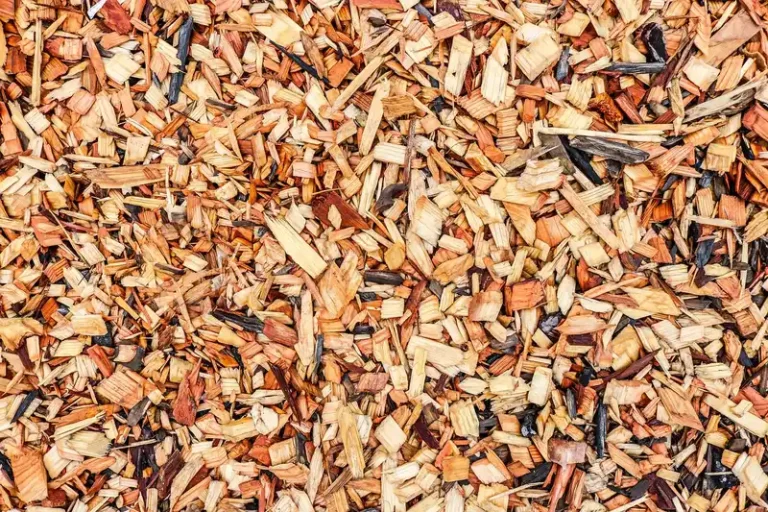
A light mulch layer can sit on top of finished grade, but it belongs above the soil line, not against the stem. Keep mulch a few inches away from stems and trunks so moisture does not stay trapped where decay starts. A common failure in residential beds is a “mulch volcano,” which can keep bark wet and hide the flare.
Why a wider hole often matters more than a deeper one
Roots usually spread outward first. A wider planting area of loosened soil gives them more room than an extra-deep hole does. That matters most in compacted ground, where roots hit resistance quickly and stay shallow unless the surrounding soil is opened up.
Loosen soil well beyond the root ball edge. In average soil, a planting hole that is two to three times as wide as the root ball is common guidance. The added width helps roots move into the rooting zone without forcing them into a narrow cylinder.
Usable rooting depth by plant size
Usable rooting depth is the soil volume roots can actually occupy. It matters more than visible hole depth because roots need oxygen, moisture, and open pore space. If the subsoil is compacted or poorly drained, the usable depth may be much less than the measured depth from the surface. University extensions generally frame this as a drainage-and-structure problem, not simply a depth problem.
Small perennials
Small perennials often need about 6 to 12 inches of loose, well-drained soil for steady establishment. Many herbaceous plants have shallower roots than shrubs and can cope with less depth if the soil drains well. They still need enough room for the crown, feeder roots, and seasonal moisture. The lower end of that range is a survivable minimum; the upper end is the better long-term target in most gardens.
Do perennials need deep soil or just loose soil? For many perennials, loose soil matters more than great depth. A loose, crumbly 8-inch bed can outperform a compact 14-inch bed because roots can actually move through it. Dense soil blocks oxygen and water movement, which slows growth.
Medium shrubs
Medium shrubs are commonly said to benefit from about 12 to 18 inches of usable soil depth. That range gives roots enough room to anchor and take up moisture without pushing them into a tight layer too soon. In average beds, that depth is often enough when drainage is decent and compaction is limited. In clay, treat 12 inches as a practical minimum for survival only when drainage is acceptable; 18 inches is the better long-term target.
How many inches of topsoil do shrubs need? For many medium shrubs, 12 inches is a practical minimum, and 18 inches is better in heavier soil or in sites that dry out quickly. The answer changes with texture, drainage, and how much of the existing soil can actually be loosened.
Large shrubs
Large shrubs need more soil volume because their root systems spread wider and deeper over time. A common rule of thumb is to aim for at least about 18 inches of usable rooting depth when possible, and more if the site has hardpan, dense clay, or a gravel layer close to the surface. A big shrub in thin soil struggles fast. In shallow topsoil, this range is often a minimum for establishment rather than a comfortable long-term depth.
Can shrubs grow in 6 inches of soil? Small shrubs may survive briefly in a shallow layer if roots can reach better soil below, but most shrubs will not do well long term in only 6 inches of usable soil. That depth dries quickly, limits anchoring, and leaves little buffer against heat and drought.
Topsoil depth and soil texture
Topsoil depth controls rooting volume, not just planting ease. More topsoil gives roots more room, but the quality of that soil matters too. Sand drains quickly, silt holds moisture moderately, and clay holds water longer but can stay tight and airless. The mix changes how deep and how amended a bed should be.
What topsoil depth does in the rooting zone
Topsoil is the layer that feeds most feeder roots. It should support root spread across the bed, not just fill the planting hole. In a finished garden bed, that means enough loose topsoil around the root ball for roots to branch outward into a stable rooting zone.
Organic matter such as compost can improve structure and moisture balance, but it should be mixed in appropriately. Overloading one hole with compost can create a pocket that drains differently from the surrounding soil. Roots then circle in the amended patch instead of moving outward.
How sand, silt, and clay change water movement
Soil texture changes drainage rate, and drainage rate changes how much depth is truly usable. Sandy soil drains fast and may need more organic matter and more frequent watering. Silty soil usually holds moisture better and can support many shrubs and perennials with moderate depth. Clay holds water longer and can turn restrictive when compacted.
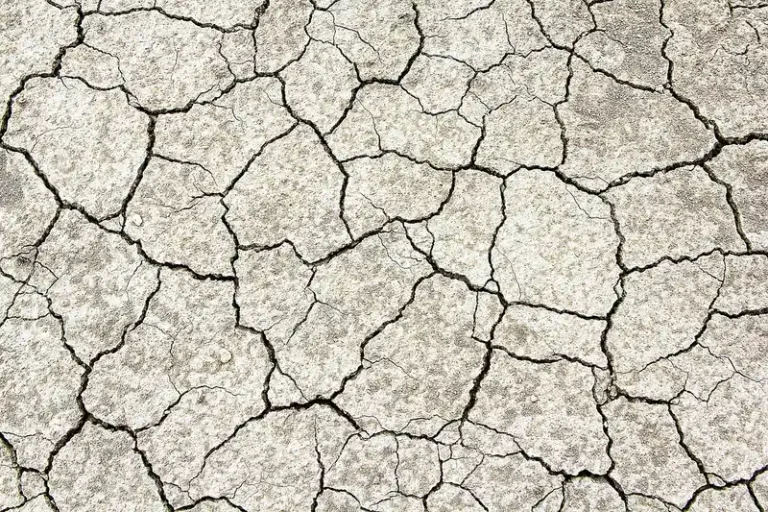
In clay, the issue is often not just depth but air space. If water sits in the rooting zone after rain, roots lose oxygen and can rot. A deeper hole alone will not fix that. Better structure, wider loosened soil, and improved drainage are more useful. University extension publications on planting in clay soils generally recommend improving the entire rooting area and checking drainage before planting, rather than simply digging deeper.
Why clay often needs a different planting plan
How deep should soil be over clay for landscaping? If the clay drains slowly, the answer is often “not much deeper, but much better structured.” A planting area may need to be raised, widened, or shifted to a different spot rather than pushed deeper into tight subsoil. Extra depth without drainage can make the problem worse.
Picture a bed with 8 inches of topsoil over heavy clay that stays wet for hours after rain. A medium shrub placed there may stay too wet at the roots even if the hole is dug deeper. Raising the bed and loosening the upper soil usually helps more than chasing another few inches down.
When should you raise the bed?
Raise the bed when the site does not provide enough usable rooting depth, especially over hardpan, gravel, or compacted subsoil. If water drains slowly, the plant will often suffer before the bed ever dries out. In those cases, a raised bed or a different plant choice is safer than digging deeper. This is also the point where depth ranges stop applying as normal garden guidance.
Shallow soil over hardpan or gravel
Shallow soil over hardpan or gravel limits both depth and moisture storage. Roots hit a barrier and stop, then dry out faster than they would in a deeper bed. If the shallow layer is only a few inches thick, many shrubs are poor choices unless the bed can be built up above grade.
A common first-timer mistake is filling a shallow bed with compost and assuming that fixes everything. If the sublayer is rock, hardpan, or rubble, roots still need a continuous soil volume. A raised planting bed for shallow or clay soils creates that volume more reliably than trying to excavate through a barrier.
Compacted subsoil and slow drainage
Compacted subsoil reduces both rooting depth and oxygen. You can test drainage by digging a hole, filling it with water, and seeing how long it takes to drain. University extension offices often advise checking whether a hole drains in a few hours versus remaining wet for much longer; if it stays full or soggy well past a typical drainage window, the site is not a good candidate for deep-rooted shrubs without major correction.
In that situation, loosen the upper soil, mix in organic matter through the planting area, and use a wider bed instead of a narrow, deep hole. If the drainage test is poor enough, choose a plant that tolerates wet feet or move to a raised site.
Signs the site needs a different plant
If the soil is thin, stays wet, and sits over an impenetrable layer, the better move may be a smaller shrub or a perennial adapted to those conditions. Plants that prefer sharply drained ground will struggle in a bed that never dries out. No amount of extra digging makes a soggy site dry.
Soil depth decision table
The table below turns plant size and site conditions into a practical choice. Use it to compare minimum usable soil depth, planting-hole depth, and the point where you should raise the bed or choose a different plant. The last column adds a drainage-rate interpretation so the depth numbers are not read in isolation.
Plain-text guide: if the site drains freely and has enough continuous soil, the minimum usable depth may be enough for establishment. If drainage is slow, sticky, or backed up by hardpan, the same depth may fail and a raised bed or different plant is the safer action. In other words, depth without drainage is not plantable depth.
| Planting situation | Minimum usable soil depth | Planting-hole depth | Raise the bed or choose a different plant when… | Drainage-rate interpretation or action threshold |
|---|---|---|---|---|
| Small perennials | 6 to 12 inches | Equal to root ball depth | Soil stays wet after rain or the top layer is thinner than 6 inches | Fast to moderate drainage is workable; if water lingers in the root zone, shift to a raised bed or a moisture-tolerant perennial |
| Medium shrubs | 12 to 18 inches | Equal to root ball depth | Subsoil is compacted, drainage is slow, or usable depth is under 12 inches | Moderate drainage is acceptable; if the hole stays soggy for hours after watering or rain, raise the bed or choose a smaller shrub |
| Large shrubs | 18 inches or more | Equal to root ball depth | Hardpan, gravel, or tight clay limits rooting depth below 18 inches | Only sites with good internal drainage and continuous depth are suitable; slow drainage usually means no-go without a raised bed |
| Clay soil | 12 to 18 inches if drainage is acceptable | Equal to root ball depth, not deeper | Water lingers in the hole or the soil stays sticky and airless after rain | If the drainage test is slow, treat the site as poorly drained even when the measured depth looks adequate; raise the planting area |
| Shallow existing beds | 6 to 8 inches for small perennials; more for shrubs | Equal to root ball depth | There is not enough continuous soil volume for roots to spread and anchor | Rapid drainage alone is not enough if the bed is too thin; build up depth or limit the planting to shallow-rooted species |
Use the table as a minimum guide, not a promise. A shrub that technically fits into 12 inches of soil still needs the soil to drain, loosen, and connect to the surrounding bed. If the site fails that test, depth alone will not save the planting.
How to set shrubs and perennials at the right level
Set the root ball at finished grade or slightly above it, then backfill with native soil mixed with a moderate amount of organic matter if the soil is poor. Water thoroughly after planting so the soil settles around the roots. Finish with mulch, but keep it off the stem base.
Where the root flare or crown should sit
The root flare on shrubs should stay visible at the soil surface. The crown on perennials should also remain at the level it was growing in the pot or division. Burying either one invites rot and weak growth. If the plant sinks during watering, lift it and reset it. This is one of the clearest places where extension advice is explicit and non-negotiable.
How much compost to mix
A small amount of compost can help improve structure and moisture balance, especially in sandy or tired garden soil. Keep the mix modest and spread it through the planting area, not just in the hole. The goal is to improve the rooting zone, not create a buried pocket of potting mix.
Where mulch belongs after planting
Mulch helps conserve moisture and reduce surface crusting. A 2- to 3-inch layer is common, but it should stop short of the stem or crown. Pull mulch back a few inches so the base of the plant stays dry and air can reach the root flare.
Simple planting order
- Check drainage by seeing how quickly water leaves the planting area.
- Measure the root ball depth and dig only that deep.
- Loosen soil wider than the hole so roots can spread.
- Set the plant at finished grade or slightly above it.
- Backfill with native soil and a modest amount of compost if needed.
- Water thoroughly, then add mulch away from the stem.
Suppose a 5-gallon hydrangea has a root ball about 10 inches deep and the bed already has 8 inches of loose topsoil over clay. That shrub can work if the drainage test is good and the bed is widened. If water stays in the hole, raising the bed is the better fix.
Frequently asked questions
How deep should soil be for shrubs and perennials?
For many perennials, 6 to 12 inches of loose, well-drained soil is enough. Medium shrubs usually need 12 to 18 inches, and large shrubs often need 18 inches or more. The key is usable rooting depth, not a deep planting hole alone.
How many inches of topsoil do shrubs need?
Most shrubs do well with at least 12 inches of usable topsoil, and larger shrubs often need 18 inches or more. That soil must drain and stay loose enough for roots to spread. Thin topsoil over tight subsoil is usually not enough for long-term growth.
How deep should I dig a bed for perennials?
Dig only as deep as the perennial’s root ball, then loosen the soil below and around it if possible. Many perennials need just 6 to 12 inches of usable soil, provided drainage is good. A wide, loose bed matters more than extra depth in the hole.
Can shrubs grow in 6 inches of soil?
Some small shrubs may survive for a while in 6 inches of soil if roots can reach better soil below, but most shrubs will struggle there. The shallow layer dries quickly and limits anchoring. If the subsoil is also tight or wet, a different plant is safer.
How deep should soil be over clay for landscaping?
If clay drains well, 12 to 18 inches of usable soil can support many shrubs and perennials. If it drains slowly, depth alone will not fix it. In that case, raise the bed, loosen the planting area widely, or choose plants that tolerate heavier soil.
How deep should a planting hole be for shrubs?
The hole should be as deep as the shrub’s root ball, no deeper. Set the root flare at finished grade or slightly above it. A hole that is too deep can cause settling, buried stems, and root rot, especially in heavy or wet soil.