Can Expanding Garden Soil Be Used in Vegetable Gardens?
Expanding garden soil is a popular choice for raised beds and container gardening, but many gardeners wonder if it is safe and effective for growing vegetables. This post explains what expanding garden soil is, how it differs from standard potting mixes, and whether you can use it directly in your vegetable garden without harming your plants.
Simply put, most expanding garden soils are not ideal for direct in-ground vegetable gardens because they are designed for raised beds and containers where drainage and aeration need to be higher. However, with proper amendments and precautions, you can use them successfully. Always check the label for nutrient content and avoid soils with added fertilizers high in nitrogen.
Key Takeaways
- Expanding garden soil is formulated for raised beds and containers, not for direct in-ground use.
- It typically contains peat moss, coconut coir, perlite, and compost for improved aeration and moisture retention.
- Using it directly in ground vegetable beds may cause poor drainage and nutrient imbalances.
- Expanding garden soil can be mixed with native soil or used as a top layer for vegetable gardens with proper testing.
- Always check the label for added fertilizers, as some formulations can burn vegetable roots.
What Is Expanding Garden Soil?
Expanding garden soil is a dry, compressed blend of organic materials that expands when water is added. It is commonly sold in bricks or bags and marketed as a convenient solution for raised beds and container gardening.
The typical composition includes peat moss, coconut coir, perlite, vermiculite, compost, and sometimes slow-release fertilizers. These ingredients work together to create a light, fluffy medium that retains moisture while allowing excess water to drain freely.
Unlike traditional topsoil or garden loam, expanding garden soil is engineered to be used in contained spaces where compaction and poor drainage are common issues. According to the University of Florida IFAS Extension, soilless mixes like these are popular because they are sterile and free from weed seeds and pathogens.
Common Ingredients in Expanding Garden Soil
- Peat moss or coconut coir — retain moisture and provide structure
- Perlite or vermiculite — improve aeration and drainage
- Composted bark or compost — add organic matter and nutrients
- Slow-release fertilizer — feeds plants over several weeks
- Wetting agents — help the dry mix rehydrate evenly
- Lime or sulfur — adjust pH levels for optimal plant growth
- Mycorrhizae — beneficial fungi that support root health
How Does Expanding Garden Soil Work?
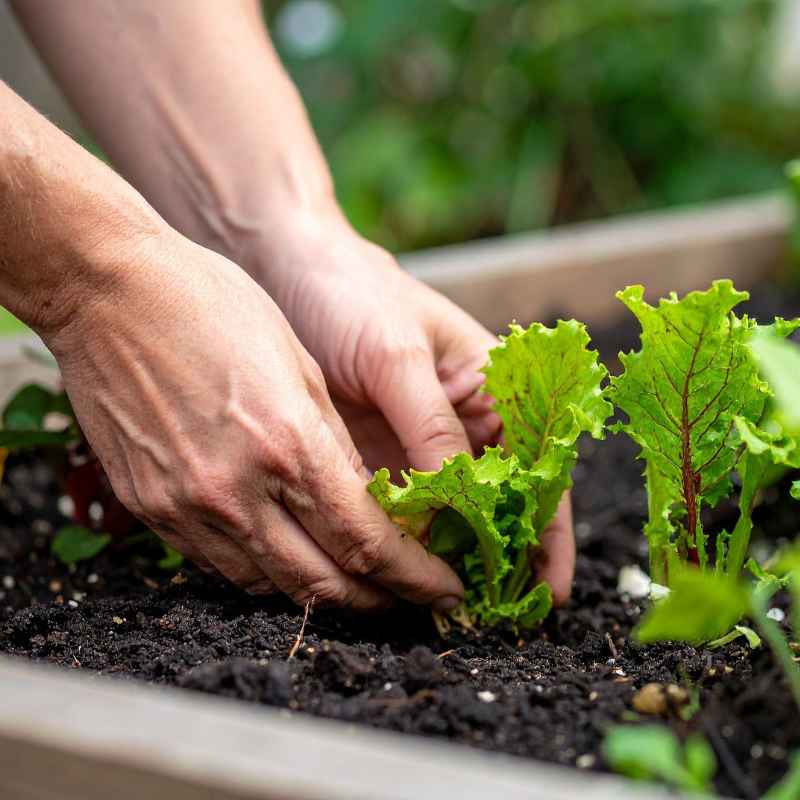
When you add water to the compressed brick or bag, the dried organic materials absorb moisture and expand to several times their original volume. This rehydration process restores the soil to a usable, fluffy consistency that is ready for planting.
The expansion happens because peat moss and coconut coir are highly absorbent. They can hold up to 10–20 times their dry weight in water. As they hydrate, they swell and separate, creating a light, airy medium that plant roots can easily penetrate.
According to the Royal Horticultural Society, soilless composts are engineered to provide consistent physical properties, making them ideal for seed starting and container gardening where root growth needs to be unimpeded.
Step-by-Step Rehydration Process
- Place the compressed brick or bag in a large container or wheelbarrow.
- Add warm water according to the package instructions (usually 4–6 cups per brick).
- Allow the soil to absorb water for 10–15 minutes.
- Break apart any remaining clumps with your hands or a trowel.
- Mix thoroughly until the soil is uniformly moist and fluffy.
- Let it sit for another 10 minutes before using to ensure even hydration.
Tip: Use warm water to speed up the rehydration process. Cold water takes longer and may leave dry pockets in the center of the brick.
Can Expanding Garden Soil Be Used for Vegetables?
The short answer is yes, but with significant caveats. Expanding garden soil can be used for vegetables when it is used in raised beds or large containers where its structure and drainage are beneficial. However, using it directly in an in-ground vegetable garden often leads to problems.
In-ground vegetable gardens typically require heavy, nutrient-rich loam that holds moisture and supports deep root systems. Expanding garden soil is too light and drains too quickly for most in-ground applications. This can cause vegetables to dry out faster and need frequent watering.
According to the USDA Agricultural Research Service, vegetable crops like tomatoes, peppers, and squash develop best in soils with a balanced ratio of sand, silt, and clay, which provides both drainage and nutrient retention. Expanding garden soil lacks the mineral component needed for long-term in-ground success.
When It Works Well for Vegetables
- In raised beds that are at least 12 inches deep
- In large containers and grow bags
- As a seed-starting mix for vegetable seedlings
- Mixed with native soil in a 50:50 ratio for in-ground beds
- As a top dressing for existing vegetable beds to improve organic matter
- For growing leafy greens and herbs that prefer light, well-draining soil
When to Avoid It for Vegetables
- For direct in-ground planting without amendment
- For deep-rooted vegetables like carrots and parsnips that need heavy soil
- In areas with high rainfall where drainage is already an issue
- If the soil contains synthetic slow-release fertilizers that may burn young plants
- For long-season crops like corn or potatoes that need consistent nutrient supply
Key Differences Between Expanding Garden Soil and Standard Potting Mix
Many gardeners confuse expanding garden soil with potting mix, but they are not the same product. While both are soilless media, their formulations differ based on intended use. Understanding these differences is crucial for choosing the right product for your vegetables.
Expanding garden soil is designed to be mixed with native soil or used in large raised beds. It often contains compost and larger aggregates for structure. Potting mix is lighter and finer, formulated for containers where root space is limited and drainage needs to be fast.
| Feature | Expanding Garden Soil | Standard Potting Mix |
|---|---|---|
| Primary use | Raised beds, large containers | Pots, seed trays, indoor plants |
| Texture | Coarse, chunky, with bark and compost | Fine, light, uniform |
| Drainage | Moderate to fast | Fast |
| Nutrient content | Moderate, often with compost | Low to moderate, fertilizer often added |
| Typical pH | 6.0–7.0 | 5.5–6.5 |
| Best for vegetables | Raised beds only | Containers and seed starting |
Both products can support vegetable growth, but you must match the product to the growing environment. Using expanding garden soil in a small pot may lead to waterlogging, while using potting mix in a raised bed may cause plants to dry out too quickly.
When to Use Expanding Garden Soil in Vegetable Gardens
Expanding garden soil shines in specific vegetable growing scenarios. It is not a universal solution, but it can be a smart choice when used correctly. Here are the situations where it performs best for vegetables.
Raised beds are the most common application. Because raised beds drain faster than in-ground gardens, the lightweight, porous structure of expanding garden soil helps retain moisture while preventing compaction. Vegetables like tomatoes, peppers, and cucumbers thrive in this environment.
Best Scenarios for Expanding Garden Soil
- Building new raised beds from scratch — fill the entire bed for a consistent growing medium
- Refreshing tired raised beds — mix with existing soil to restore organic matter
- Container vegetable gardening — use in large pots and grow bags for leafy greens and herbs
- Seed starting — use as a sterile medium for germinating vegetable seeds indoors
- Top dressing — spread a 2–3 inch layer over existing garden beds to improve moisture retention and add nutrients
- Amending poor native soil — mix 50:50 with sandy or clay soil to improve texture and fertility
Important: Always mix expanding garden soil with native soil or compost when using it in ground. Using it alone in an in-ground bed can create a “pot effect” where water pools at the interface between the light soil and the heavier native soil beneath.
How to Use Expanding Garden Soil Safely in Vegetable Gardens
If you decide to use expanding garden soil for your vegetables, follow these steps to ensure safety and success. Proper preparation prevents problems like nutrient burn, poor drainage, and pH imbalance.
Step-by-Step Instructions
- Test your native soil — Use a home soil test kit to check pH and nutrient levels. Vegetable gardens prefer a pH of 6.0–7.0.
- Choose the right product — Look for expanding garden soil labeled for vegetables or raised beds. Avoid products with synthetic fertilizers if you prefer organic growing.
- Hydrate the soil — Follow package directions to rehydrate the brick or bag fully. Let it sit until evenly moist.
- Mix with native soil — For in-ground beds, mix one part expanding garden soil with one part native soil. For raised beds, you can use it undiluted.
- Add compost — Mix in well-aged compost at a 2:1 ratio (two parts soil mix to one part compost) to boost nutrients and microbial life.
- Plant and water — Plant vegetables at the recommended depth and water thoroughly. Monitor moisture levels closely for the first two weeks.
- Fertilize as needed — Because expanding soil has limited nutrients, plan to fertilize with a balanced vegetable fertilizer every 4–6 weeks during the growing season.
Warning: Do not use expanding garden soil that contains synthetic slow-release fertilizers for seedlings or transplants. The high initial nutrient concentration can burn tender roots. Look for products with only organic amendments or no added fertilizers.
Common Mistakes to Avoid with Expanding Garden Soil
Gardeners often make predictable errors when using expanding garden soil for vegetables. Avoiding these mistakes will save you time, money, and disappointment at harvest time.
One of the most common mistakes is using expanding garden soil straight out of the bag without proper hydration. Dry pockets of peat or coir can pull moisture away from plant roots, causing wilting even when the surrounding soil feels damp.
Top 5 Mistakes and How to Avoid Them
- Not hydrating fully — Always break apart clumps and mix thoroughly. Dry spots can cause root damage and uneven plant growth.
- Using it in ground without mixing — Pure expanding soil in an in-ground bed creates drainage issues. Always blend with native soil.
- Overwatering — Because expanding soil holds moisture well, it is easy to overwater. Check soil moisture with your finger before adding more water.
- Skipping fertilizer — Expanding soil has limited nutrients. Vegetables are heavy feeders and need regular fertilization throughout the season.
- Choosing the wrong product — Some expanding soils are formulated for flowers or shrubs and may have a pH or nutrient profile unsuitable for vegetables.
| Mistake | Effect on Vegetables | Solution |
|---|---|---|
| Poor hydration | Uneven growth, root stress | Hydrate fully and mix well |
| No mixing with native soil | Poor drainage, water pooling | Mix 50:50 with native soil |
| Overwatering | Root rot, fungal diseases | Water only when top inch is dry |
| No fertilization | Stunted growth, low yields | Apply balanced fertilizer monthly |
| Wrong product choice | pH imbalance, nutrient burn | Read labels and choose vegetable-specific mixes |
By avoiding these mistakes, you can use expanding garden soil effectively and give your vegetables a strong start. Remember that no single soil product works perfectly for every situation, so adjust your approach based on your garden’s unique conditions.
Best Practices for Vegetable Garden Soil Preparation
Whether you use expanding garden soil or another medium, proper soil preparation is the foundation of a productive vegetable garden. Here are the best practices to ensure your soil supports healthy plant growth throughout the season.
Start with a soil test. The USDA Natural Resources Conservation Service recommends testing soil every 2–3 years to monitor pH, organic matter, and nutrient levels. Most state extension services offer affordable testing that includes detailed recommendations.
Essential Soil Preparation Steps
- Test your soil — Know your pH and nutrient levels before planting. Vegetable gardens need pH between 6.0 and 7.0 for optimal nutrient uptake.
- Improve drainage — If your soil is heavy clay, add compost, aged bark, or coarse sand. If it is sandy, add organic matter to improve water retention.
- Add organic matter — Mix in 2–3 inches of well-aged compost or manure each season to feed soil microbes and improve structure.
- Use mulch — Apply a 2–3 inch layer of straw, wood chips, or shredded leaves to conserve moisture, suppress weeds, and regulate soil temperature.
- Rotate crops — Avoid planting the same vegetable family in the same spot year after year to prevent soilborne diseases and nutrient depletion.
- Consider raised beds — If your native soil is poor, raised beds filled with a quality soil mix can be a faster path to a productive vegetable garden.
Tip: Add worm castings or mycorrhizal inoculant to your soil mix to boost beneficial microbial activity. These additions help vegetables access nutrients more efficiently and improve root development.
Frequently Asked Questions
Can I use expanding garden soil directly in the ground?
It is not recommended to use expanding garden soil directly in the ground without mixing it with native soil. The lightweight texture can create drainage problems, and the soil may dry out too quickly. Mix it at a 50:50 ratio with your existing garden soil for best results.
Does expanding garden soil contain fertilizer?
Many expanding garden soils contain slow-release fertilizers that feed plants for 6–8 weeks.
However, the nutrient content varies widely by brand. Always read the label to know what is included and whether it matches the needs of the vegetables you plan to grow.
How often should I water vegetables planted in expanding garden soil?
Because expanding garden soil retains moisture well, you typically need to water less frequently than with sandy soils. Check the top inch of soil daily during warm weather.
Water only when it feels dry to the touch, which may be every 2–3 days for raised beds.
Can I reuse expanding garden soil for next season?
Yes, you can reuse expanding garden soil for one or two seasons, but it will need to be refreshed. Mix in fresh compost and a balanced fertilizer to replenish nutrients. Remove any old plant roots and screen out debris before replanting.
Is expanding garden soil organic?
Not all expanding garden soils are organic.
Many contain synthetic fertilizers or wetting agents. If organic certification matters to you, look for products labeled “OMRI Listed” or “USDA Organic.” These will meet organic standards and are safe for organic vegetable gardening.
Final Thoughts
Expanding garden soil can be a convenient and effective option for vegetable gardens when used in the right context. It works best in raised beds, containers, and as a soil amendment rather than a direct substitute for in-ground garden soil.
Always test your soil, mix appropriately, and supplement with compost and fertilizer for the best harvest. By matching the product to your growing method, you can enjoy healthy, productive vegetables all season long.