Will Hardware Cloth Contaminate Soil in Vegetable Gardens?
Will hardware cloth contaminate soil in your vegetable garden is a valid concern for any eco-conscious grower. The materials used in galvanized steel and welded wire mesh can theoretically leach into the earth over time. Here is what you need to know about the safety of using hardware cloth in raised beds, backed by research and practical gardening experience.
Simply put, standard galvanized hardware cloth can leach trace amounts of zinc and other metals into the soil, especially in acidic conditions. However, the risk of significant contamination is very low for most home vegetable gardeners. Choosing PVC-coated or stainless steel hardware cloth effectively eliminates this risk entirely.
Key Takeaways
- Will hardware cloth contaminate soil? Yes, but usually in negligible amounts that do not affect plant health or human safety.
- The primary concern is zinc and other heavy metals leaching from the galvanized coating over many years.
- Soil pH plays a major role in how quickly metals leach; acidic soils increase corrosion rates.
- PVC-coated or stainless steel hardware cloth offers a completely inert barrier against soil contamination.
- Proper installation techniques can minimize the surface area exposed to moisture and reduce leaching.
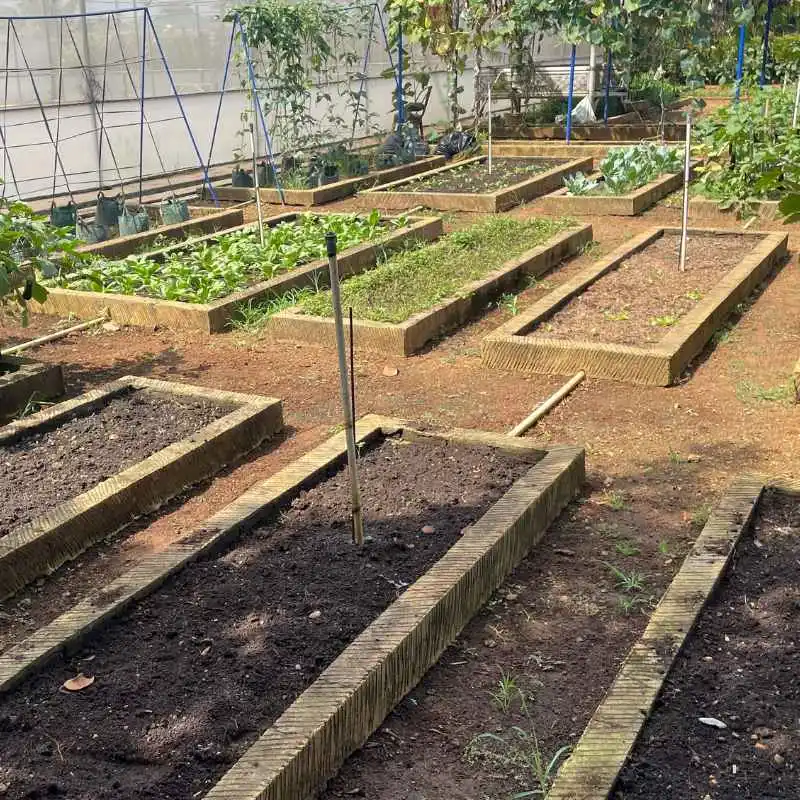
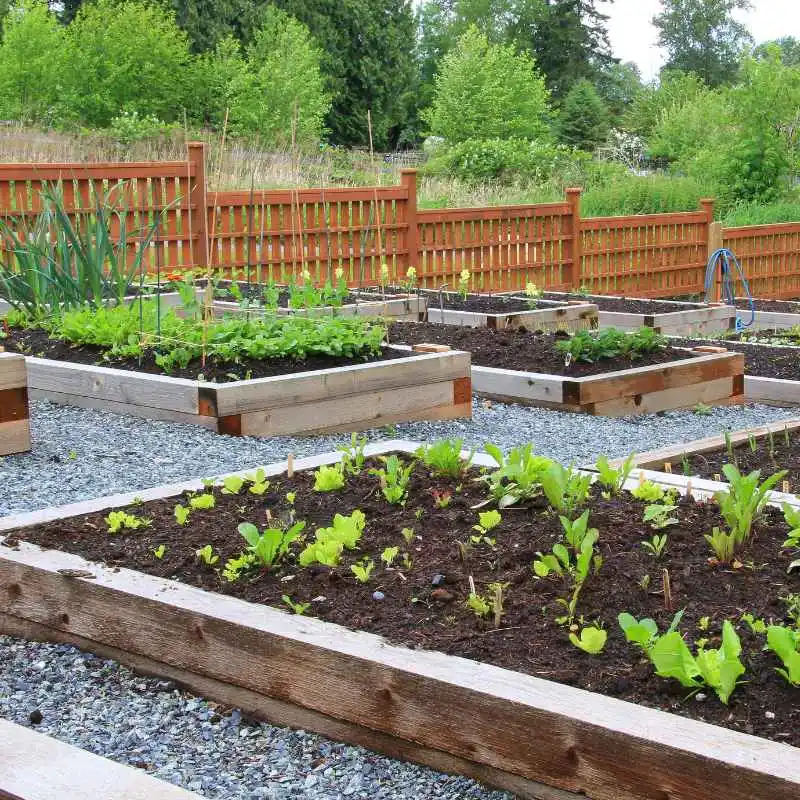
raised bed filled with dark soil and green vegetable seedlings |alt: Gardener inspecting galvanized hardware cloth next to a raised bed |title: Inspecting Hardware Cloth for Raised Beds–>
What Is Hardware Cloth and What Is It Made Of?
Hardware cloth is a welded wire mesh widely used in construction and gardening. Manufacturers produce it by welding low-carbon steel wires at every intersection to form a strong grid. They then apply a protective galvanized coating through a hot-dip or electro-galvanizing process to prevent rust.
This galvanized coating is the central factor in the will hardware cloth contaminate soil debate. The coating consists primarily of zinc, which acts as a sacrificial anode to protect the underlying steel. Understanding how this zinc layer behaves in the ground is essential for assessing garden safety.
Common Materials Used in Hardware Cloth
- Galvanized Steel: Standard option, coated with zinc. Most likely to raise questions about leaching.
- Stainless Steel: Highly corrosion-resistant, contains chromium and nickel. Very low risk of contamination.
- PVC-Coated Galvanized Steel: Galvanized wire wrapped in a durable plastic layer. Offers excellent protection against leaching.
Galvanized steel is the most common and affordable option, which is why it dominates the market. However, its vulnerability to acidic soil makes it the primary subject of contamination concerns.
| Material | Corrosion Resistance | Leaching Risk | Cost |
|---|---|---|---|
| Galvanized Steel | Moderate | Low to Moderate | Low |
| Stainless Steel | Very High | Minimal | High |
| PVC-Coated | High (when intact) | Very Low | Moderate |
How Does Galvanized Hardware Cloth Affect Soil?
The galvanization process applies a layer of zinc to the steel wire. Over time, especially in moist and acidic conditions, this zinc layer slowly corrodes. When this happens, small amounts of zinc ions can be released into the surrounding soil.
This release is a natural part of the sacrificial protection mechanism of the coating.
The question is not whether leaching occurs but whether the amount is significant enough to cause harm. Research from Washington State University suggests that the amount of zinc released from galvanized materials in a typical raised bed is unlikely to reach toxic levels for vegetables over the lifespan of the bed (5-10 years). They emphasize that the risk of contamination is very low compared to the benefits of pest exclusion.
Factors That Influence Leaching Rates
- Soil pH: Lower pH (acidic soil) dramatically increases corrosion and leaching rates.
- Soil Moisture: Constantly wet soil accelerates the breakdown of the zinc coating.
- Contact Area: The more wire surface area in contact with the soil, the greater the potential for leaching.
- Age of the Mesh: New mesh may leach slightly more initially as the coating stabilizes.
- Organic Matter: High organic matter can bind to zinc, reducing its immediate availability to plants.
Important: Most standard galvanized hardware cloth is made from low-carbon steel, not rebar or structural steel. It contains very low levels of lead, cadmium, or mercury, making the primary contaminant of concern simply zinc.
Zinc in Soil: Friend or Foe in the Garden?
Zinc is an essential micronutrient for plants and humans. It plays a critical role in enzyme function and growth regulation. According to the University of Minnesota Extension, healthy garden soil typically contains 5 to 100 parts per million (ppm) of zinc.
A small amount of leaching from hardware cloth might actually benefit soils that are deficient in this nutrient.
However, too much zinc can be toxic to plants. Symptoms of zinc toxicity include stunted growth, chlorosis (yellowing) of younger leaves, and reduced root development. The Environmental Protection Agency (EPA) has set limits for zinc in biosolids, indicating that while it is necessary, excessive amounts can be harmful.
The key is that the contribution from standard hardware cloth is usually at the very low end of the natural soil zinc range.
Tip: If your soil pH is naturally below 6.0, you are at a slightly higher risk of zinc leaching. Adding garden lime to raise the pH to 6.5–7.0 can significantly reduce the corrosion rate of your galvanized mesh.
Gardeners often ask will hardware cloth contaminate soil with heavy metals besides zinc. The answer is that modern galvanized coatings are very pure. They are designed to meet strict safety standards for food contact and agricultural use.
Any leaching that does occur typically stays within safe agronomic limits.
Does PVC-Coated Hardware Cloth Prevent Soil Contamination?
PVC-coated hardware cloth is galvanized wire that has been dipped in a thick layer of polyvinyl chloride (PVC). This plastic coating creates a physical barrier between the metal and the soil. As long as the coating remains intact, it effectively stops any direct contact between the galvanized wire and the soil environment, completely addressing concerns about will hardware cloth contaminate soil.
The PVC itself is inert and does not break down easily in buried applications. However, you must check that the coating is UV-stabilized if used above ground, and you should inspect for nicks or cuts where moisture can seep in. Even with small imperfections, the underlying galvanized layer still provides excellent corrosion protection.
Pros and Cons of PVC-Coated Hardware Cloth
| Aspect | Pros | Cons |
|---|---|---|
| Leaching Prevention | Excellent barrier against metal ions | Protection is lost if the coating is damaged |
| Corrosion Resistance | Highly resistant to rust and rot | Can become brittle under extreme UV exposure |
| Cost | Mid-range price, good value | More expensive than standard galvanized |
What Are the Symptoms of Heavy Metal Toxicity in Plants?
Even if leaching occurs, plants act as a buffer by regulating their internal chemistry. They only show symptoms once specific thresholds are surpassed. Recognizing the signs of metal toxicity can help you determine if your hardware cloth is causing a problem in your garden.
- Stunted Growth: Plants fail to reach their expected size compared to healthy specimens in the same bed.
- Chlorosis: Younger leaves turn yellow or pale green due to inhibited iron uptake and photosynthesis.
- Reduced Root Development: Roots become short, stubby, and darker in color instead of long and white.
- Necrosis: Dead spots or scorched edges appear on leaves, particularly at the tips of older growth.
- Wilting: Plants may wilt even when soil moisture is adequate due to damaged or stunted root systems.
These symptoms are very similar to other common garden problems like overwatering or nutrient lockout. If you observe these issues excessively, a simple soil test for heavy metals can provide a definitive answer regarding will hardware cloth contaminate soil in your specific garden.
How to Safely Use Hardware Cloth in Raised Beds
If you want the pest protection of hardware cloth without the worry, follow these best practices. These steps minimize any potential for leaching and maximize the lifespan of the material, creating a safe and durable barrier for your vegetables.
- Choose the Right Mesh: Opt for PVC-coated or stainless steel hardware cloth for zero-risk gardening. If budget is a constraint, standard galvanized is still very safe for most home gardens.
- Create a Soil Barrier: Instead of placing the mesh directly at the bottom of the raised bed, lay it flush with the bottom frame. Allow a soil buffer of at least 6 to 12 inches above the mesh.
- Stabilize pH: Keep your soil pH in the neutral range (6.5–7.0). This dramatically reduces the chemical reactivity of the zinc coating and prevents leaching.
- Use a Geotextile Fabric: Install a layer of landscape fabric between the soil and the hardware cloth. This prevents direct soil contact while still allowing water drainage.
- Elevate the Bed: If using the mesh on the bottom of a bed that sits on the ground, the risk is lower. If the bed is elevated, the mesh is exposed to air, which causes less corrosion than constant soil contact.
Warning: Never use galvanized hardware cloth in hydroponic systems or aquaponics. The constantly acidic, nutrient-rich, and oxygenated water environment can cause rapid zinc leaching, which is toxic to fish and beneficial bacteria.
Alternatives to Galvanized Hardware Cloth for Garden Beds
For the hyper-vigilant gardener, several alternatives completely sidestep the contamination question. These materials offer excellent pest protection without any metals touching the soil. Here are the top alternatives for raised bed bottoms.
| Alternative | Material | Lifespan | Contamination Risk |
|---|---|---|---|
| Stainless Steel Mesh | 304 or 316 steel | 20+ years | None (inert) |
| Plastic Mesh | UV-stabilized polymer | 10-15 years | None |
| Aluminum Screen | Aluminum | 5-10 years | Very Low |
| Vinyl-Coated Grid | Thick vinyl over steel | 15-20 years | None (if intact) |
Stainless steel mesh is the premium choice for organic gardeners who want a permanent, inert solution. It does not corrode, leach, or degrade, making it the definitive answer to will hardware cloth contaminate soil concerns for those who require absolute safety. While it costs more upfront, it often lasts the lifetime of the garden bed.
Frequently Asked Questions
Does galvanized hardware cloth add zinc to the soil?
Yes, it can add trace amounts of zinc to the soil over a very long period, especially in acidic conditions. However, the amount is typically small and often falls within the normal range of zinc found in healthy garden soils.
Is it safe to use hardware cloth in an organic garden?
Yes, many organic gardeners use galvanized hardware cloth without issues. The Organic Materials Review Institute (OMRI) does not list galvanized metal as a prohibited substance, and the trace elements released are generally considered non-toxic at the levels found in raised beds.
How long does hardware cloth last in the ground?
Standard galvanized hardware cloth can last 10 to 20 years in the ground depending on soil acidity and moisture. PVC-coated and stainless steel versions can last 30 years or more without significant corrosion.
Will rust on hardware cloth contaminate my vegetables?
Rust is iron oxide, which is not considered a major health hazard in the small amounts present in garden soil. Rust itself does not leach heavy metals, but it indicates that the protective zinc coating has worn away.
Can I use hardware cloth inside a wooden raised bed?
Absolutely. Stapling hardware cloth to the bottom of a wooden raised bed is a standard practice. Ensure the staples are galvanized or stainless steel to prevent rust spots on the wood frame.
Final Thoughts
Choosing hardware cloth for your vegetable garden is a safe and effective way to protect your crops from burrowing pests. While the potential for trace metal leaching exists, the risk of significant soil contamination is exceptionally low for the average home gardener. Simple precautions like maintaining neutral soil pH or selecting PVC-coated mesh can completely eliminate any concerns.
For related guidance, see our article on How Does Agriculture Lead to Salinization of Soil?. For related guidance, see our article on Is Bury Our Bones in the Midnight Soil Spicy? Honest Review.