How Conservation Tillage Practices In Agriculture Benefit Soil
Conservation tillage practices in agriculture significantly benefit soil by minimizing disturbance, retaining crop residue, and improving soil structure. These methods help reduce erosion, enhance water infiltration and retention, and foster a healthier soil ecosystem, leading to more sustainable and resilient farming operations.
For a related plant or gardening question, How Soil Ph Affects Plant Health And Nutrient Availability gives readers a focused next step.
For a related follow-up, Which Protective System Involves Cutting Back Soil? Clear Answer gives readers a useful next step.
For another bonsai-specific follow-up, Can Potting Soil With Miracle-Gro Actually Work for Bonsai? gives readers a related care or selection angle.
Understanding Conservation Tillage
Conservation tillage is more than just a buzzword; it’s a smart way to farm. At its heart, it means disturbing the soil as little as possible. Think of it as gently caring for your soil instead of turning it over roughly.
This approach focuses on leaving crop parts, like stalks and leaves, on the surface after harvest. These plant bits act like a protective blanket for the soil.
Traditional farming often involves heavy plowing. This breaks up the soil’s natural layers. It also turns over the top layer, exposing it to wind and rain.
Conservation tillage flips this idea. It aims to keep that protective layer of plant material intact. This makes a big difference in how the soil behaves.
There are a few main types of conservation tillage. No-till is the most extreme. Farmers plant seeds directly into the ground without any plowing.
Minimum tillage involves just a little bit of soil disturbance. Strip-tillage means tilling only narrow strips where seeds will be planted. The goal is always the same: less soil disturbance.
Why does this matter so much? Soil is alive. It’s full of tiny organisms that help plants grow.
When we plow too much, we harm these helpers. We also break down the soil’s structure. This makes it harder for water and air to move through.
Conservation tillage helps keep that structure safe. It lets the soil breathe and absorb water better.
The benefits extend beyond just the soil itself. Healthier soil leads to healthier crops. It means less need for certain fertilizers and pesticides over time.
It also helps protect the land from erosion, keeping our farms productive for future generations. This is why conservation tillage is a cornerstone of sustainable agriculture. It’s a partnership between the farmer and the earth.

My Own “Aha!” Moment with Soil Health
I remember a few years back, helping a friend with his family farm. It was late summer, and we were walking through a cornfield that had just been harvested. The sun was beating down, and the air was dry.
As we crunched over the stubble, I noticed something strange. The soil underfoot wasn’t like the dry, dusty earth I was used to seeing after harvest.
It was darker. It felt a bit springy. And when I bent down, I could see tiny roots still growing from the leftover corn stalks.
My friend explained they were using a no-till system. He said the previous year’s cover crop and the corn residue were left on top. I had always seen plowing as essential.
It felt like the only way to prepare the ground. But standing there, I felt a shift in my thinking.
He pointed out how the residue acted like a sponge. It was holding onto moisture from the morning dew. He also showed me how the soil crumbled easily when I picked it up.
It wasn’t hard and clumpy. There were little air pockets. He said that residue protected the soil from the harsh sun and wind.
It was stopping the good dirt from blowing away. That day, I understood that nature had its own way of doing things. And maybe, just maybe, our old ways weren’t always the best.
Key Benefits at a Glance
Reduced Erosion: Less soil blows or washes away. This keeps valuable topsoil in place.
Improved Water Use: Soil soaks up more rain. Less water runs off the fields.
Healthier Soil Structure: Soil becomes crumbly and airy. Roots can grow better.
Increased Organic Matter: Plant bits break down slowly. This feeds the soil.
More Biodiversity: Tiny soil creatures thrive. They help the plants.
The Science Behind Less Disturbance
Let’s break down why disturbing the soil less actually makes it stronger. Think of healthy soil like a sponge with tiny tunnels. This structure allows water and air to move in and out easily.
It also gives plant roots space to grow deep.
When you plow, you essentially break this sponge. You smash those tunnels. You turn the soil upside down, burying the good stuff and exposing the delicate layers.
This leaves the soil vulnerable. It can become hard and compacted over time. Water then struggles to soak in.
It might pool on the surface or run off, carrying soil with it. Air also has a harder time getting to the roots.
Conservation tillage preserves that natural structure. The leftover plant material on the surface is key. This material is called crop residue.
It acts as a mulch. It shields the soil from the direct impact of rain. This reduces splash erosion, where raindrops break soil particles apart.
It also slows down water flow on the surface. This allows more water to seep into the ground. This is super important, especially in dry climates or during droughts.
The residue also helps keep the soil cooler and moister. This creates a better environment for earthworms and other beneficial soil organisms. These creatures are like nature’s tillers.
They burrow through the soil, creating more air pockets and channels. They also break down the residue, adding organic matter. Organic matter is like superfood for soil.
It improves soil fertility and its ability to hold water.
Over time, soils managed with conservation tillage develop a better crumb structure. This means the soil particles clump together naturally. This aggregation is a sign of a healthy, living soil.
It makes the soil more resistant to compaction. It also allows for better root penetration. This means plants can access more water and nutrients from deeper in the ground.
Conservation Tillage vs. Conventional Tillage: A Quick Look
Conventional Tillage
- Heavy plowing is common.
- Soil is turned over completely.
- Little crop residue left on top.
- Soil structure can degrade.
- Higher risk of erosion.
Conservation Tillage
- Minimal or no plowing.
- Soil is left mostly undisturbed.
- Crop residue covers the soil surface.
- Soil structure improves over time.
- Lower risk of erosion.
The Fight Against Soil Erosion
Soil erosion is a massive problem. It’s when wind or water carries away fertile topsoil. This is the most valuable layer of soil.
It’s where most plant roots grow and where nutrients are most abundant. Losing it means losing productivity. It can also lead to pollution in rivers and lakes.
Heavy tillage makes erosion much worse. When the soil is bare and loose, wind can easily pick up dust. Rain can wash away soil particles.
Imagine a bare patch of dirt after a storm. You can often see muddy water flowing downhill. That’s soil erosion in action.
Conservation tillage acts like a shield. The crop residue left on the surface protects the soil from wind. It acts as a barrier.
The wind can’t get down to the bare soil to lift it. This is especially important in flat, open areas or during dry, windy seasons.
For water erosion, the residue is just as crucial. It acts like a net. It catches soil particles that the rain might dislodge.
It also slows down the flow of water across the field. This gives the water more time to soak into the ground instead of running off. This is sometimes called “ponding” or “ponding effect.”
The improved soil structure also plays a role. As soil becomes more aggregated and less compacted, it can absorb water much better. Think of a dry sponge versus a soggy one.
The dry sponge can soak up water quickly. The soggy one just lets water run off. Healthy, tilled soil acts more like the dry sponge.
Many farmers who adopt conservation tillage practices report significant reductions in erosion. This means their fields stay fertile. They also see less silt and sediment entering nearby waterways.
This is a win for the farm and a win for the environment. It’s a direct result of working with nature’s protective mechanisms.
Real-World Impact: Reducing Runoff
Observation: In areas with heavy conventional tillage, farmers often see large puddles after rain. Some fields might even have visible gullies forming.
With Conservation Tillage: The same amount of rain often infiltrates the soil much faster. Surface water is reduced. This means less water lost from the field and less sediment carried downstream.
Why it Happens: The protective residue layer and improved soil porosity are the main reasons.
Water Infiltration and Retention: Every Drop Counts
Water is essential for plant growth. But it’s not just about how much rain falls. It’s also about how well the soil can capture and hold that water.
Conservation tillage makes a big difference here.
Remember that sponge analogy? Healthy soil with good structure absorbs water like a charm. Conventional tillage can break down this structure.
It can lead to soil compaction. Compacted soil has fewer pore spaces. Water has trouble getting in.
It tends to sit on the surface or run off.
Conservation tillage helps rebuild that soil structure. The continuous presence of crop residue on the surface improves soil aggregation. Earthworms and other soil organisms create channels.
These channels are highways for water to move into the soil. They act like tiny straws, pulling water down.
The residue itself also acts as a mulch. It shades the soil surface. This reduces evaporation.
Less water is lost to the air. This means more moisture stays in the root zone for plants to use. This is especially beneficial during dry spells.
It can help crops survive longer without rain.
In arid and semi-arid regions, water is often the biggest limiting factor for crop yields. Conservation tillage practices are particularly valuable in these areas. They maximize the use of every bit of rainfall.
Farmers can often get better yields with less irrigation.
Studies have shown that soils under conservation tillage can hold significantly more water than conventionally tilled soils. This increased water-holding capacity provides a buffer against drought. It makes farming more reliable and less risky.
It’s a virtuous cycle. Healthier soil holds more water. More water helps plants grow better.
Better plant growth leaves more residue for the next season. This continues to build soil health and water efficiency. It’s a smart, long-term strategy for water management on the farm.
Soil Moisture Comparison
Scenario: A dry summer week.
Conventional Tillage Field: Soil surface may appear cracked and dry. Top few inches lose moisture rapidly due to evaporation and lack of infiltration.
Conservation Tillage Field: Soil surface remains protected by residue. Moisture is retained in the upper soil layers. Evaporation is significantly reduced.
Result: Plants in conservation tillage fields often show less wilting and stress during dry periods.
Building Soil Organic Matter
Soil organic matter is the lifeblood of healthy soil. It’s made up of decomposed plant and animal material. It’s what gives soil its dark color and crumbly texture.
It’s also incredibly important for fertility and structure.
Conventional tillage can actually reduce soil organic matter over time. When you plow, you expose organic matter to oxygen. This speeds up its decomposition.
It’s like turning over compost more often; it breaks down faster. This releases carbon dioxide into the atmosphere.
Conservation tillage, by leaving crop residue on the surface, adds organic matter to the soil gradually. This residue breaks down slowly. It’s like a slow-release fertilizer for the soil.
As this material decomposes, it forms humus. Humus is a stable form of organic matter.
Humus is amazing stuff. It improves soil structure, making it more stable and easier to work. It helps the soil hold onto nutrients.
It also increases the soil’s ability to absorb and retain water. So, building organic matter has multiple benefits.
The presence of cover crops, often used in conjunction with conservation tillage, further boosts organic matter. Cover crops are planted not for harvest but to protect and improve the soil. When they are terminated (killed off) and left on the surface, they add a significant amount of organic material.
Over years of using conservation tillage, farmers often see a measurable increase in their soil’s organic matter content. This is a direct sign of a healthier, more fertile soil. It’s like investing in a savings account for your farm’s future productivity.
This increase in organic matter also has environmental benefits. Soil is a massive carbon sink. By building organic matter, farmers can help sequester carbon from the atmosphere.
This contributes to climate change mitigation efforts. It’s another way conservation tillage helps the planet.
Organic Matter: The Soil’s Superpower
What it is: Decayed plant and animal matter in soil.
Benefits:
- Improved Soil Structure: Makes soil crumbly and airy.
- Nutrient Retention: Holds onto essential plant nutrients.
- Water Holding Capacity: Acts like a sponge, storing water.
- Habitat for Microbes: Feeds beneficial soil organisms.
- Carbon Sequestration: Stores carbon, helping the environment.
Biodiversity Below the Surface
When we talk about farming, we often think about the plants and animals we see. But beneath our feet, there’s a whole world teeming with life. This soil biodiversity is crucial for healthy ecosystems.
Conventional tillage can be disruptive to this underground world. Plowing churns up the soil. It can break apart fungal networks.
It can harm earthworms and other invertebrates. It basically shakes up their homes and their food sources.
Conservation tillage provides a more stable environment for these beneficial organisms. The undisturbed soil and the continuous layer of organic matter offer food and shelter. Earthworms, for example, thrive in no-till or minimum-till systems.
Their burrowing creates channels that improve aeration and water infiltration.
Fungi are another important part of the soil ecosystem. Mycorrhizal fungi form partnerships with plant roots. They help plants absorb water and nutrients.
They can extend the reach of plant roots significantly. Heavy tillage can break these delicate fungal networks. Conservation tillage helps protect and encourage their growth.
A diverse community of soil microbes – bacteria, fungi, and other microorganisms – plays vital roles. They break down organic matter. They cycle nutrients.
They can even help suppress plant diseases. A healthy soil food web means healthier plants and a more resilient farm.
As soil organic matter increases with conservation tillage, the food sources for these organisms grow. This leads to a more robust and diverse soil community. This vibrant ecosystem contributes to overall soil health.
It reduces the need for synthetic inputs. It creates a more natural balance on the farm.
It’s like tending a garden. If you constantly dig up and disturb the soil, you disrupt the natural balance. If you mulch and add organic matter, you encourage life.
Conservation tillage is about encouraging that underground life. It’s a fundamental part of building a truly sustainable farming system.
Real-World Context and Farmer Experiences
Let’s bring this back to the farm. What does conservation tillage look like in practice? It’s not a one-size-fits-all solution.
Farmers choose the method that best suits their land, climate, and crops.
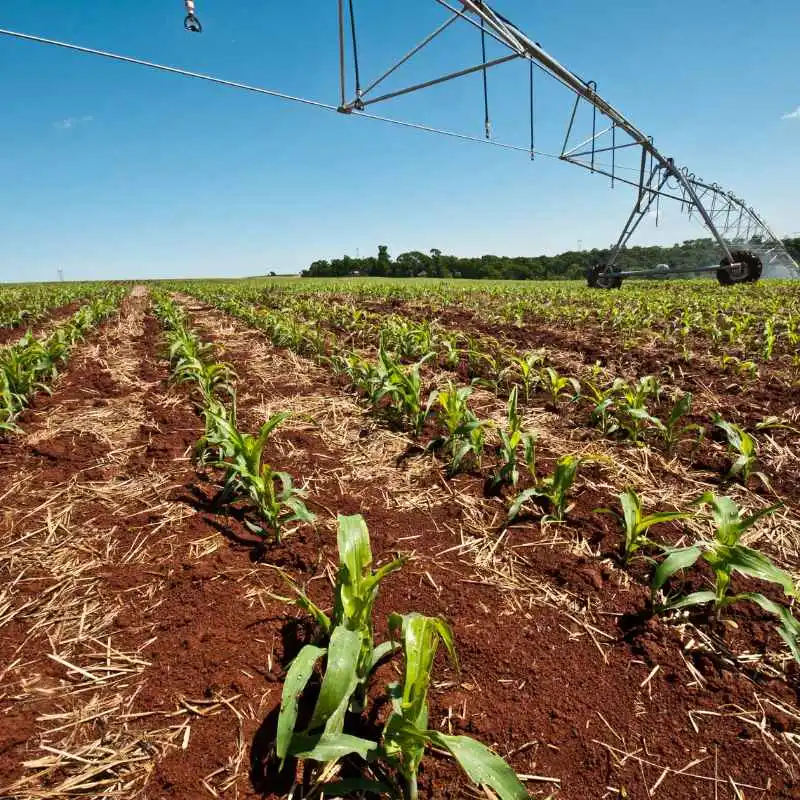
In the Midwest, where corn and soybeans are common, no-till is very popular. Farmers use special planters that can cut through the residue and place seeds directly into the ground. They might use a planter that has discs to open a small slot for the seed.
In other regions, like the Great Plains, strip-tillage might be preferred. This involves tilling only a narrow band where the next crop will be planted. The areas between the rows remain undisturbed.
This offers some of the benefits of no-till while still allowing for some early-season soil warming.
Farmers often talk about the transition period. When they first switch to conservation tillage, there can be a learning curve. Soil might take a few years to fully adjust.
They might need to pay extra attention to weed and pest management. But most farmers who stick with it find the long-term benefits outweigh the initial challenges.
I spoke with a farmer in Kansas named Sarah. She took over her family’s wheat farm a decade ago. Her grandfather had always plowed.
Her father had started using minimum tillage. Sarah decided to go all-in with no-till. She said the first couple of years were tough.
Her planter struggled with heavy residue. She worried about soil warming in the spring.
But then, she started noticing things. Her fields held moisture much better during dry spells. She saw more earthworms.
Her soil started to feel softer. After five years, she said her yields were more consistent, even in dry years. She also noticed a big drop in fuel costs because she wasn’t plowing.
She explained that the residue left on the surface protected her wheat seedlings from the wind. It also helped keep the soil surface cool enough to prevent early drying. This was a game-changer for her arid climate.
Her experience highlights how adapting these practices to local conditions is key.
Common Conservation Tillage Tools
No-Till Planters: Designed to cut through residue and plant seeds in undisturbed soil.
Strip-Till Rigs: Till narrow bands of soil for planting, leaving soil between rows covered.
Harrow Bars: Sometimes used for light tillage or residue management, but less aggressive than moldboard plows.
Cover Crop Seeders: Equipment to plant cover crops efficiently.
What This Means for You
So, why should you care about conservation tillage if you’re not a farmer? Understanding these practices helps you appreciate where your food comes from. It also connects you to larger environmental goals.
When it’s normal: Seeing crop residue left on farm fields after harvest is a good sign. It means the farmer is likely using some form of conservation tillage. This is generally a positive indicator for soil health and environmental stewardship.
When to worry: If you see fields that are completely bare and dusty after harvest, especially if they are on slopes or exposed to wind, it might indicate conventional tillage is being used. This doesn’t automatically mean bad farming, but it suggests that erosion and soil health might be concerns.
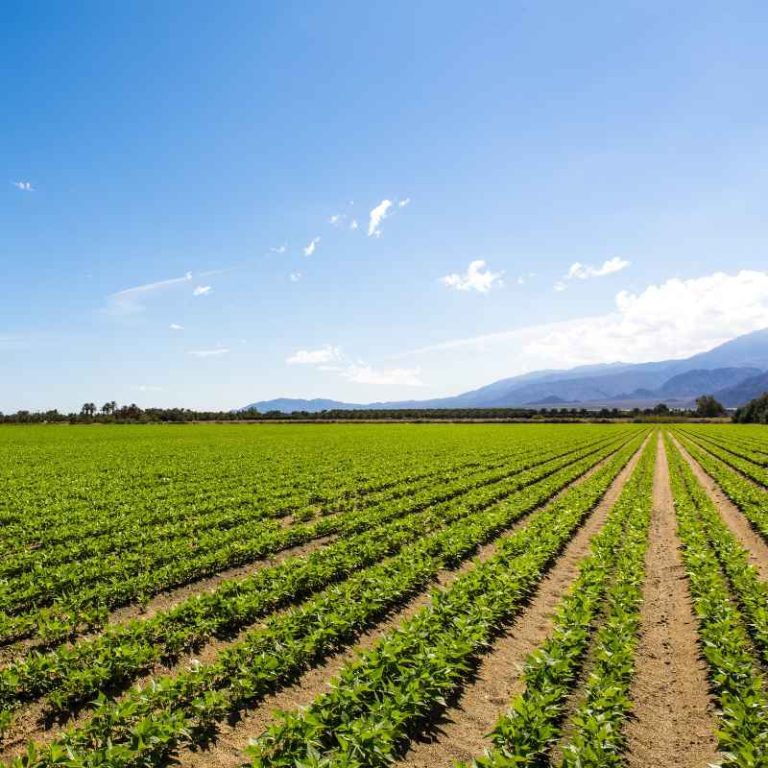
Simple checks: If you live near agricultural land, take a walk or drive by after harvest. Observe the fields. Do you see a layer of straw and stalks?
Or is the soil completely bare and turned over? This visual cue can tell you a lot about the farming practices being used.
For gardeners, many of these principles apply. Using mulch (like straw or wood chips) around your plants is a form of conservation. It protects the soil, retains moisture, and adds organic matter.
Minimizing digging and turning over your garden beds also helps preserve soil structure.
Ultimately, conservation tillage practices contribute to more resilient food systems. They help ensure that farmland remains productive for generations. They also play a role in protecting water quality and mitigating climate change.
Quick Checks for Soil Health Indicators
Visual: Is the soil surface covered with plant material? Or is it bare and dusty?
Feel: Can you easily crumble a handful of soil? Or is it hard and cloddy?
Water: After a rain, does water soak in, or does it run off easily?
Quick Tips for Embracing Conservation Principles
While you might not be managing acres of farmland, you can adopt principles of conservation in your own gardening. These ideas help build healthy soil wherever you grow things.
- Use Mulch Generously: Cover your bare soil with organic materials like straw, wood chips, or compost. This protects the soil, conserves moisture, and adds nutrients.
- Minimize Digging: Try “no-dig” or “minimum-dig” gardening. Instead of tilling, add organic matter to the surface. Let worms and microbes do the work of incorporating it.
- Plant Cover Crops: In garden beds that will be empty over winter, plant a cover crop like clover or rye. Chop it down in spring and leave the material on the surface.
- Avoid Compacting Soil: Use designated paths in your garden. Don’t walk on your planting beds when the soil is wet.
- Add Compost: Regularly incorporate compost into your garden. This adds organic matter and feeds the soil’s life.
Frequently Asked Questions about Conservation Tillage
What is the main goal of conservation tillage?
The main goal is to reduce soil erosion and improve soil health by disturbing the soil as little as possible, while keeping crop residue on the surface.
Is conservation tillage always better than conventional tillage?
For many situations, especially regarding soil health and erosion control, conservation tillage offers significant advantages. However, the best practice can depend on specific soil types, climate, and cropping systems.
How long does it take to see benefits from conservation tillage?
Some benefits, like reduced erosion and better water infiltration, can be seen relatively quickly. Full improvements in soil structure and organic matter content can take several years of consistent practice.
Does conservation tillage increase weed problems?
Initially, there might be a learning curve for weed management, as weed seeds can remain closer to the surface. However, healthier soils and integrated management strategies often help control weeds over time. Some farmers also use specialized herbicides or cultivation tools.
Are there special tools needed for conservation tillage?
Yes, specialized equipment like no-till planters or strip-till rigs are often used to effectively plant seeds into undisturbed soil or residue. However, many modern farm implements can be adapted.
Can conservation tillage improve crop yields?
While initial transition might be challenging, many farmers report improved and more consistent yields over time due to better soil moisture, reduced erosion, and increased soil fertility.
Conclusion: Investing in Our Soil
Conservation tillage is a powerful approach to farming. It’s about working with nature to build resilient, healthy soil. By minimizing disturbance and keeping crop residue in place, farmers protect against erosion, improve water use, and foster a thriving soil ecosystem.
This isn’t just good for the farm; it’s good for all of us. Healthier soil means more sustainable food production and a better environment. It’s an investment in our land and our future.