Which Of These Is Most Likely To Minimize Soil Erosion? Answered
The most effective ways to minimize soil erosion involve protecting bare soil. This includes using cover crops, practicing conservation tillage, and building terraces or contour farming. These methods keep the soil covered and slow down water or wind.
What Is Soil Erosion?
Soil erosion is when the top layer of soil is moved away. Wind and water are the main causes. Rain can wash soil downhill.
Strong winds can blow dry soil away. Over time, this removes valuable topsoil. Topsoil is rich in nutrients.
Plants need it to thrive. Losing topsoil means less food can grow. It also makes land less stable.
This process is natural. But human actions can speed it up. Farming, building, and clearing land can make it worse.
When soil is bare, it has no protection. Raindrops hit it hard. Water then flows over it.
This flow carries soil particles away. Wind picks up loose soil and blows it. This happens a lot in dry, windy areas.
Eroded soil can cause big problems. It can clog up rivers and streams. This harms fish and other water life.
It can also lead to landslides. Soil erosion means losing fertile land. This affects farmers and communities.
It can also make land harder to build on. Protecting soil is very important for our planet.
My Own Soil Erosion Scare
I remember one very wet spring. We had bought a small piece of land. We wanted to start a garden.
It was mostly bare ground. We had cleared some old brush. Then, the rain started.
It rained for three days straight. It wasn’t a gentle rain. It was a downpour.
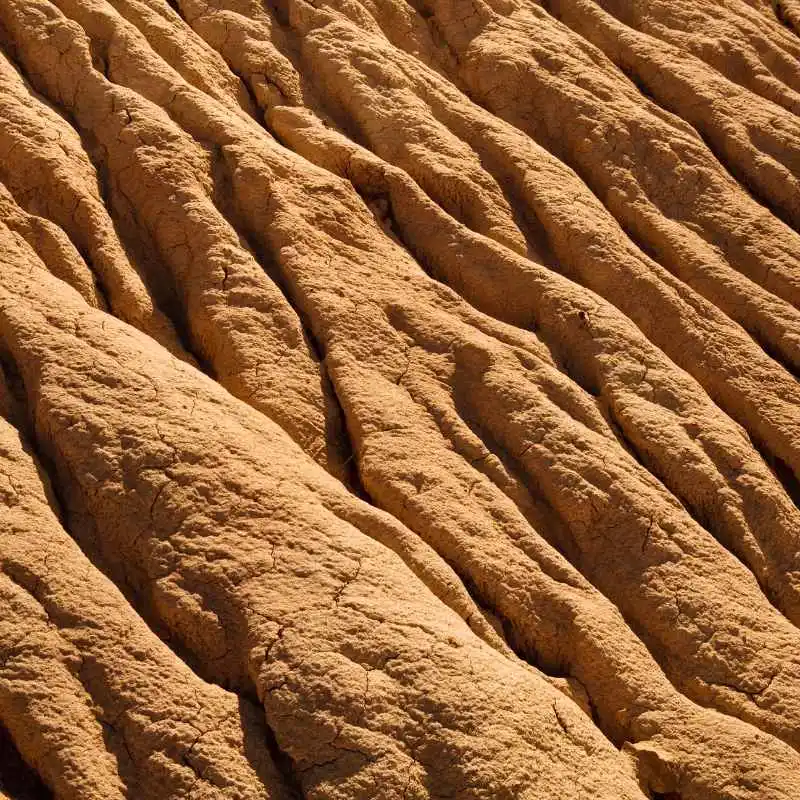
I looked out the window one morning. The little slope in our yard was a mess. Water was running in streams.
It was carrying lots of dark soil. My heart sank. I thought, “All that good dirt is gone!”
I felt a mix of panic and annoyance. We had worked so hard to clear the land. Now it looked like a muddy riverbed.
I rushed outside, boots sinking in the mud. I could see where the water had cut little channels. It was scary to see how fast it happened.
I knew we had to fix it fast. This was my wake-up call about soil protection. That day taught me a lot.
It showed me how easily soil can be lost. It also made me determined to learn how to stop it.
Quick Erosion Facts
What is soil erosion? Moving of topsoil by wind or water.
Why is it bad? Loss of fertile land for farming. Can harm water bodies.
Main causes: Heavy rain, strong winds, exposed soil.
Natural vs. Accelerated: Natural erosion is slow. Human actions speed it up.
Why Does Soil Erosion Matter So Much?
Soil is more than just dirt. It is a living thing. It holds water.
It filters water. It supports plant roots. It is home to tiny creatures that help plants grow.
Losing good soil means losing these benefits. We need good soil for growing food. About 95% of our food comes from soil.
If soil is eroded, less food can be grown. This affects everyone.
It also affects water quality. When soil washes into rivers, it pollutes them. This is called sediment pollution.
It can hurt fish. It can make water unsafe to drink. Eroded soil can also build up behind dams.
This reduces their storage capacity. It can make floods worse. Protecting soil keeps our water clean.
It helps prevent disasters.
Healthy soil also helps fight climate change. It can store carbon. This carbon would otherwise be in the air as CO2.
When soil is healthy and covered, it traps more carbon. Eroded soil releases this carbon. So, good soil practices help our planet.
They are a key part of being good stewards of the land.
Soil Erosion: Myth vs. Reality
Myth: Soil erosion is a natural process and can’t be stopped.
Reality: While natural, human actions can greatly speed it up. We can also use methods to slow it down.
Myth: Erosion only happens on steep farms.
Reality: Erosion can happen anywhere with exposed soil, even on flat land if water or wind is strong.
Myth: It’s just dirt washing away, no big deal.
Reality: It’s the loss of nutrient-rich topsoil, vital for food production and ecosystem health.
Protecting the Soil: The Best Methods
The key to stopping erosion is keeping soil covered. Bare soil is like an open wound. It needs protection.
Several methods work very well. They focus on covering the soil or slowing down water and wind. Let’s look at the top ones.
Cover Crops: Nature’s Blanket
Cover crops are plants grown for more than just harvest. They are planted between main crops. Or they are grown on land that would otherwise be bare.
Think of them as a living blanket for the soil. They protect it from rain and wind. Their roots hold the soil in place.
This is a very effective way to stop erosion.
When rain hits a field with cover crops, it lands on leaves. The leaves break the force of the drops. The roots create channels in the soil.
This helps water soak in slowly. It doesn’t run off as much. Wind also has a harder time picking up soil when plants are there.
Cover crops also add nutrients back to the soil. They improve soil health over time.
Many different plants can be used as cover crops. Rye, vetch, clover, and buckwheat are common. The best choice depends on the climate and the main crop.
Farmers often plant a mix. This gives a wider range of benefits. This practice is widely used and proven effective.
It’s a cornerstone of soil conservation.
Cover Crop Benefits at a Glance
Erosion Control: Protects soil from wind and water.
Soil Health: Adds organic matter and nutrients.
Weed Suppression: Can outcompete weeds.
Water Retention: Helps soil absorb and hold moisture.
Biodiversity: Supports beneficial insects and soil microbes.
Conservation Tillage: Gentle Farming
Tillage is how farmers prepare soil for planting. Traditional tillage involves plowing the soil deeply. This turns it over.
It breaks up clods. But it also leaves the soil bare and loose. This makes it very easy to erode.
Conservation tillage methods leave much of the old crop residue on the surface.
This residue acts like a mulch. It covers the soil. It slows down wind and water.
It helps the soil hold moisture. It also adds organic matter as it breaks down. There are a few types of conservation tillage.
No-till farming is one. Farmers plant seeds directly into the undisturbed soil. They don’t plow at all.
Reduced tillage is another. This involves less plowing and disturbance. These methods significantly cut down on soil erosion.
They are good for soil health too. Leaving crop residue is key. It’s like leaving a protective shield on the ground.
Conservation Tillage Styles
No-Till: Seeds are planted directly into residue. No plowing.
Reduced Till: Minimal soil disturbance. Less plowing than traditional.
Strip Till: Soil is tilled only in narrow strips where seeds are planted.
Residue Management: Leaving crop leftovers on the surface.
Contour Farming and Terracing: Working With the Land’s Shape
These methods are all about managing water flow on slopes. They are especially important for hilly or sloped land. Contour farming means plowing and planting in rows that follow the natural curves of the land.
These rows act like tiny dams. They catch water as it runs downhill. This slows it down.
It gives water more time to soak into the soil.
Terracing is a more drastic measure. It involves creating a series of flat or gently sloped levels on a steep hillside. Think of giant steps.
These terraces catch water and soil. They prevent it from rushing down the slope. Building terraces is hard work.
But they are incredibly effective at stopping erosion on very steep land. They have been used for centuries in many parts of the world.
These methods work with the land. They don’t fight against its natural shape. They use the land’s contours to control water.
This prevents it from gaining speed and carrying away soil. They are vital for preventing severe erosion on slopes.
Terracing: How It Helps
Level Platforms: Create flat areas for planting.
Water Catchment: Each terrace holds water and soil.
Reduced Runoff Speed: Water flows gently across terraces.
Soil Retention: Prevents soil from washing down the slope.
Windbreaks: A Natural Barrier
In areas prone to wind erosion, windbreaks are very useful. A windbreak is a line of trees or shrubs planted to block the wind. They can be planted around fields.
Or they can be planted around buildings and homes. They act as a shield. They slow down the wind before it reaches the soil.
When wind slows down, it can’t carry as much soil. This means less dust and topsoil are blown away. Windbreaks also offer other benefits.
They can provide habitat for wildlife. They can reduce energy costs for buildings by blocking cold winter winds. They can also improve air quality.
Planting trees and shrubs is a great way to protect the land from wind.
The density of the windbreak matters. A solid wall of trees might stop wind too abruptly. This can sometimes cause turbulence and pick up soil on the other side.
A more permeable windbreak, with some gaps, often works best. It slows the wind down gradually. This is a simple but effective method for windy regions.
Windbreak Design Tips
Tree and Shrub Mix: Combine different species for best effect.
Width and Length: Wider and longer windbreaks offer more protection.
Density: Not too dense, not too sparse. Allow some wind to pass through.
Location: Plant them perpendicular to prevailing winds.
Buffer Strips: Protecting Waterways
Buffer strips are areas of permanent vegetation. They are planted along the edges of fields. They are often placed next to streams, rivers, or lakes.
These strips are usually made up of grass, shrubs, or trees. They act as a filter. They catch soil and other pollutants before they reach the water.
When rain flows across a field, it can pick up soil. It can also pick up fertilizers and pesticides. If this water flows directly into a stream, it causes problems.
Buffer strips stop this. The vegetation slows down the water. The roots of the plants hold soil in place.
They trap sediment. They absorb excess nutrients and chemicals.
This helps keep our waterways clean. It protects aquatic life. It also makes the water safer for other uses.
Buffer strips are a vital part of protecting both soil and water quality. They are a simple way to create a barrier between farmland and water bodies.
Buffer Strip Key Functions
Sediment Trapping: Catches soil particles.
Nutrient Absorption: Takes up excess fertilizers.
Pollutant Filtration: Removes pesticides and other chemicals.
Bank Stabilization: Roots hold stream banks together.
Habitat Creation: Provides shelter for wildlife.
Grassed Waterways: Directing Water Safely
Sometimes, water needs to be moved across a field. If it moves too fast, it causes erosion. A grassed waterway is a specific design for this.
It’s a broad, shallow channel. It’s planted with grass. It’s designed to carry runoff water safely from a field to a stream or ditch.
The grass covers the channel. Its roots hold the soil. The broad, shallow shape slows the water down.
This prevents it from cutting into the soil. It looks like a strip of lawn across a field. But it’s a carefully engineered way to manage water flow.
Without it, a gully could form. This would lead to severe soil loss.
Grassed waterways are very effective. They are often used in areas where natural drainage paths are prone to erosion. They are a practical solution for managing concentrated water flow.
They are also relatively easy to maintain once established. They are a good example of using natural elements to solve an engineering problem.
Grassed Waterway Essentials
Shape: Broad and shallow.
Cover: Dense, durable grass species.
Purpose: Safely convey runoff water.
Benefit: Prevents gully formation and soil loss.
Real-World Context: Where Erosion Happens Most
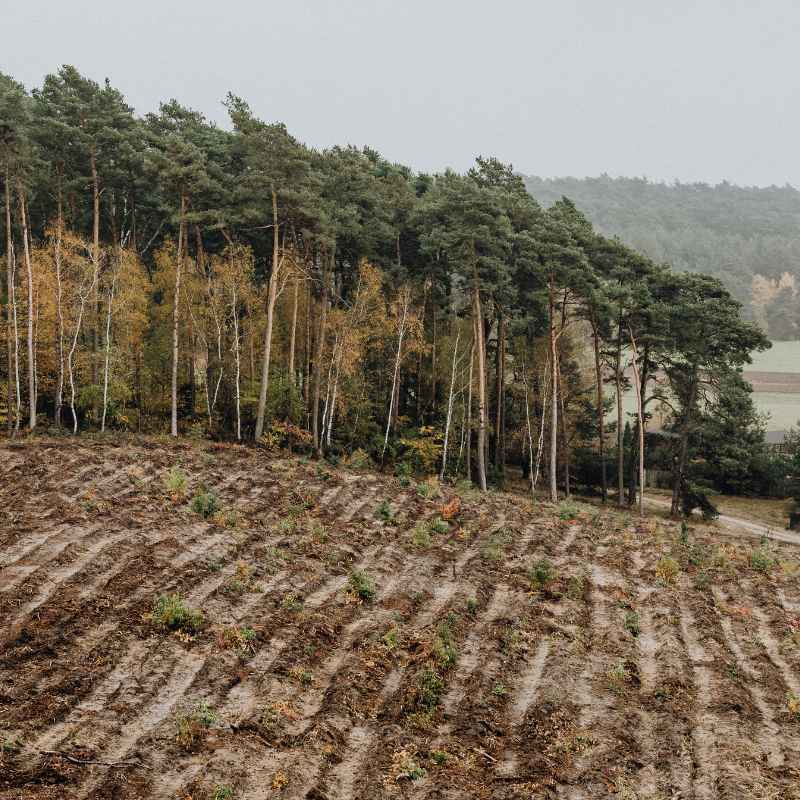
You see soil erosion happen in many places. Construction sites are a big problem. When land is cleared for buildings, it’s left bare.
Heavy rains can wash away tons of soil. This soil can end up in local streams. This harms water quality.
It also means the valuable topsoil is lost forever.
Farming is another major area. Poor farming practices can lead to significant erosion. Farming on steep slopes without protection is risky.
Over-tilling the soil also makes it vulnerable. Droughts followed by heavy rains are a disaster. Dry, loose soil is easily picked up by wind.
Then, the rain comes and washes it all away.
Urban development also contributes. Roads, driveways, and lawns can change how water flows. If not managed, this can lead to erosion in yards and streets.
Even simple gardening practices matter. Leaving garden beds bare over winter can cause them to erode. Understanding where and why erosion happens helps us choose the right solutions.
What This Means For You
If you have a yard, you can do things to stop erosion. If you live on a slope, watch for water running off. If you see soil washing away, take action.
Plant grass or ground cover. Avoid leaving bare soil patches for too long. This is especially important in fall and winter.
If you are planning any building or landscaping, think about erosion. Talk to builders about ways to protect the site. Cover bare soil with mulch or tarps.
Install silt fences to catch soil. These are simple steps that make a big difference. For farmers, adopting conservation practices is vital.
It’s about long-term land health and productivity.
Even small actions add up. If you see erosion happening in your community, speak up. Awareness is the first step.
Protecting soil is a shared responsibility. It benefits us all. It helps ensure we have healthy land for the future.
Quick Fixes & Simple Tips
It’s not always about big projects. Here are some easy things you can do:
- Mulch! Cover bare spots in gardens with mulch. Wood chips, straw, or compost work well.
- Plant groundcovers: For slopes or bare areas, choose plants that spread and cover the ground.
- Rain barrels: Catch rainwater from your roof. This reduces runoff from your property.
- Permeable surfaces: If adding a path or patio, choose materials that let water soak through, like gravel or permeable pavers.
- Avoid digging up entire areas: Try to disturb the soil as little as possible when gardening or landscaping.
- Build small berms: On gentle slopes, small mounds of earth can help slow water down.
- Check drainage: Make sure gutters and downspouts are directing water away from your house and yard edges.
These tips are great for homeowners. They help prevent small-scale erosion. They keep your own soil in place.
They also help protect local waterways.

Frequently Asked Questions About Minimizing Soil Erosion
What is the single most effective way to minimize soil erosion?
Keeping the soil covered is the most effective way. This can be done with cover crops, mulch, or permanent vegetation like grass and trees. Bare soil is highly vulnerable to erosion.
Are cover crops good for all types of soil?
Yes, cover crops are generally beneficial for most soil types. Different cover crops offer different benefits. Some are better for adding nitrogen, while others are great for breaking up compacted soil.
They all help protect the soil surface.
How does no-till farming help prevent erosion?
No-till farming leaves crop residue from the previous season on the soil surface. This residue acts as a protective layer. It shields the soil from the impact of rain and wind.
It also helps the soil absorb water better, reducing runoff.
Can I use natural materials to stop erosion on my property?
Absolutely! Natural materials like wood chips, straw, and compost make excellent mulch. Planting native grasses, shrubs, and trees also creates a natural defense against erosion.
Using rocks to create small retaining walls on slopes can also help.
What’s the difference between contour farming and terracing?
Contour farming involves plowing and planting in rows that follow the land’s curves. This creates small dams to slow water. Terracing is more intensive.
It carves out level steps on steep hillsides to create flat planting areas, significantly reducing water flow and erosion.
When should I worry about soil erosion on my property?
You should worry if you see visible soil washing away after rain. Look for muddy water running off your property or small gullies forming. If bare soil patches are exposed for long periods, especially on slopes, it’s also a concern.
Are there government programs that help with soil erosion control?
Yes, in the U.S., the Natural Resources Conservation Service (NRCS), part of the USDA, offers technical and financial assistance to farmers and landowners for conservation practices, including soil erosion control measures.
Conclusion: Healthy Soil for a Healthy Future
Protecting our soil is essential. It keeps our land productive. It keeps our water clean.
It helps our planet. Using methods like cover crops, conservation tillage, and contour farming makes a huge difference. Even small steps at home help.
By keeping soil covered and managing water, we can prevent erosion. This ensures a healthier future for everyone.