How Increased Soil Salinity Contributes To Desertification Explained
Increased soil salinity, often caused by poor irrigation practices and rising sea levels, makes soil inhospitable to most plants by drawing out water and creating toxic conditions, which is a key factor leading to land degradation and desertification.
For a related follow-up, A Device Used To Differentiate The Several Classes Of Soil Explained gives readers a useful next step.
Understanding Increased Soil Salinity
Soil salinity means there are too many salts in the soil. This can happen naturally. But often, human actions make it worse.
When salts build up, they change the soil’s structure. They can also make it hard for plants to get water.
Think of it like this: plants need to drink water. But if the soil water is very salty, it’s harder for the plant roots to pull that water in. It’s like trying to drink saltwater.
It doesn’t work well.
This build-up of salts happens in a few ways. One common way is through irrigation. When we water crops, some of that water stays in the soil.
The water itself has tiny amounts of salt. As the water evaporates, the salt is left behind. Over time, this salt can pile up.
Another cause can be coastal areas. If sea levels rise, saltwater can seep into the soil. This also brings a lot of salt.
Wind can also carry salt from the sea far inland. So, even places far from the coast can experience salt problems.
When soils become too salty, it affects everything. Plants can’t grow well. Some might die.
This leaves the land bare. Bare land is more easily damaged by wind and rain. This is where desertification really kicks in.

My Own Experience with Salty Soil
I remember visiting a friend’s family farm years ago. They were in a region that relied heavily on irrigation. The fields looked different than I expected.
Some areas were patchy. Brown spots dotted the green. My friend’s father, a farmer for decades, had a worried look.
He explained the problem. They had been irrigating for a long time. They used a lot of water to grow their crops.
But they didn’t have good drainage. So, the water sat in the soil. As it dried out day after day, the salt from the water was left behind.
He pointed to a spot where nothing was growing. “This used to be our best cornfield,” he sighed. “Now, it’s just too salty.
The corn can’t take it.”
It felt like watching a slow defeat. The land, once so giving, was turning against them. The salt was like a quiet invader.
It wasn’t a sudden flood or a storm. It was a gradual change. This experience really showed me how sensitive soil can be.
It made me understand the importance of how we treat our land.
Soil Salinity: The Hidden Danger
What is it? Too much salt in the soil.
Why it’s bad for plants: It makes it hard for roots to absorb water. This is called osmotic stress.
It can also be toxic: High salt levels can actually poison plant cells.
Where it happens: Dry regions, coastal areas, places with poor drainage, and areas with heavy irrigation.
How Salinity Fuels Desertification
Desertification is when fertile land turns into desert. Increased soil salinity is a major cause. Here’s how it all connects.
First, the high salt content makes it very hard for plants to survive. Most crops and native plants need a certain balance of water and nutrients. When the soil is salty, plants can’t get enough water.
Their roots draw out water from the soil. But if the soil water is saltier than the plant’s sap, water moves out of the roots instead of into them. It’s like osmosis working in reverse for the plant.
This water stress weakens the plants. They grow slower. They produce less fruit or grain.
Some plants simply die. This is especially true for plants that aren’t adapted to salty conditions. Many food crops fall into this category.
When plants die or are too weak to grow well, the soil is left exposed. Think about a healthy field. The plants and their roots hold the soil together.
They also provide shade. This keeps the soil moist and cool.
Without plants, the soil is vulnerable. Wind can pick up dry, loose soil and blow it away. This is called wind erosion.
Heavy rain can wash away the topsoil. This is called water erosion. Both forms of erosion remove the rich topsoil that plants need to grow.
As the topsoil is lost, the land becomes less fertile. It also holds less water. The salt might still be there, or even get concentrated more.
This creates a cycle. Less water, less fertile soil, and more salt leads to even fewer plants. Eventually, the land can become so degraded it looks like a desert.
It can no longer support agriculture or much life.
The Salinity-Desertification Cycle
1. Salt Buildup: Irrigation, poor drainage, or seawater intrusion increases salt in soil.
2. Plant Stress: High salinity makes it hard for plants to get water and can be toxic.
3. Plant Death/Weakness: Crops fail, and native vegetation dies off.
4. Soil Exposure: Bare soil is unprotected from wind and rain.
5. Erosion: Wind and water carry away the fertile topsoil.
6. Land Degradation: Soil loses nutrients and water-holding capacity.
7. Desertification: The land becomes barren and desert-like, unable to support life.
Common Causes of Soil Salinity
Understanding why soil gets salty is key. There are natural reasons, but human activities often speed things up. Let’s break down the most common culprits.
Irrigation Practices
This is a huge factor, especially in dry areas where crops need watering. When farmers irrigate, they use water that has dissolved salts. As this water is applied to the fields, some of it is used by plants.
A lot of it can also evaporate from the soil surface.
When water evaporates, the salts are left behind. If there isn’t enough rain or good drainage to wash these salts down and away from the root zone, they start to build up. Over many years, this can make the soil very salty.
Poor irrigation systems also play a role. If water isn’t applied evenly, some areas might get too much water, leading to salt accumulation. Also, using low-quality water with high salt content makes the problem worse from the start.
The U.S. Department of Agriculture (USDA) has many resources on water management for farms. They stress the importance of efficient irrigation and drainage systems.
This helps prevent salt from building up.
Poor Drainage
Good drainage is vital. It allows excess water to flow away from the plant roots. This water carries dissolved salts with it.
If the soil has poor drainage, water can stay pooled. This creates waterlogged conditions.
In waterlogged soil, salts from deeper layers can move up towards the surface. Also, as the surface water evaporates, it leaves its salts behind. This is especially common in flat areas or places with a high water table.
Building houses or roads can sometimes disrupt natural drainage patterns. This can lead to water collecting in new areas, increasing the chance of salt buildup. Farming in areas that naturally drain poorly requires careful planning and sometimes artificial drainage solutions.
Coastal Inundation and Seawater Intrusion
For areas near the coast, rising sea levels and storm surges can be a major threat. Saltwater from the ocean can flood coastal farmlands. This directly deposits a large amount of salt into the soil.
Even without flooding, saltwater can seep into the groundwater. This is called seawater intrusion. If farmers then use this salty groundwater for irrigation, they are adding salt to the soil with every watering.
This is a big issue in many coastal farming communities.
The Environmental Protection Agency (EPA) has noted that coastal erosion and sea-level rise are changing landscapes. This impacts agriculture by affecting soil health and water quality.
Natural Salt Deposits
Some regions have soils that are naturally salty. This can be due to the parent rock material that formed the soil. Over thousands of years, salts can be released from these rocks.
In arid or semi-arid climates, where there’s little rain to wash salts away, they can accumulate.
These naturally salty soils are often called “sodic soils.” They are challenging to farm without special management techniques. Understanding the soil’s natural history is important for managing salinity.
Quick Scan: Where Salinity Lurks
- Dry Climates: Evaporation > Rainfall = Salt Stays
- Coastal Zones: Sea level rise & storm surges
- Heavy Irrigation Areas: Water evaporates, salt left behind
- Poorly Drained Fields: Waterlogged soil brings salt up
- Low-Lying Areas: Salt can move downhill
The Impact on Plants and Crops
It’s easy to say “plants don’t like salt.” But the effects are quite specific and damaging. When soil salinity increases, plants face a tough battle for survival. This is why agricultural productivity drops.
Osmotic Stress: The Thirst Trap
This is the most direct problem. Plants absorb water through their roots using a process called osmosis. Water moves from an area of lower salt concentration to an area of higher salt concentration.
Plant roots contain dissolved salts and sugars, making their internal fluids saltier than pure water.
In normal soil, the soil water is less salty than the root’s interior, so water moves into the roots. However, when the soil water becomes very salty, it’s saltier than the plant’s root fluids. This means water is actually pulled out of the roots and into the soil.
The plant effectively becomes dehydrated, even though there is water in the soil.
This “thirst” makes plants wilt. Their growth slows down. They can’t produce as many leaves or as much grain.
It’s like a person being surrounded by water but unable to drink it.
Ion Toxicity: Poisoned by Salt
Besides drawing out water, the salts themselves can be harmful. Sodium (Na+) and chloride (Cl-) are common ions in salt. When these ions build up in plant tissues to high levels, they can become toxic.
These ions can disrupt important plant processes. They can interfere with the uptake of other essential nutrients, like potassium and calcium. They can also damage cell structures and enzyme functions.
This toxicity leads to burned leaf edges, yellowing leaves, and stunted growth.
Different plants have different tolerance levels. Some crops, like barley and cotton, are more salt-tolerant. Others, like beans and most fruits, are very sensitive.
This means a salty field might still grow some things, but not the crops farmers depend on for income and food.
Reduced Nutrient Uptake
The presence of excess sodium ions can interfere with how plants take in other necessary minerals. For example, sodium can compete with potassium (K+), which is vital for many plant functions, including water regulation and enzyme activation.
This leads to nutrient deficiencies. Even if nutrients are present in the soil, the plant can’t absorb them properly due to the salt imbalance. This further weakens the plant and reduces its yield and quality.
Impact on Soil Structure
Salt, particularly sodium, can also break down the soil structure itself. Sodium ions can push apart the tiny particles (clay particles) that make up soil. When this happens, the soil loses its crumbly texture.
It becomes dense and hard to work with.
This dense soil has poor aeration (less air for roots). It also has very poor drainage, as we discussed before. This makes it even harder for plants to survive and contributes to the overall degradation of the land, pushing it towards desertification.
Plant Struggles with Salty Soil
Osmotic Stress
What it is: Plant roots lose water to the salty soil.
Result: Dehydration, wilting, stunted growth.
Ion Toxicity
What it is: Harmful salts like sodium and chloride poison plant cells.
Result: Leaf burn, yellowing, cell damage.
Nutrient Imbalance
What it is: Salts block uptake of good nutrients.
Result: Deficiencies of potassium, calcium, etc.
Soil Structure Damage
What it is: Sodium disperses soil particles.
Result: Hard soil, poor air, and water movement.
Real-World Consequences of Salinity-Driven Desertification
The effects of increased soil salinity leading to desertification go far beyond just one farm or one region. They have a ripple effect across communities, economies, and the environment.
Reduced Food Security
When large areas of farmland become too salty to grow crops, food production decreases. This is a direct threat to food security, especially in regions that rely heavily on local agriculture. Fewer crops mean less food available, leading to higher prices and potential shortages.
Globally, vast amounts of land are affected by salinity. The Food and Agriculture Organization of the United Nations (FAO) reports that salinity is a major land degradation issue. It impacts the ability to feed a growing world population.
This forces communities to import more food, which can be expensive. It also means that the livelihoods of farmers and those who depend on agriculture are at risk. This can lead to poverty and instability.
Economic Losses
The economic impact is significant. Farmers lose their crops and income. This affects rural economies.
Degraded land cannot support livestock well either, impacting another aspect of farming.
The cost of trying to reclaim salty land can be very high. It requires special techniques, like adding soil amendments or installing complex drainage systems. These are often too expensive for small farmers.
Furthermore, when land becomes unproductive, it can lose its value. This impacts local tax revenues and the overall economic health of a region. Businesses that rely on agricultural products also suffer.
Environmental Degradation
Desertification caused by salinity leads to a loss of biodiversity. The plants and animals that once lived in these areas can no longer survive. The entire ecosystem suffers.
As mentioned, erosion increases. This means topsoil is lost. Topsoil is rich in organic matter and nutrients, and it’s crucial for supporting life.
Its loss is a permanent blow to the land’s health.
Water sources can also be affected. Salty runoff can pollute rivers and lakes. This makes the water unusable for drinking, irrigation, or supporting aquatic life.
Migration and Social Disruption
When land can no longer provide food or livelihoods, people are forced to move. This can lead to internal migration within a country or international migration. These movements can put a strain on resources in the new locations and can cause social disruption.
Communities that have existed for generations may break apart. This can lead to cultural loss and increased competition for resources in already crowded areas.
Ripple Effects of Salty Deserts
- Food: Less food produced, higher prices.
- Money: Farmers lose income, economies shrink.
- Nature: Plants and animals disappear, soil erodes.
- Water: Rivers and lakes can become salty.
- People: Communities may have to move away.
What This Means for You: When is it Normal? When to Worry?
It’s important to know that a little bit of salt in soil is normal. All soils contain some salts. Plants have adapted to certain levels.
The problem arises when these levels become too high and start causing harm.
When is Increased Soil Salinity a Concern?
You might start to worry when you notice:
- Stunted Plant Growth: Your garden plants or crops are not growing as tall or as lush as they should be.
- Yellowing Leaves: Leaves on plants might turn yellow, especially around the edges.
- Leaf Burn: The edges of leaves might look brown or scorched.
- Poor Germination: Seeds are not sprouting, or young seedlings are dying off quickly.
- White Crust on Soil: In dry conditions, you might see a white, crusty layer on the surface of the soil. This is a visible sign of salt accumulation.
- Bare Patches: Areas in a lawn or field where grass or other plants are struggling to grow, while nearby areas are healthy.
- Taste of Well Water: If you use well water for irrigation, and it starts to taste a bit salty, it could be a sign of saltwater intrusion.
These are signs that the salt levels in the soil are becoming problematic for the plants you want to grow.
Normal Occurrences of Salt
It’s worth noting that some plants are naturally more tolerant of salt. For example, many native coastal plants or succulents can handle higher salt levels. If you are growing these, a slightly saltier soil might not be an issue.
Also, freshly tilled soil can sometimes look a bit lighter in color, which isn’t always salt.
The key is to look for a pattern of decline and visible signs of stress on plants that you expect to thrive.
When to Seek Expert Advice
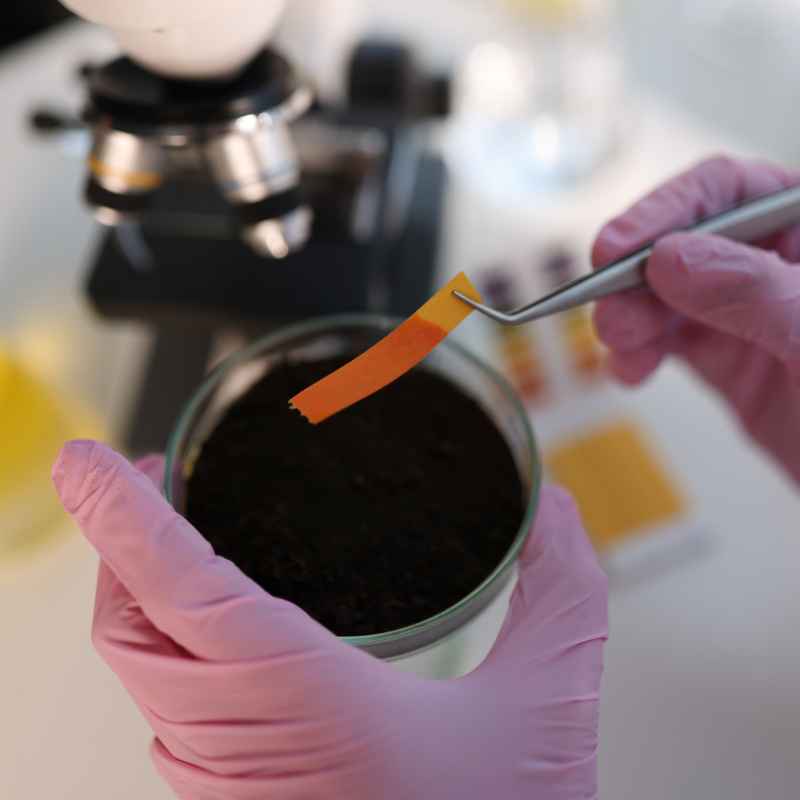
If you suspect increased soil salinity is a problem in your garden or on your property, it’s a good idea to get the soil tested. Local agricultural extension offices, like those associated with your state university system, often offer soil testing services.
A soil test will tell you the exact salt content and the types of salts present. This information is crucial for deciding on the best course of action. It’s better to get a clear picture before trying expensive remedies.
For larger areas or agricultural settings, understanding the water table and drainage is also important. Consulting with a soil scientist or an agricultural expert can help diagnose the root cause and recommend effective solutions.
Spotting Salinity Stress
| Symptom | What it Looks Like | Normal or Worry? |
|---|---|---|
| Plant Growth | Shorter than usual, weak stems | Worry |
| Leaf Color | Yellowing, especially at edges | Worry |
| Leaf Edges | Brown, crispy, “burnt” look | Worry |
| Seeds/Seedlings | Fail to sprout or die quickly | Worry |
| Soil Surface | White crust visible after drying | Worry |
| Areas of Growth | Bare spots in an otherwise healthy lawn | Worry |
Managing and Mitigating Soil Salinity
While increased soil salinity can be a tough problem, especially if it leads to desertification, there are ways to manage and even reduce its impact. The goal is usually to lower the salt content in the root zone and improve soil health.
Improving Drainage
This is often the first step. If water can’t drain away, salts will accumulate. Adding organic matter can help improve soil structure over time, making it drain better.
In some cases, installing drainage tiles or French drains might be necessary for more severe issues.
Proper grading of land can also help water flow away from sensitive areas instead of pooling.
Leaching Salts
Leaching is the process of washing salts out of the soil. This requires applying a large amount of good-quality water to the soil. The water dissolves the salts, and then this salty water needs to drain away.
This works best when you have good drainage.
This method is most effective in arid and semi-arid regions where evaporation is high, but it must be done carefully. It requires a source of water that isn’t already salty, and a way for the leached water to escape without damaging other areas.
Using Salt-Tolerant Crops
If salinity is a persistent issue, choosing plants that can handle higher salt levels is a smart strategy. Crops like barley, wheat, cotton, and certain types of forage grasses are more salt-tolerant than others.
There are also many native plants that are well-adapted to salty conditions. Using these can help stabilize the soil and prevent further degradation, even if they aren’t traditional cash crops.
Adding Soil Amendments
Materials called soil amendments can help improve soil structure and reduce the negative effects of sodium. Gypsum (calcium sulfate) is commonly used. When gypsum is added, the calcium ions can replace the sodium ions that are bound to soil particles.
This process helps keep the soil particles from dispersing. It improves soil structure, aeration, and drainage. Other organic amendments, like compost, can also help improve soil health and salt tolerance over time.
Water Management
Being smart about how and when you water is crucial. Using efficient irrigation methods, like drip irrigation, can reduce water waste and salt build-up. Avoid overwatering.
Monitor soil moisture levels.
If you are in a coastal area, be mindful of using groundwater that might be affected by saltwater intrusion. Sometimes, collecting rainwater or using treated water is a better option.
Reclaiming Salty Land
Reclaiming land that has already become very salty and degraded is a long and challenging process. It often involves a combination of the methods above. It can take years for the salt levels to decrease enough for desirable plants to grow again.
Patience and a comprehensive approach are key. This might involve carefully managing water, adding amendments, and slowly reintroducing salt-tolerant vegetation. For very severe cases, the land might never fully return to its original productivity.
Strategies for Salty Soil
Improve Drainage
Action: Add organic matter, install drains.
Why: Allows salty water to wash away.
Leaching
Action: Flood soil with good water.
Why: Dissolves and washes salts out.
Salt-Tolerant Plants
Action: Choose resilient crops and native species.
Why: They can survive higher salt levels.
Soil Amendments
Action: Add gypsum or compost.
Why: Improves soil structure and reduces sodium damage.
Smart Watering
Action: Drip irrigation, avoid overwatering.
Why: Minimizes water use and salt deposition.

Frequently Asked Questions about Soil Salinity and Desertification
What is the main difference between saline and sodic soil?
Saline soil has a high concentration of soluble salts. Sodic soil has a high concentration of sodium ions attached to the soil particles. While they often occur together, sodic soils have more severe structural problems and are harder to reclaim.
Can desertification caused by salinity be reversed?
Yes, in many cases, desertification caused by salinity can be reversed or managed. It requires proper techniques like improving drainage, leaching salts, using soil amendments, and planting salt-tolerant species. However, it can be a long and costly process.
How much salt is too much for plants?
This varies greatly by plant species. Some plants, like salicornia (sea beans), can tolerate very high salt levels. Most common food crops, however, start showing signs of stress when the electrical conductivity of the soil solution exceeds 2-4 deciSiemens per meter (dS/m).
For sensitive plants, even lower levels can be harmful.
Does increased soil salinity affect groundwater?
Yes, it can. When salts are leached from the soil, they can end up in the groundwater, making it salty. Conversely, in coastal areas, saltwater intrusion can contaminate freshwater aquifers, making the groundwater itself unusable for irrigation or drinking.
What role does climate change play in soil salinity?
Climate change can worsen soil salinity through several mechanisms. Rising sea levels increase saltwater intrusion in coastal areas. More intense droughts can lead to increased evaporation, leaving more salt behind in soils.
Changes in rainfall patterns can also affect leaching and drainage.
Is organic matter helpful for salty soils?
Absolutely. Adding organic matter, like compost or well-rotted manure, is highly beneficial. It improves soil structure, which enhances drainage and aeration.
It can also help buffer the effects of sodium and improve the soil’s ability to hold nutrients, making it more resilient to salt stress.
Conclusion
Seeing land turn into a desert is sad. Increased soil salinity is a major player in this sad story. It happens when salts build up in the soil.
This makes it hard for plants to get water and can even poison them. As plants die, the soil erodes. This leads to less food and damaged environments.
Understanding the causes, like poor irrigation and rising seas, helps us find solutions. By managing our water better, improving drainage, and choosing the right plants, we can fight back. We can help our soils stay healthy and productive for the future.